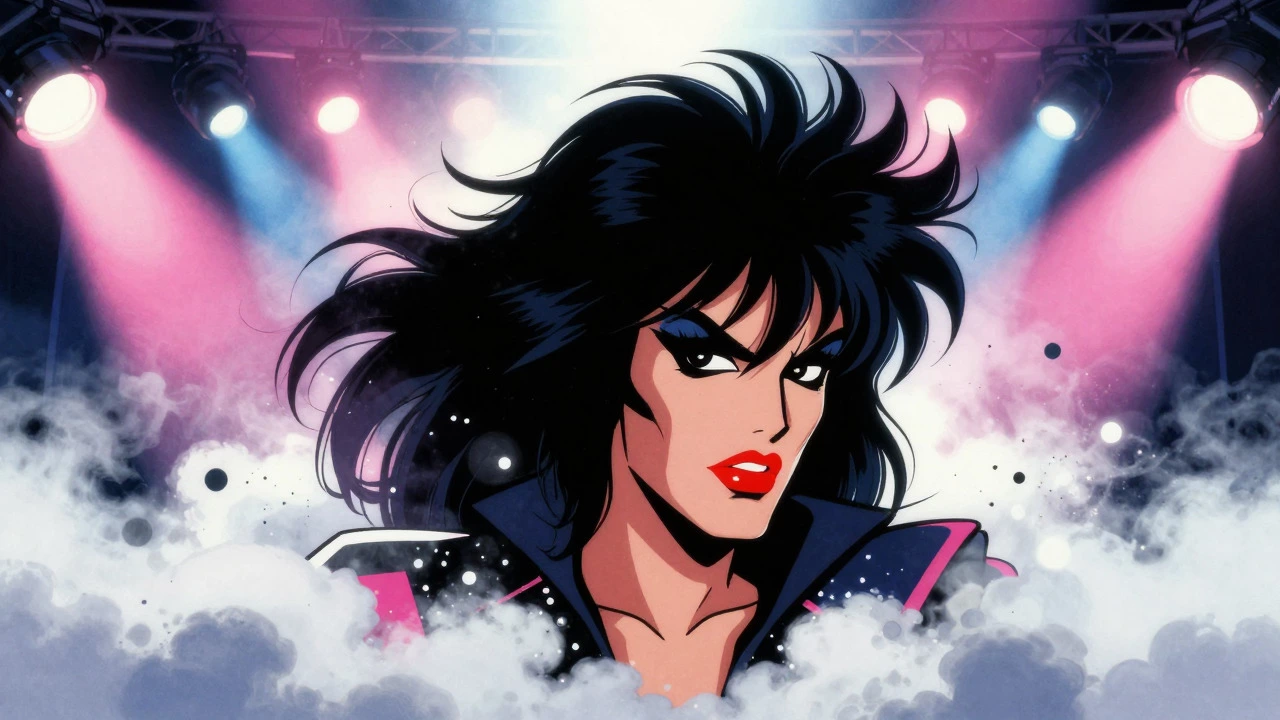

Imagine walking into a concert in 1986. The air is thick with hairspray, the lights are blinding, and suddenly a figure emerges from the smoke. They have hair that defies gravity, eyes lined in black so thick it looks like war paint, and lips painted a shade of red that could stop traffic. This wasn't just a look; it was a declaration. Glam metal hair and makeup were not merely accessories-they were the visual language of an era obsessed with excess, spectacle, and pure attitude.
You might think this style is long gone, buried under the minimalism of the 2000s or the clean-cut aesthetic of today. But if you’ve ever tried to recreate an 80s look for a costume party or just felt nostalgic watching old MTV clips, you know the pull is still there. It’s bold, it’s unapologetic, and it demands attention. Whether you’re a fan of Bon Jovi, Mötley Crüe, or Poison, understanding the mechanics behind the look helps you appreciate why it worked so well on stage and in video.
The Anatomy of "Big Hair": More Than Just Volume
When people talk about glam metal hair, they usually mean one thing: size. But size isn’t just about length; it’s about structure. In the mid-1980s, the standard was shoulder-length or longer, but the real trick was the width. We’re talking hair that extended several inches horizontally from the head, creating a silhouette that stuck out in profile. Fashion historians note that this specific type of volumized hair became a central visual element for hair metal bands, framing faces heavily lined with eyeliner.
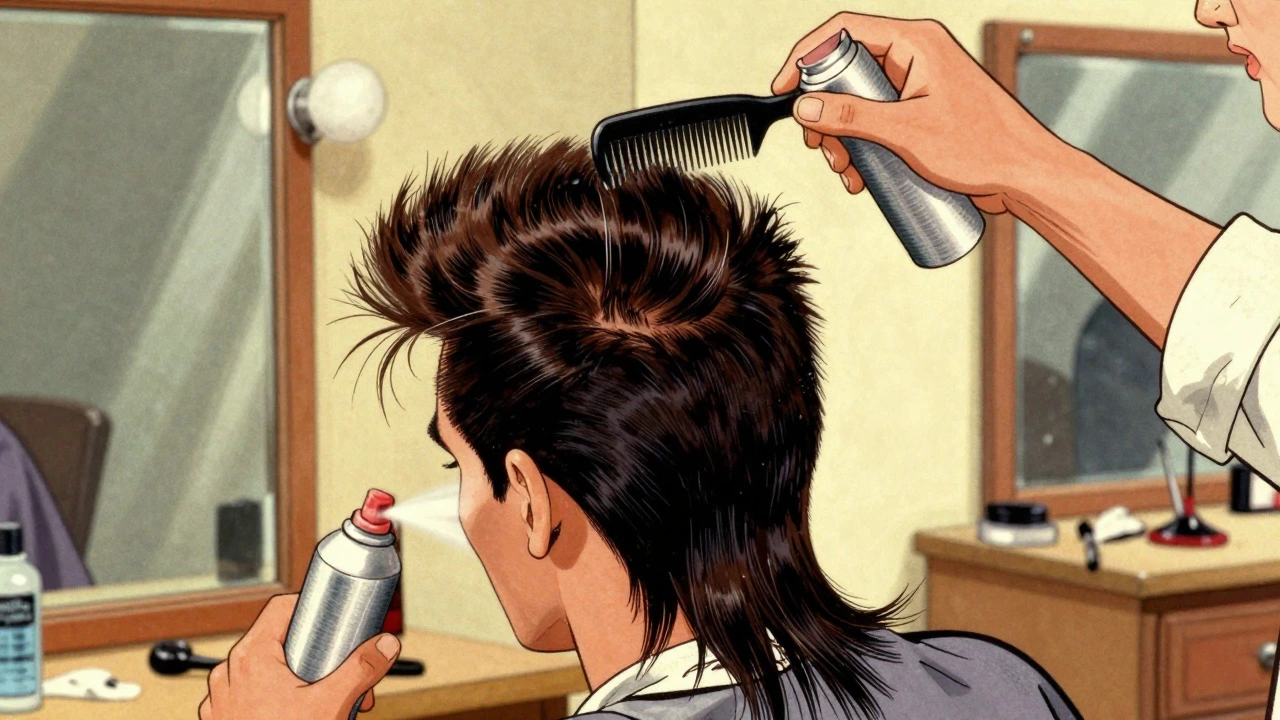
How did they achieve it? It wasn’t magic; it was physics and chemistry. The process started with long hair, often permed to add natural bounce. Then came the heavy lifting-pun intended-of teasing. Stylists would saturate the hair with gel and mousse to create texture and hold. After that, the backcombing began. Using a rattail comb, they would lean forward at the waist, pulling hair straight from the base of the skull and running the comb back toward the scalp repeatedly around the entire hairline. This created a dense cushion of hair at the crown. Once the structure was built, strong-hold hairspray was applied in multiple passes to lock everything in place, giving that iconic shiny, rigid finish.
This technique wasn’t limited to women. Male musicians in glam metal bands adopted these same methods, often relying on extensions or wigs if their natural hair didn’t have enough density. The result was a uniform look across the genre: enormous, poofed-up hair that signaled you belonged to the rock elite. It was a subcultural badge as much as a fashion choice.
Makeup That Matches the Music: Dramatic and Bold
If the hair was the volume, the makeup was the contrast. Glam metal makeup followed the same "bigger is better" philosophy, focusing on pale complexions, dark dramatic eyes, and bright accent colors. The goal was to create a high-contrast face that popped under harsh stage lighting and low-quality VHS cameras.
Let’s break down the steps, because layering is key here:
- Pale Base: Skin was kept relatively pale rather than tanned. Lighter foundation shades created a smooth canvas, making the rest of the face stand out more.
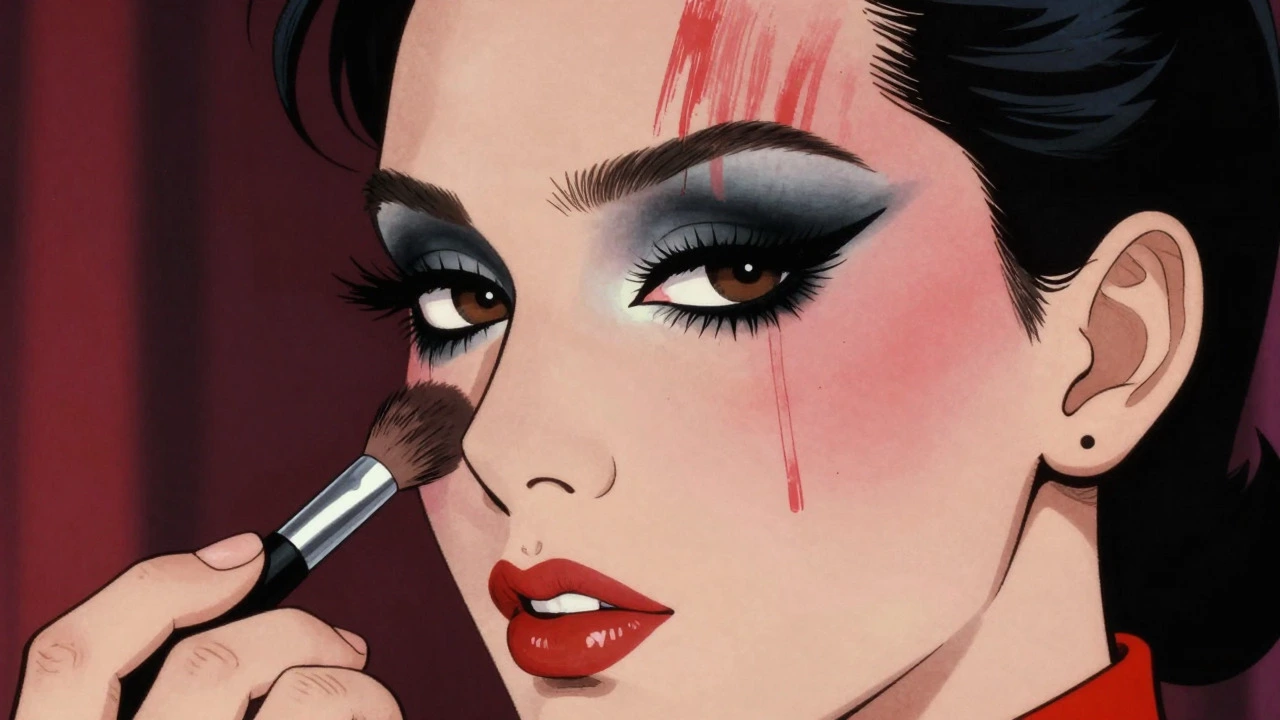
- Dramatic Eyes: A black cream or pencil base was applied over the eyelids. This was then covered with black powder and blended with gray shadow using a fluffy brush to produce deep, smoky eyes. Heavy black eyeliner was applied all the way around the lower lash line, often deliberately messy to fit the rebellious aesthetic.
- Bold Blush: Blush wasn’t dabbed gently. Bright reddish or pink colors were swept in streak-like strokes from the cheeks up into the temples. This emphasized cheekbones and connected the face to the hairline, reinforcing the angular look favored in 1980s fashion photography.
- Vivid Lips: Lips were painted with saturated tones-bright reds, fuchsias, and other intense colors. These shades stood out against the pale skin and dark eyes, completing the high-color face that matched the intensity of the music.
Thick eyeliner and bright lipstick were common even for male band members, highlighting the genre’s flirtation with androgyny and its heritage from 1970s glam rock. It wasn’t about looking natural; it was about looking like a character in a movie where everyone is the main character.
Why Bigger Was Better: The Cultural Context
To understand why this style took over, you have to look at the cultural landscape of the 1980s. The decade was defined by excess. From shoulder pads to neon colors, everything was amplified. Glam metal fit perfectly into this trend. By combining long, voluminous hair with theatrical clothing and heavy makeup, bands created an image of decadence and spectacle that resonated with fans who wanted to escape the mundane.
Compared to other 1980s styles, glam metal stood out for its overt glamour. Punk had spikes and asymmetrical cuts; new wave had boxy fades. But glam metal borrowed elements from 1970s glam rock while embracing the commercial sheen of MTV-era pop culture. The success of bands like Def Leppard and Guns N' Roses (in their early phase) led mainstream metal fans to adopt brighter, more colorful, and theatrical clothing. It expanded the market for hair products, styling tools, and cosmetics that supported these looks.
Fans weren’t just passive observers. They imitated band looks for concerts and everyday style. Long curly hair, leather pants, and heavy eyeliner became markers of affiliation. If you saw someone with massive teased hair and dramatic eye makeup, you knew they were part of the tribe. It was a shared visual code that strengthened community bonds.
Recreating the Look Today: Tips and Techniques
Want to try the look yourself? Whether for a themed party, a cosplay event, or just fun, here’s how to get close to the authentic 1980s glam metal aesthetic without breaking the bank or your neck.
- Start with the Right Base: You need long hair. If yours isn’t long enough, consider clip-in extensions or a high-quality wig. Clean hair works best for holding the structure, but slightly dirty hair can sometimes grip better.
- Build the Texture: Apply generous amounts of mousse or gel to damp hair. This adds body and makes the teasing process easier. Let it dry completely before moving to the next step.
- Tease Systematically: Work in sections. Start at the nape of the neck, tease upward, and move towards the crown. Use a fine-toothed comb to backcomb each section. Don’t rush; this is the most time-consuming part. Aim for a uniform lift around the entire head.
- Spray and Lock: Once the volume is built, spray with strong-hold hairspray. Hold the can about six inches away and mist evenly. For extra hold, bend forward and spray the roots directly. Finish with a light mist over the surface to give it that glossy, stiff look.
- Apply the Makeup: Follow the layering steps outlined above. Practice blending the eyeshadow and eyeliner to avoid harsh lines. Remember, the goal is drama, not subtlety.
Be prepared for a learning curve. Mastering backcombing takes practice, and blending heavy eye makeup requires patience. Test the look beforehand, especially if you’ll be under camera lights, as the intensity may need adjustment for modern digital sensors compared to old analog tape.
The Legacy of Excess
It’s easy to mock the huge hair and heavy makeup of the 1980s in hindsight. But for those who lived through it, the look was aspirational. It represented confidence, rebellion, and a refusal to blend in. Even today, elements of glam metal styling inform contemporary experimentation. Retro revivals are common, and the boldness of the era continues to inspire artists who want to make a statement.
So, whether you’re rocking a teased crown and bright red lips for a night out or just appreciating the history, remember: in the world of glam metal, bigger really was better. It was a celebration of self-expression, wrapped in layers of hairspray and eyeliner, and it left a mark on pop culture that hasn’t faded.
What products were essential for achieving the 1980s glam metal hair look?
The core products included strong-hold hairspray, volumizing mousse, and styling gel. A rattail comb was also crucial for the backcombing technique that created the extreme volume. Extensions or wigs were often used by performers who needed extra length or density.
Did male glam metal musicians wear makeup?
Yes, many male musicians wore significant makeup, including thick eyeliner, pale foundation, and bright lipstick. This reflected the genre's influence from 1970s glam rock and its embrace of androgynous aesthetics. It was a deliberate choice to enhance stage presence and visual impact.
How long does it take to style hair in the glam metal style?
It can take anywhere from 30 minutes to over an hour, depending on hair length and thickness. The teasing process is meticulous and requires working systematically around the head to ensure even volume. Adding makeup can add another 20-30 minutes for a full glam look.
Is glam metal hair and makeup still popular today?
While not a mainstream daily style, it remains popular for themed events, concerts, and retro revivals. Social media platforms feature numerous tutorials and inspiration boards, showing ongoing interest in recreating the look for nostalgia and creative expression.
What was the difference between glam metal hair and punk hair?
Glam metal hair focused on extreme volume, length, and shine, often achieved through teasing and spraying. Punk hair, in contrast, often featured shorter, spikier cuts, asymmetry, and less emphasis on polished glamour. While both were rebellious, glam metal leaned into theatrical excess and commercial appeal, whereas punk prioritized rawness and DIY aesthetics.


