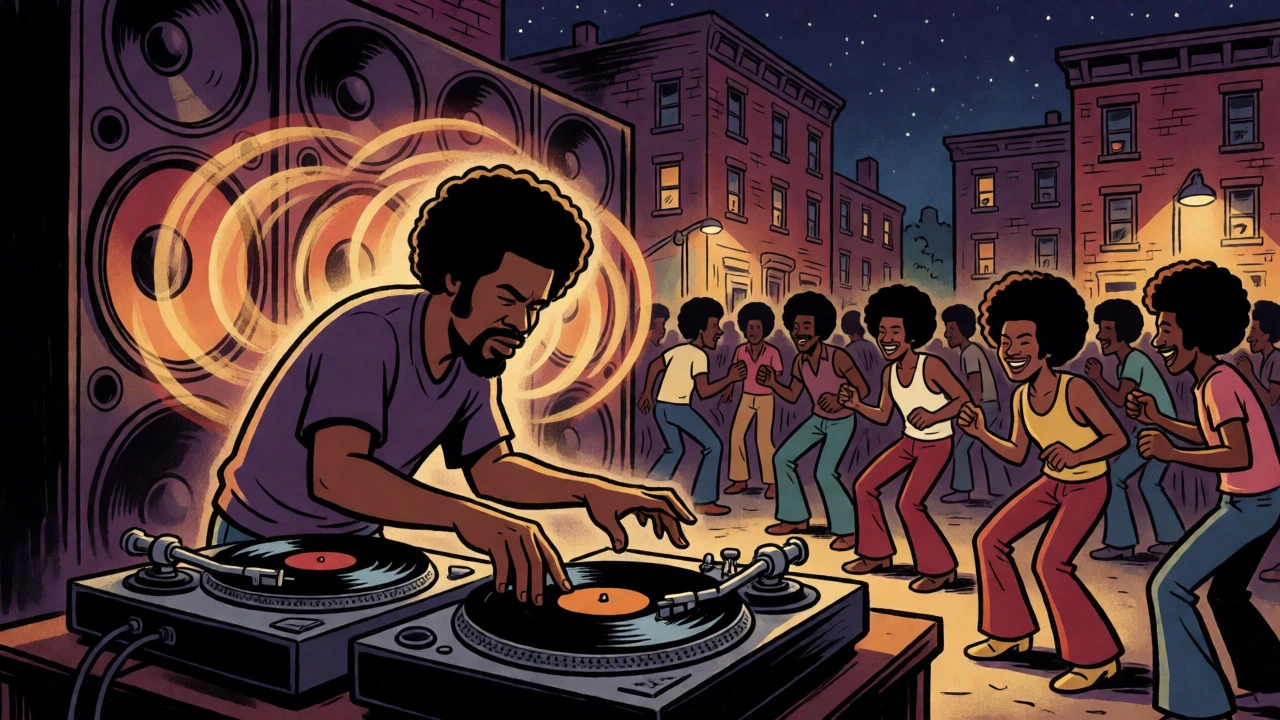

Ever wonder why the first thing you hear in a classic rap track is often a gritty, syncopated drum loop? It’s not an accident. That rhythm is the heartbeat of funk, a genre that didn’t just influence hip-hop-it essentially built it. If you strip away the rhymes and the fashion, the skeletal structure of hip-hop is pure funk. From the block parties of the Bronx to the studio sessions of Los Angeles, producers have been mining funk records for decades to find the perfect groove. This isn't just about nostalgia; it's about understanding the genetic code of modern music.
The Shift to "The One" and the Birth of the Breakbeat
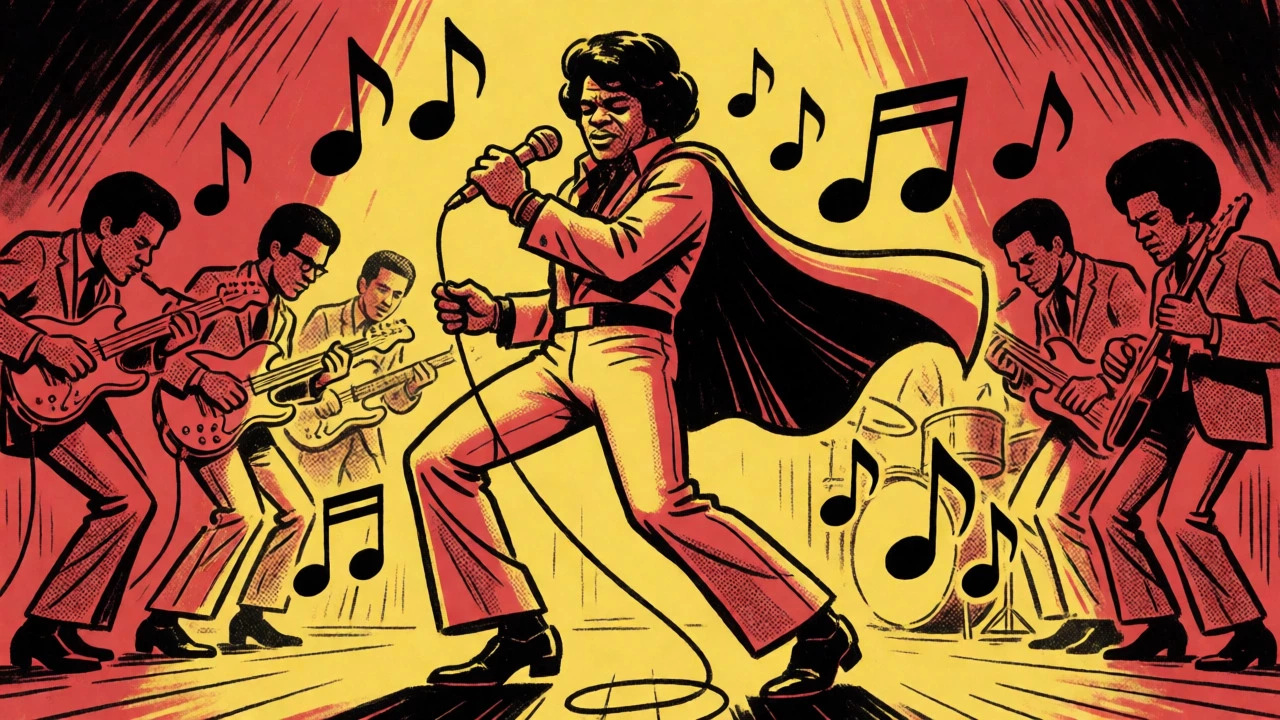
To understand how we got here, you have to look at what changed in the mid-1960s. Before this era, R&B and soul focused heavily on the backbeat-beats two and four. But James Brown decided to flip the script. He shifted the emphasis to beat one, creating a rhythmic density that was hypnotic and danceable. Tracks like Papa’s Got a Brand New Bag (1965) and Cold Sweat (1967) weren't just songs; they were rhythmic experiments. Brown’s band played with a tightness that left little room for error, locking into a groove that felt both complex and effortless.
This shift created the perfect environment for the breakbeat. In funk songs, there are often sections where the melody drops out, leaving only the drums and bass to carry the weight. These "breaks" became the holy grail for DJs. The most famous example is the drum solo by Clyde Stubblefield on Funky Drummer (recorded 1969). That twenty-second improvisation wasn't meant to be a hit single; it was a jam session moment. Yet, it became one of the most sampled pieces of audio in history. Why? Because it was clean, repetitive, and incredibly groovy. It provided a blank canvas for rappers to paint their stories over.
Kool Herc and the Architecture of the Block Party
Fast forward to the early 1970s in the Bronx. DJ Kool Herc noticed something interesting during his parties: dancers went wild when the funky breaks came on, but lost interest when the song returned to the verse or chorus. So, he did something revolutionary. Using two copies of the same vinyl record, he isolated the break and extended it indefinitely. He would play the break on one turntable, then switch to the second copy exactly when the first ended, keeping the rhythm going without interruption.
This technique gave birth to the term "b-boy" (break-boy), referring to those who danced hardest during these extended instrumental sections. Herc’s sound system was loud, but his selection was precise. He favored hard-hitting funk records, particularly those by James Brown. This practice established the fundamental rule of early hip-hop: the beat is king. Without the funk break, there is no space for the MC to shine. The DJ provides the foundation, and the rapper builds the house.
| Funk Element | Function in Hip-Hop | Notable Example |
|---|---|---|
| Drum Breaks | Provides the primary rhythmic grid for looping and dancing. | Funky Drummer by James Brown |
| Basslines | Adds depth and drives the energy of the track. | Give Up the Funk by Parliament |
| Horn Stabs | Creates punctuation and melodic hooks within the beat. | Flash Light by Parliament |
| Guitar Riffs | Adds texture and recognizable musical identity. | Maggot Brain by Funkadelic |
Parliament-Funkadelic and the West Coast Sound
While James Brown laid the groundwork in the East, George Clinton and his collective Parliament-Funkadelic (P-Funk) provided the sonic palette for West Coast hip-hop. Clinton’s music was psychedelic, layered, and heavy on synthesizers. When producers like Dr. Dre began crafting the G-funk sound in the early 1990s, they didn't just sample P-Funk; they emulated its atmosphere.
Dre’s album The Chronic (1992) is practically a tribute to George Clinton. He slowed down the tempos, deepened the bass, and used high-pitched synth leads that sounded like they were lifted directly from P-Funk albums. This wasn't subtle borrowing; it was structural reliance. Clinton himself has noted that hip-hop and funk share the "same DNA." For many listeners, hearing a Dr. Dre beat is indistinguishable from hearing a late-night P-Funk jam. The connection is so strong that some argue G-funk is simply hip-hop filtered through a funk lens.
Other producers took different approaches. The Bomb Squad, responsible for Public Enemy’s chaotic energy, chopped up dozens of funk samples into dense collages. Prince Paul, meanwhile, used funk loops to create a more laid-back, jazzy feel for groups like De La Soul. Each producer interpreted funk differently, but all relied on its core characteristics: syncopation, repetition, and raw human performance.
The Economics of Sampling: Value and Conflict
As hip-hop grew into a commercial juggernaut, the value of these funk samples skyrocketed. In the early days, clearing a sample was often an afterthought. By the late 1980s and early 1990s, it had become a legal minefield. A prime example occurred in 1989 when De La Soul paid approximately $100,000 to clear a single Parliament-Funkadelic sample for their hit "Me, Myself and I." This figure highlighted the economic reality: iconic funk recordings were valuable assets.
However, the money didn't always flow back to the source. George Clinton has frequently expressed frustration over being "bamboozled" by industry figures, claiming he received little to no royalties for countless hip-hop hits built on his work. This tension between creators and samplers remains a central conflict in music copyright law. Producers must weigh the artistic benefit of using a classic funk loop against the potential legal costs. For independent artists today, this often means recreating funk patterns with live instruments or using royalty-free libraries rather than sampling original vinyl.
Technique Matters: Chopping and Recontextualizing
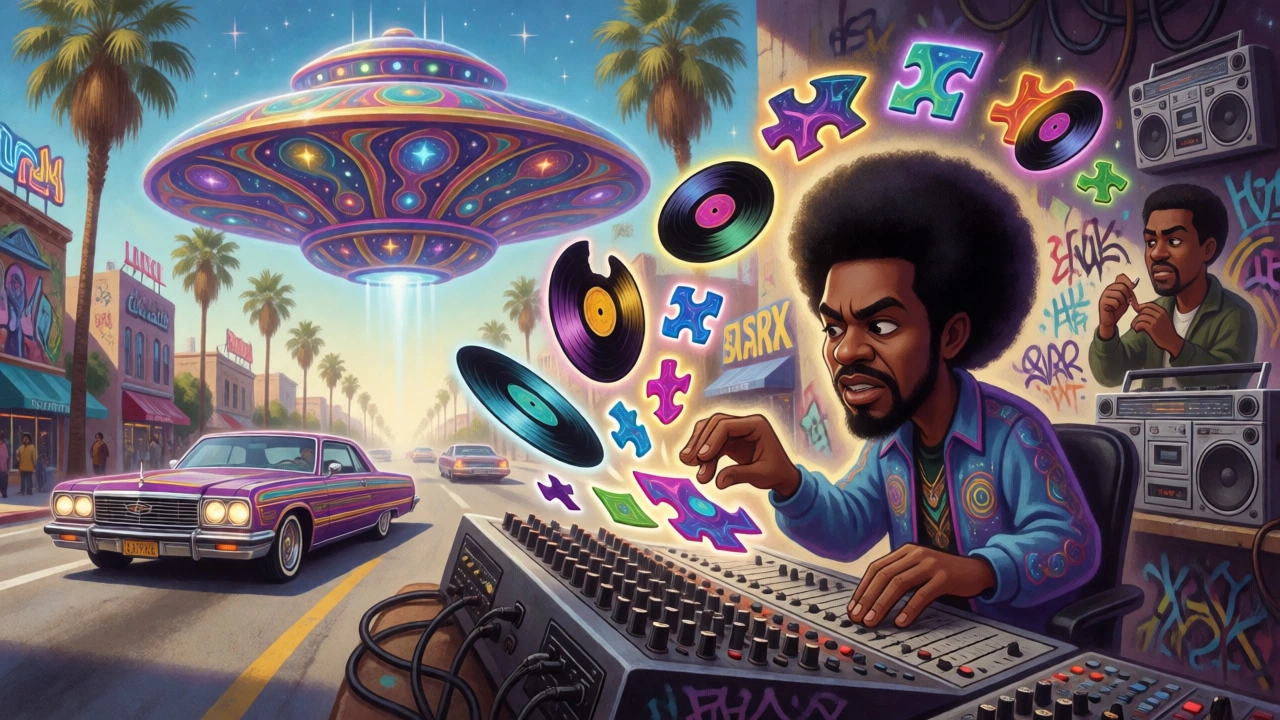
How exactly do producers turn a three-minute funk song into a hip-hop beat? It starts with digging. Producers spend hours listening to records, looking for clean segments where the drummer plays alone or with minimal accompaniment. Once found, they use samplers to isolate these sections. The process involves "chopping"-breaking the audio into small slices corresponding to individual drum hits or notes.
These slices are then rearranged on pads to create new patterns. A producer might take the kick drum from one bar and the snare from another, altering the timing slightly to fit their vision. This technique transforms a static recording into a dynamic instrument. The goal is to make the sample sound like it belongs in a new context while retaining the organic feel of the original performance. Modern digital audio workstations allow for even more precision, letting producers stretch, pitch-shift, and layer funk elements with ease. Yet, the principle remains unchanged: find the groove, extend it, and build upon it.
Legacy and Future: Is Funk Still Relevant?
You might think that in an era of trap hi-hats and synthetic 808s, funk has faded into the background. But look closer. Artists like J Dilla revolutionized hip-hop production by mimicking the imperfect timing of funk drummers, proving that the human element still matters. Contemporary producers continue to study James Brown and Sly and the Family Stone to understand groove mechanics.
Moreover, funk’s influence extends beyond direct sampling. Its emphasis on rhythm-first composition influences genres far beyond hip-hop, including Afrobeats and modern pop. As global music becomes more hybridized, the cross-pollination continues. Hip-hop will likely keep returning to funk because it offers something algorithms can't easily replicate: soul. The interplay between bass and drums in a well-played funk track creates a physical response in the listener that few other genres achieve. As long as people want to move their bodies, funk beats will remain foundational to rap.
Why is James Brown considered the father of hip-hop?
James Brown is credited because he pioneered the "breakbeat" structure by emphasizing beat one and creating isolated drum solos. His tracks, such as "Funky Drummer," provided the exact rhythmic templates that early DJs like Kool Herc looped to create the foundation for rap performances.
What is a breakbeat in the context of hip-hop?
A breakbeat is a short section of a funk or soul record where the melody drops out and only the drums and bass remain. DJs would isolate and loop these sections to provide a continuous rhythmic backdrop for MCs to rhyme over and for b-boys to dance.
Did George Clinton receive royalties for hip-hop samples?
It varies. While some major productions paid substantial licensing fees, George Clinton has stated that he was often underpaid or received no royalties for many hip-hop tracks that sampled Parliament-Funkadelic, highlighting widespread issues with rights management in the industry.
How did sampling technology change hip-hop production?
Sampling allowed producers to extract specific parts of funk records, such as drum breaks or basslines, and repeat them indefinitely. This transformed short musical ideas into full-length beats and enabled the creation of entirely new compositions from existing recordings.
Is funk still relevant to modern hip-hop?
Yes. While direct sampling has decreased due to legal costs, the rhythmic principles of funk-syncopation, heavy bass, and groove-centric composition-remain integral to hip-hop. Many modern producers recreate funk styles using live instrumentation or digital synthesis.


