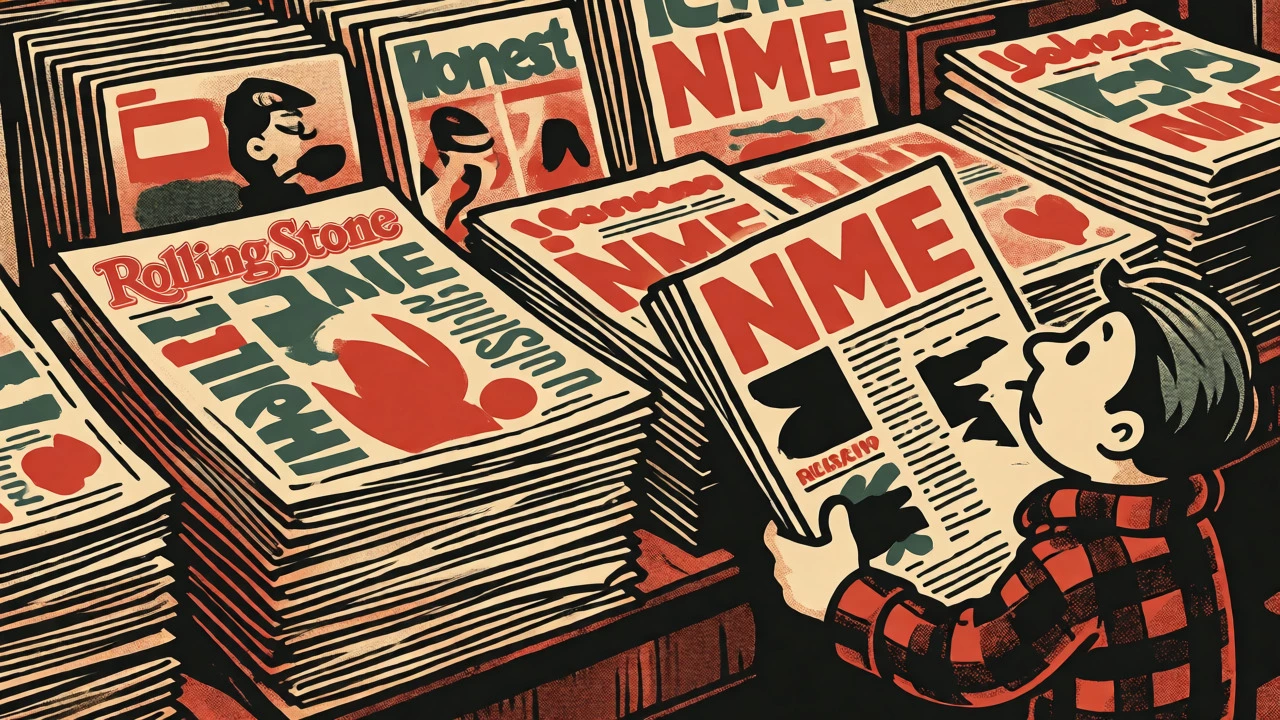

Remember the thrill of waiting for Rolling Stone or NME to hit the newsstand? You’d buy a copy, flip straight to the review section, and see what the experts thought of that new album you’d been obsessing over. Today, that ritual feels like ancient history. Now, within minutes of an album dropping, Twitter (now X), Instagram, and TikTok are flooded with hot takes, memes, and verdicts. The shift from the slow, deliberate pace of 1990s print journalism to the frenetic speed of instant online takes hasn’t just changed how we read about music; it has fundamentally altered how music is consumed, critiqued, and valued.
| Feature | 1990s Print Model | Modern Online Model |
|---|---|---|
| Publication Cycle | Weekly/Monthly fixed deadlines | Continuous, real-time updates |
| Verification Time | Days for editing/fact-checking | Minutes to hours (often post-publication) |
| Audience Interaction | Letters to the editor (weeks later) | Comments/Social media (immediate) |
| Critic Authority | Institutional gatekeepers | Decentralized influencers/algorithms |
| Correction Mechanism | Next issue errata | Live edits/correction banners |
The Era of the Fixed Deadline
In the 1990s, print deadlines were the heartbeat of music journalism. A magazine had a production schedule: copy was due on Tuesday, layout happened Wednesday, and the presses ran Thursday. This constraint wasn’t just logistical; it was editorial. It forced critics to sit with an album, listen multiple times, write, edit, and refine their arguments before publication. There was no option to "update" a review once it was in print. If you missed a nuance or misinterpreted a lyric, that error was frozen in ink forever.
This latency created a specific type of authority. Critics like Lester Bangs (though earlier) or his successors in the 90s had time to craft narratives. They could contextualize an artist’s new work against their entire discography or the broader cultural moment. The delay allowed for reflection. When you read a review in The New York Times or Spin Magazine, you knew it had passed through several layers of editors. The result was often deeper, more nuanced criticism, even if it arrived weeks after the album’s release.
The Digital Disruption
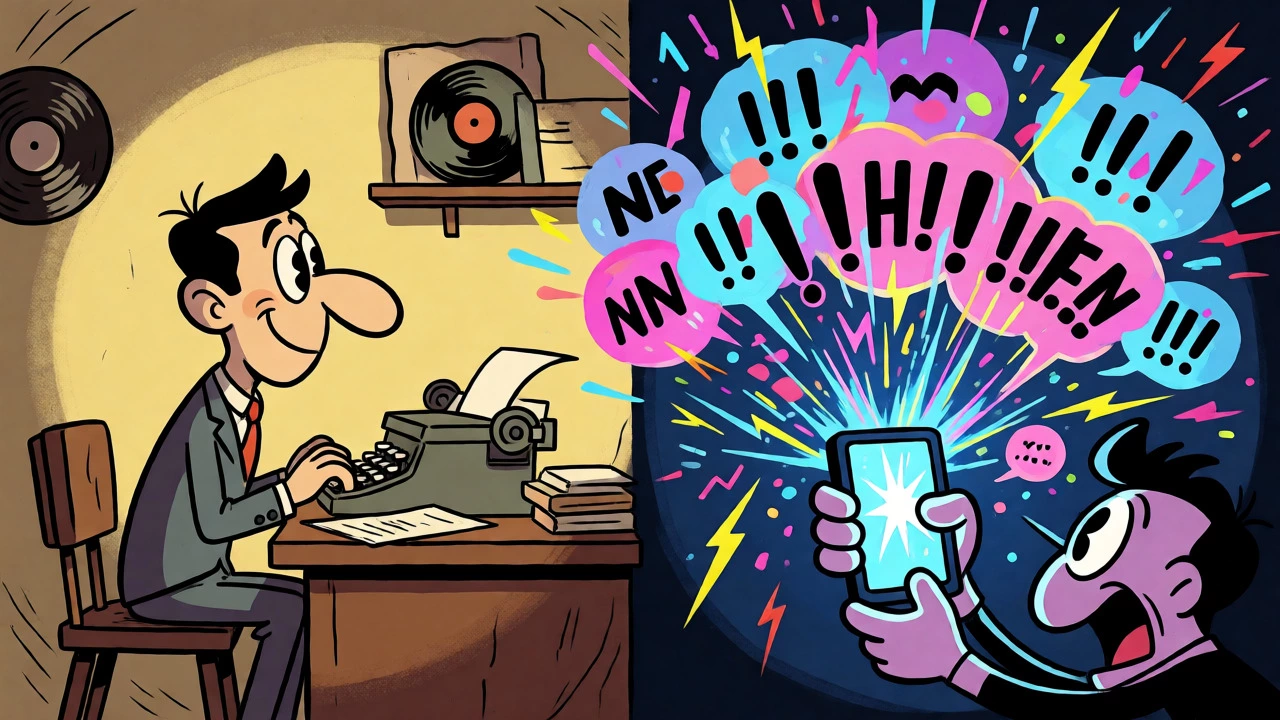
The internet didn’t just speed things up; it broke the cycle. As newspapers moved online in the late 1990s and early 2000s, the concept of a "final" article vanished. Suddenly, a story could be published, updated, corrected, and expanded continuously. For music criticism, this meant the end of the embargo-driven monopoly on first impressions. In the print era, major outlets controlled when the public heard about an album. Online, blogs and independent sites could publish instantly, bypassing traditional gatekeepers.
This shift introduced the phenomenon of the "instant take." With platforms like Pitchfork rising in prominence, the pressure to be first became paramount. Being first meant traffic. Traffic meant ad revenue. Consequently, the incentive structure shifted from depth to speed. Critics began listening to albums once, often while multitasking, and publishing a score within hours of release. The careful, multi-listen approach of the print era gave way to a reactive model where the initial emotional response was prioritized over analytical rigor.
Democratization and Noise
One of the most significant changes is who gets to critique music. In the 90s, there were maybe a dozen influential national publications setting the tone. Today, anyone with a smartphone can share their opinion. Platforms like TikTok have turned music discovery into a visual, soundbite-driven experience. A 15-second clip can make a song viral before a professional critic has even finished writing their headline.
This democratization is a double-edged sword. On one hand, it allows for diverse voices and niche genres to find audiences without needing approval from a white, male-dominated editorial board. Artists like Beyoncé or Kendrick Lamar can engage directly with fans, bypassing traditional media entirely. On the other hand, the sheer volume of content creates noise. Distinguishing between thoughtful analysis and algorithmic hype becomes difficult. The "wisdom of the crowd" often devolves into mob mentality, where an album is panned not because of its musical merits, but because of social media sentiment at the moment of release.
The Economic Pressure Cooker
Why did this happen? Money. The economics of journalism collapsed as advertising dollars moved to digital platforms. Print magazines shrank their staffs, reducing the number of full-time critics. To survive, remaining journalists had to produce more content, faster. The single, well-crafted essay was replaced by listicles, quick reactions, and SEO-optimized headlines designed to capture search traffic immediately after an album drop.
This economic reality impacts quality. When a critic is expected to review five albums in a day, they can’t spend three days on each. The result is often superficial commentary. We see this in the prevalence of "hot takes"-opinions designed to provoke engagement rather than inform understanding. Nuance doesn’t go viral; controversy does. So, the system rewards polarization. An album isn’t just good or bad; it’s either a masterpiece or a disaster, with little room for the messy middle ground that characterizes much of great art.
Rebuilding Trust in the Algorithm Age
Despite the chaos, music criticism isn’t dead-it’s evolving. Some outlets are reclaiming authority by leaning into the very thing the internet lacks: curation. Publications like The Quietus or Stereogum’s long-form features offer depth that social media can’t match. They understand that in an age of infinite choice, people still crave guidance.
Moreover, the relationship between artists and critics has become more transparent. Artists respond to reviews publicly. Corrections are issued instantly. The conversation is ongoing, not static. This interactivity forces critics to be more accountable. If you’re wrong, the audience will tell you immediately. While this can lead to pile-ons, it also prevents the kind of unchecked arrogance that sometimes plagued print-era critics.
The future of music criticism likely lies in a hybrid model. We need the speed of online alerts to know what’s happening, but we also need the depth of print-style essays to understand why it matters. The challenge for modern writers is to resist the urge to react instantly and instead provide value through insight. In Portland, where I live, local music scenes thrive on community feedback, which mirrors this global shift. We don’t wait for a magazine to tell us if a band is good; we hear it, talk about it, and form our own opinions. But we still look for those rare voices that help us hear the music differently.
Why do some people miss print music criticism?
Many readers miss the tactile experience and the perceived authority of print. Print reviews were curated, edited, and permanent, offering a sense of finality and trust that fleeting online posts often lack. The slower pace allowed for deeper reflection and less reactionary judgment.
Has social media killed music criticism?
Not killed, but transformed. Social media has decentralized criticism, allowing more voices but also increasing noise. Professional criticism now competes with influencer culture, forcing critics to adapt by using multimedia, engaging directly with readers, and finding niches where depth outweighs speed.
Do instant online reviews affect album sales?
Yes, significantly. Immediate reactions on platforms like Twitter or TikTok can drive streaming numbers up or down within hours. A negative viral take can hurt an album's momentum before it even gains traction, whereas positive buzz can create immediate demand.
How do critics handle errors in online reviews?
Online critics use correction policies similar to news outlets. They may append notes, update scores, or issue follow-up articles. Unlike print, corrections are visible and immediate, though transparency varies by publication. Readers expect honesty and rapid fixes in the digital space.
Is music criticism still relevant today?
Absolutely. While algorithms recommend songs, humans provide context, cultural framing, and emotional resonance. Good criticism helps listeners navigate overwhelming choices and understand the artistic intent behind the music, adding value beyond mere recommendation.