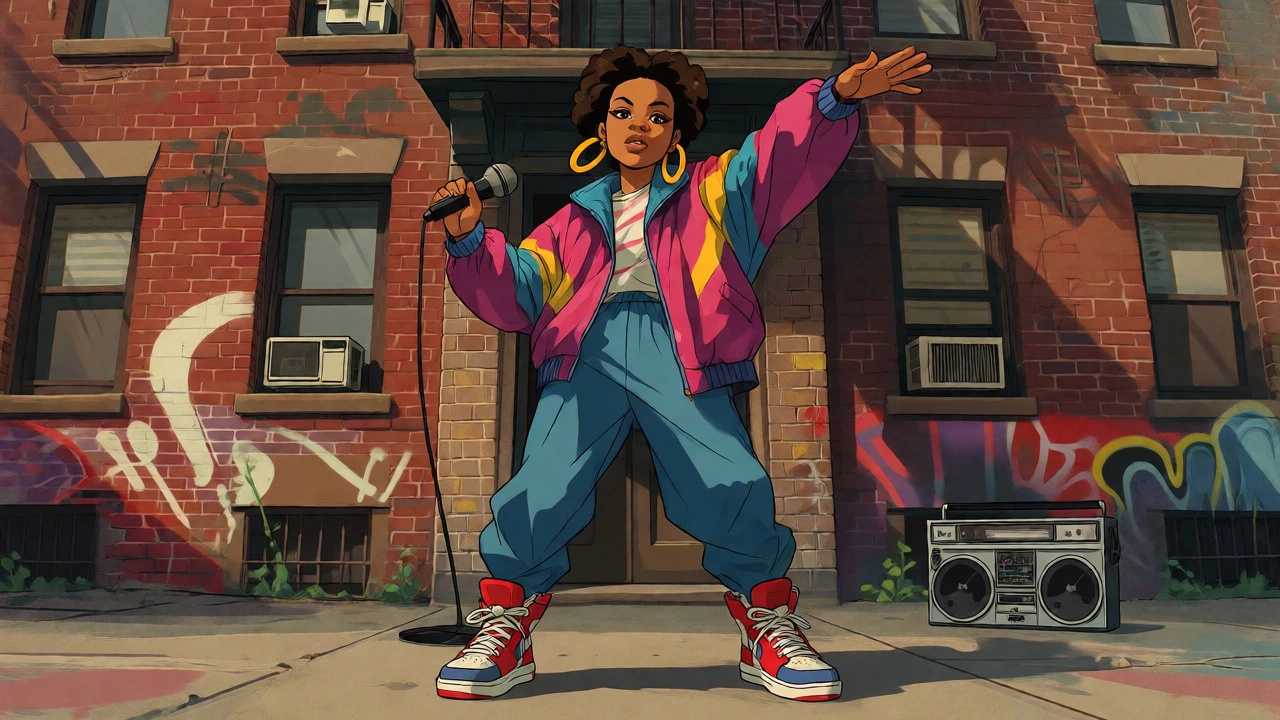

Imagine being fifteen years old, living in the Queensbridge Projects, and dropping a diss track that sells a quarter of a million copies. That is exactly what Roxanne Shanté did in 1984. Before social media, before streaming playlists, and long before female rap dominated the Billboard Hot 100, three women forced the male-dominated world of hip-hop to listen. They didn't just participate; they rewrote the rules.
You might think female rap started with Queen Latifah or Lil' Kim, but the groundwork was laid decades earlier by Roxanne Shanté, MC Lyte, and Salt-N-Pepa. Each artist carved out a distinct lane. One proved women could win battles. Another proved women could make serious albums. The third proved women could sell millions of records while having fun. Let's look at how these three icons changed the game forever.
The Battle Cry: Roxanne Shanté and the Roxanne Wars
Roxanne Shanté (born Lolita Gooden) wasn't trying to be a pop star. She was trying to survive the streets of Queens, New York. In 1984, the group U.T.F.O. released "Roxanne, Roxanne," a song about a girl who rejected them. Instead of ignoring it, Shanté recorded an answer record called "Roxanne's Revenge."
This wasn't just a song; it was a declaration of war. At roughly fourteen or fifteen years old, she recorded a nearly seven-minute diss track in one take over a beat by producer Marley Marl. The result? It sold over 250,000 copies independently and hit number 22 on the R&B Singles chart. More importantly, it sparked the "Roxanne Wars." Over 100 other rappers released response tracks trying to knock her off her throne. She became the first major female solo star in hip-hop, proving that a teenage girl from public housing could out-rap grown men.
Her influence extends far beyond that one track. She joined Marley Marl’s Juice Crew, a legendary collective that included Big Daddy Kane and Biz Markie. Later, her track "Big Mama" showed her willingness to challenge even other women, like Queen Latifah and MC Lyte, highlighting the fierce competition within the genre. Today, artists like Nicki Minaj and Cardi B owe their platform to Shanté’s refusal to back down.
The Lyrical Architect: MC Lyte Breaks the Glass Ceiling
If Roxanne Shanté brought the fire, MC Lyte brought the structure. Born Lana Moorer in Brooklyn, Lyte took a different approach. She didn't just want to battle; she wanted to create art. In 1988, she released "Lyte as a Rock," which is widely recognized as the first full-length solo studio album by a female rapper.
This was a massive shift. Before Lyte, female rappers were often seen as novelty acts or sidekicks to male groups. Lyte’s album featured intricate internal rhymes and hard-hitting production on tracks like "10% Dis" and "Paper Thin." Critics praised her technical skill, forcing the industry to take her seriously. Her second album, "Eyes on This" (1989), became one of the first solo female rap albums to chart on the Billboard 200.
Lyte’s career milestones are concrete proof of her impact:
- First Gold Single: Her 1991 hit "Ruffneck" became the first rap single by a woman to receive gold certification from the RIAA.
- Grammy Recognition: She was the first female solo rapper nominated for a Grammy Award for Best Rap Solo Performance.
- Chart Dominance: She produced four number-one rap singles during her career.
Lyte tackled heavy topics like addiction, racism, and misogyny, proving that female MCs could handle conscious rap without losing their edge. She paved the way for artists like Lauryn Hill and Missy Elliott to blend commercial success with lyrical depth.
The Pop Powerhouse: Salt-N-Pepa Take Over the Mainstream
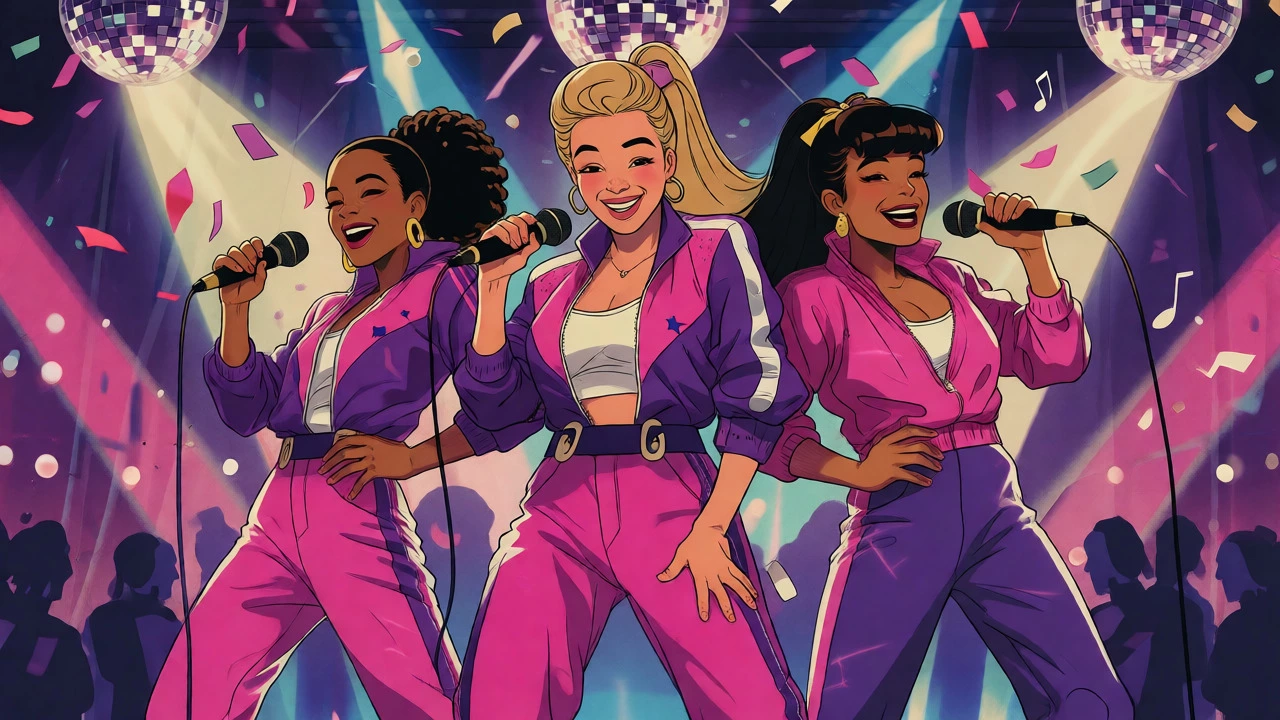
While Shanté battled and Lyte crafted albums, Salt-N-Pepa took over the dance floor. Formed by Cheryl "Salt" James and Sandra "Pepa" Denton, later joined by DJ Spinderella, this trio offered a model of female empowerment rooted in joy, sexuality, and friendship. Their 1986 debut, "Hot, Cool & Vicious," introduced the world to "Push It," a track that transcended hip-hop to become a global club anthem.
Salt-N-Pepa normalized women’s voices in mainstream media. They appeared on MTV when few black women did, and their lyrics addressed sexual autonomy with a confidence that was rare for the time. Tracks like "Let's Talk About Sex" and "Shoop" weren't just hits; they were cultural conversations. They showed that female rap could be commercially viable on a massive scale, selling multi-platinum records and headlining tours alongside male giants.
Their strategy was inclusive. While Shanté fought for respect in underground circles and Lyte demanded critical acclaim, Salt-N-Pepa invited everyone into the party. They made feminism accessible, showing that you could be independent, sexually confident, and commercially successful all at once.
Three Paths to Power: A Comparison
These three artists represent distinct strategies for navigating a sexist industry. Understanding their differences helps explain why they remain relevant today.
| Artist | Primary Strategy | Key Achievement | Cultural Legacy |
|---|---|---|---|
| Roxanne Shanté | Battle Rap & Street Credibility | Sparked the first major hip-hop beef (Roxanne Wars) | Proved women could dominate competitive rap |
| MC Lyte | Technical Skill & Conscious Lyrics | First solo female rap album; First female gold rap single | Established women as serious lyricists and album artists |
| Salt-N-Pepa | Pop Crossover & Group Dynamics | Multi-platinum sales; MTV dominance | Normalized female presence in mainstream pop culture |
Why Their Stories Still Matter
It’s easy to look at today’s charts, where female rappers like Megan Thee Stallion and Doja Cat hold court, and forget the barriers these pioneers faced. In the 1980s, being a woman in hip-hop meant constantly proving your worth. Roxanne Shanté had to fight off dozens of male challengers. MC Lyte had to prove she wasn't a gimmick. Salt-N-Pepa had to navigate labels that didn't know how to market black women.
Their legacy isn't just about hits; it's about access. They opened doors that stayed open. When Roxanne Shanté received the Grammy Lifetime Achievement Award in 2025, it wasn't just a personal honor; it was an institutional acknowledgment of her role in founding the genre. When we hear modern female MCs assert their independence, we are hearing echoes of Shanté’s aggression, Lyte’s precision, and Salt-N-Pepa’s confidence.
So, next time you press play on a female rap track, remember the three women who built the foundation. They didn't wait for permission. They took it.
Who was the first female rapper to have a solo album?
MC Lyte is widely credited with releasing the first full-length solo studio album by a female rapper with "Lyte as a Rock" in 1988. While other female artists had released singles or contributed to compilations, Lyte’s album demonstrated that a woman could carry a full project commercially and critically.
What were the Roxanne Wars?
The Roxanne Wars were a series of diss records exchanged between rappers in the mid-1980s, triggered by Roxanne Shanté’s "Roxanne’s Revenge." After U.T.F.O. released "Roxanne, Roxanne," Shanté responded with a hit diss track. Over 100 other artists then released their own versions, creating the first major feud in hip-hop history and establishing Shanté as a central figure.
Did Salt-N-Pepa write their own songs?
Yes, Salt-N-Pepa wrote many of their own lyrics and developed their unique call-and-response style. While they worked with producers and writers early in their careers, they maintained creative control over their image and message, particularly regarding themes of female independence and sexual autonomy, which became their trademark.
How did MC Lyte influence later female rappers?
MC Lyte influenced later female rappers by proving that women could be technically proficient lyricists who tackle serious social issues. Her success with gold certifications and Grammy nominations validated female rap as a commercially viable and respected art form, paving the way for artists like Queen Latifah, Lauryn Hill, and Nicki Minaj to pursue diverse styles without sacrificing credibility.
Why is Roxanne Shanté considered a pioneer?
Roxanne Shanté is considered a pioneer because she was the first female solo rapper to achieve significant commercial success and cultural visibility through battle rap. Her ability to defeat male opponents in lyrical combat challenged gender norms in hip-hop and inspired generations of female MCs to enter the genre with confidence and aggression.


