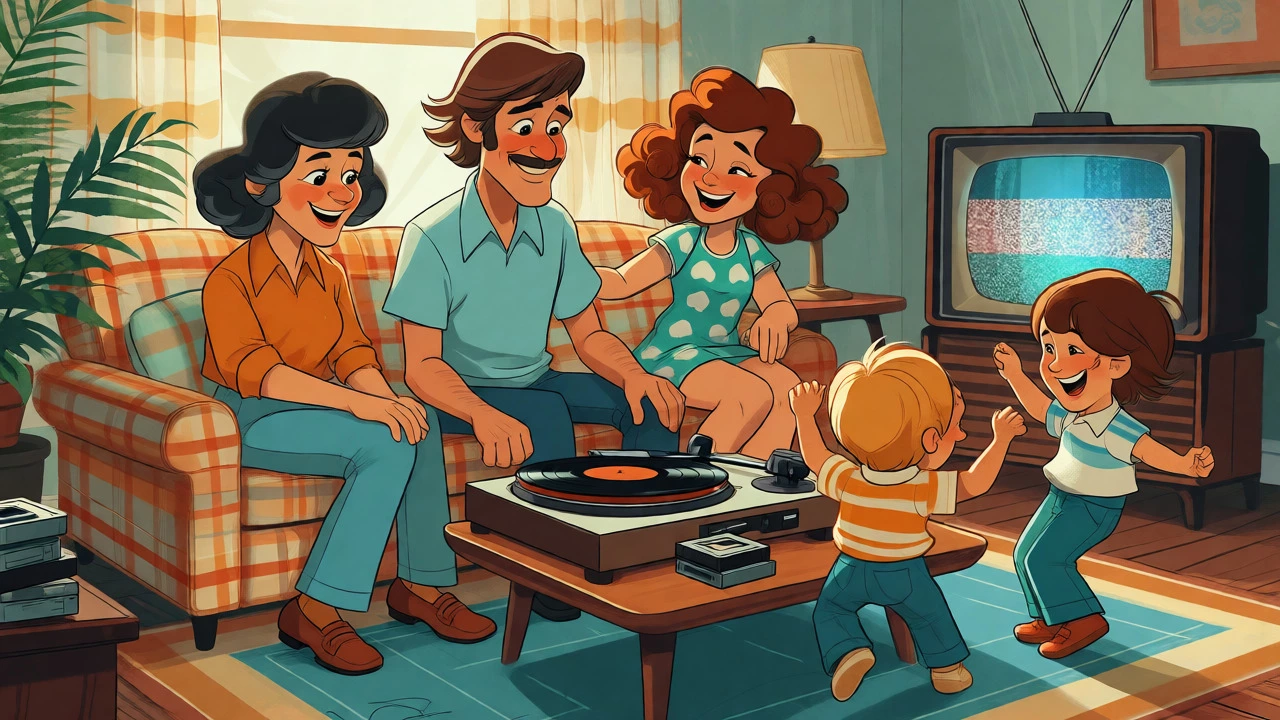

Ever noticed how your teenager suddenly loves a song you haven't heard since high school? It’s not an accident. It’s the power of the family soundtrack. For parents who came of age in the 1980s, that decade wasn’t just a time period; it was the backdrop to their formative years. Now, those same parents are introducing artists like Madonna, Depeche Mode, and Michael Jackson to children born decades later. But does this actually work? Can you really pass down musical taste across generations, or is it just background noise?
The short answer is yes, but with caveats. Research suggests that what plays in your living room matters more than what you tell your kids to listen to. This isn’t about forcing a playlist; it’s about shared experience. Let’s look at how 1980s music travels from your cassette tapes (or Spotify playlists) to your child’s headphones, and why some songs stick while others get skipped.
Why the 1980s Still Hit Different
There is a reason we call this the "reminiscence bump." Psychologists have found that people feel a stronger emotional connection to music they heard during their late teens and early twenties. For Gen X and older Millennials, that window is roughly 1980-1989. When you play Michael Jackson's "Thriller," released in 1982, you aren't just hearing a pop song. You’re accessing a memory bank tied to your own identity.
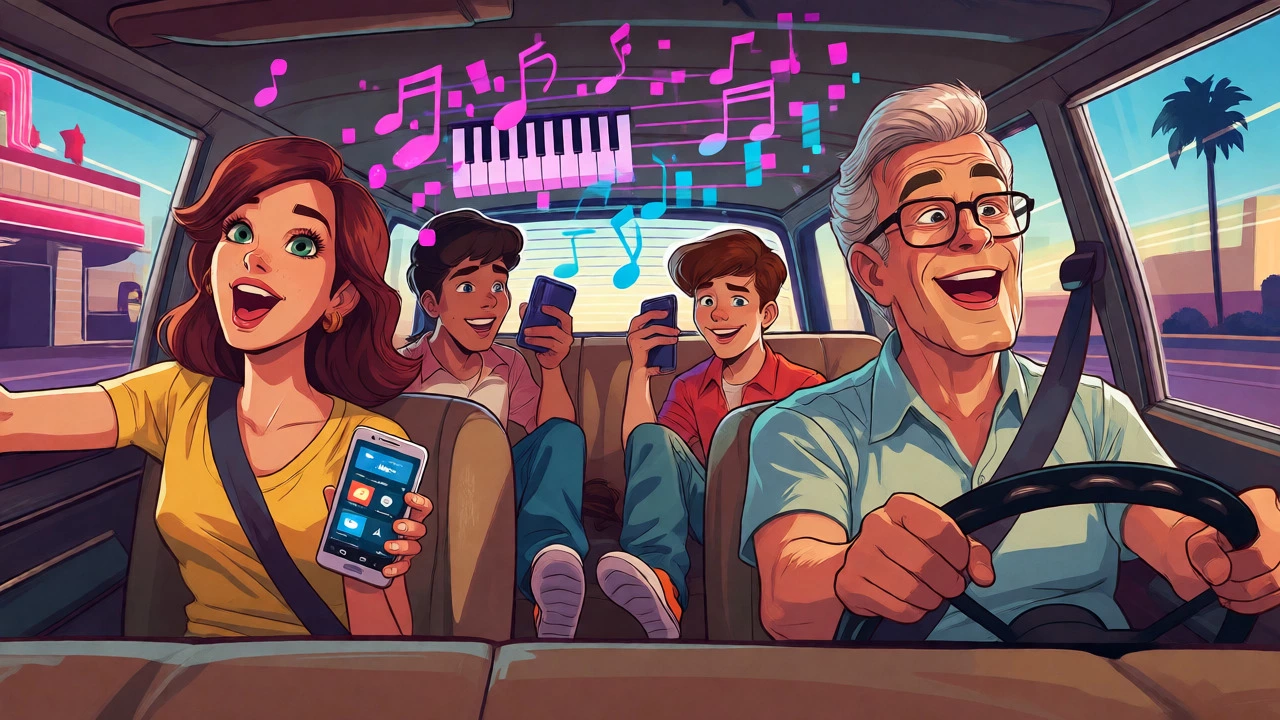
But here’s the twist for your kids: they don’t have those memories yet. So why do they care? A study published in Social Forces by Tom F. ter Bogt in 2011 showed that parents’ preferences directly predict their children’s tastes. If you love rock, your daughter is statistically likely to enjoy rock. If you lean into pop, your son might too. The music becomes part of the family fabric, woven into car rides, Sunday mornings, and holiday dinners. It’s less about the era and more about the association with safety and familiarity.
Impregnation vs. Inculcation: How Taste Transfers
Not all exposure is created equal. Sociologists distinguish between two types of transmission: "impregnation" and "inculcation." Think of impregnation as ambient soaking. It happens when you leave the radio on while cooking, or when you sing along to Madonna's debut album while folding laundry. No one is lecturing anyone. The music is just there, becoming part of the household soundscape.
Inculcation is different. That’s when you say, "You need to hear this because it’s important," or force a documentary about synth-pop on a reluctant teen. Research indicates impregnation is far more effective. Children absorb what they hear repeatedly without resistance. One Reddit user noted that their kids hated music forced upon them but loved everything the parent played for themselves. Authenticity wins. If you genuinely enjoy the driving beat of Depeche Mode, let that joy show. Your enthusiasm is contagious; your lecture is not.
The Role of Technology and Media
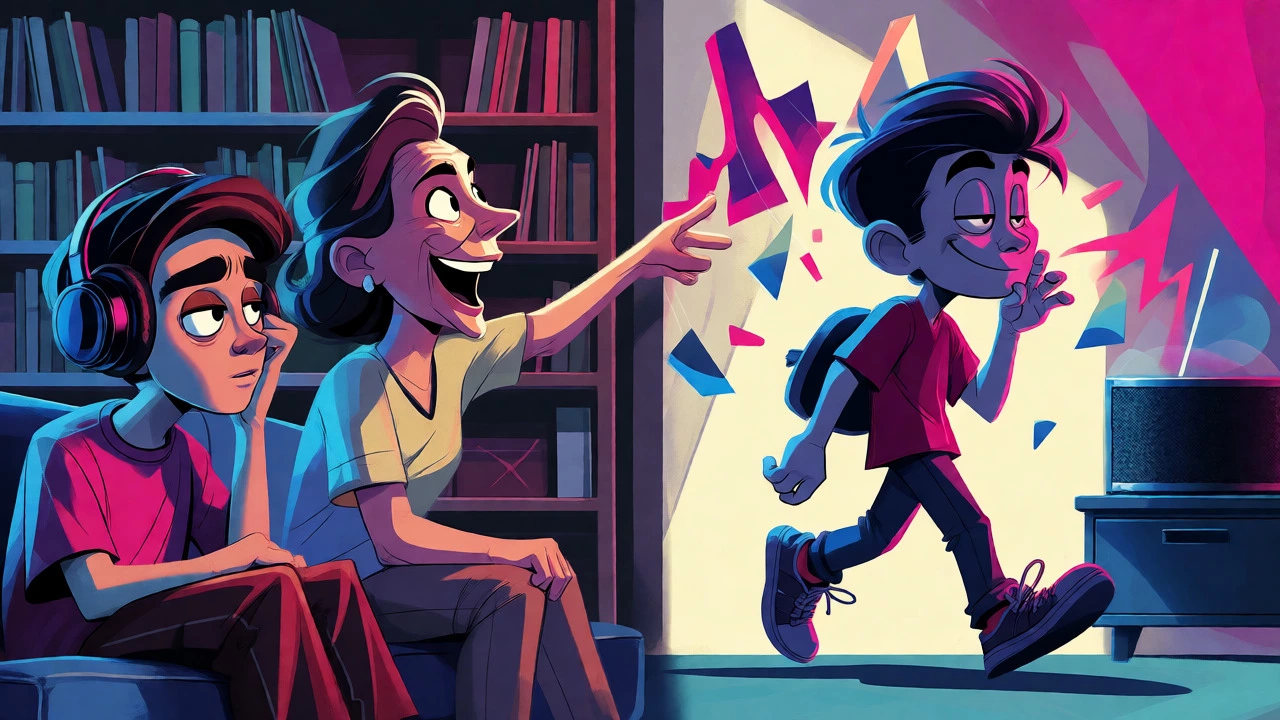
You can’t talk about passing down music without talking about devices. The way we listen has changed, but the core dynamic remains. In the 80s, you had Walkmans and MTV. Today, you have smart speakers and streaming algorithms. Interestingly, these technologies can reinforce or disrupt family soundtracks.
Physical media like vinyl records has seen a massive resurgence, partly driven by parents wanting to share tactile experiences. A record player requires attention-you have to flip the side. This ritual creates a shared moment that skipping tracks on Spotify doesn’t always provide. Conversely, streaming platforms use algorithms that learn from household accounts. If you frequently play 80s hits, the algorithm starts suggesting similar tracks to everyone on the account, effectively automating the introduction of new-to-them classics.
Then there’s pop culture. Shows like Stranger Things and movies like Guardians of the Galaxy have reintroduced 80s tracks to younger audiences independently of their parents. When a child hears Kate Bush’s "Running Up That Hill" in a Netflix series, they might seek out the artist on their own. Parents can then leverage this interest, saying, "Oh, you like that? Here’s the full album." It turns passive consumption into active exploration.
| Method | Description | Effectiveness | Best For |
|---|---|---|---|
| Ambient Play (Impregnation) | Background music during daily chores/driving | High (Passive absorption) | Young children & toddlers |
| Active Curation (Inculcation) | Explicitly recommending specific albums | Medium (Can feel forced) | Teens seeking depth |
| Shared Rituals | Vinyl nights, road trips, concerts | Very High (Emotional bonding) | All ages |
| Media Sync | Exposure via TV shows/games | Variable (Depends on interest) | Pre-teens & Teens |
Negotiating Taste: It’s Not Always Smooth Sailing
Let’s be real: sometimes your kid hates your favorite band. And that’s okay. Musical taste is also a tool for identity formation. Teens often define themselves against their parents. If you love hair metal, they might gravitate toward lo-fi hip-hop just to differentiate. Studies show that conflict in the parent-child relationship can weaken the transmission of certain genres. If every conversation about music turns into a debate, the music itself gets tainted.
The key is flexibility. Don’t insist that 1980s music is superior. Instead, treat it as one flavor among many. A healthy family soundtrack is eclectic. It mixes a track from Cyndi Lauper with current viral TikTok songs. This hybrid approach prevents the "dad rock" stigma. When children see that you respect their tastes, they become more open to yours. It’s a two-way street. Many parents report that their kids introduced them to new artists, expanding their own playlists in return.
Practical Strategies for Building the Playlist
If you want to foster a genuine appreciation for 80s music, try these concrete steps:
- Start Early and Often: Exposure from birth to age five sets the foundation. Singing lullabies or playing upbeat tracks during playtime embeds melodies before language skills develop.
- Use Visuals: The 80s were visually distinct. Watch music videos together. The aesthetics of MTV-era production can captivate visual learners who might ignore audio-only streams.
- Connect to Memories: Share stories. Explain where you were when you first heard Prince. Personal narratives make abstract art relatable.
- Attend Live Events: Take them to tribute bands or retro festivals. Seeing a crowd dance to "Livin' on a Prayer" demonstrates cultural relevance better than any studio recording.
- Respect Their Autonomy: Let them skip. If they dislike a song, move on. Forcing engagement breeds resentment. Keep the vibe light and fun.
The Future of Family Soundtracks
As we move further away from the 1980s, will this music remain relevant? Likely, yes. The aesthetic of the 80s-neon colors, synthesizers, drum machines-has permeated modern pop, indie, and even hip-hop. Artists today constantly sample or emulate 80s sounds. This means the barrier to entry for young listeners is lower than it was for 50s jazz or 60s blues. The sonic landscape feels familiar.
However, the definition of a "family soundtrack" is evolving. It’s no longer just about the parents’ youth. It’s about co-creation. Digital tools allow families to build collaborative playlists, mixing decades seamlessly. The goal isn’t to replicate your childhood exactly, but to create a shared language through sound. Whether it’s a synth-pop anthem or a grunge hit, the value lies in the connection forged when the needle drops.
Does playing 80s music really influence my child's taste?
Yes, research confirms that parental preferences significantly predict adolescent musical tastes. Ambient exposure, known as "impregnation," is particularly effective in embedding these preferences subconsciously over time.
What if my child hates the music I grew up with?
This is normal and often a sign of healthy identity development. Avoid forcing the music. Instead, maintain an eclectic household playlist that includes their favorites alongside yours, fostering mutual respect rather than conflict.
How does streaming affect passing down music?
Streaming algorithms can both help and hinder. They may recommend similar tracks based on your listening history, aiding discovery. However, they can also create echo chambers. Active curation and shared listening rituals remain crucial to ensure meaningful transmission.
Is vinyl better than digital for sharing music?
Vinyl offers a tactile, ritualistic experience that encourages focused listening and conversation. Digital provides convenience and access. Both are effective; the choice depends on whether you prioritize the ceremony of listening or the ease of access.
Which 80s artists are best for introducing to kids?
Artists with strong melodies and clear production values often resonate most. Consider starting with Michael Jackson, Madonna, The Police, or Prince. These artists offer diverse styles within the era and have maintained high cultural visibility through modern media.