

Imagine you’re a music journalist in Austin. You’ve spent three years cultivating a relationship with a major label executive. They give you the scoop on every signing, invite you to private listening parties, and cover your travel for festival interviews. Then, they drop an album that is objectively mediocre, or worse, they sign a deal that hurts independent artists. Do you write the hard truth? Or do you soften the blow because you know this executive holds the keys to the next big story?
This dilemma is the heart of access journalism. It’s not just about getting close to sources; it’s about what happens when maintaining that closeness starts to interfere with telling the truth. In an era where newsrooms are shrinking and social media lets celebrities bypass reporters entirely, the line between professional networking and ethical compromise has never been blurrier. Whether you’re covering pop stars, tech CEOs, or political figures, understanding the mechanics of access is crucial for preserving your credibility.
The Core Tension: Why We Need Sources Who Want Us Gone
Journalism relies on a strange paradox. Reporters need sources to get information, but those same sources-politicians, corporations, publicists-often want to control how that information reaches the public. Editor & Publisher defines access journalism as reporting where "landing a source" becomes more valuable than the actual information obtained from them. When the fear of losing access dictates what gets written, truth-telling takes a back seat.
This isn’t a new problem. Beat reporting has always depended on officials and organizations. But today, the stakes are higher. With 24-hour news cycles and intense competition for exclusives, journalists are under immense pressure to be first. This structural dependency creates a power imbalance. A 2024 study of political journalists found that reporters often adjust their behavior based on whether they have social relationships with their sources. If you grab coffee with a source regularly, you might unconsciously avoid asking the tough questions that could end the friendship-and the access.
The Perk Economy: Gifts, Travel, and the Price of Free Lunches
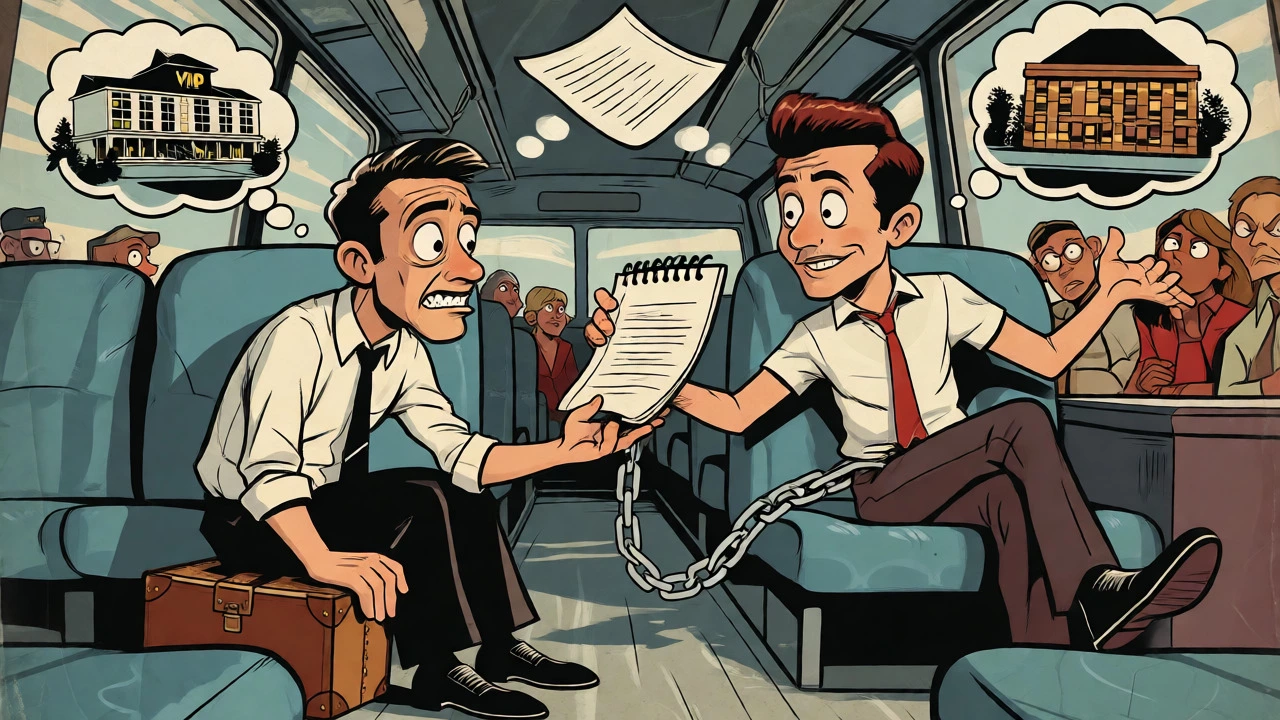
In the music industry, "perks" are currency. Free tickets, hotel stays, VIP lounges, and expensive dinners aren’t just nice extras; they can subtly shift your perspective. The Society of Professional Journalists (SPJ) Code of Ethics is clear: refuse gifts, favors, and free travel if they compromise integrity. Yet, the reality is messier. Freelancers often lack the budget for international festivals, leading some to accept sponsored trips. Is that a bribe? Not necessarily. But it creates a debt of gratitude.
Major outlets have strict rules. Reuters states that journalists should pay their own travel unless unavoidable, requiring manager approval for exceptions like military flights or remote famine coverage. The New York Times prohibits staff from accepting any inducements from people they cover. NPR goes further, suggesting significant unsolicited gifts be returned or donated. These policies exist because even if you remain unbiased, your audience might doubt you. As one ethics adviser noted, an unbiased report loses credibility if the reporter accepts a gift, regardless of intent.
| Organization | General Rule | Exceptions | Disclosure Requirement |
|---|---|---|---|
| Reuters | Journalists pay their own way | Remote locations, war zones, unavoidable logistics | Managerial approval required; disclosed if material |
| NPR | No paying for info; no source-paid expenses | Educational speaking engagements (with approval) | Return/donate significant gifts; disclose conflicts |
| The New York Times | No gifts, discounts, or benefits from covered entities | Negligible de minimis items (varies by local policy) | Strict prohibition; internal documentation |
| BBC | Paid services preferred; no business advantage | Standard conference hospitality available to all | Prohibited if potential bias exists |
Beyond Money: The Psychological Cost of Embedding
Access isn’t just about money; it’s about immersion. Consider the concept of "embedding," famously used in war reporting but applicable anywhere a journalist lives with their subject. During the 2003 Iraq invasion, Pew Research found that 85% of surveyed journalists embedded with troops. While many felt it gave unique access, scholars noted that reporters began to adopt military logic and empathize deeply with soldiers, sometimes at the expense of broader context.
In music journalism, this looks like spending weeks on tour with a band. You see their struggles, their late nights, their camaraderie. You start to view the world through their lens. This "empathy gap" can lead to uncritical repetition of official narratives. If a label controls the interview schedule, who do you talk to? Usually, the spokespersons, not the critics or the fans who feel alienated by the artist’s recent moves. This results in homogenized coverage that reflects elite assumptions rather than ground-level reality.
Digital Disruption: When Sources Bypass You
Historically, journalists were gatekeepers. Today, that role is eroding. Oxford Academic research highlights that digital platforms allow sources to communicate directly with audiences, weakening traditional media control. A celebrity can drop an album announcement on Instagram before calling a reporter. A politician can hold a town hall on YouTube without inviting the press corps.
This shift changes the leverage dynamic. If a source knows they can reach millions without you, they have less reason to tolerate uncomfortable questions. Conversely, journalists face a crisis of relevance. To stay competitive, newsrooms demand speed and exclusivity, which often rewards access over depth. A Muck Rack survey in 2024 showed that nearly one-third of journalists worry about funding and trust. Understaffed newsrooms rely heavily on press releases and accessible PR contacts because there’s no time to chase alternative sources. This organizational pressure exacerbates individual ethical dilemmas.

Preserving Integrity: Practical Rules for Modern Reporters
So, how do you navigate this minefield? ProPublica offers a solid framework: maintain relationships, be transparent, and remember that editors-not sources-decide the story. Here are concrete steps to protect your integrity:
- Pay Your Own Way: Whenever possible, cover your own travel and meals. If you must accept sponsorship, get editor approval and document it.
- The Write-Around Strategy: Never let a source dictate the story. If a key figure refuses an interview, find other sources. Editor & Publisher recommends writing around closed doors rather than waiting for permission.
- Disclose Material Benefits: Transparency isn’t a cure-all, but it helps. If a label paid for your flight, say so in the article. Let readers judge the potential bias.
- Separate Background from On-the-Record: Be clear about what information is for context and what can be published. Don’t let informal chats blur into agreed-upon narratives.
- Diversify Your Sources: Actively seek out voices outside the inner circle. Talk to competitors, critics, and everyday consumers, not just the PR team.
Remember, losing a source isn’t fatal. Stories can be reconstructed from public records, alternative interviews, and existing data. The greater risk is losing your reputation. Once readers suspect you’re trading coverage for access, regaining trust is incredibly difficult.
The Future of Access: Transparency as the New Standard
As we move deeper into 2026, the definition of ethics continues to evolve. There is no universal ban on perks, nor will access disappear. Instead, successful journalism will depend on rigorous transparency. Newsrooms need to publish their gift policies, audit source diversity, and budget for independent reporting. Editors must reward reporters who take risks, not just those who land scoops.
For the individual journalist, the rule of thumb is simple: ask yourself if the benefit would embarrass you if disclosed. If the answer is yes, decline it. Access is a tool, not a master. It serves the public only when your obligation to verifiable truth outweighs your desire to keep the phone ringing.
Is accepting free concert tickets unethical for a music journalist?
It depends on the outlet's policy and the context. Generally, if the ticket is necessary to review the performance and is available to all accredited press, it is acceptable. However, if it includes luxury upgrades, backstage access conditioned on favorable coverage, or personal leisure value beyond the job, it may compromise integrity. Always check your specific newsroom guidelines and disclose if in doubt.
What is the "write-around" strategy in journalism?
A write-around is a technique used when a primary source refuses to speak. Instead of killing the story, the journalist gathers information from secondary sources, documents, public records, and other stakeholders to construct the narrative without the uncooperative party. This preserves editorial independence and prevents sources from holding a monopoly on the story.
How does digital media change the ethics of access?
Digital platforms allow sources to bypass journalists entirely via social media, reducing the journalist's leverage. This forces reporters to compete harder for attention, often prioritizing speed and exclusivity over depth. Additionally, the ease of sharing content means biases spread faster, making transparency about sources and funding more critical for maintaining audience trust.
Can freelancers afford to follow strict no-perk policies?
Freelancers often face tighter budgets, making strict adherence difficult. Many ethics guides suggest a pragmatic approach: disclose all received benefits clearly to the reader. Some advise splitting costs with the host or accepting only essential logistical support (like a bus pass) while paying for meals and lodging independently whenever possible.
Does disclosure fix the problem of access journalism?
Disclosure informs the audience but doesn't eliminate bias. If a journalist has developed a psychological dependence on a source, simply stating "travel provided by X" doesn't remove the unconscious tendency to soften criticism. Disclosure is a necessary step for transparency, but true integrity requires active effort to seek diverse perspectives and challenge the dominant narrative.