
Did you ever wonder why a band from Birmingham ended up defining the visual language of global pop culture? It wasn’t just the synthesizers. It was the suits. When Duran Duran emerged in the early 1980s, they didn’t just release songs; they engineered a complete aesthetic system. They combined high-fashion tailoring with cinematic storytelling to create a brand that felt both aspirational and slightly absurd. This wasn’t accidental. It was a coordinated effort involving designers, directors, and the nascent power of MTV.
The result was a look that dominated magazines and television screens for years. But beneath the pastel silks and tropical backdrops lay a deliberate strategy. The band understood that in the age of video, clothing was as important as melody. Let’s unpack how five guys from England turned tailored jackets into cultural weapons.
The Architects of the Look
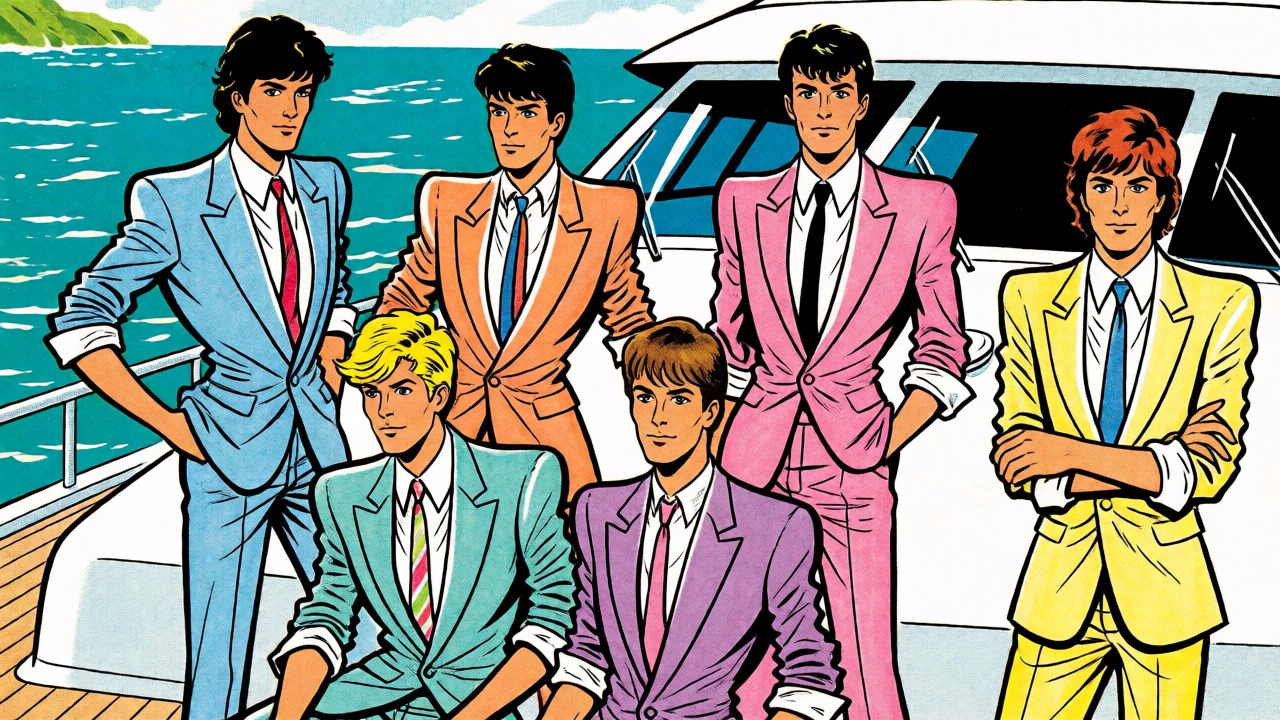
You can’t talk about this era without naming Antony Price. He wasn’t just a tailor; he was the architect of the band’s silhouette. Price created the sculptural, theatrical suits that became their uniform. Nick Rhodes, the band’s keyboardist and visual mastermind, famously stated that all their early suits were by Price. These weren’t standard business clothes. They featured narrow waists, strong shoulders, and vivid colors that demanded attention.
But it wasn’t just Price. The members actively curated their own image, pulling influences from Japanese avant-garde designers like Yohji Yamamoto and Issey Miyake, alongside European power dressers like Jean Paul Gaultier. They mixed British tradition with continental flamboyance. One specific detail tells you everything about their approach: rolling up sleeves. Initially, Price hated it. He saw it as sloppy. But the band persisted, arguing it looked more relaxed and youthful. Eventually, even Price accepted it as "a new look." That small rebellion against formal rigidity defined their entire vibe-polished enough for royalty, messy enough for rock stars.
Rio: The Ultimate Fantasy Package
If there is one artifact that defines this period, it’s the "Rio" music video. Released in 1982, it wasn’t just a clip; it was a short film about wealth, leisure, and male beauty. Filmed off the coast of Antigua, it featured the band on a 70-foot yacht, wearing those iconic pastel silk suits. The imagery was pure fantasy. Simon Le Bon later admitted it was "total fantasy," noting that nobody actually wears a silk suit on a boat with a painted woman in real life.
This self-awareness is crucial. The video didn’t try to document reality. It sold an exaggerated dream. The yacht wasn’t a mode of transport; it was a symbol of mobility and international glamour. The bright pinks and blues of the costumes clashed beautifully with the Caribbean sea, creating a visual pop that translated perfectly to the low-resolution screens of early MTV. The cameraman worked from the mast without a harness, getting splashed with seawater while the band posed in expensive tailoring. This contrast-luxury subjected to physical risk-made the fashion feel kinetic and alive, not static.
Hungry Like the Wolf: Adventure as Aesthetic
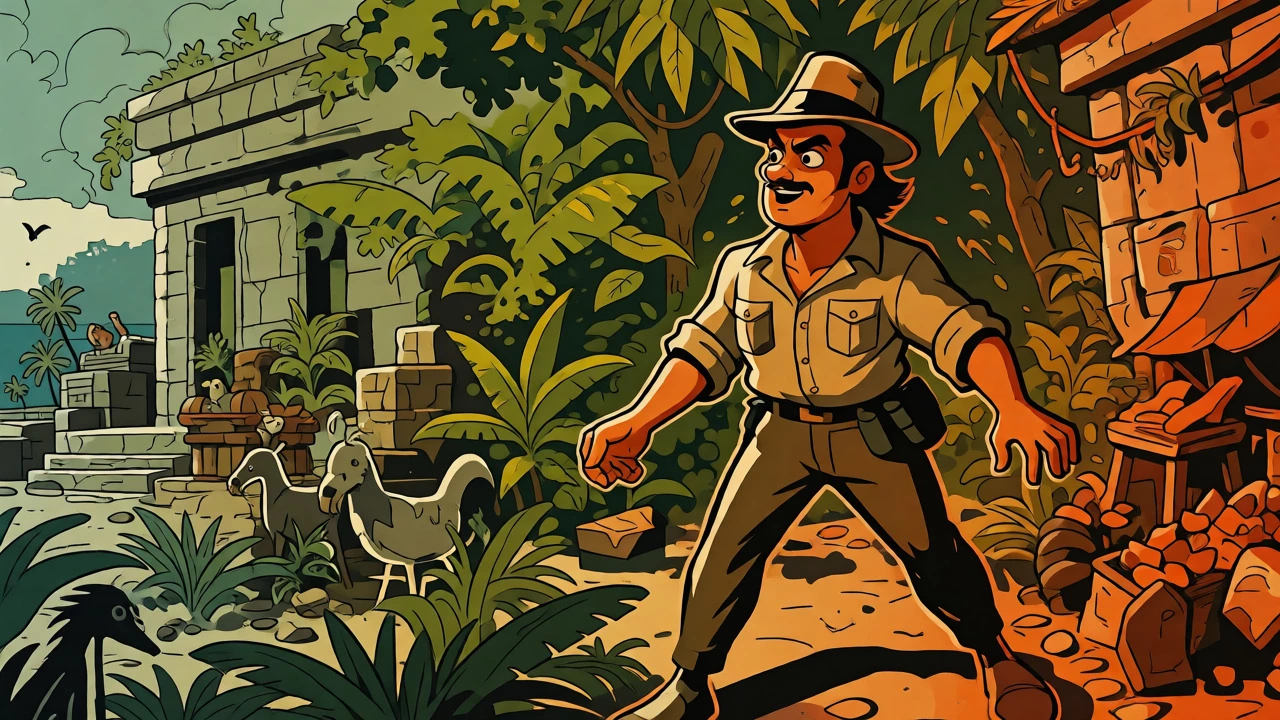
While "Rio" focused on leisure, "Hungry Like the Wolf" shifted the narrative to adventure. Directed by Russell Mulcahy, who treated music videos like "mini movies," the clip drew heavily from James Bond films and Raiders of the Lost Ark. Filmed in Sri Lanka, it cost EMI around $200,000-a massive sum at the time.
The styling here changed. Gone were the strict yacht suits. In their place were hats, practical separates, and travel wear that supported a jungle-and-market storyline. Yet, the core identity remained. The hair was still constructed, the makeup still present, and the attitude still cool. There’s a funny anecdote about Simon Le Bon’s hat in the video. His hair had turned orange after a failed highlighting attempt right before filming, so the hat was a cover-up. It’s a reminder that behind the polished surface, these were real people dealing with real mishaps, but they packaged it seamlessly into the myth.
Gender Fluidity and the Male Star
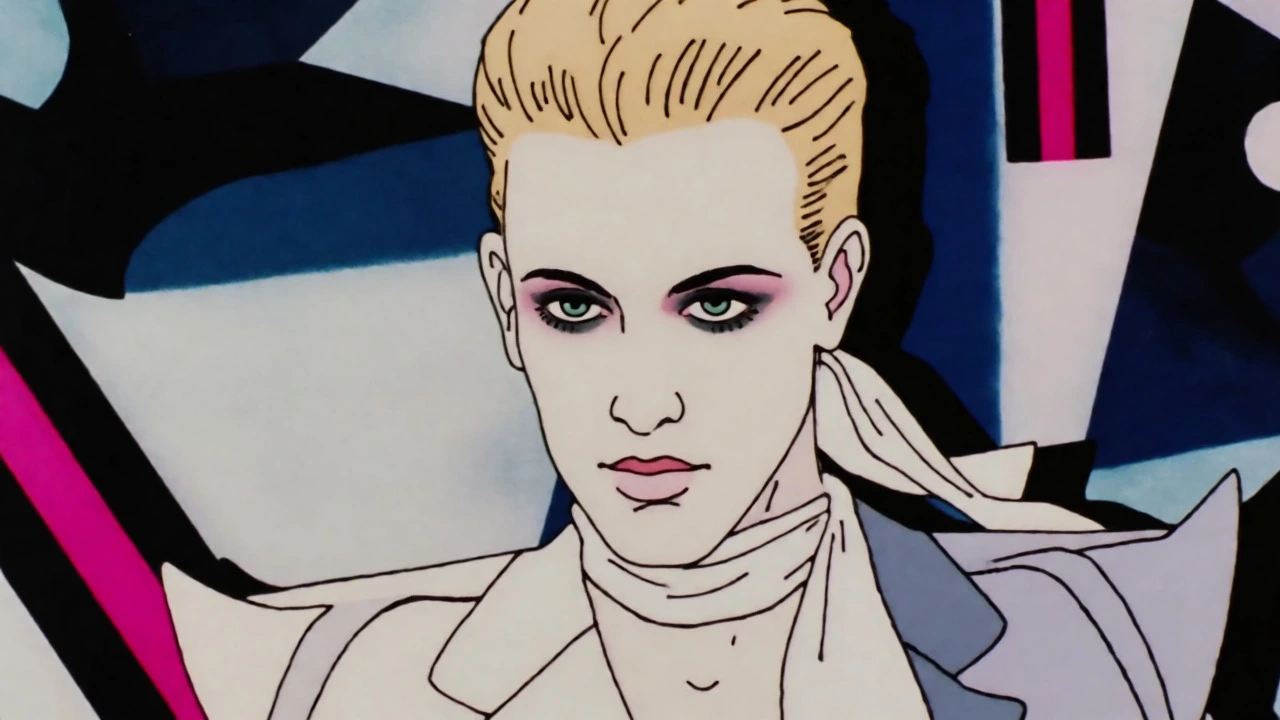
Duran Duran challenged what a rock star should look like. Before them, male musicians often adhered to rugged or understated norms. Nick Rhodes wore makeup, styled his hair meticulously, and presented an artifice that embraced futurism. John Taylor brought a sex-symbol appeal that blended tailored glamour with raw energy. The band functioned as a designed ensemble, where each member played a specific role in the visual hierarchy.
This gender ambiguity was strategic. It allowed them to access fashion markets that traditional rock bands ignored. They weren’t afraid to look pretty. In fact, looking pretty was part of the power move. By combining masculine tailoring with feminine touches like scarves and delicate fabrics, they expanded the definition of male attractiveness. This influenced countless imitators in the 1980s and beyond, paving the way for the metrosexual aesthetics of the late 90s and 2000s.
| Element | Function | Example |
|---|---|---|
| Antony Price Suits | Status & Silhouette | Pastel silk suits in "Rio" |
| Tropical Locations | Fantasy Geography | Antigua yacht, Sri Lankan jungles |
| Makeup & Hair | Gender Fluidity | Nick Rhodes’ pale face and styled hair |
| Cinematic Direction | Narrative Momentum | Mulcahy’s Bond-inspired angles |
The Legacy of Aspirational Absurdity
Critics have debated whether this style was sincere aspiration or ironic parody. The truth lies somewhere in between. The videos were commercially effective because they made complex ideas about wealth, sexuality, and travel visually legible in under four minutes. They normalized luxury as a backdrop for pop music. At the same time, the exaggeration-the too-bright colors, the too-perfect models-kept it from feeling stuffy.
This code remains influential. Designers like Balenciaga have explicitly cited Duran Duran’s vibrant power-shouldered suits and yacht imagery as inspiration for modern menswear collections. The idea that a pop record is a total visual experience, rather than just audio, started here. When you see a modern artist spending millions on a location shoot with custom couture, you’re seeing the blueprint Duran Duran drew in 1982.
They proved that fashion could be a narrative tool. The suit wasn’t just clothing; it was a character. The yacht wasn’t just a boat; it was a stage set. And the video wasn’t just promotion; it was art. This holistic approach transformed them from a local band into global icons, proving that in the MTV era, looking good was half the battle.
Who designed Duran Duran's famous 1980s suits?
The primary designer was Antony Price, known for his sculptural and theatrical tailoring. He created the pastel silk suits seen in the "Rio" video and album artwork. While the band also incorporated pieces from designers like Yohji Yamamoto and Giorgio Armani, Price provided the defining silhouette of their early career.
Why did Duran Duran roll up their sleeves?
Rolling up sleeves was a deliberate choice to soften the formality of their tailored suits. Although designer Antony Price initially disliked the practice, viewing it as sloppy, the band insisted on it to convey a sense of youth, movement, and relaxed confidence. It eventually became a signature trend of the era.
What was the budget for the "Hungry Like the Wolf" video?
EMI reportedly spent approximately $200,000 to send the band to Sri Lanka for the filming of "Hungry Like the Wolf." This was a significant investment for a music video at the time, reflecting the label's belief in the power of high-production-value visuals on the newly launched MTV channel.
Was the "Rio" video meant to represent real life?
No, it was intentionally unrealistic. Frontman Simon Le Bon described the video as "total fantasy." The combination of expensive silk suits, a luxury yacht, and exotic locations was an exaggerated projection of wealth and leisure, designed to be aspirational and visually striking rather than documentary.
How did Duran Duran influence modern fashion?
Their blend of sharp tailoring, gender-fluid styling, and cinematic presentation continues to inspire contemporary designers. Recent collections, such as Balenciaga's Spring/Summer 2020 menswear, have directly referenced the band's power-shouldered suits and tropical aesthetics, cementing their status as enduring style icons.