
You probably know the name. You’ve heard the voice. But do you realize that the track playing in your headphones right now, with its relentless synthetic pulse, owes a massive debt to a woman who sang about love over a Moog synthesizer in 1977? Donna Summer wasn’t just the face of disco; she was the bridge between the organic soul of the 1960s and the digital future of club culture. While critics often dismiss disco as a fleeting fad, Summer’s collaboration with producer Giorgio Moroder created a sonic blueprint that didn't just dominate the charts-it invented the vocabulary of modern electronic dance music.
If you think disco ended when the 1970s did, you’re missing half the story. Summer’s work transcended the genre. She took the raw energy of gospel, the polish of pop, and the cold precision of early synthesizers, blending them into something entirely new. This article breaks down how a Boston church choir singer became the most important female vocalist in electronic music history, why "I Feel Love" changed everything, and what her legacy means for producers today.
From Gospel Choirs to Munich Studios
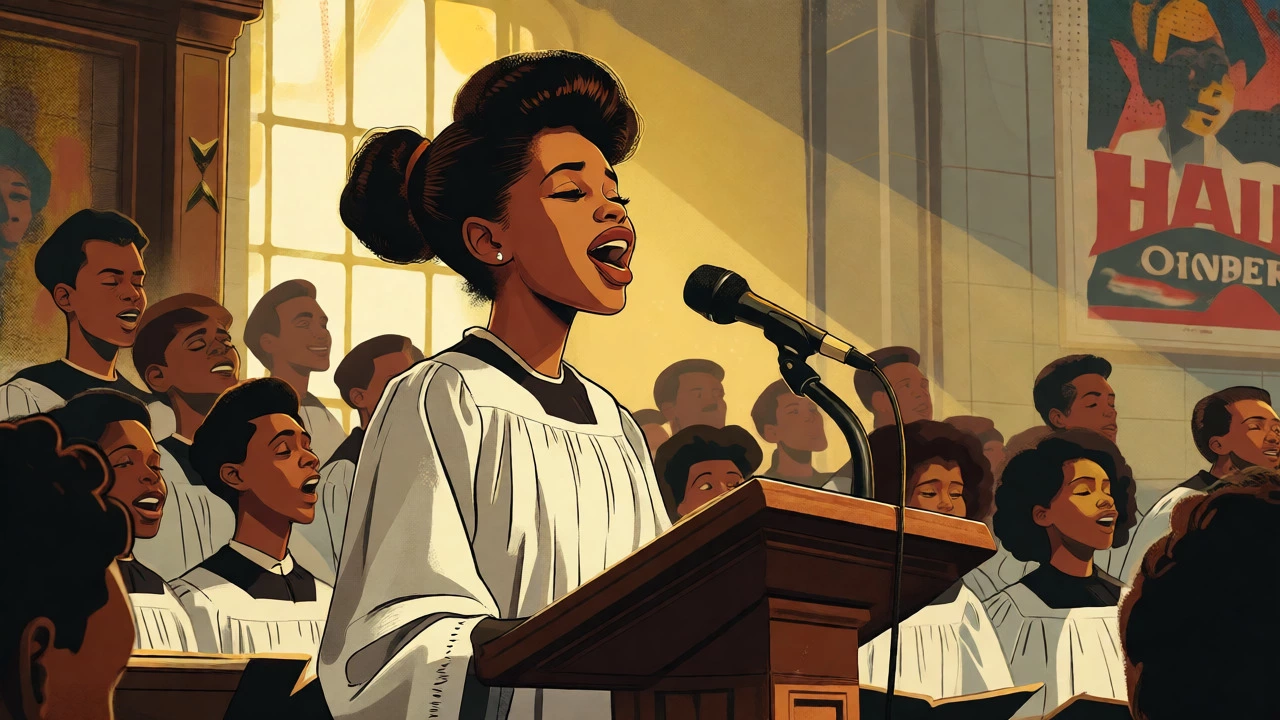
Before the sequencers, there was the church. Born LaDonna Adrian Gaines on December 31, 1948, in Boston, Summer grew up singing in gospel choirs. That background gave her a vocal power and emotional range that few pop stars could match. But the American music scene of the late 1960s felt restrictive to her. So, in 1968, she joined the European touring cast of the musical "Hair." It was a gamble that paid off. By relocating to Germany, she inserted herself into the heart of Munich’s emerging studio scene.
This move is critical to understanding her sound. In Munich, she met Pete Bellotte, an English lyricist and producer, and Giorgio Moroder, an Italian-born producer obsessed with technology. Their partnership wasn't just business; it was a creative fusion of Summer’s soulful delivery and their experimental production techniques. Her first solo single dropped in 1971, but it was the mid-70s where magic happened. The result was a catalog that included at least 14 Top 10 singles in the US and five Grammy Awards. She wasn't just riding the wave; she was building the boat.
The Anatomy of "Love to Love You Baby"
In 1975, Summer released "Love to Love You Baby." On paper, it was risky. It was long, sensual, and structured more like a journey than a standard three-minute pop song. Moroder produced it, but Summer’s performance defined it. The track featured extended vocal improvisations that mimicked intimacy, pushing the boundaries of radio playability. The 17-minute version became a template for the 12-inch maxi-single, a format that would later become essential for house and techno DJs.
Why does this matter? Because it shifted the focus from the songwriting structure to the experience of listening. Clubs loved it because it kept people moving. Radio stations hesitated, but eventually capitulated. This track earned her the title "Queen of Disco," a moniker cemented by her consistent string of hits like "Last Dance" and "On the Radio." But while these songs showcased her versatility, they were still rooted in traditional instrumentation. The real revolution was coming.
"I Feel Love": The Sound of Tomorrow
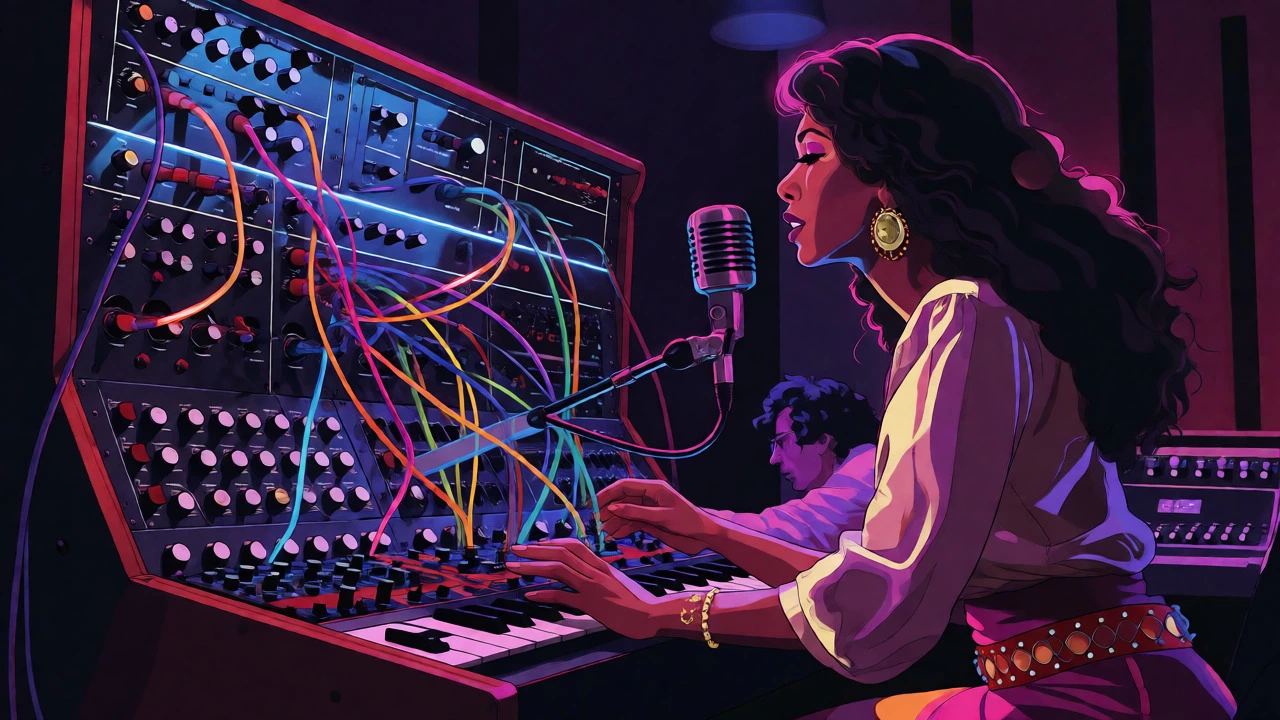
If you want to understand the birth of electronic dance music, listen to "I Feel Love." Released in 1977 on the concept album "I Remember Yesterday," this track was explicitly designed to represent "the future." Moroder and Bellotte made a radical decision: they removed all live drums and bass guitars. Instead, they used a Moog Modular synthesizer, operated by engineer Robbie Wedel. The result was a hypnotic, four-on-the-floor kick drum pattern locked to a metronomic grid, layered with arpeggiated synth lines that never resolved in traditional ways.
This wasn't just a gimmick. It was a structural innovation. The track relied on filter modulation and delay effects rather than chord changes or horn sections. Critics and producers alike cite this as the moment electronic textures moved from the avant-garde underground to the mainstream Top 40. Brian Eno famously told David Bowie after hearing it, "I heard 'I Feel Love' and realized we had to change our whole approach." It paved the way for Kraftwerk’s influence to cross the Atlantic and directly inspired the Chicago house and Detroit techno scenes of the 1980s.
Comparing the Innovators: Summer vs. Contemporaries
To grasp Summer’s unique position, compare her to other giants of the era. While artists like Gloria Gaynor delivered powerful disco anthems, their productions remained largely orchestral and band-driven. Summer, through Moroder, integrated technology as a core instrument, not just an accent. Here is how her key works stack up against the industry standards of the time:
| Track | Year | Production Technique | Legacy Impact |
|---|---|---|---|
| Love to Love You Baby | 1975 | Extended vocal loops, traditional rhythm section | Established the 12-inch maxi-single format |
| I Feel Love | 1977 | Fully synthesized (Moog), no live drums/bass | Blueprint for House and Techno |
| Hot Stuff | 1979 | Rock guitar riffs mixed with disco beat | Bridged Rock and Disco audiences |
| MacArthur Park | 1978 | Orchestral arrangement, dramatic dynamics | Showcased vocal range beyond dance floor |
The distinction is clear. Summer didn't just sing over beats; she helped design the beats. Her willingness to abandon traditional instruments allowed her to explore timbres that hadn't been heard in popular music before. This technical bravery set her apart from peers who relied on safe, familiar sounds.
Cultural Impact and LGBTQ+ Legacy
Disco wasn't just music; it was a social movement. And Summer was its queen. The New York Times noted her significant following within the LGBTQ+ community, which was the backbone of the disco scene in cities like New York and San Francisco. Her persona-glamorous, resilient, and emotionally open-resonated deeply with marginalized groups seeking visibility and joy. Tracks like "Last Dance" weren't just party starters; they were anthems of survival and celebration.
This cultural weight amplified her commercial success. She wasn't just a chart-topper; she was a symbol. Even after the "Disco Demolition Night" backlash of 1979, Summer adapted. She moved into rock, R&B, and even gospel, proving her artistry wasn't tied to a single trend. Her ability to pivot ensured her relevance well into the 1980s and beyond, unlike many one-hit wonders of the era.
Why Producers Still Study Her Work
For modern audio engineers and producers, Summer’s catalog is a masterclass in arrangement and synthesis. "I Feel Love" remains a staple in music production courses because it demonstrates how to create tension and release using only frequency modulation and rhythmic patterns. There are no complex chord progressions to hide behind. Every element serves the groove.
Moreover, her collaboration model offers lessons in artist-producer dynamics. Summer trusted Moroder’s vision but insisted on maintaining the human element in her vocals. This balance prevented the tracks from feeling robotic. Today’s EDM producers, who often struggle with the "coldness" of digital production, can learn from Summer’s technique of layering warm, soulful vocals over icy synthetic textures. It’s a recipe that hasn't aged a day.
Key Takeaways
- Dual Identity: Donna Summer is recognized as both the definitive "Queen of Disco" and a foundational architect of electronic dance music.
- Technical Breakthrough: "I Feel Love" (1977) was one of the first mainstream hits to use fully synthesized instrumentation, influencing house and techno.
- Commercial Dominance: She achieved 14 Top 10 US singles and won five Grammy Awards, spanning genres from disco to rock.
- Cultural Icon: Her strong connection to the LGBTQ+ community solidified disco’s status as a vehicle for social expression.
- Lasting Influence: Modern producers continue to study her work for lessons in balancing analog warmth with digital precision.
Why is Donna Summer called the Queen of Disco?
She earned the title due to her dominance of the disco charts in the late 1970s, particularly with hits like "Love to Love You Baby" and "Last Dance." Her consistent string of top-ten singles and her iconic stage presence defined the era's sound and aesthetic.
How did "I Feel Love" influence electronic music?
Released in 1977, "I Feel Love" was one of the first major pop songs to be constructed entirely on synthesizers, specifically the Moog Modular. It eliminated traditional drums and bass, replacing them with sequenced pulses. This approach directly influenced the development of house and techno music in the 1980s.
Did Donna Summer only sing disco?
No. While famous for disco, she successfully crossed over into rock with "Hot Stuff," performed torch songs like "MacArthur Park," and returned to her gospel roots later in her career. Her versatility allowed her to remain relevant long after the disco era ended.
Who was Donna Summer’s main collaborator?
Her most significant professional relationship was with producer Giorgio Moroder and lyricist Pete Bellotte. Together, they pioneered the Munich Sound, blending electronic production with soulful vocals. This trio created her biggest hits, including "I Feel Love" and "On the Radio."
What awards did Donna Summer win?
Summer won five Grammy Awards during her career. She was also inducted into the Hollywood Walk of Fame, the Dance Music Hall of Fame, and the National Rhythm & Blues Hall of Fame, recognizing her impact across multiple genres.