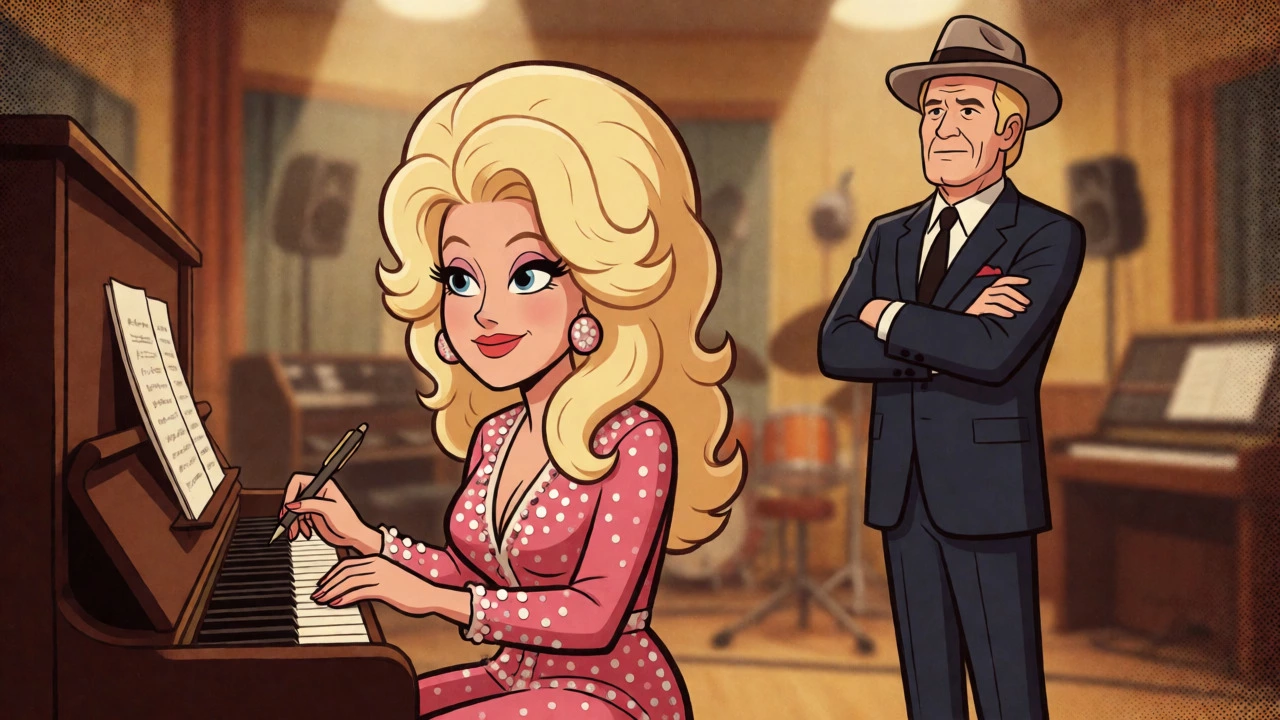

You might think Dolly Parton wrote "I Will Always Love You" about a lost lover. But here is the twist that changes everything: she wrote it as a professional breakup letter to her mentor, Porter Wagoner. In 1973, Dolly needed to leave his TV show to launch her solo career. She couldn’t just quit; she had to say goodbye with grace. So, she sat down and penned one of the most famous songs in history. This single act of creative diplomacy didn’t just end a partnership; it launched her into a stratosphere of superstardom that has lasted over five decades.
The story of this song isn’t just about melody. It’s a masterclass in business savvy, artistic integrity, and cross-genre dominance. From its humble beginnings on a Nashville stage to becoming the best-selling single by a female artist worldwide thanks to Whitney Houston, "I Will Always Love You" is the backbone of Dolly’s icon status. Let’s look at how a simple farewell became a global phenomenon.
The Professional Breakup Behind the Ballad
In the early 1970s, Dolly Parton was already a star, but she was trapped. For seven years, from 1967 to 1974, she co-hosted The Porter Wagoner Show. This gig gave her national exposure, but Wagoner controlled her image, her sound, and her schedule. Dolly wanted to write pop-country crossovers and pursue film roles. Wagoner wanted her to stay in the traditional country lane. The tension was palpable.
Instead of firing lawyers or causing a public scandal, Dolly chose art. She wrote two songs in one night in 1973: "Jolene" and "I Will Always Love You." While "Jolene" addressed a romantic rival, "I Will Always Love You" addressed Wagoner. The lyrics-"And so I'm leaving you, knowing you understand / What has been has been, what will be will be"-were a respectful nod to their shared history while firmly asserting her independence. This wasn't heartbreak; it was a contract negotiation set to music. By framing her departure as an act of love rather than rebellion, she kept her reputation intact and proved she could stand alone.
Charting Success and Business Brilliance
The original recording dropped in March 1974 on her album Jolene. It hit No. 1 on the Billboard Hot Country Songs chart in June 1974. That success validated her decision to go solo. But Dolly’s genius wasn’t just in writing; it was in owning. A persistent myth says Elvis Presley wanted to record the song. He did, but his manager demanded half the publishing rights for the performance. Dolly said no. She kept 100% of the copyright.
This decision seems small now, but it was massive. When Whitney Houston covered the song in 1992, Dolly earned millions in royalties because she owned the publishing. Had she signed away those rights for Elvis, she would have seen a fraction of that fortune. This move cemented her status not just as a singer, but as a savvy business mogul who understood that in the music industry, ownership is power.
| Feature | Dolly Parton (Original) | Whitney Houston (Cover) |
|---|---|---|
| Release Year | 1974 (Re-recorded 1982) | 1992 |
| Genre Style | Traditional Country / Acoustic | R&B / Power Ballad |
| Chart Peak (US) | No. 1 Country (Twice) | No. 1 Pop (14 Weeks) |
| Global Sales | Catalog staple | 20-24 Million Copies |
| Primary Context | Professional Farewell | Film Soundtrack (The Bodyguard) |
The Whitney Houston Phenomenon
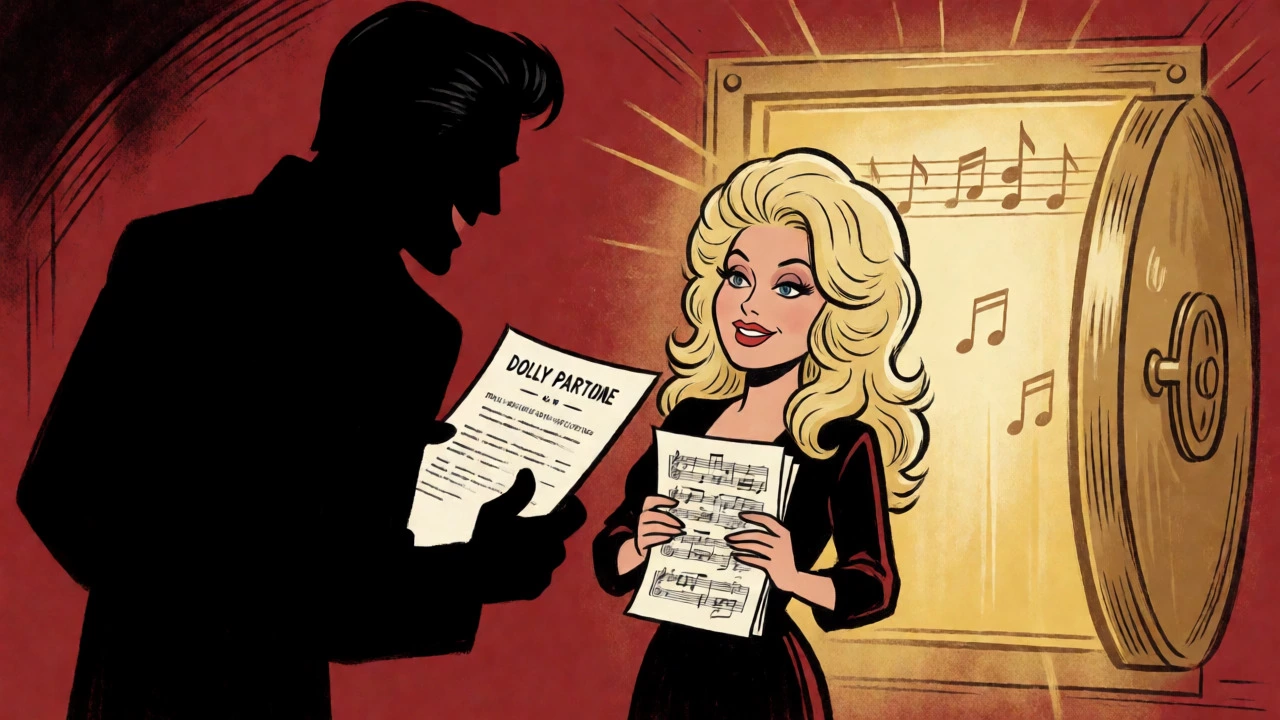
Fast forward to 1992. Whitney Houston starred in The Bodyguard. Director Kevin Costner suggested she sing "I Will Always Love You," which he heard Dolly perform on a talk show. Houston recorded it for the soundtrack. Her version stripped away the country twang and replaced it with a sweeping orchestral arrangement and her legendary vocal range. It began with a cappella notes that grabbed listeners by the throat and ended with a key change that felt like a stadium anthem.
The result? It spent 14 consecutive weeks at No. 1 on the Billboard Hot 100. It topped charts in 34 countries. It became the best-selling single by a solo female artist in history at that time, selling between 20 and 24 million copies. For many people under 40, Whitney *is* the song. They don’t know Dolly wrote it. This is the ultimate testament to Dolly’s songwriting: her words were so strong they survived a total genre shift and still moved millions.
Defining Country Icon Status Through Volume
Superstardom isn’t built on one hit, even if that hit is global. Dolly’s icon status comes from sheer volume and consistency. She has written more than 3,000 songs. She has released 49 studio albums. She has had hits in three different centuries. "I Will Always Love You" is often grouped with "Jolene," "Coat of Many Colors," and "9 to 5" as her signature anthems.
Each of these songs serves a different purpose in her brand. "Jolene" shows her vulnerability. "9 to 5" shows her humor and working-class roots. "Coat of Many Colors" tells her origin story. "I Will Always Love You" shows her emotional intelligence and business acumen. Together, they create a multidimensional persona that appeals to country purists, pop fans, and business analysts alike. She isn’t just a singer; she’s a cultural institution.
Why the Song Still Matters Today
As we approach the 52nd anniversary of the original release in 2026, the song remains relevant. Why? Because it transcends its origin. Listeners project their own stories onto it. Some hear a romantic breakup. Others hear a parent letting go of a child. The ambiguity is intentional. Dolly wrote it open enough for anyone to claim it.
For performers, it’s a benchmark. Singing the Dolly version requires nuance and storytelling. Singing the Whitney version requires stamina and power. Both are difficult in different ways. This duality keeps the song alive in karaoke bars, talent shows, and wedding ceremonies. It’s not just a relic; it’s a living part of the musical landscape.
Dolly’s refusal to give up publishing rights allowed her to benefit from every new generation discovering the song through streaming services and covers. In an era where artists often lose control of their masters, Dolly stands out as a pioneer who protected her assets. Her superstardom is partly due to her voice, but largely due to her vision.
Key Takeaways
- Origin Story: The song was a professional goodbye to Porter Wagoner, not a romantic breakup.
- Business Move: Dolly retained full publishing rights, rejecting Elvis Presley’s offer to secure long-term royalties.
- Global Impact: Whitney Houston’s 1992 cover sold over 20 million copies and dominated charts worldwide.
- Legacy: The song anchors Dolly’s status as a prolific songwriter with over 3,000 compositions.
Did Dolly Parton write "I Will Always Love You" about a man?
No. While many assume it is a love song, Dolly wrote it as a farewell to her mentor and employer, Porter Wagoner. She left his television show to pursue a solo career, and the song expressed gratitude and affection during this professional transition.
Why did Dolly Parton turn down Elvis Presley?
Elvis wanted to record the song, but his manager asked for half of the publishing rights in exchange for the performance. Dolly refused to give up her ownership stake, choosing instead to retain full control over her composition and future earnings.
How many times did Dolly Parton take the song to No. 1?
Dolly took "I Will Always Love You" to No. 1 on the Billboard Hot Country Songs chart twice. The first time was in June 1974 with the original recording, and the second time was in October 1982 after re-recording it for the movie The Best Little Whorehouse in Texas.
Who made the song a global pop phenomenon?
Whitney Houston transformed the song into a global pop phenomenon with her 1992 cover for the film The Bodyguard. Her version spent 14 weeks at No. 1 on the US Billboard Hot 100 and became the best-selling single by a female artist at the time.
Is Dolly Parton considered a country icon because of this song?
Yes, but it is one of several pillars. Her icon status is built on a catalog of over 3,000 songs, including other hits like "Jolene," "9 to 5," and "Coat of Many Colors." However, "I Will Always Love You" demonstrates her ability to write material that transcends genre boundaries, appealing to both country and mainstream pop audiences.


