
You think you know DJ Premier as the architect of 1990s New York boom bap. But that reputation wasn’t born in a vacuum. It was forged in the dusty record crates and cramped basements of the 1980s. Before he became Christopher Martin the legend, he was Waxmaster C, a kid from Texas trying to figure out how to make two turntables sound like an orchestra. If you want to understand why his beats still hit so hard today, you have to look at the messy, analog foundations he laid before anyone had heard the name Gang Starr.
The Crates and The Campus: Early Influences
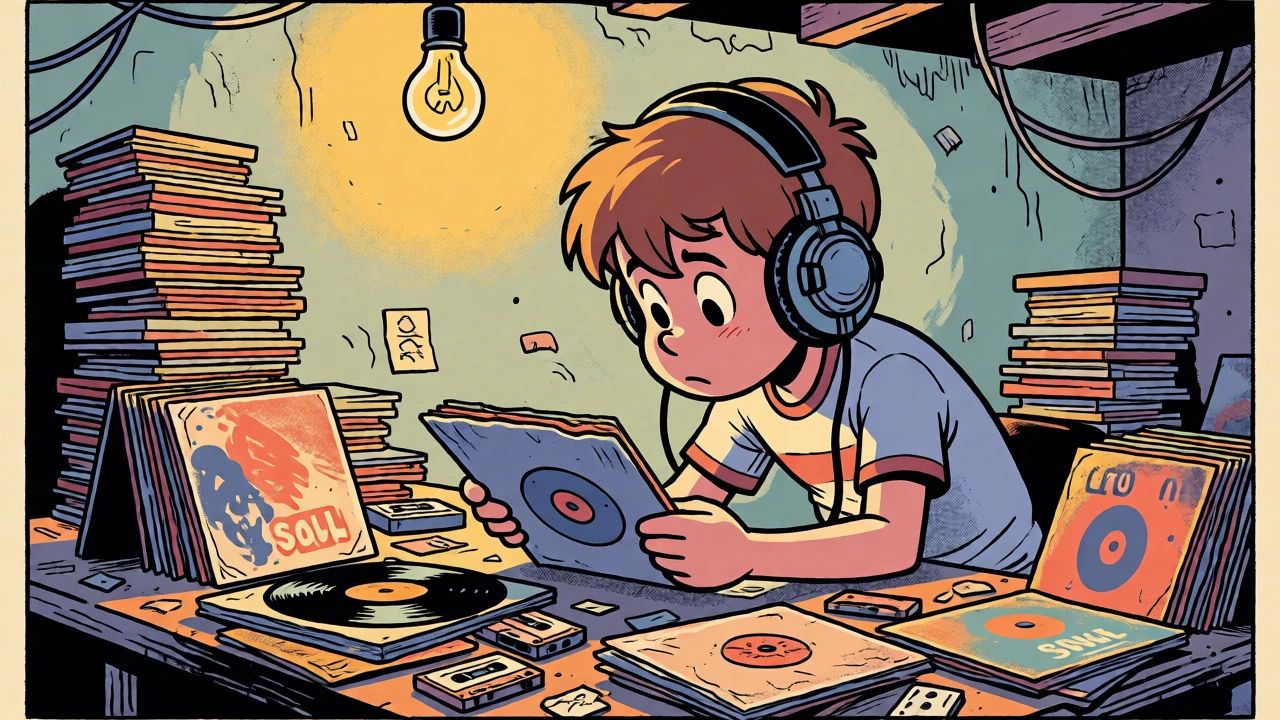
Premier didn’t learn music theory in a conservatory. He learned it by digging. His mother was a serious record collector, which meant his childhood soundtrack was a steady diet of soul, funk, and jazz. This wasn’t just background noise; it was a library waiting to be exploited. While attending Prairie View A&M University in Texas, he worked as a campus DJ and played with the school’s Marching Storm band. This period was crucial because it taught him rhythm from the inside out-not just how to play records, but how bands lock together.
But Texas wasn’t enough. He started making trips to Brooklyn, where the real action was happening. In the early ’80s, New York was the epicenter of hip-hop innovation. Premier soaked up everything. He watched DJs like Grandmaster Flash and Kool Herc manipulate vinyl not just to play songs, but to create new ones. He listened to Marley Marl, who would become his primary inspiration, and studied the drum programming of Jam Master Jay. These weren’t abstract concepts. They were practical skills passed down through mixtapes and block parties. Premier realized that being a DJ wasn’t just about selecting tracks; it was about becoming an instrument himself.
Tech Wars: From Turntables to Samplers
The transition from spinning records to producing beats required new tools. Premier started with basic equipment, borrowing a four-track recorder from a neighbor named Skeet. This was a game-changer. Instead of just mixing two records live, he could layer sounds. He began experimenting with overlapping beats, figuring out how to stack a drum break under a horn sample. It was trial and error, mostly error, but every mistake taught him something about timing and texture.
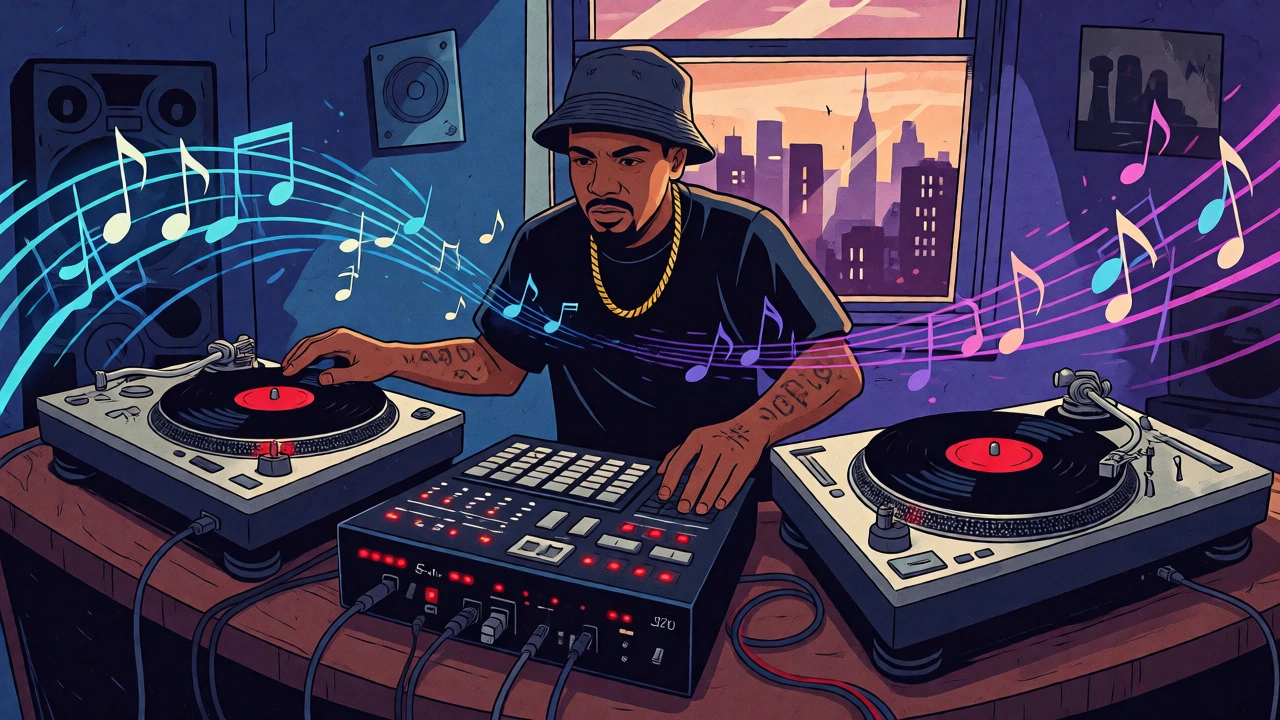
As technology advanced, Premier moved toward digital samplers. The late 1980s saw the rise of machines like the E-mu SP-12 and its successor, the SP-1200. These devices were limited-only about 1.2 seconds of memory for samples-but that limitation forced creativity. You couldn’t just loop a whole song. You had to chop it up. Premier used these constraints to his advantage, slicing short hits from jazz and funk records and rearranging them into tight, punchy loops. He also experimented with the Akai S900 and the MPC60, though he often used the MPC more for triggering drums than for heavy sampling. The key takeaway? The gear didn’t make the producer. The mindset did.
| Device | Role in Production | Impact on Sound |
|---|---|---|
| E-mu SP-12 / SP-1200 | Primary sampler for drums and short phrases | Created the gritty, low-fidelity "boom bap" drum sound |
| Akai S900 | Sampling longer musical fragments | Allowed for richer melodic layers from jazz/funk sources |
| MPC60 | Drum sequencing and MIDI control | Provided precise rhythmic quantization and swing |
| Turntables (Technics SL-1200) | Scratching and live performance element | Kept the DJ visible as a performer within the track |
Meeting Guru and Forming Gang Starr
Premier’s big break came when he connected with Keith Elam, known as Guru. Guru had already founded Gang Starr in Boston and was looking for a producer who could match his intellectual, socially conscious rap style. Premier, still going by Waxmaster C, sent over a demo tape. Wild Pitch Records executive Stu Fine helped bridge the gap, connecting the two artists. It was a perfect fit. Guru brought the lyrics and the concept; Premier brought the sonic architecture.
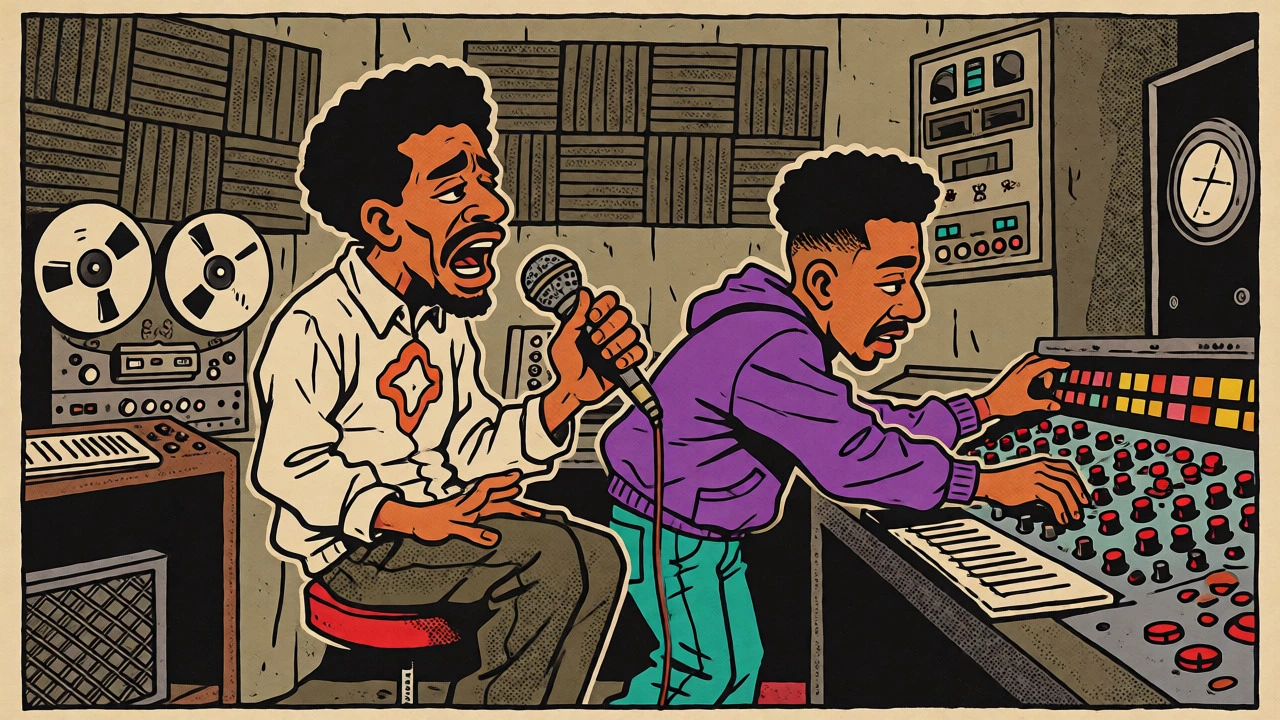
They didn’t hit the studio ready-made. They spent time making demos for various labels, including Profile and Tommy Boy, refining their chemistry. When they finally landed with Wild Pitch, they had a clear vision. Their debut album, No More Mr. Nice Guy, released in 1989, wasn’t just a collection of songs. It was a statement. Premier produced most of the tracks, working closely with engineer ShloMo Sonnenfeld. The process was fast-they completed much of the album in about two weeks-but the intensity showed. This partnership proved that a producer and an MC could operate as a single creative unit, rather than a hired hand serving a star.
The Blueprint: Analyzing 'No More Mr. Nice Guy'
If you want to hear the 1980s foundation solidify, listen to No More Mr. Nice Guy. It’s not the polished masterpiece of later years, but it’s raw and inventive. Tracks like "DJ Premier in Deep Concentration" are essential listening. Here, Premier doesn’t hide behind the board. He foregrounds himself as a performer. The track is a collage of over ten samples, pulling from Kool & the Gang, Ahmad Jamal, and even earlier rap classics like Eric B. & Rakim. He chops these sources into small pieces, stitching them together with scratches and abrupt cuts.
This approach defined his legacy. Instead of letting a sample run uninterrupted, Premier treated it like clay. He’d take a three-second horn stab, pitch it down, add a snare crack, and then scratch a vocal snippet over the top. It was chaotic yet controlled. The album reached number 83 on the Billboard R&B chart, a modest start, but it planted the flag. Songs like "Positivity" and "Words I Manifest" showed that hip-hop could be both intellectually stimulating and physically engaging. The scratching wasn’t just filler; it was part of the composition, providing punctuation and energy where the drums left space.
Why the 1980s Matter for Modern Producers
Today, producers can load up a DAW and access thousands of sounds instantly. But they often miss the discipline that defined Premier’s era. The 1980s limitations forced producers to listen deeply. You had to know your records intimately to find the right fragment to sample. You had to practice your scratching until it was tight. Premier’s legacy isn’t just about the specific beats he made; it’s about the methodology. He normalized the idea that the producer is an artist, not just a technician.
His work bridged the gap between the DJ culture of the early ’80s and the producer-driven landscape of the ’90s. By keeping the turntable audible, he maintained a link to hip-hop’s roots while pushing forward with digital sampling. This hybrid approach influenced countless producers who followed, from J Dilla to Madlib. It reminds us that great production isn’t about having the newest gear; it’s about having a distinct point of view and the technical skill to execute it. Premier’s 1980s grind built the toolkit that modern hip-hop still relies on.
Frequently Asked Questions
What was DJ Premier's original stage name?
Before becoming DJ Premier, Christopher Martin performed under the name Waxmaster C during his early days in Texas and his initial moves into the New York scene.
Which sampler was most influential to DJ Premier's early sound?
The E-mu SP-12 and its updated version, the SP-1200, were critical. Their limited memory capacity forced Premier to use short, chopped samples, creating the tight, gritty drum patterns characteristic of his boom bap style.
How did DJ Premier meet Guru?
Guru had founded Gang Starr in Boston and needed a producer. Premier submitted a demo tape while using the name Waxmaster C. Wild Pitch Records executives facilitated the connection, leading to their long-standing partnership.
What role did scratching play in Premier's production?
Scratching was integral, not just decorative. Premier used scratches as compositional elements, treating the turntable as an instrument that provided rhythm, punctuation, and dynamic contrast alongside the sampled drums and melodies.
When was Gang Starr's debut album released?
Gang Starr's debut album, No More Mr. Nice Guy, was released in 1989 by Wild Pitch Records. It marked the official beginning of Premier's professional production career on a major platform.


