
When you think of funk, you probably picture James Brown or Parliament-Funkadelic. But the genre’s most distinct sonic identities didn’t just come from one place-they exploded out of three specific cities with very different personalities. Regional funk scenes in Dayton, Ohio; Minneapolis, Minnesota; and the San Francisco Bay Area created sounds so unique that you can identify the city just by listening to a record. These aren't just local trivia; they are the foundational blueprints for modern R&B, pop, and rock.
Each of these regions solved the problem of "how do we make people dance" in a completely different way. Dayton gave us horn-heavy soul. Minneapolis gave us synth-driven electro-funk. The Bay Area gave us jazz-inflected brass precision. Understanding these differences helps explain why today's music sounds the way it does, from Bruno Mars' grooves to Janelle Monáe's experimental beats.
The Land of Funk: Dayton’s Horn-Driven Soul
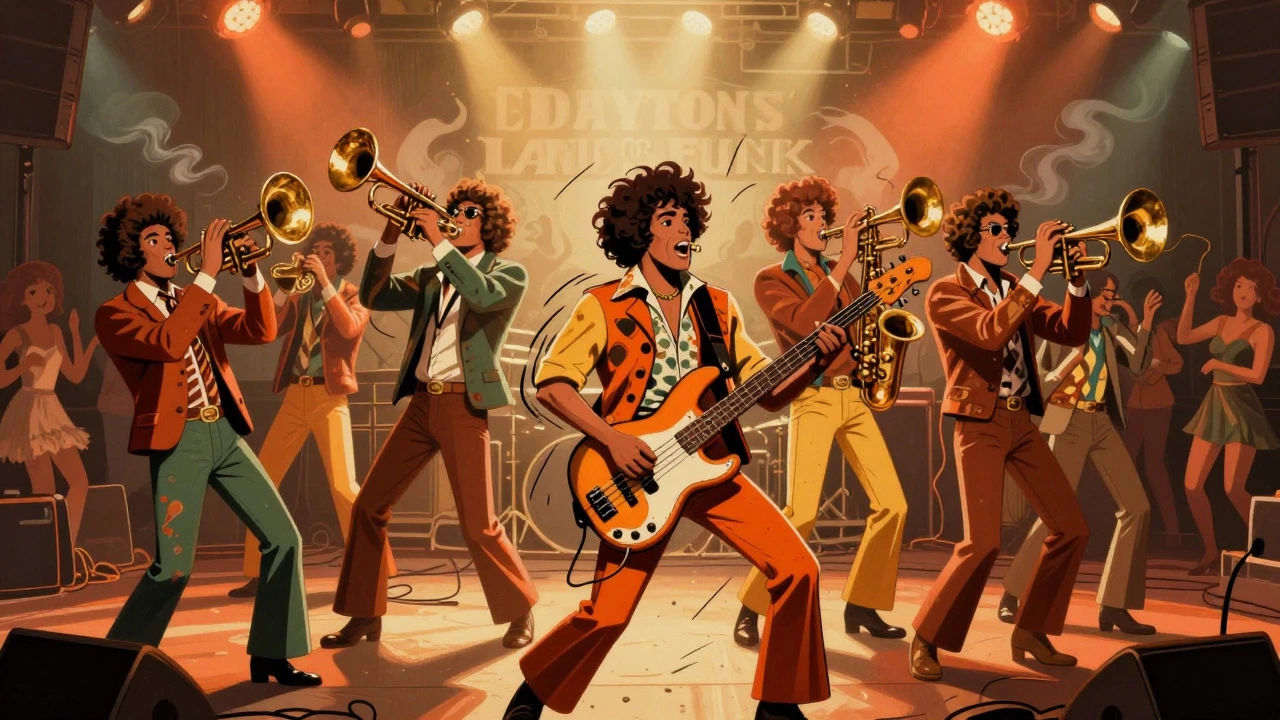
Dayton, Ohio, is often called the "Land of Funk," and it earned that nickname through sheer volume and talent. In the early 1970s, this midwestern city produced more nationally recognized funk bands than almost anywhere else in the country. The scene was defined by large ensembles featuring multiple horn players, tight rhythm sections, and a blend of southern funk and midwestern soul.
The heart of this movement was the Ohio Players, which evolved from the Ohio Untouchables. Formed in 1959, the group signed with Westbound Records in 1971 and later moved to Mercury Records. Their debut album Pain came out in 1971, but their real breakthrough happened with Skin Tight and Fire in 1974. The single "Fire" hit number one on the U.S. pop charts, proving that gritty, horn-driven funk could cross over into mainstream success. They followed up with "Love Rollercoaster" in 1975, another number-one hit that cemented Dayton’s reputation.
But the Ohio Players weren't alone. The ecosystem included acts like Slave, Lakeside, Heatwave, and Zapp. While the Ohio Players focused on erotic, groove-heavy arrangements, Zapp (formed in 1977) pushed the scene toward electro-funk and talkbox vocals. This diversity meant that if you went to a club in New York City in the mid-70s, you might see four different Dayton bands playing in rotation. Local archives, including the WYSO documentary Boogie Nights: A History Of Funk In Dayton, recall fans standing in line for hours to catch these groups, highlighting the intense demand for this specific style of performance.
Minneapolis Sound: The Synth-Forward Revolution
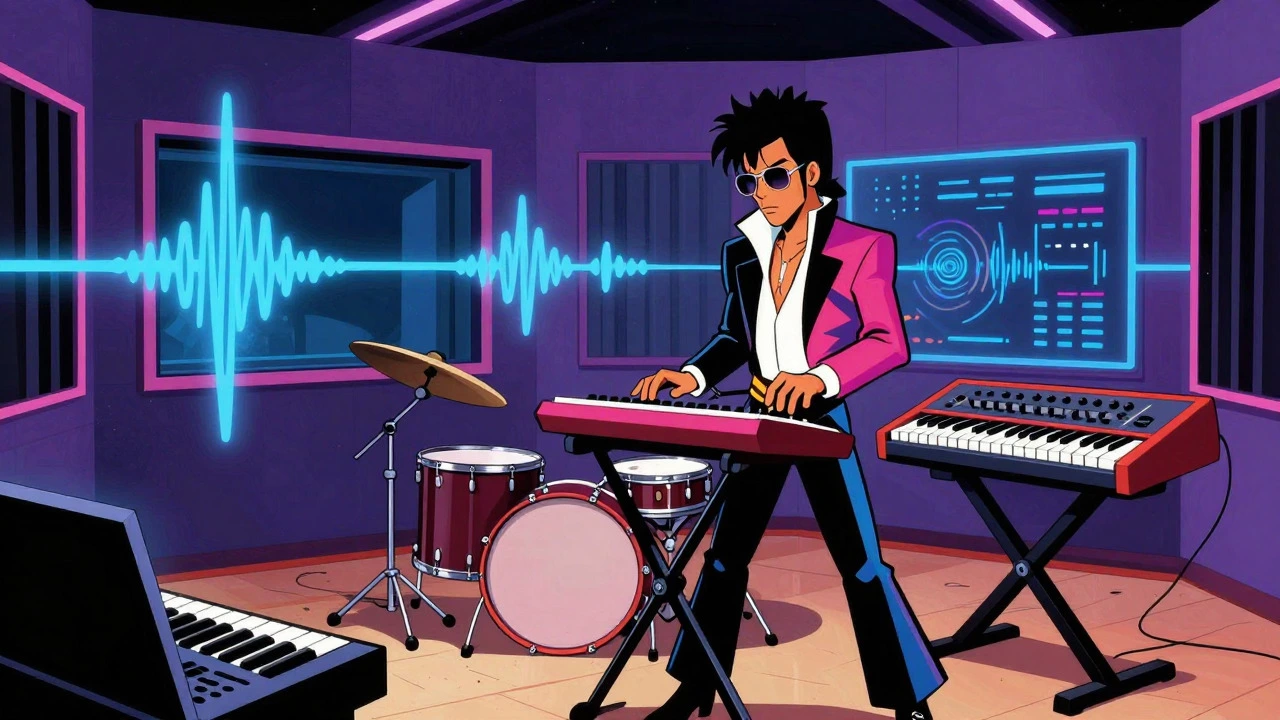
If Dayton was about horns and live energy, Minneapolis was about technology and studio precision. The "Minneapolis sound" emerged in the late 1970s at a studio called Sound 80. It wasn't just a regional style; it was a production method that changed how pop music was made. Pioneered by Prince, André Cymone, and engineer-producer David Z, this style fused funk, new wave, synth-pop, and rock into a lean, aggressive hybrid.
The technical signature of the Minneapolis sound is distinct. Unlike traditional funk, where bass lines are central and drums are organic, the Minneapolis approach relied heavily on drum machines like the Linn LM-1. Synthesizers replaced horn sections, providing bright accents rather than background pads. Guitars stayed clean for rhythm parts but exploded into distorted solos, borrowing from punk and hard rock. This combination created a sound that was faster, less syncopated, and highly processed.
Prince was the face of this movement, but he wasn't working in isolation. His rival band, The Time (later Morris Day and the Time), brought a flamboyant, choreographed stage presence that complemented the studio innovation. Their 1981 debut produced hits like "Get It Up" and "Cool," showcasing the tight, electronic funk that defined the era. Producers Jimmy Jam and Terry Lewis also played a crucial role, applying these techniques to artists like Janet Jackson, which helped dominate the mid-1980s R&B and pop markets.
Oakland Stroke: The Bay Area’s Jazz-Funk Fusion
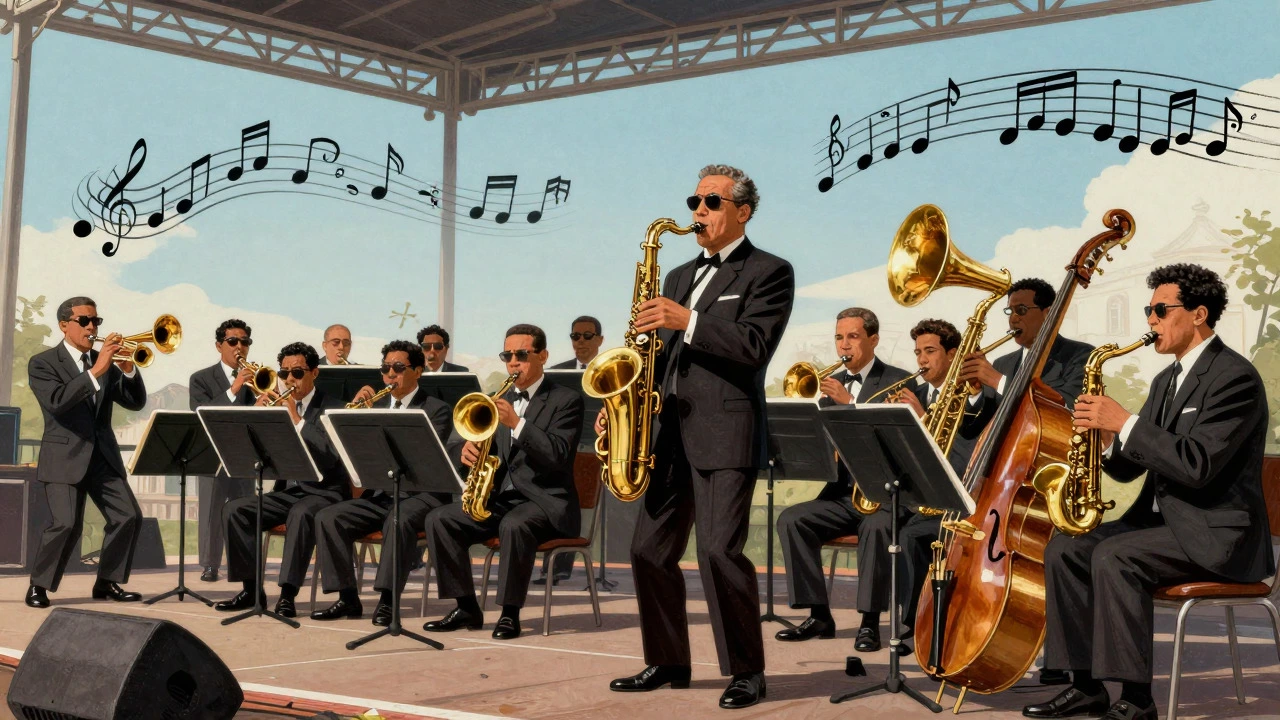
On the West Coast, the San Francisco Bay Area developed its own identity known as "East Bay funk" or the "Oakland stroke." This scene coalesced around Oakland and Fremont in the late 1960s, driven by a brassy fusion of soul, funk, and jazz. The flagship band here is Tower of Power, formed in July 1968 after tenor saxophonist Emilio Castillo merged his high school band, the Motowns, with Stephen "Doc" Kupka’s group. Unlike the smaller core bands of Minneapolis, Tower of Power featured massive horn sections with complex, jazz-influenced voicings.
Their debut album East Bay Grease (1970) established the template: extended funk workouts mixed with soulful ballads, all driven by powerful brass. By 1974, their album Back to Oakland was widely regarded as a masterpiece of the genre, blending Sly & the Family Stone-style funk with Curtis Mayfield-esque sophistication. The band's longevity is remarkable; they have maintained an active live and recording presence for over 50 years, celebrating their 50th anniversary in 2018 with sold-out shows at the Fox Theater in Oakland.
The Bay Area scene prioritized instrumental skill and arrangement complexity. While Dayton focused on groove and Minneapolis on production, Oakland focused on musicality. The prominent use of baritone saxophone and intricate brass lines set them apart, appealing to both R&B audiences and rock-jazz listeners. This emphasis on live musicianship has kept the scene vibrant, with newer bands like Monophonics continuing the psychedelic funk aesthetic in the 2020s.
Comparing the Three Grooves
To understand why these scenes matter, it helps to look at how they differed technically and culturally. Each region had a specific "job" it was doing for the funk genre.
| Feature | Dayton, Ohio | Minneapolis, MN | Bay Area, CA |
|---|---|---|---|
| Core Instrumentation | Large horn sections, live drums | Drum machines, synthesizers, electric guitar | Complex brass arrangements, jazz-inflected bass |
| Key Artists | Ohio Players, Slave, Zapp | Prince, The Time, Jimmy Jam & Terry Lewis | Tower of Power, Monophonics |
| Production Style | Live ensemble recording, raw energy | Studio-centric, layered overdubs, digital processing | High-fidelity live capture, focus on instrumental precision |
| Cultural Peak | Mid-1970s (1974-1976) | Early-to-Mid 1980s | Late 1960s-1970s, ongoing legacy |
| Legacy Influence | Template for self-contained funk bands | Foundation for 90s R&B and modern pop production | Standard for jazz-funk fusion and live horn bands |
Why These Differences Matter Today
You might wonder if any of this still matters in 2026. Absolutely. When you hear a modern pop track with a punchy, programmed drum beat and a bright synth riff, you're hearing the ghost of Sound 80 Studios. When you see a band with a five-piece horn section playing at a festival, they are likely studying Tower of Power arrangements. And when a producer emphasizes a raw, live drum feel with heavy bass, they are channeling the Ohio Players.
The economic viability of these styles persists too. In the Bay Area, hiring a professional funk band for events averages around $2,200, showing that there is still a market for authentic live funk. Meanwhile, educational content and documentaries continue to dissect the Minneapolis sound, indicating that younger producers are actively learning these techniques. Dayton’s legacy is preserved through institutions like the Funk Music Hall of Fame, ensuring that the "Land of Funk" title remains part of the city's identity.
Practical Insights for Musicians and Fans
If you are a musician looking to replicate these sounds, the learning curves are different. For the Minneapolis sound, you need to master drum programming and synthesis. Focus on keeping arrangements minimal but punchy, using synths as leads rather than pads. For the Dayton style, you need a band. Learning to arrange for multi-piece horn sections requires knowledge of jazz harmony and extensive rehearsal time. For the Bay Area style, prioritize instrumental proficiency. You need players who can hold a groove while executing complex melodic lines, and you must invest in disciplined arrangement processes.
For fans, the best way to explore these scenes is through specific albums. Start with the Ohio Players' Fire for pure groove. Move to Prince's 1999 or The Time's debut for the electro-funk edge. Finish with Tower of Power's Back to Oakland to appreciate the depth of jazz-funk composition. Each of these records represents a different solution to the same problem: how to make music that moves your body and engages your mind.
Frequently Asked Questions
Which city is considered the birthplace of funk?
While James Brown is often cited as the Godfather of Funk from Georgia, the question usually refers to regional scenes. Dayton, Ohio, is frequently called the "Land of Funk" due to the concentration of successful bands in the 1970s. However, the broader genre roots trace back to the South, with regional variations emerging in the Midwest and West Coast.
What is the main difference between Dayton and Bay Area funk?
Dayton funk, led by the Ohio Players, focused on raw, groove-heavy soul with explicit lyrics and large live ensembles. Bay Area funk, led by Tower of Power, emphasized jazz-inflected compositions, complex horn arrangements, and a higher level of instrumental virtuosity, often incorporating rock and soul elements more seamlessly.
How did the Minneapolis sound influence modern pop music?
The Minneapolis sound introduced the use of drum machines and synthesizers as primary instruments in funk and pop. This technique, pioneered by Prince and producers like Jimmy Jam and Terry Lewis, became the standard for 1990s R&B and continues to influence modern pop production, where programmed beats and synth layers are ubiquitous.
Are there still active bands from these original scenes?
Yes. Tower of Power remains active and tours regularly, having celebrated their 50th anniversary in 2018. The Ohio Players have seen various reunion configurations, though the classic lineup ceased new recording work around 1980. Prince passed away in 2016, but the Minneapolis sound lives on through artists like Janelle Monáe and Lizzo, who cite it as a major influence.
Which album should I listen to first to understand East Bay funk?
Start with Tower of Power's Back to Oakland (1974). It is widely considered their definitive statement, showcasing the full range of their jazz-funk capabilities, including intricate horn lines and sophisticated song structures. If you prefer something earlier, East Bay Grease (1970) provides the foundational sound of the scene.


