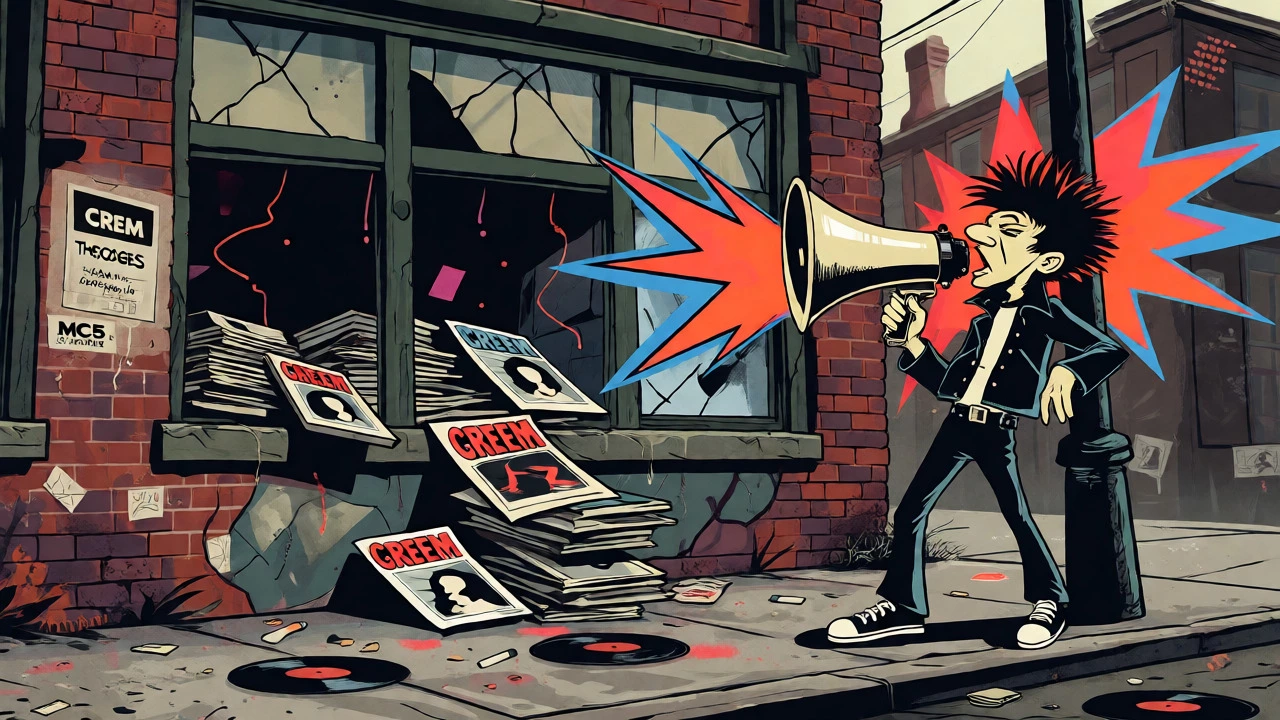

Imagine a magazine that didn’t just review albums but attacked them with the same ferocity a punk band attacks a stage. That was CREEM. While Rolling Stone was busy building a canon of polite, polished respectability in San Francisco, CREEM was tearing up the floorboards in Detroit. It wasn’t just a publication; it was a middle finger to pretension, a place where rock ’n’ roll was treated as messy, lived culture rather than distant art.
The Cass Corridor Birthplace
CREEM launched on March 1, 1969, the exact day Jim Morrison exposed himself to fans in Miami. This coincidence felt fitting for a rag born in the gritty Cass Corridor of Detroit, Michigan. Publisher Barry Kramer started it in a run-down building, initially aiming for a local underground vibe. But under founding editor Tony Reay and later legendary critic Lester Bangs, it exploded into a national force.
The early issues were tabloid-sized, distributed in head shops and record stores. They mixed leftist politics with bawdy humor and a refusal to take anything seriously except the music itself. By the mid-1970s, circulation numbers varied wildly-sources cite anywhere from 150,000 to over 250,000-but everyone agreed on one thing: only Rolling Stone sold more copies. CREEM was the second-largest music magazine in America, yet it felt entirely different. It was louder, dirtier, and far less interested in pleasing advertisers.
Lester Bangs and the Art of Chaos
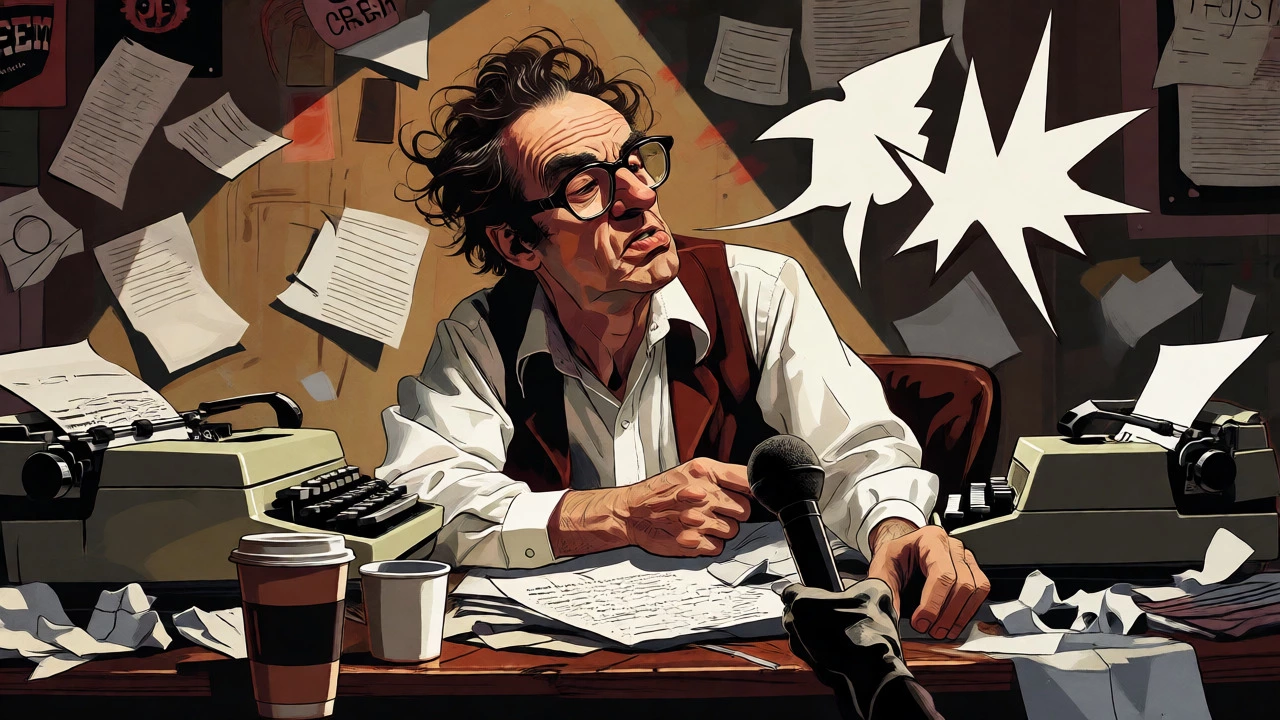
You can’t talk about CREEM without talking about Lester Bangs. Serving as editor from roughly 1971 to 1976, Bangs defined the magazine’s soul. He wrote “pharmaceutically fueled exegeses,” blending deep musical knowledge with personal confession and aggressive sarcasm. His interviews weren’t Q&As; they were battles. His multi-part series with Lou Reed remains a masterclass in combative journalism.
| Name | Role | Contribution |
|---|---|---|
| Lester Bangs | Editor/Critic | Defined the confrontational, passionate voice; championed proto-punk. |
| Dave Marsh | Critic/Editor | Brought political edge and helped shape the tone before moving to Rolling Stone. |
| Cameron Crowe | Contributor | Honed his interview style at CREEM before becoming a famous director. |
| Jaan Uhelszki | Writer/Editor | Provided continuity; returned to lead the 2022 relaunch. |
Bangs and his peers-including Greil Marcus, Robert Christgau, and a young Cameron Crowe-created a loose hive of creativity. They mocked each other, argued in print, and treated rock critics as participants in the scene, not observers. This self-deprecation was key. CREEM never claimed moral superiority. It admitted its flaws, its drug use, and its biases, which made its praise feel earned and its insults feel honest.
Detroit vs. The Coast
The rivalry between CREEM and Rolling Stone wasn’t just business; it was cultural. Rolling Stone represented the coastal, liberal elite. It favored singer-songwriters and major-label narratives. CREEM, rooted in the Midwest, championed the fringe. It covered heavy metal, garage rock, and proto-punk bands that mainstream outlets ignored. The slogan “America’s Only Rock ’n’ Roll Magazine” wasn’t just marketing; it was a declaration of editorial identity. It asserted that rock belonged to the streets, not the studios.
This Midwestern bluntness attracted readers who felt alienated by the polish of East Coast publications. CREEM celebrated the ugly, the loud, and the weird. When The Stooges or MC5 played, CREEM didn’t analyze their lyrics for poetic merit; it described the sweat, the noise, and the danger. This approach influenced generations of writers who wanted permission to be messy.
The Long Hiatus and Legal Battles
After Barry Kramer died in 1981, his widow Connie took over, eventually selling the title in 1986 to Arnold Levitt. Operations moved to California, and the original run ended in 1989. What followed was a 33-year wilderness period marked by failed revivals and complex intellectual property disputes. Ownership fragmented, leading to years of litigation.
It wasn’t until 2022 that JJ Kramer, Barry’s son and an IP attorney, consolidated the rights. Motivated partly by the success of the 2020 documentary "Creem: America’s Only Rock ’n’ Roll Magazine", he relaunched the brand. This wasn’t a nostalgic cash grab; it was a careful reconstruction of a legacy.
The Modern Revival
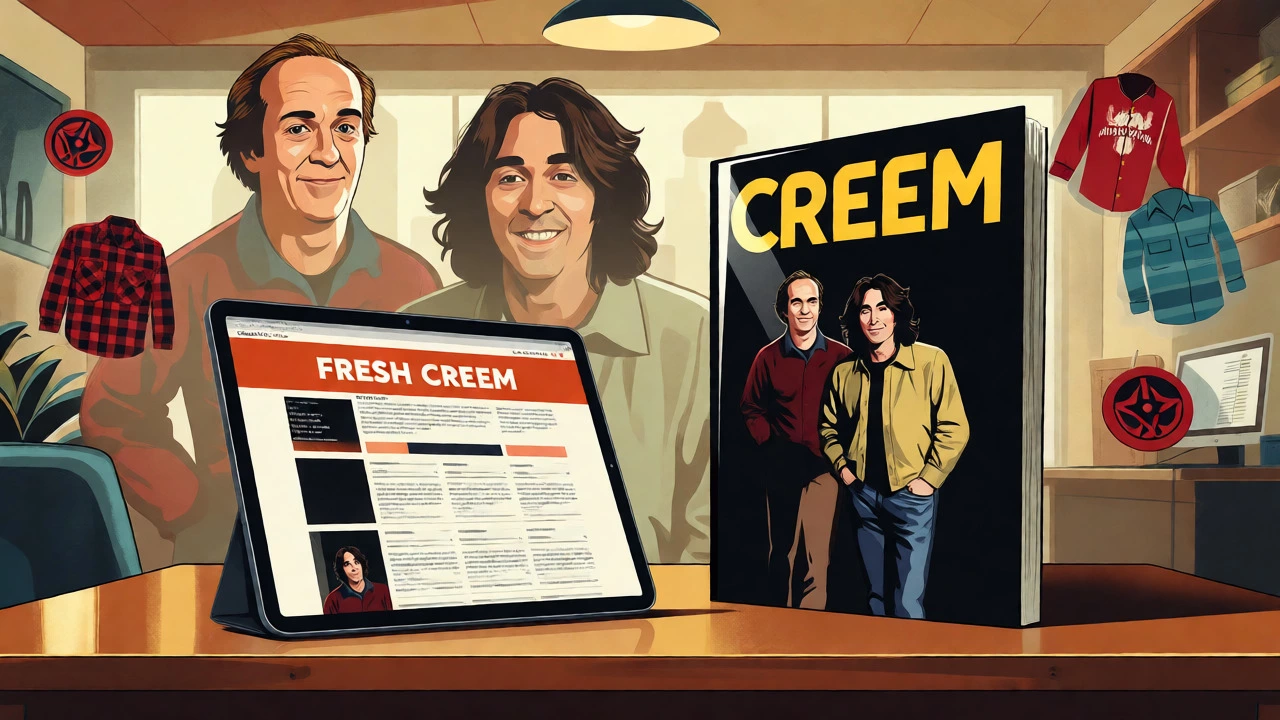
Today, CREEM operates differently. It’s a subscription-based model focused on direct-to-consumer relationships. Subscribers get access to a digital archive containing all 224 original issues-a treasure trove for researchers and fans. There’s also a weekly newsletter called Fresh Creem and a premium quarterly print edition.
The new print issues are oversized, glossy, and packed with over 144 pages of long-form journalism. They aim to apply CREEM’s old sensibility to genres it missed during its hiatus, like grunge, rap rock, and riot grrrl. Editor Jaan Uhelszki returned to guide this new chapter, ensuring the tone remained true to the original spirit: snarky, passionate, and unafraid.
Why It Still Matters
In an era of algorithm-driven playlists and PR-friendly reviews, CREEM’s legacy offers a counter-narrative. It reminds us that criticism can be personal, flawed, and alive. The magazine proved that you don’t need to be polite to be profound. You just need to care enough to fight for what you love-and laugh at yourself while doing it.
For modern readers, the revival provides a bridge. You can read Lester Bangs’ rants against Lou Reed today, understanding the context through the digital archive, then see how those attitudes influence contemporary writers. It’s not just history; it’s a toolkit for engaging with music critically and joyfully.
What made CREEM different from Rolling Stone?
While Rolling Stone was often polished, artist-friendly, and aligned with major-label narratives, CREEM was raw, profane, and confrontational. Based in Detroit, it championed fringe genres like proto-punk and heavy metal, using a sarcastic, self-deprecating tone that challenged the coastal sensibility of its rival.
Who was Lester Bangs?
Lester Bangs was a legendary rock critic and editor for CREEM from approximately 1971 to 1976. Known for his passionate, chaotic, and deeply personal writing style, he produced landmark essays and interviews, including his famous combative exchanges with Lou Reed. He is often cited as one of America’s greatest rock critics.
Is CREEM Magazine still publishing?
Yes, CREEM was revived in June 2022 by JJ Kramer. It now operates as a subscription service offering a digital archive of the original 224 issues, a weekly newsletter called Fresh Creem, and a premium quarterly print journal featuring long-form journalism and photography.
How many issues did the original CREEM publish?
The original run of CREEM published 224 issues between March 1969 and 1989. All of these issues have been digitized and are accessible to subscribers through the modern platform.
Where was CREEM originally based?
CREEM was founded in Detroit, Michigan, specifically starting in the Cass Corridor neighborhood. Its Detroit roots heavily influenced its gritty, no-nonsense editorial voice and its focus on local scenes like proto-punk.