
Imagine holding a seven-inch disc that sounds like it’s about to tear through your speaker cones. The bass is thick, slightly distorted, and absolutely alive. That’s the magic of an original Jamaican Studio One pressing. But here’s the trap: many collectors buy a clean, quiet reissue thinking they’ve struck gold, only to realize later they missed the raw sonic character that made the original legendary. Collecting reggae vinyl isn’t just about filling shelves; it’s about decoding history one groove at a time.
If you’re diving into this world, you need to understand why the format matters. Unlike rock or pop, where albums often tell the whole story, reggae was built for the sound system. This means the single-specifically the 7-inch 45 RPM record-is the holy grail. In the 1960s, producers like Coxsone Dodd couldn’t afford to send masters overseas to Decca in London for every hit. They bought pressing machines from Miami and California, setting up local operations in Kingston. This shift allowed them to control their own destiny, creating a culture where exclusivity and immediate release mattered more than polished production values.
The Power of the 45 RPM Single
Why did the 7-inch dominate? Simple economics and utility. For listeners in Jamaica with limited disposable income, a single was affordable. For selectors (DJs), it was portable and replaceable. If a record got chewed up on a Saturday night dancehall session, you could buy another copy the next day. You couldn’t say that about a $30 LP.
But the real secret lies in the B-side. On most Jamaican singles, the A-side features the vocal track, while the B-side contains the "version"-an instrumental mix of the same rhythm. This wasn’t filler. It was fuel. Deejays would toast over these versions, dub engineers would remix them, and other artists would write new lyrics to the same beat. When you collect, you aren’t just buying a song; you’re buying the rhythmic foundation of an entire movement. Many iconic tracks exist only as 45s, never making it onto official albums. If you rely solely on compilations, you’re missing half the picture.
| Feature | Original Jamaican Pressing | Licensed Reissue (e.g., VP Records) |
|---|---|---|
| Sound Quality | Bass-forward, potentially noisy, unique mastering | Cleaner, quieter, standardized EQ |
| Historical Value | High (cultural artifact) | Low (accessibility focus) |
| Price Range | $50 to $5,000+ depending on rarity | $15 to $35 typically |
| Risk Factor | Counterfeits, condition issues | Minimal risk |
Decoding the Matrix: Your Best Friend
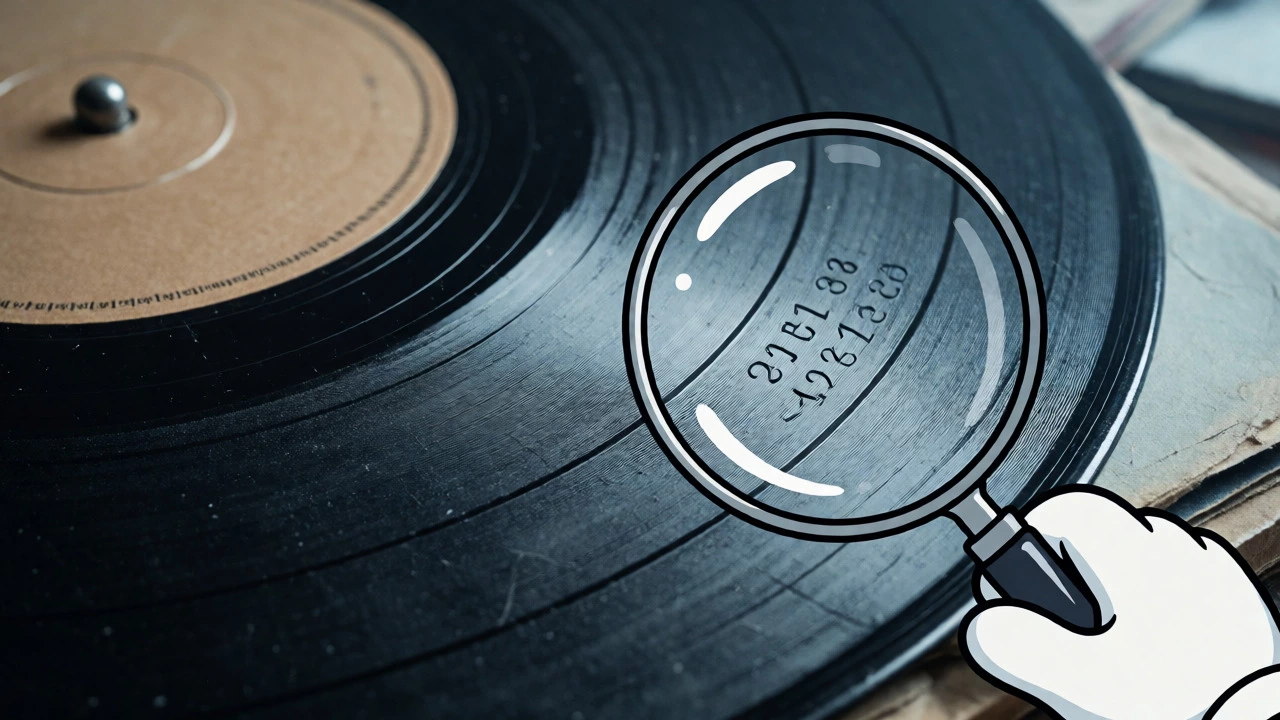
How do you know if you’re looking at a true original? Don’t trust the label alone. Labels were reused, stolen, and printed by different companies. The truth lives in the dead wax-the smooth area between the last groove and the center label. Here, you’ll find matrix numbers etched by hand or stamped during manufacturing. These codes identify the specific lacquer, the mastering engineer, and the pressing plant.
For example, Morgan “Moman” Nixon’s reference book No Man Is An Island is essential for Studio One collectors. It shows how identical matrices can appear on records with different labels, proving they came from the same stamper. Without checking the runout, you might pay premium prices for a UK repress when you wanted a Jamaican original. Always photograph both sides’ runouts. Compare them against databases like Discogs or Roots Knotty Roots. If the matrix doesn’t match known originals, walk away, no matter how pretty the sleeve looks.
The Rise of the 12-Inch Discomix
By the mid-1970s, the game changed. DJs wanted longer mixes to keep crowds moving. Enter the 12-inch single, often called a "discomix." These records combined the vocal and the version into one continuous side, sometimes stretching to eight minutes or more. The larger surface area allowed for deeper grooves and better high-frequency response, especially if cut at 45 RPM instead of the standard 33⅓ RPM.
Collectors should note that speed matters. A 12-inch cut at 45 RPM offers greater dynamic range and less inner-groove distortion than a 33⅓ RPM version of the same track. However, it holds less music. When shopping, check the spindle hole size too. Some early UK imports used large holes for jukeboxes, while Jamaican pressings typically had small centers. These physical details help authenticate the origin. A discomix isn’t just a long song; it’s a DJ tool designed for seamless transitions and extended dub sections.
Grading and Preservation: Protecting Your Investment
You found a mint-condition-looking record. Great. Now look closer. Sealed doesn’t mean perfect. Heat warps, non-fill defects, and off-center holes are common in vintage Jamaican pressings because quality control varied wildly between plants. Use the Goldmine grading scale honestly. Mint means pristine. Near Mint has minimal signs of handling. Very Good Plus has light wear but plays well.
Storage is critical. The Library of Congress recommends keeping vinyl around 50°F (10°C) and 30% humidity. In Portland, where I live, our damp winters can be brutal on cardboard sleeves and vinyl alike. Store records vertically, not stacked flat, to prevent warping. Avoid crates with diagonal corner posts that pinch discs. Use anti-static inner sleeves to reduce noise. And please, don’t use household cleaners. Tap water leaves mineral deposits that clog grooves. Stick to distilled water with a drop of surfactant or a dedicated cleaning solution.
Navigating the Market and Pricing
Let’s talk money. Prices vary wildly based on demand, scarcity, and condition. Common Third World or Bunny Lee reissues might cost $5-$10. A clean, rare Delroy Wilson Blue Cat original? That could hit five figures. According to community reports and auction data, average reggae reissues hover around $30, but originals command premiums.
Discogs is your primary tool here, but use its sales history feature, not just asking prices. Sellers often list inflated prices hoping for a sucker. Completed sales show what people actually paid. In 2025, Discogs users added over 114 million items to collections, showing the massive scale of this hobby. For beginners, start with licensed reissues from labels like VP Records or Pressure Sounds. They offer low-risk entry points. Once you develop your ear and eye, hunt for originals in local shops, online forums, or estate sales in cities with strong Caribbean diasporas like New York, London, or Toronto.
Common Pitfalls for New Collectors
- Ignoring the Mix: Two versions of the same song can sound completely different. Always listen before buying if possible.
- Trusting the Sleeve: Sleeves were often replaced. A mismatched sleeve and disc lowers value unless documented.
- Overvaluing Weight: 180-gram vinyl isn’t automatically better. Mastering and pressing quality matter far more than thickness.
- Faking Authenticity: Counterfeit labels are rampant. Check font spacing, paper stock, and address lines against verified examples.
Building a collection takes patience. Start narrow. Pick one producer, like Lee "Scratch" Perry, or one label, like Treasure Isle. Learn their catalog inside out. Document everything: artist, title, label, matrix, condition, price, and date. This log becomes invaluable when you decide to sell or trade. Remember, you’re preserving cultural history. Every crackle and pop tells a story of a dancehall night decades ago. Handle each record with respect, and it will reward you with decades of listening pleasure.
What is the difference between a 45 RPM and 33⅓ RPM 12-inch reggae record?
The main difference is audio fidelity and playing time. A 12-inch record cut at 45 RPM generally offers better high-frequency response, lower distortion, and wider dynamic range because the stylus moves faster across the groove. However, it holds less music per side compared to a 33⅓ RPM record, which allows for longer tracks or more songs per side. Collectors often prefer 45 RPM cuts for their superior sound quality, especially for dub and discomix releases.
How can I tell if a Jamaican reggae 45 is an original pressing?
Check the runout groove (dead wax) for matrix numbers. Compare these codes against specialist discographies like those for Studio One or Treasure Isle. Also, examine the label typography, address, and copyright line. Originals often have distinct printing qualities and paper stocks that differ from later reissues. Consulting completed sales data on Discogs and referencing books like Morgan Nixon's 'No Man Is An Island' can help verify authenticity beyond just the label name.
Are heavy 180-gram vinyl records better sounding than standard weight?
Not necessarily. While 180-gram vinyl is heavier and may feel more durable, sound quality depends primarily on the mastering process and the quality of the stampers used during pressing. A poorly mastered 180-gram record will sound worse than a well-mastered 120-gram original. In reggae collecting, historical accuracy and the specific mix of the original pressing are usually more valuable than modern heavyweight marketing gimmicks.
Where is the best place to buy authentic reggae vinyl?
For beginners, licensed reissues from reputable labels like VP Records or Pressure Sounds offer low-risk access. For originals, specialized online marketplaces like Discogs and Roots Knotty Roots provide detailed databases and seller ratings. Local record stores in cities with large Caribbean communities (such as London, New York, or Toronto) often have hidden gems. Always request photos of the runout grooves and ask about return policies before purchasing expensive items.
How should I store my reggae vinyl collection?
Store records vertically in a cool, dry environment, ideally around 50°F (10°C) and 30% relative humidity. Use acid-free outer sleeves and anti-static inner sleeves to protect against dust and static buildup. Avoid stacking records flat, as this can cause warping over time. Keep them away from direct sunlight and heat sources, which can degrade both the vinyl and the cardboard sleeves.
