
You probably picture Cinderella as the quintessential 1980s hair-metal act. Big hair, spandex, and power ballads that dominated MTV rotation. But if you look past the hairspray and leather, you’ll find something unexpected: a gritty, blues-soaked bar band from Philadelphia that paid its dues in smoky clubs long before it hit the arena stage.
This contradiction defines Cinderella’s legacy. They weren’t just another Los Angeles creation designed by record executives. They were working-class musicians who learned their craft on the New Jersey circuit, playing cover songs for tips while dreaming of original hits. The visual packaging was necessary for survival in the MTV era, but the musical DNA remained stubbornly rooted in classic rock and blues. Let’s unpack how this blue-collar soul survived inside a glam-metal body.
The Garage Days: From Plymouth Dusters to House Bands
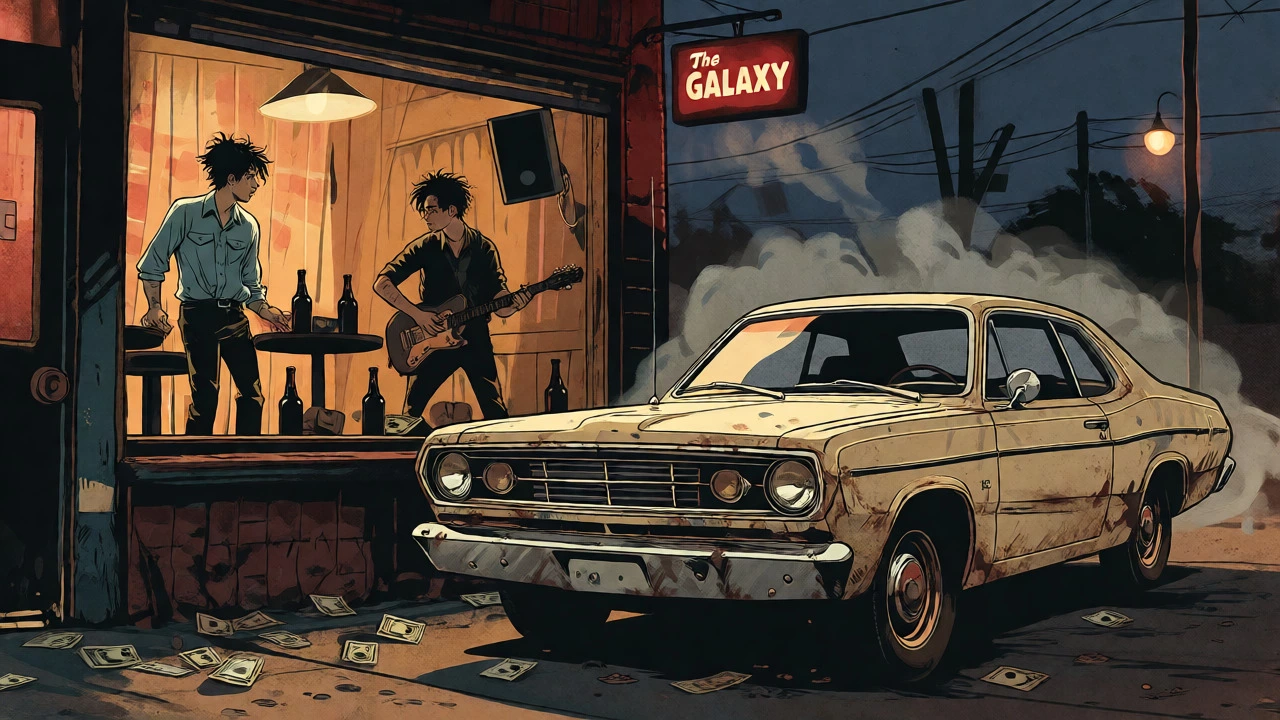
Before the platinum records, there was poverty and persistence. Tom Keifer and Eric Brittingham didn’t meet in a Hollywood mansion; they met in suburban Pennsylvania. Their early days were defined by necessity. Keifer famously slept in his Plymouth Duster and ate boxed grits while trying to make ends meet. This wasn’t romanticized struggle-it was real financial hardship.
The band’s true training ground was the Galaxy, a venue in South Jersey where they became the house band. Unlike many contemporaries who jumped straight into recording contracts, Cinderella spent years grinding out sets. They played three or four nights a week, honing their stage presence and learning what worked live. This experience gave them a tightness and reliability that studio-only bands often lacked.
- Formation: Formed in 1983 in suburban Philadelphia.
- Key Members: Tom Keifer (vocals/guitar), Eric Brittingham (bass).
- Early Struggle: Keifer held day jobs to fund songwriting demos.
- Venue Base: The Galaxy in South Jersey served as their primary testing ground.
The turning point came when Jon Bon Jovi heard them. It’s a common myth that Cinderella was purely a manufactured product, but Bon Jovi’s endorsement was based on genuine respect for their live performance. He helped secure their deal with Mercury Records, bridging the gap between local credibility and national exposure. This connection highlights an important truth: even in the glossy world of 1980s rock, talent still had to prove itself on stage first.
Hairspray as Armor: The Visual Strategy
Why did a blues-rock band wear so much makeup? Brittingham later explained it was a deliberate reaction against the "skinny tie" New Wave aesthetic dominating the early ’80s. If the cool kids were wearing suits and sunglasses, Cinderella went the other way. They embraced teased hair, lace, and leather not because they loved the fashion, but because it signaled rebellion.
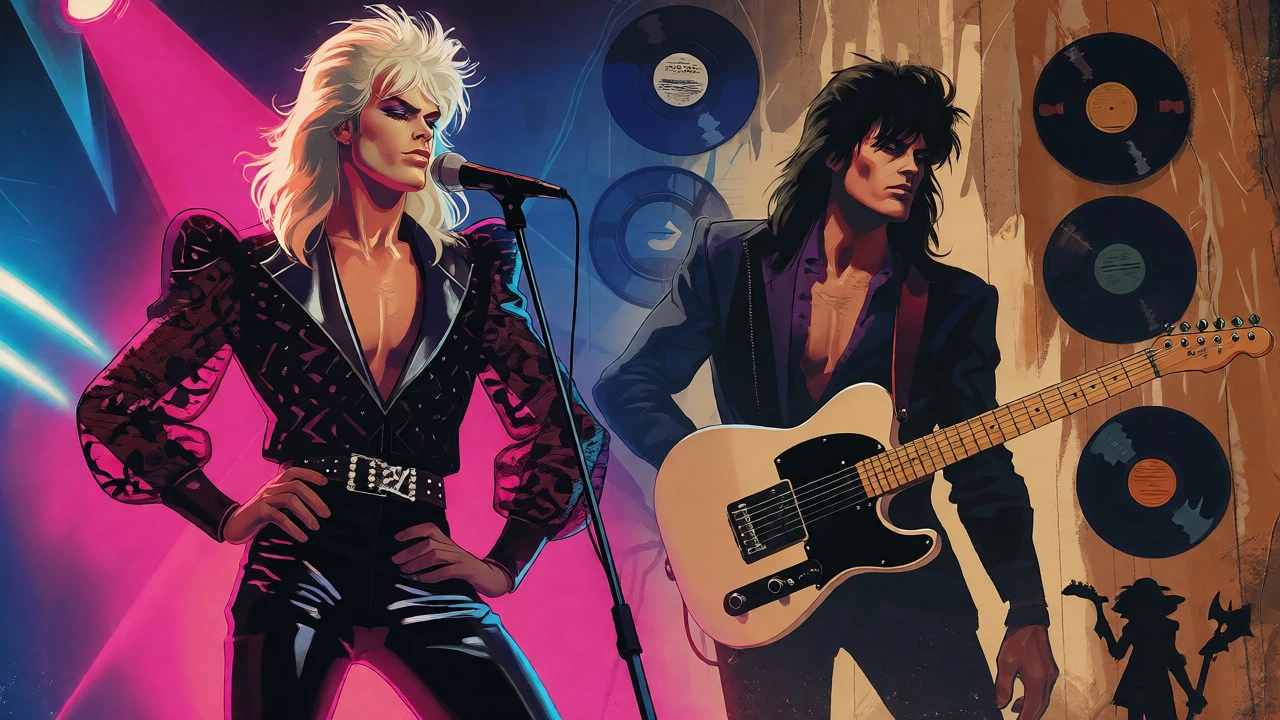
However, this visual choice created a lasting misconception. Critics dismissed them as superficial. Yet, Keifer rarely used the flashy, double-neck guitars typical of virtuoso metal players. He preferred a plain Telecaster, an instrument associated with country and rockabilly clarity rather than heavy distortion. This subtle detail reveals their true influences: less about shredding speed, more about melodic phrasing and vocal emotion.
The media landscape of 1986-1988 demanded conformity. To get airplay on MTV, you needed to look the part. Cinderella complied, but they didn’t change their sound to match the image. They kept their blues structures and gritty vocals, letting the visuals do the marketing work. It was a pragmatic compromise: sell the look, deliver the substance.
Night Songs: The Commercial Façade
Night Songs is the debut album that launched Cinderella into stardom, featuring polished production and radio-friendly hooks. Released in 1986, it reached No. 3 on the Billboard 200 and eventually sold over three million copies. Hits like "Nobody’s Fool" and "Shake Me" showcased Keifer’s ability to write catchy choruses without sacrificing musical integrity.
But listen closely. Beneath the synthesizers and drum machines, there are slide guitar licks and soulful vocal runs. The album was a bridge. It appealed to pop fans who liked Bon Jovi while retaining enough edge for hard-rock enthusiasts. For many listeners, this was their introduction to a softer side of metal. For critics, it was proof that Cinderella could compete with the big leagues.
| Album Title | Release Year | Peak Chart Position (US) | Certification | Musical Focus |
|---|---|---|---|---|
| Night Songs | 1986 | No. 3 | 3x Platinum | Glam Metal / Pop Rock |
| Long Cold Winter | 1988 | No. 10 | 3x Platinum | Blues Rock / Ballads |
| Heartbreak Station | 1990 | No. 19 | Platinum | Soul / Classic Rock |
| Still Climbing | 1994 | No. 178 | Gold | Alternative / Hard Rock |
Long Cold Winter: The Blues Breakthrough
If Night Songs was the handshake, Long Cold Winter is the artistic masterpiece that revealed Cinderella’s deep roots in blues and classic rock. Released in 1988, it marked a decisive shift away from pure glam toward a grittier sound. Tracks like "Don’t Know What You Got (Till It’s Gone)" aren’t just power ballads; they’re structured like traditional blues songs, complete with acoustic intros and swelling dynamics.
Keifer’s guitar work here is undeniable. He channels Jimmy Page and Keith Richards, using open tunings and slide techniques that defy the standard hair-metal playbook. The album includes explicit nods to their influences, such as "Bad Seamstress Blues," which feels more like a Rolling Stones outtake than a MTV staple.
Critics were divided. Some accused Keifer of "influencitis," arguing he borrowed too heavily from Aerosmith and the Stones. Others recognized the authenticity. Retrospectively, many now rank Long Cold Winter among the best albums of the era, precisely because it transcended its genre constraints. It proved that a band labeled "hair metal" could play music with emotional depth and technical sophistication.
Decline and Legacy: When Grunge Killed the Hair
The arrival of grunge in the early 1990s devastated the glam-metal market. Suddenly, big hair and leather looked outdated. Cinderella tried to adapt with Heartbreak Station (1990), incorporating piano and soul elements, but the tide had turned. By the time Still Climbing arrived in 1994, the band was struggling with internal issues and shifting tastes. The album barely charted, peaking at No. 178.
Tragically, guitarist Jeff LaBar passed away in 2021, cementing the band’s status as a historical entity rather than an active project. Today, Cinderella stands as a fascinating case study. They remind us that labels and images are often marketing tools, not definitions of artistry. A band can wear the uniform of one genre while playing the music of another.
Was Cinderella really a blues band?
Yes, musically speaking. While visually packaged as glam metal, their songwriting relied heavily on blues progressions, slide guitar, and classic rock structures. Tom Keifer cited influences like Janis Joplin and Led Zeppelin, not typical metal acts.
How did Jon Bon Jovi help Cinderella?
Jon Bon Jovi discovered Cinderella playing at a local club and championed them to Mercury Records. He also invited them to open for Bon Jovi during the Slippery When Wet tour, giving them massive exposure before their debut album dropped.
What is Cinderella's most successful album?
Both Night Songs and Long Cold Winter achieved triple-platinum status. However, Long Cold Winter is often considered their critical peak due to its deeper blues integration and mature songwriting.
Why did Cinderella break up?
The rise of grunge reduced demand for glam metal, leading to declining sales. Internal conflicts and health issues further strained the group, resulting in their dissolution in the mid-1990s. They have not released new studio material since 1994.
Did Cinderella write all their own songs?
Tom Keifer was the primary songwriter, co-writing most tracks with bandmates or collaborators. Unlike some peers who relied heavily on outside writers, Cinderella maintained creative control over their core repertoire.