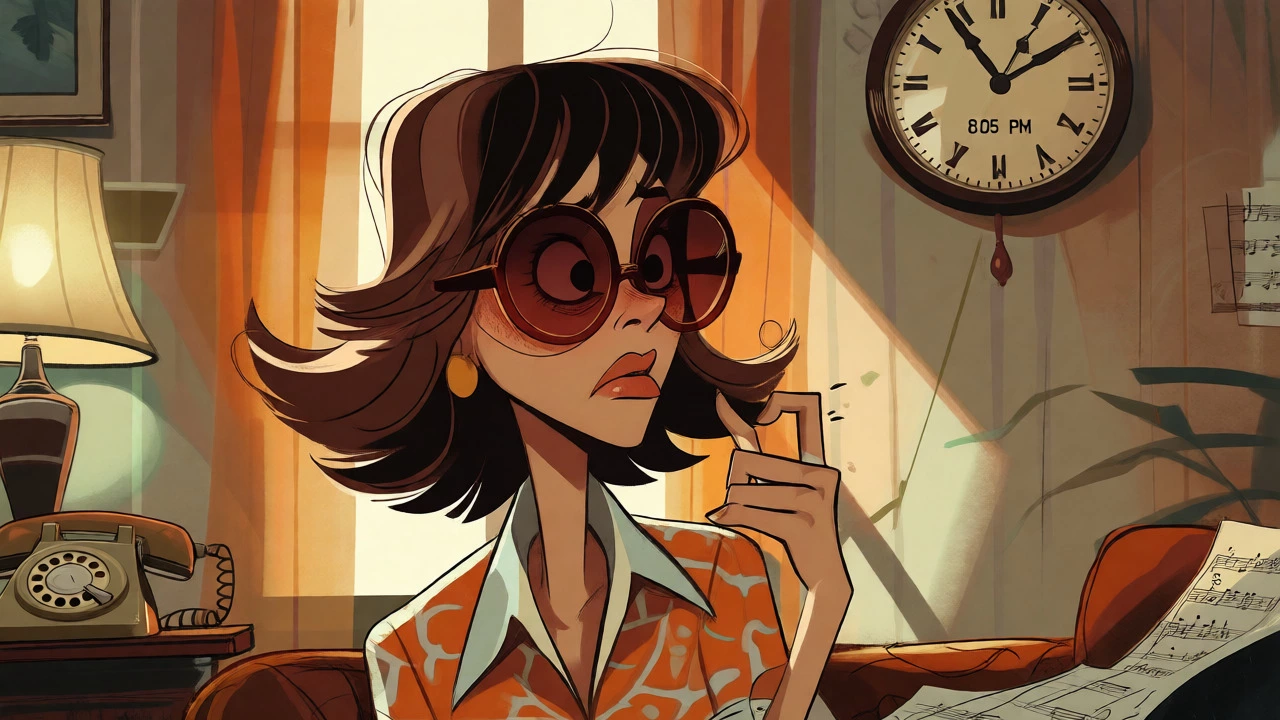

Imagine writing a song that becomes the biggest hit of your life, then spending the next fifty years watching the world try to guess who it’s about. That is the legacy of Carly Simon. While many artists write from experience, Simon mastered a specific alchemy: she turned private vulnerability into public spectacle without ever fully handing over the keys to her diary. Her work isn’t just music; it’s a case study in how confessional lyrics can drive cultural intrigue by balancing disclosure with strategic concealment.
If you’ve ever wondered why her songs still feel so sharp decades later, it’s because they weren’t just complaints-they were constructions. Simon didn’t simply report on her life; she edited it, dramatized it, and weaponized it. This article breaks down how she did it, why it mattered in the 1970s, and what it taught every female artist who came after her.
The Art of Strategic Disclosure
Most people think "confessional" means spilling everything. For Simon, it meant revealing enough to make you feel close to her, but holding back just enough to keep you guessing. In her 2015 memoir, Boys in the Trees, she explained that songwriting allowed her to "externalize and examine" emotions. It wasn’t therapy; it was translation. She took a raw feeling-like the anxiety of waiting for a date-and turned it into a universal narrative.
Take "Anticipation." On the surface, it’s a nervous ramble about being late. But look closer. Simon wrote it in fifteen minutes while waiting for Cat Stevens at her apartment. The genius wasn’t in the story of lateness; it was in capturing the specific mental state of trying to live in the future rather than the present. She transformed a small, embarrassing moment into a meditation on control. By refusing to name the person or the exact context in the lyric itself, she let millions of listeners project their own anxieties onto the track. This is the core of her method: personal specificity leading to universal resonance.
Flipping the Script on the Breakup Anthem
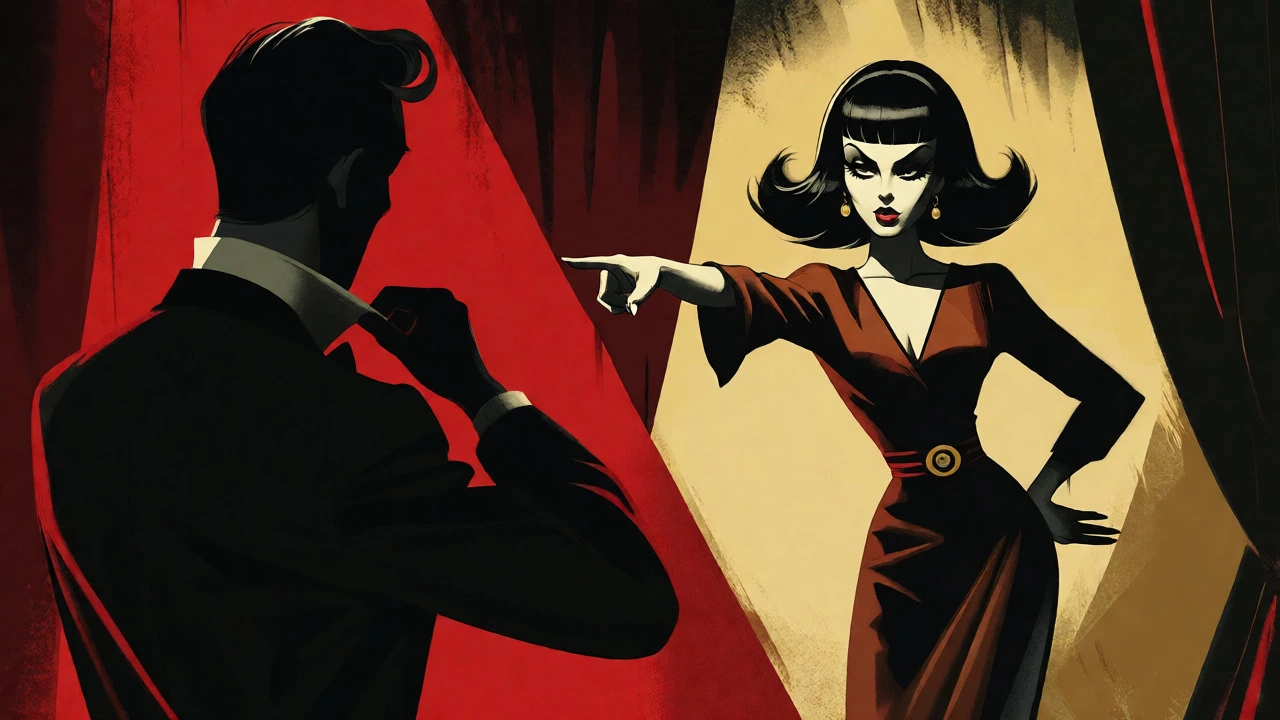
Before Carly Simon, the standard breakup song usually featured a man lamenting a woman’s departure or a woman pining for a man’s return. Simon changed the power dynamic. "You’re So Vain," released in November 1972, is the definitive example. It doesn’t ask for pity. It delivers judgment.
The song entered the Billboard Hot 100 at No. 99 and shot to No. 1 within weeks, staying there for three weeks. But its chart success is secondary to its cultural impact. Historian Judy Kutulas noted that Simon made songs where "the woman was the subject, not the object." In "You’re So Vain," the narrator is an observer, a critic, and a judge. She dissects the ego of her lover with surgical precision. The line "You had me one evening and I had to take off my dress" isn’t just sensual; it’s transactional. It highlights the vanity of a man who thinks his charm is enough to bypass intimacy.
| Feature | Traditional 1960s Ballad | Carly Simon's Confessional Style |
|---|---|---|
| Narrative Voice | Pleading or passive victim | Active observer and judge |
| Emotional Tone | Sorrowful, longing | Ironic, analytical, empowered |
| Listener Role | Empathizer with pain | Detective solving a mystery |
| Subject Matter | General heartbreak | Specific character flaws (vanity, ego) |
The Mystery of "You’re So Vain" as Marketing Genius
Why has the identity of the man in "You’re So Vain" remained a puzzle for half a century? Because Simon understood that ambiguity sells. If she had named Warren Beatty immediately, the song would have been a tabloid footnote. By withholding the answer, she turned the song into a game.
For decades, fans speculated about Mick Jagger, James Taylor, Kris Kristofferson, and others. Simon fed this fire. She eventually confirmed to NBC executive Dick Ebersol in 2003 that the second verse referred to Beatty, but she maintained that the rest was a composite. This wasn’t evasion; it was artistic integrity. Scholarly analysis suggests the song is an assemblage of incidents, some fictionalized. The "cultural intrigue" wasn’t a side effect; it was part of the product. The listener participates in the accusation, wondering, "Is this about me? Is this about him?" This interactive element kept the song alive long after its initial release.
Beyond Romance: Family, Aging, and Ambition
It’s easy to reduce Simon to her romantic hits, but her confessional range extended far beyond dating. Consider "Boys in the Trees." Initially written from the perspective of a daughter absorbing her mother’s attitudes toward men, Simon later reinterpreted it from the perspective of a mother addressing her daughter. The same melody and lyrics shifted meaning as her life stage changed. This demonstrates how her songs functioned as living documents, acquiring new autobiographical layers over time.
Then there’s "Let the River Run," written for the 1988 film Working Girl. Here, Simon moved from private disappointment to public ambition. The song became an anthem for urban self-determination and female careerism. It won the Academy Award, Golden Globe, and Grammy, making Simon the first performer to win all three for a single song composed and performed by herself. This achievement proved that her confessional voice could scale up to cinematic grandeur without losing its intimate edge.
The Gendered Double Standard in Criticism
Critics often treat male singer-songwriters’ autobiographies as universal art, while women’s are dismissed as gossip. When Bob Dylan writes about love, it’s poetry. When Joni Mitchell or Carly Simon does, it’s often framed as "drama." Simon faced this head-on. Some critics argued she didn’t sustain the album-level depth of Joni Mitchell or Carole King. Defenders counter that judging Simon through a narrow rock hierarchy ignores her feminist accomplishment: she made female sexuality compatible with artistic authority.
Allison Rapp of Ultimate Classic Rock pointed out that Simon’s ability to be successful, sensual, and self-directed sent a powerful message in the 1970s. She wasn’t just singing about boys; she was modeling a way for women to claim their narratives. Later artists like Taylor Swift, Tori Amos, and Clairo owe a debt to this blueprint. They learned from Simon that you can be commercially massive while remaining fiercely personal.

Collaboration Behind the Solo Persona
We tend to view singer-songwriters as solitary geniuses, but Simon’s process was collaborative. "That’s the Way I’ve Always Heard It Should Be" features lyrics largely supplied by her friend Jacob Brackman, though Simon composed the melody and performance. The discrepancy between a male lyricist and a convincing female first-person viewpoint is significant. Simon’s phrasing and context made the song hers. Similarly, producer Richard Perry expanded "You’re So Vain" from a folk demo into a pop-rock arrangement, and Mick Jagger contributed uncredited backing vocals. These collaborations show that "personal" songwriting is often a team effort, even if the emotional truth remains singular.
Legacy: Why We Still Listen
Carly Simon’s induction into the Rock and Roll Hall of Fame in 2022 cemented her status. But her real legacy is the permission slip she gave to every woman who wanted to write honestly. She showed that you don’t need to hide your anger, your desire, or your confusion. You can package them in catchy hooks and complex arrangements, and the world will listen.
Her career includes 24 studio albums and 24 Billboard Hot 100-charting singles, but numbers don’t capture the shift she caused. She proved that private experience, when crafted with irony and care, becomes shared cultural drama. Whether you’re listening to the nervous energy of "Anticipation" or the icy disdain of "You’re So Vain," you’re hearing a masterclass in turning life into art without losing the pulse of the life itself.
Who is the song "You're So Vain" actually about?
Carly Simon confirmed in 2003 that the second verse refers to actor Warren Beatty. However, she has stated that the entire song is a composite of multiple relationships and imagined details, meaning no single person is the sole subject.
Did Carly Simon write all her own lyrics?
No. While she is credited with most of her work, early hits like "That's the Way I've Always Heard It Should Be" featured lyrics co-written with Jacob Brackman. She generally preferred writing lyrics first, but collaborated frequently with producers and other writers.
What awards did "Let the River Run" win?
Written for the movie Working Girl, the song won the Academy Award for Best Original Song, the Golden Globe for Best Original Song, and the Grammy for Best Song Written for Visual Media. Simon was the first person to win all three for a single song.
How did Carly Simon influence modern singer-songwriters?
She established a model for female artists to use autobiographical lyrics as both personal expression and commercial strategy. Artists like Taylor Swift and Phoebe Bridgers cite her ability to blend sharp observation with vulnerable confession as a key influence.
Was "Anticipation" really written in 15 minutes?
According to Simon and the Grammy Foundation, yes. She wrote the words and music while waiting nervously for Cat Stevens to arrive for dinner, capturing the immediate emotion of the moment in a short burst of creativity.
