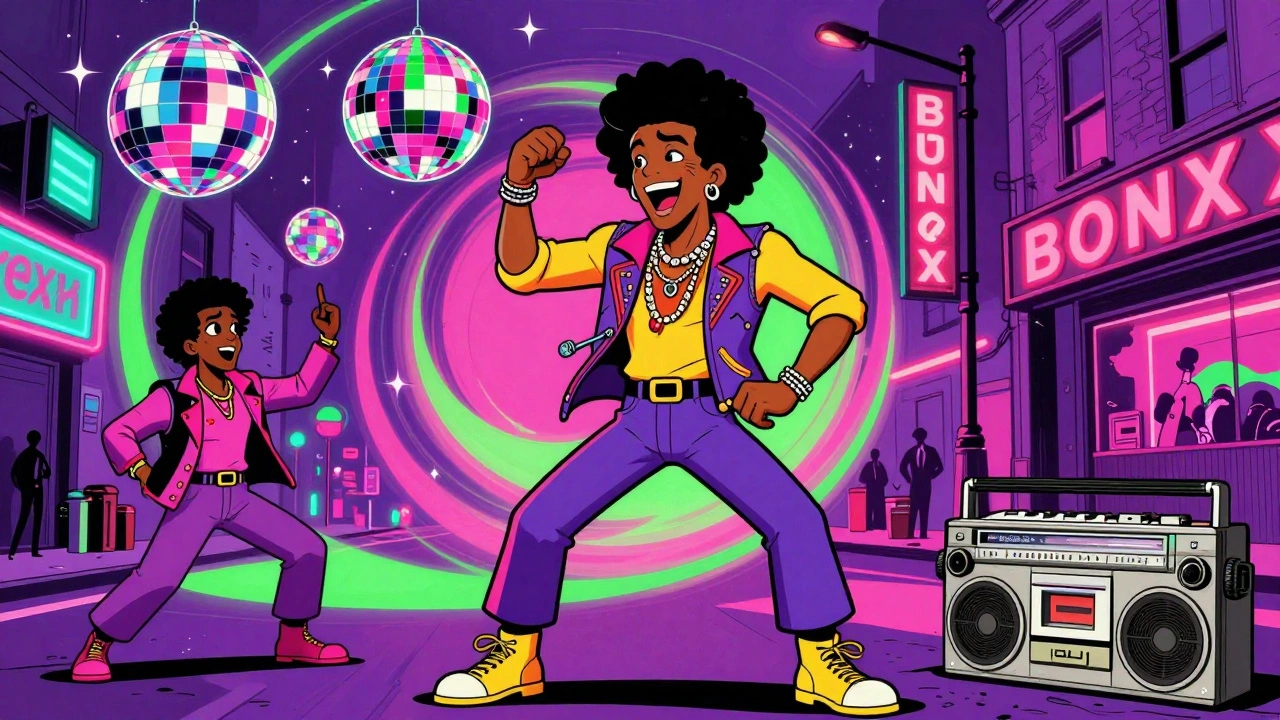

Imagine it's 1986. The air is thick with the sound of synthesized drums and neon-colored fashion. Most old-school funk bands were panicking because a new, raw sound coming out of the Bronx-hip-hop-was stealing their spotlight. But Cameo is an American funk and R&B band that decided to stop fighting the tide and start riding it. Led by the enigmatic Larry Blackmon, they didn't just tweak their sound; they performed a full-scale sonic pivot that resulted in one of the most infectious tracks of the decade: "Word Up!"
This wasn't just another dance hit. "Word Up!" was a bridge. It took the heavy, rhythmic foundation of funk and collided it with the attitude and vocabulary of early rap. If you've ever wondered why that song feels so different from the disco-era leftovers of the late 70s, it's because Cameo was intentionally chasing the "New Wave" of urban music. They swapped out the lush orchestrations for something leaner, meaner, and far more angular.
The Anatomy of a Crossover Hit
To understand why "Word Up!" worked, you have to look at the gears turning under the hood. The track was written by Larry Blackmon and Tomi Jenkins. Blackmon wasn't just the frontman; he was the architect. He understood that the 80s listener wanted a specific kind of energy-something that felt like a party but had the edge of a street battle.
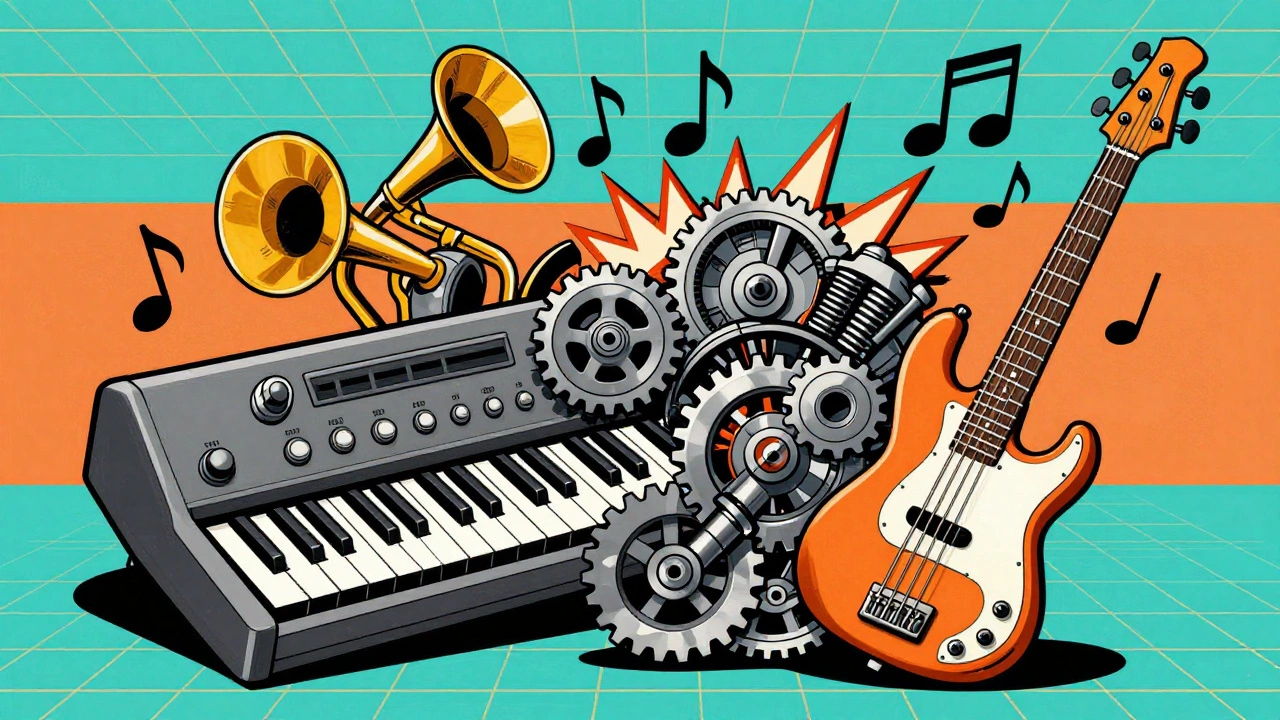
The song is built on "chunky" power chords and horn charts that don't just play melodies; they punctuate the rhythm like a percussion instrument. This is where the Cameo Word Up magic happens. Instead of the flowing, organic grooves of the 70s, the arrangements are staggered and precise. Then there's the lyricism. When Blackmon tells the crowd to "wave your hands in the air like you don't care," he isn't just singing; he's using the exact parlance of the hip-hop MCs of the era. He even takes a swipe at "sucker DJs who think [they're] fly," which was essentially the 1980s version of a rap diss track.
By integrating these elements, Cameo managed to appeal to three different worlds at once: the R&B crowd who loved the groove, the pop fans who liked the hook, and the emerging rap audience who respected the attitude.
| Feature | Traditional Funk (70s) | Cameo's 80s Hybrid |
|---|---|---|
| Rhythm | Fluid, syncopated grooves | Angular, mechanical, "chunky" |
| Instrumentation | Full horn sections, organic bass | Synthesized elements, power chords |
| Lyrics | Party themes, love, social commentary | Rap slang, street attitude, direct calls |
| Vocal Style | Melodic singing, gospel influence | Rhythmic chanting, spoken-word hybrid |
Conquering the Charts and the Screen
The commercial explosion of "Word Up!" was staggering. It didn't just graze the charts; it dominated them. The single climbed to number six on the Billboard Hot 100, giving the band their first real shot at US pop stardom. But where they truly reigned supreme was on the R&B and Dance charts, where the song spent three weeks at number one. It was a global phenomenon, hitting number one in New Zealand and cracking the top three in the UK.
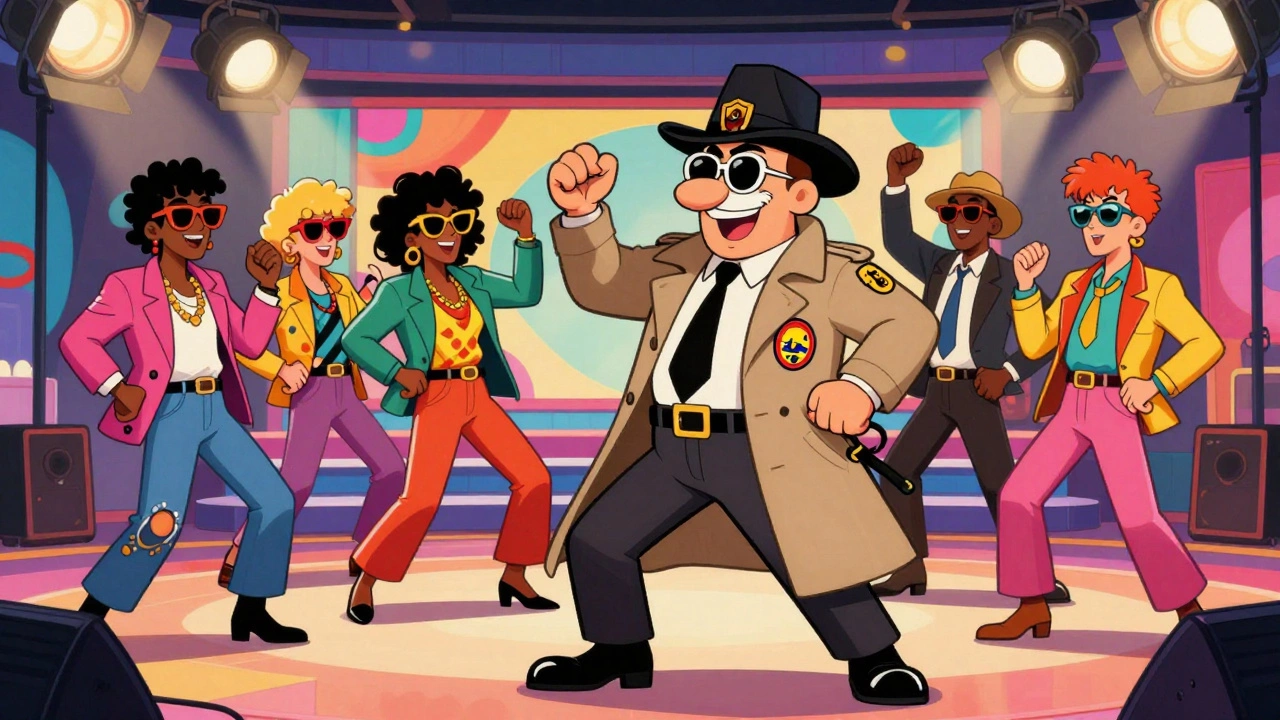
However, the music was only half the battle. The 80s were the era of the image, and MTV was the gatekeeper. The music video for "Word Up!" became an instant cultural artifact. It featured LeVar Burton-best known for *Reading Rainbow* and *Star Trek*-playing a police detective trying to arrest the band. This playful, high-concept approach made the band feel approachable and funny, which stripped away the "intimidating" layer of the funk image and made them pop stars.
Because MTV played the video on a loop, the song moved beyond the R&B stations and into the living rooms of every teenager in America. It turned the song into a visual brand. You didn't just hear "Word Up!"; you saw the style, the choreography, and the swagger associated with it.
The Strategy of Survival: Adapt or Die
Why did Cameo succeed where other funk legends stumbled? Many bands from the 70s viewed rap as a passing fad or, worse, a threat to "real" musicianship. They dug their heels in, continuing to play the same style while the world moved on. Cameo did the opposite. They treated the rise of hip-hop as a resource rather than a rival.
Larry Blackmon and his team were remarkably prolific. Throughout the 70s and 80s, they churned out a dozen albums in a tight nine-year window. This level of output allowed them to experiment in real-time. They didn't just drop a rap song for a quick buck; they studied the vocabulary of the streets and blended it with their own high-level musicianship. They kept the sophisticated horn arrangements but delivered them with a hip-hop punch.
This mindset turned the *Word Up* album into their highest-charting LP. It wasn't just about the title track, either. The album's thematic range, including the motivational closer "You Can Have the World," showed that the band still had a heart and a message, even while they were making the world dance to a machine-driven beat.
The Last Hurrah and the Legacy of the Groove
History often looks at "Word Up!" as the group's commercial apex-the absolute peak of their power. But there's a bittersweet side to this success. Music historians often describe this period as the band's "last hurrah." By the late 80s, the industry was undergoing a massive sea change. The line between funk, R&B, and hip-hop was blurring so much that "funk bands" as a distinct entity began to vanish. The New Jack Swing era was arriving, and the raw energy of rap was becoming the dominant force.
Still, the legacy of this era is undeniable. "Word Up!" proved that cross-genre fusion was the most viable path to mainstream success in the 80s. It created a blueprint for how a legacy act could reinvent themselves without losing their identity. They didn't become a rap group; they became a funk group that spoke the language of rap.
Decades later, the track remains a staple on compilation albums like "The Definitive Collection." It's still the song that gets people on the dance floor because that specific hybrid of a chunky bassline and a catchy, rhythmic hook is timeless. It reminds us that the best music usually happens when artists are brave enough to embrace the things that scare them.
Who wrote and produced "Word Up!"?
The song was written by band members Larry Blackmon and Tomi Jenkins. Larry Blackmon also handled the production, ensuring the track had the precise, angular sound that defined the 1986 release.
How did the "Word Up!" music video help the song's success?
The music video was a cultural hit on MTV, featuring actor LeVar Burton as a detective. This visual presence pushed the song beyond R&B and dance circles and into the mainstream pop consciousness, making it one of the most recognizable videos of the 1980s.
What makes the sound of "Word Up!" different from 70s funk?
Unlike the fluid, organic grooves of the 1970s, "Word Up!" uses angular arrangements, chunky power chords, and rhythmic chanting. It incorporates rap slang and attitudes, moving away from the traditional disco-funk style toward a leaner, more synthesized sound.
Was "Word Up!" a commercial success?
Yes, it was a massive hit. It peaked at number six on the Billboard Hot 100 and spent three weeks at number one on the Billboard R&B chart. Internationally, it reached number one in New Zealand and number three in the UK.
Why is "Word Up!" considered a turning point for Cameo?
It represented the band's shift from traditional R&B/funk to a hybrid sound that blended hip-hop and rap influences. This openness to new trends allowed them to reach their commercial peak just as the broader music landscape was shifting.


