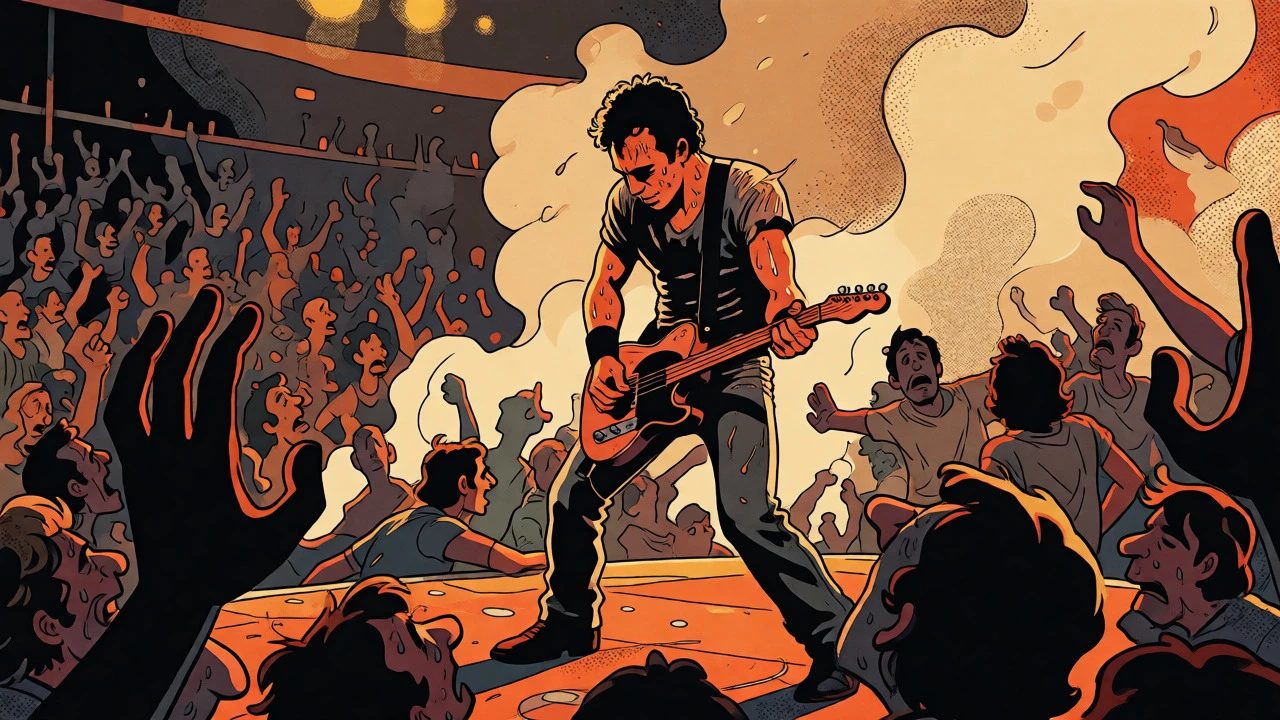

Imagine walking into an arena expecting a standard two-hour rock concert, only to realize at midnight that you’re still standing, your legs are numb, and Bruce Springsteen is just getting started on his thirtieth song. That wasn’t a glitch in the schedule; it was the new normal for fans who attended The River Tour between October 1980 and September 1981. This wasn’t just a promotional run for a double album. It was a physical endurance test that redefined what a rock show could be, turning Springsteen from a critical darling into a national phenomenon through sheer, relentless stamina.
The Anatomy of a Four-Hour Show
If you think modern stadium shows are long, try wrapping your head around the Nassau Coliseum performance on New Year’s Eve 1980. Clocking in at nearly four hours, this specific gig featured 38 songs. That’s not a typo. While most bands were playing tight 90-minute sets, The E Street Band was stretching time itself. Robert Santelli, a renowned music historian, noted that these weren’t just long shows; they were exhaustive experiences that pushed both the audience and the musicians to their limits. The setlist didn’t just cycle through hits; it wove together party anthems like "Hungry Heart" with heavy, working-class narratives from The River, all while inserting lengthy spoken-word stories that turned the concert into a communal theater event.
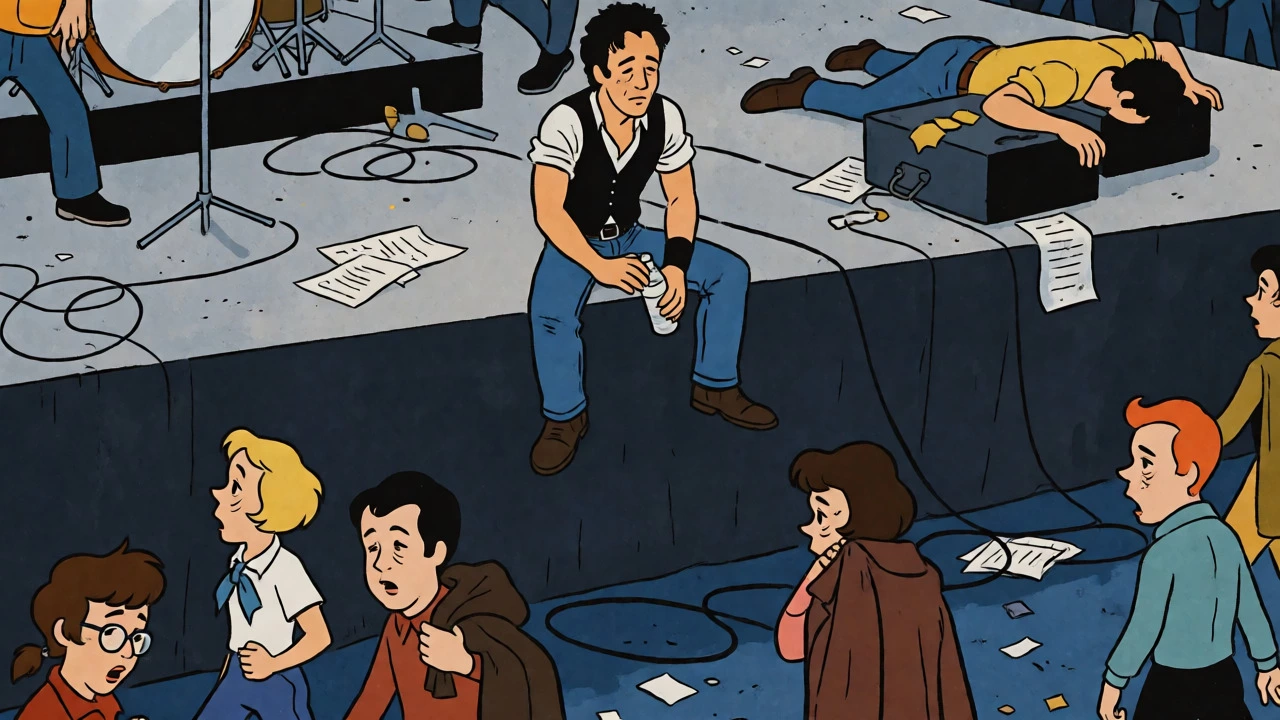
This marathon format created a unique bond with the audience. You weren’t just watching a performance; you were surviving it with them. The Philadelphia Inquirer later recalled these events as the birth of the "three-hour-plus Springsteen experience," a reputation that stuck for decades. But here’s the catch: this intensity came at a cost. By early 1981, the physical toll was undeniable. Two scheduled shows in Indianapolis and Lexington were postponed because Springsteen was simply exhausted. It raises a tough question for any fan or artist: Is there such a thing as too much of a good thing? For Springsteen, the answer seemed to be no, even if his body disagreed.
Why The River Demanded More Time
To understand why the tour lasted so long, you have to look at the album it supported. Released in October 1980, The River was a 20-song double LP. It was ambitious, sprawling, and deliberately contradictory. On one side, you had exuberant rockers like "Sherry Darling" and "Cadillac Ranch." On the other, you had somber, cinematic tracks like "Independence Day" and "Wreck on the Highway." Playing this record live required more than just hitting the right notes; it required emotional whiplash. Springsteen couldn’t just play the songs; he had to contextualize them. He added extended intros, anecdotes about his youth in New Jersey, and improvised jams that allowed the band to breathe between the heavier material.
The strategy wasn’t to perfectly replicate the studio recordings. Instead, Springsteen mixed the new River material with established favorites from Born to Run and Darkness on the Edge of Town. A documented set from Chicago in October 1980 included 31 songs, blending deep cuts with radio staples. This approach kept the shows unpredictable. Fans knew they might hear "Jungleland," but they also knew they might hear a rare cover or a twenty-minute version of "Drive All Night." This unpredictability rewarded the die-hards who attended multiple nights in a row, creating a subculture of collectors who traded bootlegs and compared setlists the next morning.
The European Expansion and Physical Toll
After conquering North America, Springsteen took the marathon model across the Atlantic. This marked his first substantial tour of Western Europe since 1975. The leg kicked off in Hamburg, West Germany, in April 1981, covering ten countries including France, Spain, and the UK. Interestingly, the European shows were generally shorter than the American peaks. The opening night in Hamburg featured 24 songs-fourteen fewer than the Nassau peak. Was this a strategic choice or a necessity born of exhaustion? Likely both. The postponement of the initial UK dates due to fatigue suggested that the previous year’s pace was unsustainable. By condensing the setlist slightly, Springsteen maintained the energy without burning out completely before the final shows in Cincinnati.
Despite the slight reduction in length, the European reception confirmed that the marathon aesthetic had international appeal. The Wembley Arena dates became legendary, not just for the music, but for the sheer commitment required to stay awake and engaged until the encore. This period solidified Springsteen’s status beyond the East Coast bubble. Before The River Tour, he was a critically acclaimed act with a cult following. After it, he was a global superstar whose name guaranteed a night of unforgettable, albeit exhausting, entertainment.
Critical Reception: Genius or Excess?
Not everyone loved the marathon format. While fans raved about the value-for-money aspect of a four-hour show, some critics argued that the excess threatened the artistic integrity of the performance. An archival review of a Madison Square Garden show from December 1980 criticized the set for being "overextended," suggesting that the tighter, more disciplined structure of the earlier Darkness tour was superior. These critics felt that when a show stretches past three and a half hours, the quality inevitably dips. Repetition sets in, and the emotional impact of individual songs can get lost in the noise.
| Performance Location & Date | Song Count | Estimated Duration | Key Characteristics |
|---|---|---|---|
| Nassau Coliseum, NY (Dec 31, 1980) | 38 | ~3 hours 47 mins | New Year's Eve celebration; longest recorded set; included "Santa Claus Is Coming to Town". |
| Uptown Theatre, Chicago (Oct 11, 1980) | 31+ | ~3 hours | Heavy focus on new River material; premiered several arrangements. |
| Congress Centrum, Hamburg (Apr 7, 1981) | 24 | ~2.5 hours | European opener; streamlined setlist; marked return after rest period. |
| Tempe, AZ (Nov 5, 1980) | 33 | ~3.5 hours | Released as 3-CD archive; featured "Detroit Medley" and extensive encores. |
However, the counter-argument is strong. The risk of exhaustion was part of the allure. The imperfections-the missed cues, the breathless pauses, the raw vocals in hour three-made the performances feel human and urgent. Unlike polished pop spectacles, Springsteen’s shows were living entities that changed based on the crowd’s energy and the band’s physical state. This willingness to risk failure in pursuit of connection is what separated him from his peers.
Legacy and Archival Documentation
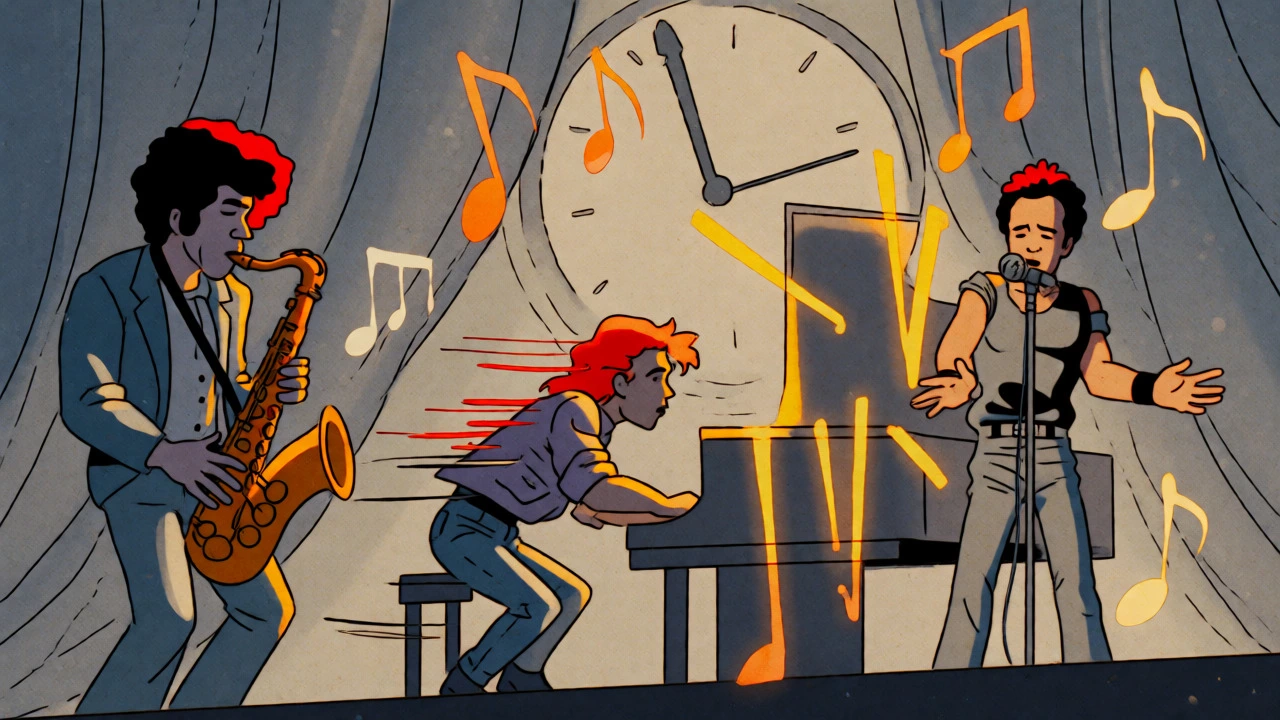
For years, fans relied on low-quality bootlegs to piece together the tour’s narrative. It wasn’t until March 2015 that Columbia Records released Nassau Coliseum, New York 1980, officially documenting the peak of the marathon era. This release validated the historical significance of the tour, offering high-fidelity proof of the band’s chemistry. Clarence Clemons’ saxophone solos, Roy Bittan’s piano flourishes, and Max Weinberg’s drumming held up remarkably well over four hours, proving that the length wasn’t just filler-it was sustained excellence.
The River Tour remains a template for live performance ambition. Later tours, including the 2016 revival where the album was played front-to-back, drew directly from this era’s playbook. But the original 1980-1981 run stands apart because it coincided with Springsteen’s transition from a regional hero to a global icon. It proved that audiences would follow an artist anywhere, even if it meant losing sleep. If you’re looking to understand the DNA of Springsteen’s live identity, this is the chapter you need to read. It’s messy, loud, and occasionally self-indulgent, but it’s undeniably powerful.
Frequently Asked Questions
How many songs did Bruce Springsteen typically play during The River Tour?
The number varied significantly depending on the venue and the date. Early shows often featured over 30 songs, with the peak occurring on New Year's Eve 1980 at Nassau Coliseum, where he played 38 songs. As the tour progressed into 1981, particularly in Europe, the setlists were slightly streamlined to around 24-28 songs to manage physical fatigue.
Why were some dates on The River Tour postponed?
Several dates, including shows in Indianapolis and Lexington, Kentucky, were postponed due to Bruce Springsteen's physical exhaustion. The demanding schedule of performing three-to-four-hour concerts nearly every night took a severe toll on his health, necessitating a break before resuming the European leg of the tour.
Is there an official live album from The River Tour?
Yes. While no single album captured the entire tour in 1980 or 1981, Columbia Records released Nassau Coliseum, New York 1980 in 2015 as part of the Bruce Springsteen Archive Series. This recording documents the famous 38-song New Year's Eve performance and runs for approximately 3 hours and 47 minutes.
Did The River Tour include songs from previous albums?
Absolutely. Springsteen blended new material from The River with classics from Born to Run and Darkness on the Edge of Town. Songs like "Born to Run," "Thunder Road," and "Badlands" remained staples, ensuring that both new fans and longtime followers had a balanced experience.
What made The River Tour different from other tours in the 1980s?
Its defining feature was duration and narrative depth. While other bands focused on spectacle or concise hit-driven sets, Springsteen prioritized endurance and storytelling. The shows often exceeded three hours, featuring lengthy monologues and extended musical jams that transformed the concert into a communal, almost theatrical experience.


