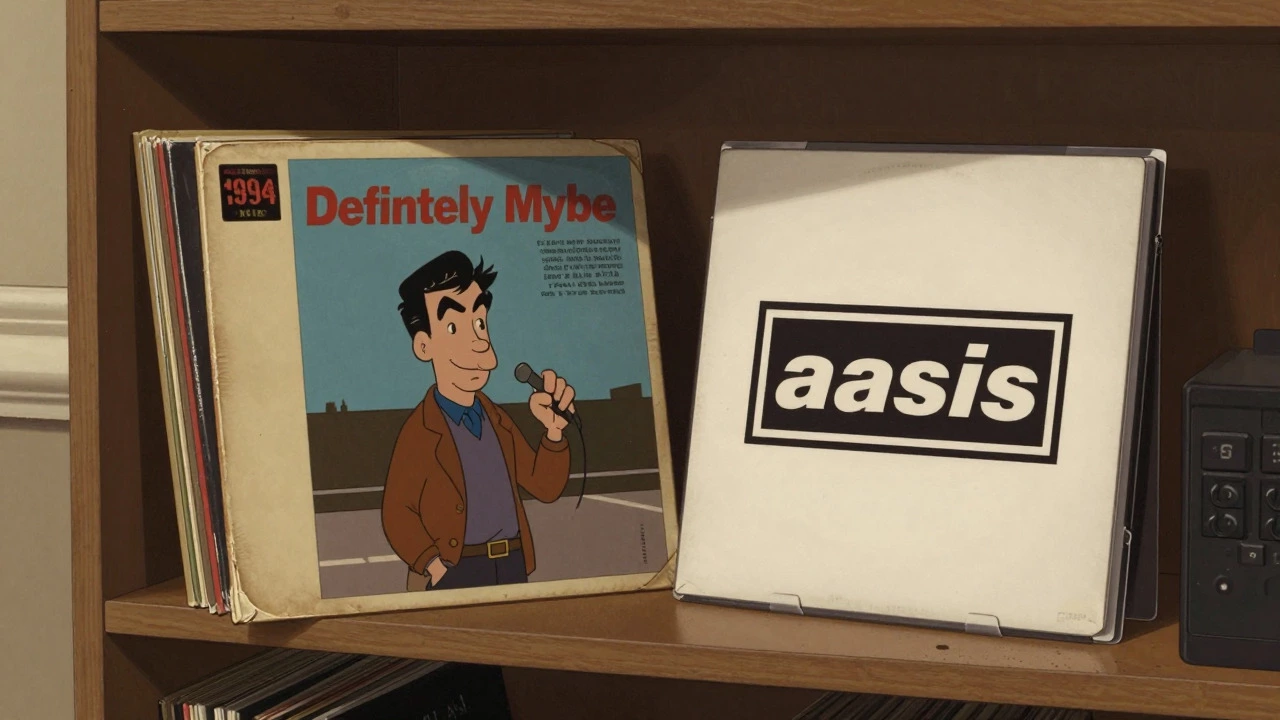

You can still hear the echo of stadium crowds if you know where to look. Not in a concert hall, but on a shelf somewhere in Manchester or London, sitting inside a worn cardboard sleeve. The Britpop is a British cultural and musical movement that peaked between 1993 and 1997, characterized by guitar-driven pop anthems and a distinctively British identity era wasn't just about the music; it was a visual and physical experience. Today, that era has transformed into a thriving collector's market. Whether you are hunting for an original copy of Oasis’s debut album or a vintage NME magazine cover, understanding what drives value in this niche is key.
The market for 90s British rock memorabilia has shifted dramatically. What was once disposable merchandise is now considered historical artifact. Dealers like eil.com and RareVinyl have dedicated sections specifically for the years 1993 through 1997, signaling that this isn't a passing trend. It is a structured economy with clear hierarchies of rarity and price. If you want to build a collection-or sell one-you need to understand the three main pillars: vinyl records, printed ephemera, and broader memorabilia.
Vinyl Records: The Core of the Collection
Vinyl is the heartbeat of any Britpop collection. But not all records are created equal. In the mid-2020s, the market is split sharply between new reissues and original pressings. You can walk into a shop or browse Viking Records online and find remastered gatefold editions of classic albums like Oasis’s (What’s The Story) Morning Glory? or Blur’s The Great Escape for around £20 to £35. These are high-quality, modern pressings, often on heavy 180g vinyl, designed for listening pleasure rather than investment.
However, collectors looking for value appreciation focus on the originals. An antiques expert named Martin, who regularly auctions music memorabilia, noted in 2023 that "1990s vinyl is the hottest vinyl on the market." He reported selling an original copy of Oasis’s Definitely Maybe for £250 when it was in excellent condition. Even copies with visible storage wear fetched over £100. This creates a massive gap between a brand-new reissue and a genuine 1994 pressing. The difference lies in matrix numbers, label designs, and barcode placement-details that separate a piece of history from a commodity.
| Item Type | Typical Price Range (GBP) | Target Audience |
|---|---|---|
| Modern Remaster / Reissue | £20 - £35 | Casual listeners, decor buyers |
| Anniversary Edition (Colored Vinyl) | £40 - £65 | Dedicated fans, gift buyers |
| Original 1990s Pressing (Good Condition) | £100 - £250 | Serious collectors, investors |
| Rare Promo / Limited Merchandise | £400 - £500+ | High-end specialists |
Budget collectors shouldn't feel left out. CD singles and 7" vinyl singles from the era often appear on Discogs for under £5. Cassette tapes, once considered obsolete, have seen a quirky resurgence in nostalgia circles, with reproduction cassettes appearing on eBay for around £10. These items allow you to own a piece of the era without breaking the bank, serving as entry points before moving up to higher-value LPs.
Posters and Printed Ephemera
If vinyl is the sound of Britpop, posters are its face. During the height of the movement, bands plastered their images across university walls, pub doors, and street poles. Today, these items are sought after for their graphic design and historical context. Shops like The Nostalgia Shop specialize in mounting original advert cards and prints from the 1990s, turning them into ready-to-frame art pieces. This category appeals to people who may not care about audio fidelity but love the aesthetic of the Cool Britannia era.
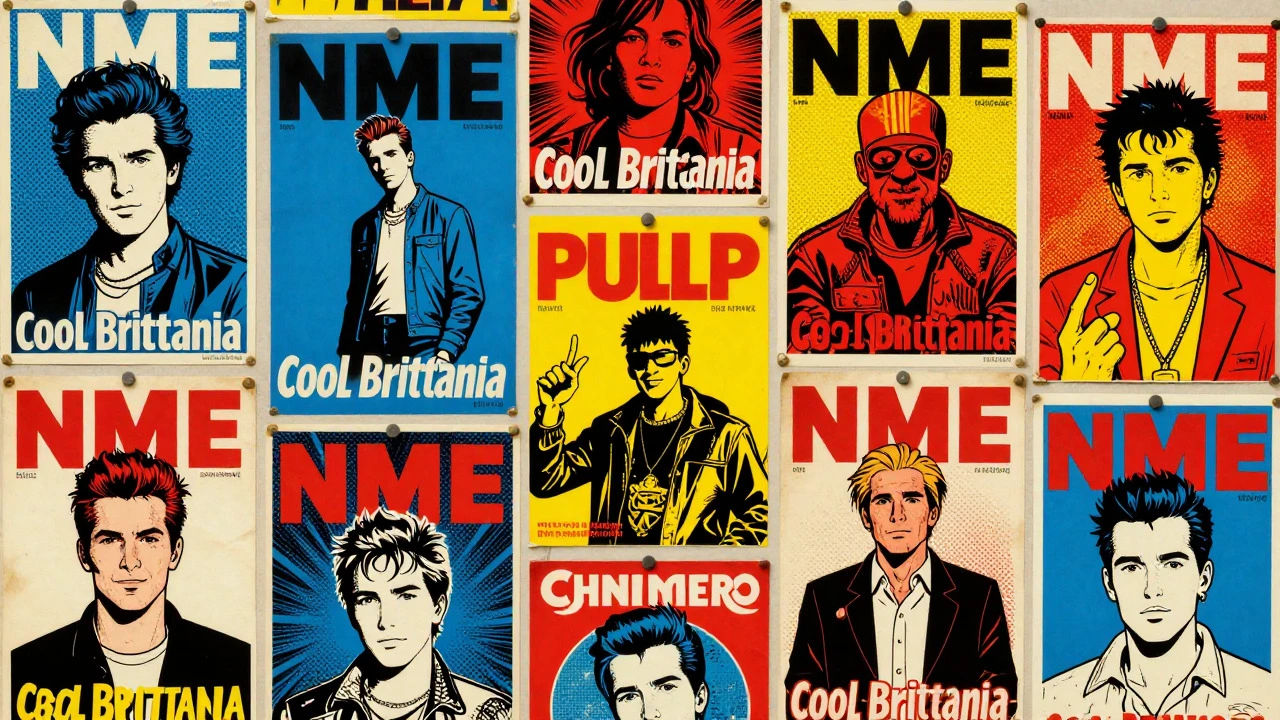
Magazines play a crucial role here too. Vintage issues of NME and Melody Maker featuring cover stories on Pulp, Suede, or Supergrass are highly collectible. Etsy has become a hub for this type of trade, where sellers offer rare Y2K features and unique band clippings. Prices for individual magazines typically range from £5 to £20, depending on condition and the significance of the cover story. Unlike vinyl, where scratches kill value, paper ephemera is more forgiving; a yellowed page doesn't necessarily destroy the item's worth, especially if it’s being used for crafting or display.
Memorabilia Beyond Music
The definition of memorabilia extends far beyond things you can listen to or hang on a wall. This includes autographed tour programmes, signed photographs, and even clothing. Pop Memorabilia, a dealer specializing in historic concert programmes, highlights items from the 1950s to the present, with the mid-90s representing a golden age for rock documentation. A signed programme from an Oasis tour in 1995 carries significant weight because it connects directly to a specific moment in time.
Merchandise also holds value, though it varies wildly. Official band T-shirts from the 90s can be expensive if they are original and in good condition, but reproductions flood the market. Be cautious here. Authenticity is everything. NME’s collectables guide points out that some ultra-rare Oasis artefacts, such as limited-run promotional items made in very small batches, can fetch around £500. Compare this to a standard DVD release of a live performance, which might cost £54 on Amazon. The disparity shows that scarcity drives price more than utility. A DVD is useful; a one-of-a-kind promo tape is a trophy.
Navigating the Market: Where to Buy and Sell
The ecosystem for buying and selling Britpop items is fragmented but accessible. Specialist dealers like eil.com and RareVinyl curate their stock for serious collectors, offering rarities, imports, and jukebox singles that you won’t find in mainstream stores. They provide a level of authentication that peer-to-peer platforms lack. However, they also charge a premium for that convenience.
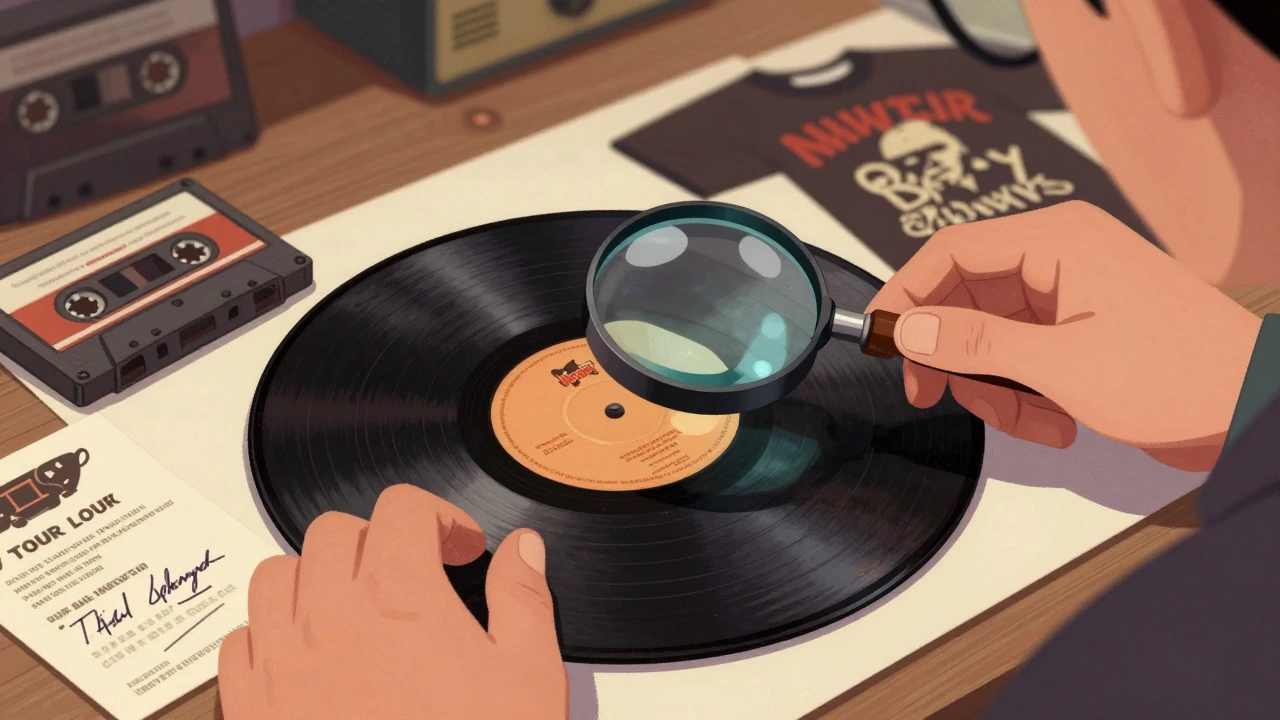
For budget-conscious hunters, Discogs and eBay remain the primary tools. Discogs is particularly useful for identifying specific pressings. You can look up the matrix number on the runout groove of a record to determine if it’s a first pressing or a later reissue. This knowledge can save you hundreds of pounds. On eBay, prices are driven by auction dynamics, meaning you can sometimes snag a deal if you bid late. But beware of fakes. Always ask for photos of the label and the spine of the jacket. Wear patterns on spines tell a story; a pristine spine on a supposedly 1994 record is a red flag.
Auction houses also play a role, especially for high-end items. As mentioned, experts like Martin use auction results to set public benchmarks. Seeing a record sell for £250 publicly validates the market for other similar items. It gives confidence to both buyers and sellers that there is a floor price for top-tier Britpop artifacts.
Future Outlook and Investment Potential
Is Britpop memorabilia a good investment? For most people, it’s a passion project. But financially, the trends are positive. The generation that grew up in the mid-90s is now in its 40s and 50s, with disposable income and nostalgic desires. This demographic shift fuels demand. Meanwhile, supply is finite. Original pressings degrade over time. Sleeves tear, vinyl warps, and posters fade. Every year, fewer mint-condition copies exist.
Labels continue to release anniversary editions, which keeps the culture alive but dilutes the scarcity of newer products. A 25th-anniversary silver vinyl edition of The Masterplan is cool, but thousands were made. An original 1996 promo single? There might only be fifty in existence. That’s where the real value lies. As streaming dominates music consumption, physical objects become rarer luxuries. The tactile nature of a record or a poster offers something digital files cannot: permanence.
If you are starting today, focus on quality over quantity. One pristine original album is better than ten damaged reissues. Learn to grade your items using standard terminology like Mint, Near Mint, and Very Good. Understand the differences between UK and US pressings. And most importantly, buy what you love. The market fluctuates, but the joy of holding a piece of 1990s British history is constant.
How much is an original Oasis Definitely Maybe worth?
An original 1994 pressing of Oasis's Definitely Maybe in excellent condition can sell for around £250. Copies with noticeable wear or damage typically range from £100 to £150. Modern reissues, however, usually cost between £20 and £30.
Where can I buy authentic Britpop memorabilia?
Specialist dealers like eil.com and RareVinyl are trusted sources for authenticated vinyl and rarities. For posters and magazines, check curated shops like The Nostalgia Shop or vetted sellers on Etsy. For bargains and variety, Discogs and eBay are popular, but require careful verification of item conditions and authenticity.
Are Britpop vinyl records a good investment?
While not a guaranteed financial return, original pressings from 1993-1997 have shown steady value retention and growth due to limited supply and increasing nostalgia. High-demand items from bands like Oasis and Blur in near-mint condition are the safest bets for potential appreciation.
What is the difference between a reissue and a first pressing?
A first pressing is the original release from the 1990s, often identifiable by specific matrix numbers, label designs, and lack of barcodes on early versions. Reissues are modern remasters, often on heavier vinyl, with updated packaging and barcodes. First pressings are significantly more valuable to collectors.
Which Britpop bands have the most valuable collectibles?
Oasis and Blur dominate the market due to their massive commercial success during the peak years. Pulp and Suede also have strong collector bases, particularly for rare singles and promotional materials. Items associated with major tours and chart-topping albums generally command higher prices.


