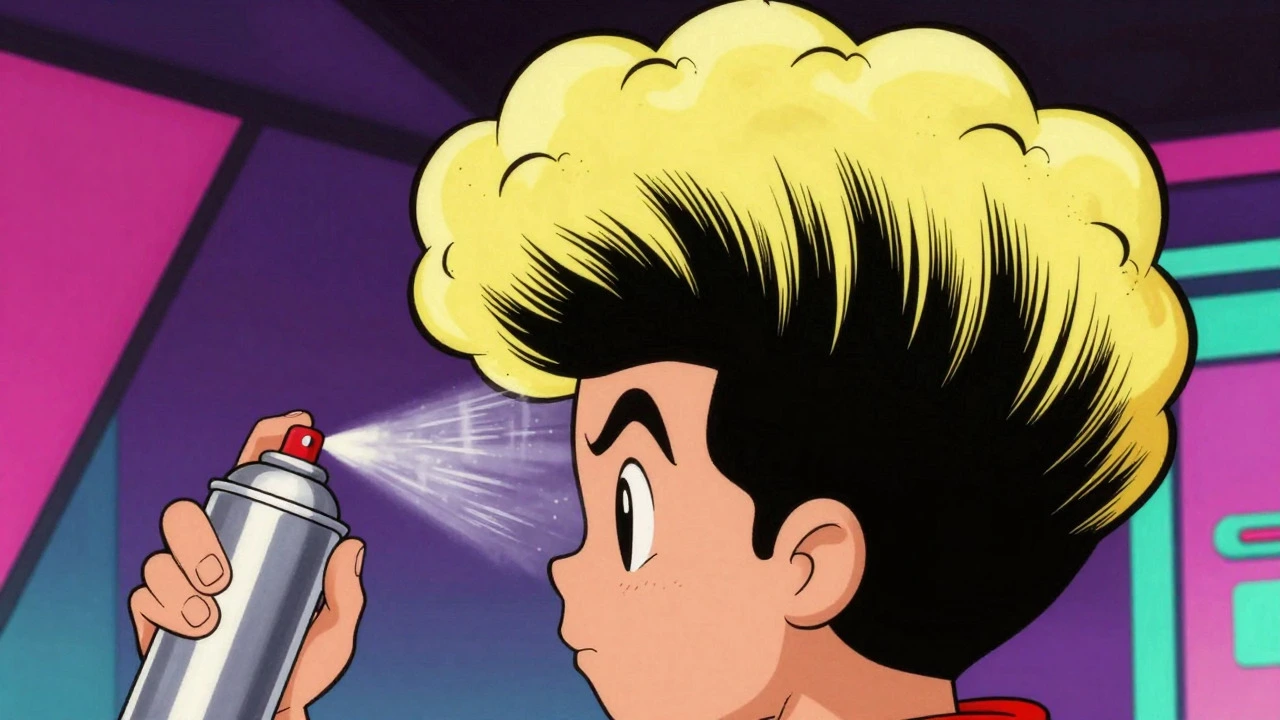

Imagine walking into a room and hearing the distinct *whoosh* of a heavy aerosol can before you even see the person. That is the sound of 1980s volume, a styling era defined by dramatic height, structural rigidity, and an unapologetic love for excess. While modern beauty standards often favor sleek, low-maintenance looks, the desire for that iconic, cloud-like silhouette has never truly faded. Whether you are preparing for a themed party, a music video shoot, or just want to channel your inner glam metal icon, achieving authentic 1980s hair requires more than just a good blow-dryer. It demands a specific combination of mechanical manipulation, chemical assistance, and product layering that creates a foundation strong enough to defy gravity.
The secret lies in understanding that 1980s hair was not just about "fluffing"; it was an engineering project. Stylists of the decade treated the head as a canvas where every strand had a structural role. To recreate this look today, you need to master the interplay between root lift, internal cushioning through teasing, and external locking with heavy-hold products. This guide breaks down the exact techniques used by professionals and enthusiasts to build that signature width and height, ensuring your style stays put from the first beat of the synth to the last drop of the bass.
The Core Pillars of 1980s Volume
To get the right shape, you have to understand the three main components that hold the style together. Without one, the structure collapses; without all three, you just get frizzy hair, not a 1980s masterpiece.
- Structural Manipulation: This involves physically altering the hair's position relative to the scalp. The primary method here is backcombing (also known as teasing), which creates a dense, nest-like base under the top layer of hair. For those with naturally straight hair, chemical perms were often used to add texture and bulk that could be further manipulated.
- Directional Heat Styling: Heat is used to set the hair in a lifted position. This includes blow-drying with the head inverted or using hot rollers to create curls that expand outward rather than hanging down. The goal is to force the hair shaft to remember its new, elevated shape.
- Product Locking: Once the shape is built, it needs to stay there. This is where volumizing mousse provides initial body, and aerosol hairspray freezes the entire structure in place. In the 1980s, these sprays were incredibly strong, often containing alcohols that dried quickly to create a hard shell around the hair.
Step-by-Step: Building the Foundation
You cannot build a house on sand, and you cannot build 1980s hair on limp, freshly washed strands. Here is how to prepare your canvas.
- Preparation: Ideally, start with hair that is at least one day old. Freshly washed hair is too slippery and lacks the natural oils needed for grip. If you must wash it, towel dry it until it is damp but not dripping wet.
- Application of Mousse: Take a generous palmful of volumizing mousse. Work it through your fingers and apply it specifically to the roots and mid-lengths. You want to coat the hair evenly without weighing it down. Some vintage formulations even included glitter for stage lighting, so don't be afraid to go bold if you're aiming for a rock-star look.
- Inverted Blow-Drying: Flip your head upside down. Use a round brush or your fingers to lift sections of hair straight up from the scalp while directing the heat from the blow-dryer underneath. This technique forces the roots to lift away from the head, creating the initial lift necessary for volume. Keep the dryer on a warm setting, not hot, to avoid damage while setting the shape.
Mastering Backcombing and Teasing
This is the step most people fear, but it is the heart of the 1980s look. Teasing isn't about raking your hair violently; it is about building a supportive cushion.
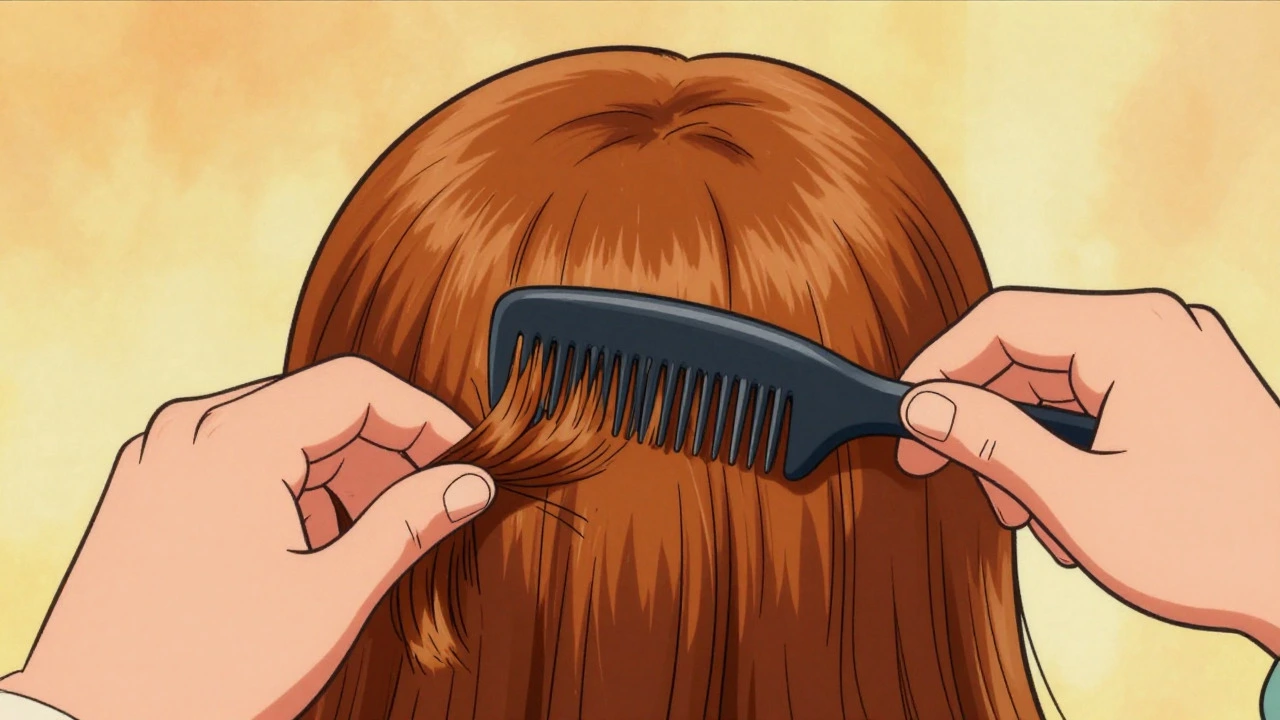
Start by sectioning your hair into manageable bands, roughly 1 to 2 inches wide. Focus on the crown and the front hairline, as these areas determine the overall silhouette. Lift a section straight up, perpendicular to your scalp. Using a fine-tooth comb, gently push the teeth toward the root in short, controlled strokes. You are essentially brushing the lower part of the section backward into itself. Repeat this until the section feels thick and dense when you run your fingers through it. Be gentle; aggressive pulling leads to tangles that are nearly impossible to remove later. Once you have teased all the desired sections, lightly brush the top layer of hair over the teased interior. This smooths out the rough surface while hiding the structural support beneath, giving you that polished yet massive appearance.
Heat Styling with Rollers and Irons
For added drama and texture, incorporate heat tools after the initial drying phase. Hot rollers are particularly effective for creating the large, soft curls associated with many 1980s styles. Use smaller rollers around the face and crown for tighter definition, and larger rollers underneath for broader support. Wrap 1-inch sections of hair around each roller and allow them to cool completely before removing them. Cooling is crucial because it sets the curl pattern permanently within the hair shaft.
If you prefer a smoother finish, a wide-barrel curling iron can be used on the outer layers after teasing. Curl sections away from the face to create movement. The key here is consistency; alternate the direction of your curls to ensure the volume expands evenly in all directions rather than pulling to one side.
Locking It In: The Art of Hairspray
Nothing defines the 1980s aesthetic quite like the liberal use of hairspray. This is not the time for a light mist. You need a strong-hold aerosol spray designed to freeze hair in place against wind and movement. Hold the can about 10 to 12 inches away from your hair to ensure even coverage. Spray generously, focusing on the roots and the underside of the teased sections. For extra security, flip your head upside down again and spray from below, then flip back up and adjust the shape with your hands. The result should be a style that feels sturdy, almost rigid, but still maintains its visual softness.
Variations for Different Hair Types
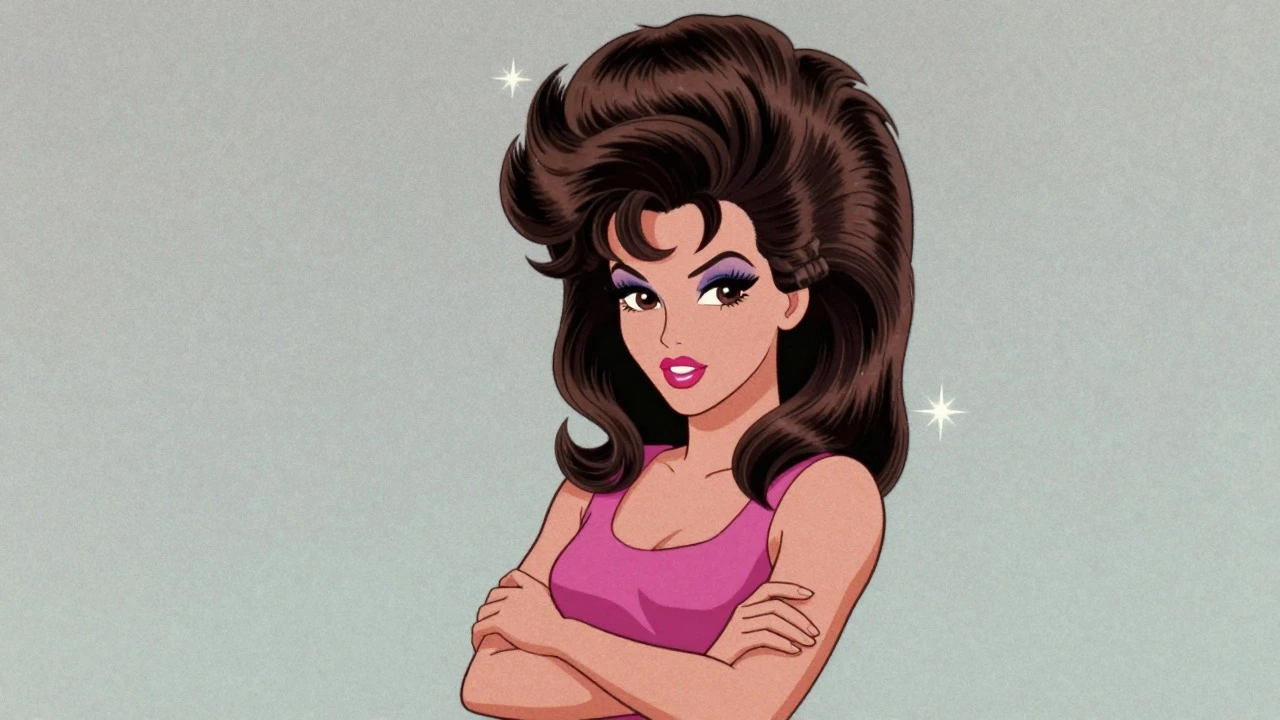
Your natural hair texture plays a significant role in how much work you need to do. If you have naturally curly hair, you have a head start. Focus on enhancing your existing texture with mousse and diffusing your hair while it dries. Scrunching the curls upward can help direct the volume. For straight-haired individuals, the challenge is greater. You may need to rely more heavily on crimping irons to add artificial texture to sections of hair before teasing. Crimping multiple 2-inch strips randomly throughout the head can provide the grip needed to hold the teased base in place. Men aiming for a rock-inspired look should focus on gel application to damp hair, styling upward with fingers, and sealing with heavy spray. The goal is a silhouette that stands significantly away from the scalp, projecting confidence and attitude.
Avoiding Common Mistakes
Even with the right tools, it is easy to end up with a messy disaster instead of a stylish statement. One common error is over-teasing. If you pull too hard, you create knots that will ruin your day when you try to take the style down. Always tease gently and only the sections closest to the scalp. Another mistake is skipping the cooling phase with rollers. Removing hot rollers immediately causes the curls to fall flat as they reheat. Patience is key. Finally, be mindful of product buildup. Using too much gel can make your hair feel like cardboard, while too much spray can cause flaking. Adjust amounts based on your hair density and the level of hold you need.
Frequently Asked Questions
Do I need a perm to get 1980s volume?
No, a perm is not strictly necessary. While perms helped many people in the 1980s achieve lasting volume, you can replicate the look entirely with backcombing, heat styling, and strong-hold products. Perms are optional and mainly useful if you have very fine or straight hair that struggles to hold a shape.
How long does it take to style 1980s hair?
Expect to spend at least 30 to 45 minutes on a full routine. This includes washing/drying, applying mousse, blow-drying, teasing, rolling/curling, and final spraying. With practice, you can streamline the process, but the detailed teasing and cooling steps require time.
What is the best way to remove teased hair without breaking it?
Apply a detangling spray or conditioner to dampen the hair slightly. Start brushing from the ends and work your way up to the roots. Use a wide-tooth comb first to break up large tangles before switching to a regular brush. Patience is essential; rushing will lead to breakage.
Can I use modern hairsprays for an authentic look?
Yes, but choose a strong-hold formula. Modern sprays are often less harsh on the hair than their 1980s counterparts, which is a plus for hair health. However, for maximum authenticity and rigidity, look for professional-grade aerosols labeled for "extreme hold" or "freeze."
Is backcombing bad for my hair?
Backcombing can cause some mechanical stress, especially if done aggressively or frequently. To minimize damage, use a fine-tooth comb, tease gently, and limit the frequency of this style. Incorporating deep conditioning treatments can help restore moisture and strength after styling sessions.