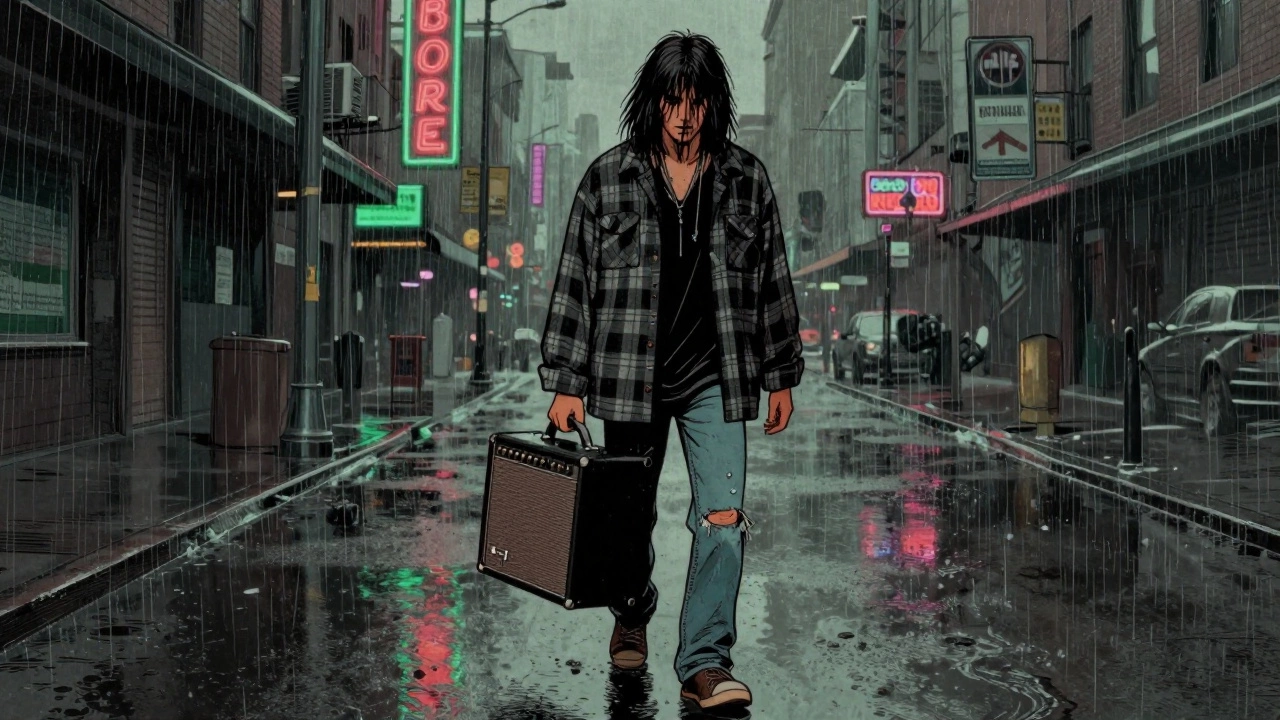

Everyone knows the story of the rainy streets of Seattle, the flannel shirts, and the sudden explosion of distorted guitars that changed music forever. But if you look closely at the map of the 1990s, the grunge revolution is more than just a city-specific phenomenon; it was a regional atmospheric shift that bled into neighboring hubs and echoed across the Upper Midwest. While the world focused on the "Big Four" bands in Washington, a deeper, more sustainable counterculture was taking root in places like Portland and Minneapolis, proving that the movement wasn't just about a specific zip code, but a shared mood of disillusionment and raw energy.
The Seattle Epicenter and the Label Trap
To understand how the sound traveled, we have to admit that Seattle was the undisputed launchpad. In the late 80s, the scene was defined by a very specific sonic cocktail: heavy distortion, feedback, and a marriage of punk's aggression with metal's weight. Labels like Sub Pop essentially curated the aesthetic, turning a local underground vibe into a global brand. However, the term "grunge" quickly became a victim of its own success.
By 1990, the word stopped describing a sound and started describing a demographic. If you were under 30 and lived in the Pacific Northwest, you were suddenly "grunge," regardless of whether you played sludge-heavy riffs or indie pop. This creates a weird divide between the authentic, muddy sound of early pioneers and the polished, commercialized version that later bands like Silverchair adopted. The original movement was about the dirt and the noise; the commercial version was about the haircut.
Portland: The Preservation Vault of Grunge Ethos
While Seattle was the birthplace, Portland became the place where the soul of the movement actually lived on. In the 90s, Portland wasn't trying to be the next music capital of the world; instead, it embraced the counterculture as a way of life. The city's slower pace, lack of corporate polish, and obsession with independent coffee shops created a perfect sanctuary for the grunge ethos to survive long after the radio hits faded.
In Portland, grunge wasn't just a genre you listened to; it was a fashion trend and a social philosophy. This is why the city's identity remained so tethered to the 90s for decades. You can see this legacy in the way the city transitioned into its "hipster" era in the 2010s. The love for vintage gear, the thrift-store layers, and the fiercely independent spirit are all direct descendants of that 90s grunge footprint. For many locals, that decade was a "golden age"-a time before the digital noise of cell phones, where the community was held together by basement shows and art projects.
| City | Primary Role | Core Influence | Long-term Legacy |
|---|---|---|---|
| Seattle | Innovation & Export | Sonic experimentation, Industry labels | Institutionalized music tourism |
| Portland | Preservation & Lifestyle | Counterculture, DIY aesthetics | Foundation for modern hipster culture |
| Minneapolis | Midwest Adaptation | Alternative indie, Hard rock fusion | Diversified alternative music hub |
The Midwest Connection: Minneapolis and the Alternative Ripple
Moving east toward the Upper Midwest, the footprint of the movement shifted. Minneapolis didn't have the exact same rain-soaked misery as the coast, but it had a powerful tradition of independent music and a willingness to embrace the "ugly" side of rock. The city's scene in the 90s acted as a bridge, blending the heavy distortion coming from the coast with a more melodic, indie-sensibility typical of the Midwest.
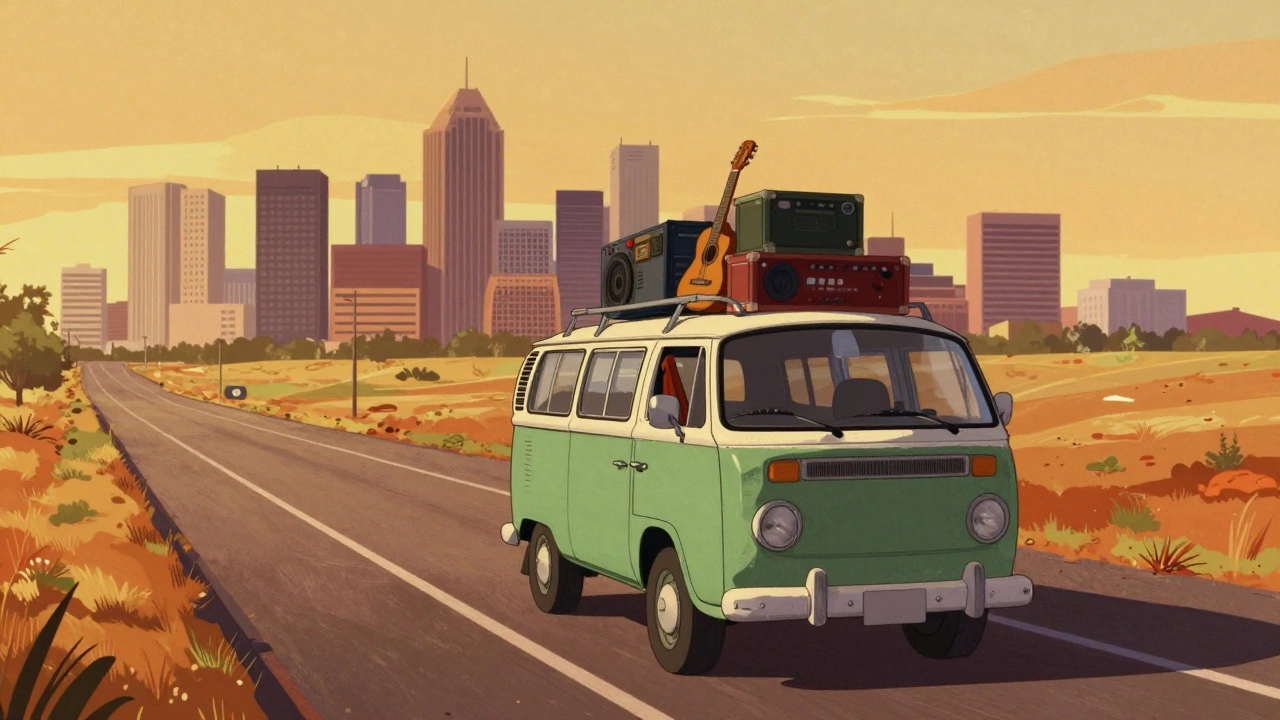
The regional connection wasn't always about bands copying the Seattle sound, but about the shared infrastructure of touring and distribution. The "regional footprint" was carved out by vans traveling long highways, sharing gear, and playing small venues where the barrier between the performer and the crowd was non-existent. In Minneapolis, this manifested as a thriving alternative scene that valued authenticity over polish, mirroring the core tenet of the Pacific Northwest movement.
From Basement Shows to Pilgrimage Sites
It's wild to think that what started as a few kids in garages is now a literal tourism industry. In Seattle, people now take dedicated "grunge pilgrimages," visiting sites like the Showbox or the gravesite of Andrew Wood. This institutionalization shows how the movement shifted from a living, breathing rebellion into a historical landmark.
However, if you want to see grunge as a living thing, you still look to the smaller venues and independent record stores in Portland and the Midwest. The real regional footprint isn't found in the plaques on the wall, but in the persistent DIY attitude. The movement taught a whole generation of musicians that you didn't need a fancy studio or a stylist to be heard-you just needed a loud amp and something honest to say.
Avoiding the "Grunge" Generalization
If you're digging into this history, don't fall into the trap of thinking every loud band from 1992 was "grunge." There's a huge difference between the original, sludge-heavy sound of the Northwest and the commercialized "post-grunge" that filled the airwaves by the late 90s. The real movement was about the friction between punk and metal, and the specific social isolation of the rainy coast. When that sound moved to Minneapolis or Portland, it morphed to fit the local soil, creating something unique rather than just a carbon copy of Nirvana.
Was Portland as influential as Seattle in the grunge movement?
Not in terms of commercial exports or global fame, but Portland was crucial for the cultural preservation of the movement. While Seattle created the music, Portland nurtured the lifestyle and aesthetic, ensuring that the countercultural spirit survived long after the mainstream industry moved on to the next trend.
How did the sound differ in Minneapolis compared to the Northwest?
The Minneapolis scene tended to blend the heavy, distorted elements of grunge with a more diverse array of alternative and indie influences. It was less about the specific "Seattle sound" and more about a shared Midwestern ethos of independent music and raw, unpolished performance.
What is "post-grunge" and how does it differ from the original movement?
Post-grunge is the commercialized evolution of the sound. While original grunge was rooted in a DIY punk/metal fusion and local social dynamics, post-grunge was often a more polished, radio-friendly version designed for mass appeal, lacking the authentic regional struggle of the early 90s scenes.
Why is the 1990s still so central to Portland's identity?
The 90s represented a "golden age" of counterculture in Portland, defined by a lack of digital distractions and a thriving independent scene. This era laid the groundwork for the city's current identity, influencing everything from its fashion to its legendary coffee shop culture.
Who were the key precursors to the major grunge bands?
Bands like Mother Love Bone, featuring Andrew Wood, were critical precursors. They helped bridge the gap between 80s rock and the heavier, more emotive sound that would eventually define the early 90s explosion.