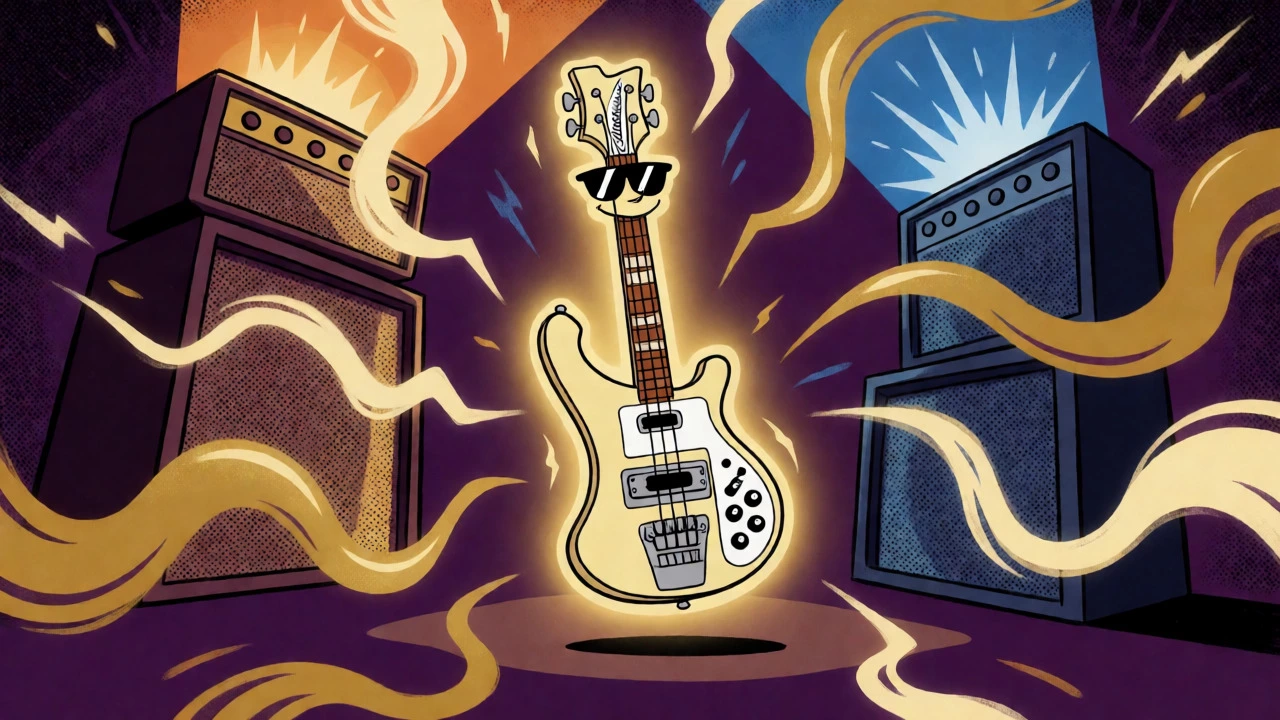

Most people think of the bass guitar as the furniture of a band-sturdy, necessary, but rarely looked at directly. Then Chris Squire walked into a studio with a cream-colored Rickenbacker 4001, plugged it into two amps, and turned that assumption upside down. He didn't just hold down the fort; he led the charge. Alongside Geddy Lee of Rush, Squire transformed the electric bass from a supportive background instrument into a melodic, aggressive, and technically demanding lead voice. If you’ve ever wondered how a four-stringed instrument could sound like a distorted electric guitar or weave through complex odd-meter time signatures without losing the groove, you’re looking at the legacy of these two innovators.
The Shift from Foundation to Lead Voice
Before the late 1960s, bass players were largely expected to lock in with the drummer and stay out of the way. The role was functional: keep the beat, outline the chords, don’t shine too bright. Progressive rock changed the contract. Bands like Yes and Rush started writing songs that lasted eight minutes, featured shifting time signatures, and required every member to contribute to the melody. This wasn't just about playing more notes; it was about changing the sonic texture of the entire group. Squire and Lee realized that if the guitar and keyboards were busy painting complex harmonic pictures, the bass couldn't just sit on root notes. It had to sing. This shift forced a re-evaluation of what "virtuosity" meant for a bassist. It wasn't just about speed anymore; it was about tone, articulation, and the ability to function simultaneously as a rhythmic anchor and a melodic counterpoint.
Chris Squire’s Sonic Architecture
You can identify Chris Squire within one second of hearing him. That distinct, clanky, bell-like tone is no accident-it’s the result of specific gear choices and physical techniques that he refined over decades. His primary weapon was a 1964 Rickenbacker 4001 (or its UK import equivalent, the RM1999). But the bass itself was only half the equation. Squire strung it with Rotosound Swing Bass roundwounds, typically gauged 45-105. These strings are known for their brightness and sustain, which provided the raw material for his signature sound.
Then came the amplification trick. Squire rewired his Rickenbacker for stereo output, sending the neck pickup signal to a conventional bass amp for low-end warmth and the bridge pickup signal to a lead-guitar-style amplifier loaded with distortion and treble. This created a "tonal sandwich": clean lows anchoring the music while growling, articulate highs cut through the mix. He played with a heavy Herco pick, holding it so his thumb brushed the string immediately after the pick attack. This added subtle harmonics and a percussive snap that made his lines feel both melodic and rhythmic. Tracks like "Roundabout" showcase this perfectly, where the bass line isn't just supporting the song-it is the hook.
Geddy Lee’s Fingerstyle Orchestration
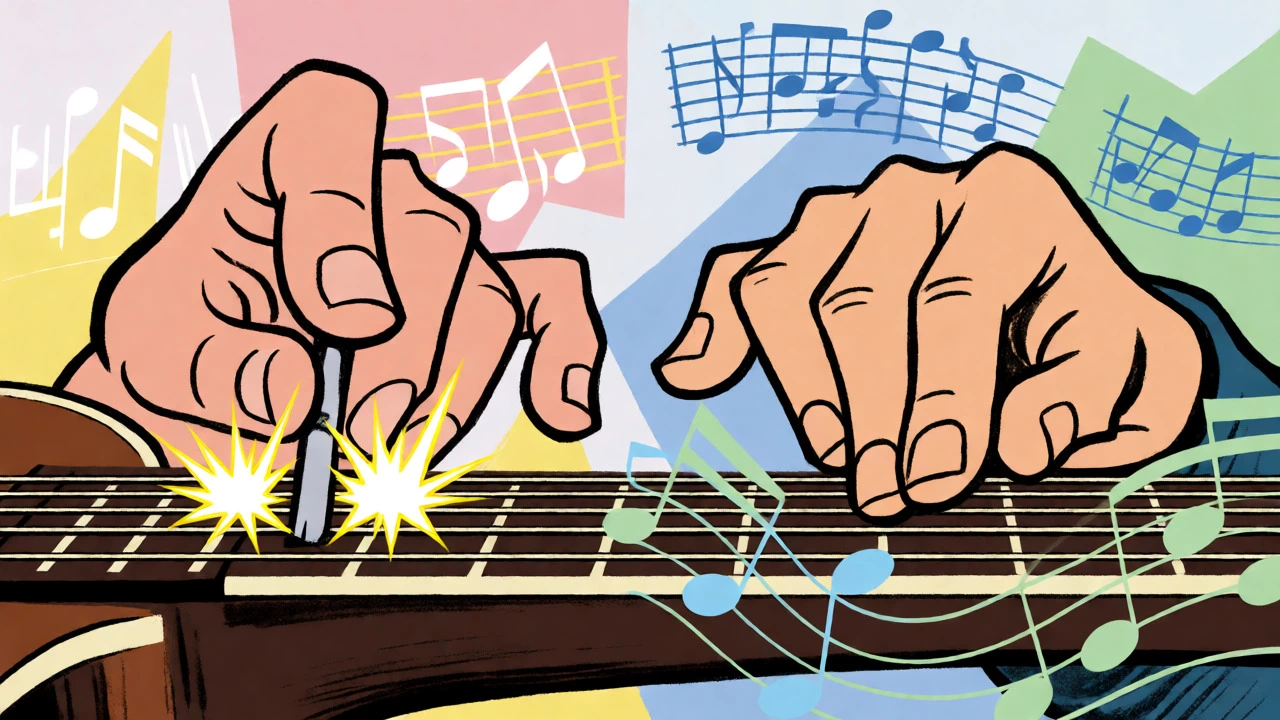
If Squire treated the bass like a distorted lead guitar, Geddy Lee treated it like an orchestral instrument within a power trio. Rush consisted of only three members, meaning Lee had to fill massive sonic spaces. He couldn't rely on a rhythm guitarist to cover the mid-range frequencies, so he developed a technique that allowed him to play rapid-fire melodic lines while maintaining a thick, full-bodied tone. Unlike Squire’s pick-based aggression, Lee primarily used fingerstyle picking, often employing a flamenco-inspired technique that involved rapid bursts of index and middle finger strokes.
Lee’s approach relied heavily on letting open strings ring out to create a wash of sound that filled the gaps left by the absence of a fourth band member. In tracks like "By-Tor and the Snow Dog," his lines are incredibly dense, weaving between vocal melodies and Alex Lifeson’s guitar riffs. While Squire chased clarity through high-frequency distortion, Lee chased presence through midrange EQ and dynamic control. He famously noted that when he first tried to buy a Rickenbacker to copy Squire, it didn't sound right until he adjusted his own technique and amplification to suit his fingerstyle attack. This highlights a crucial point: virtuosity isn't just about copying gear; it's about adapting tools to your physical interaction with the instrument.
Technical Breakdown: Pick vs. Fingers
The difference between Squire and Lee offers a masterclass in right-hand technique. Both achieved high levels of virtuosity, but their methods demanded different skills. Squire’s style requires precision with a heavy pick, managing muting carefully to prevent unwanted noise during fast alternate picking passages. His use of hammer-ons and pull-offs adds fluidity to otherwise staccato attacks. In contrast, Lee’s endurance feats, such as playing "Force 10" almost exclusively with his index finger, demand immense stamina and independent finger strength. Lee’s technique allows for a smoother, more legato connection between notes, which suits the intricate, keyboard-heavy arrangements of Rush’s later work.
| Feature | Chris Squire (Yes) | Geddy Lee (Rush) |
|---|---|---|
| Primary Articulation | Heavy Pick (Herco) + Thumb Attack | Fingerstyle (Index/Middle Focus) |
| Signature Instrument | Rickenbacker 4001/RM1999 | Rickenbacker 4001/Fender Jazz Bass |
| Tonal Character | Bright, Clanky, Distorted Highs | Warm, Mid-Forward, Aggressive Presence |
| Amplification Strategy | Stereo Split (Bass Amp + Guitar Amp) | High-Power Head + Cabinet Stack |
| Role in Band | Melodic Counterpoint & Texture | Harmonic Filler & Rhythmic Driver |
Influence on Modern Progressive Rock
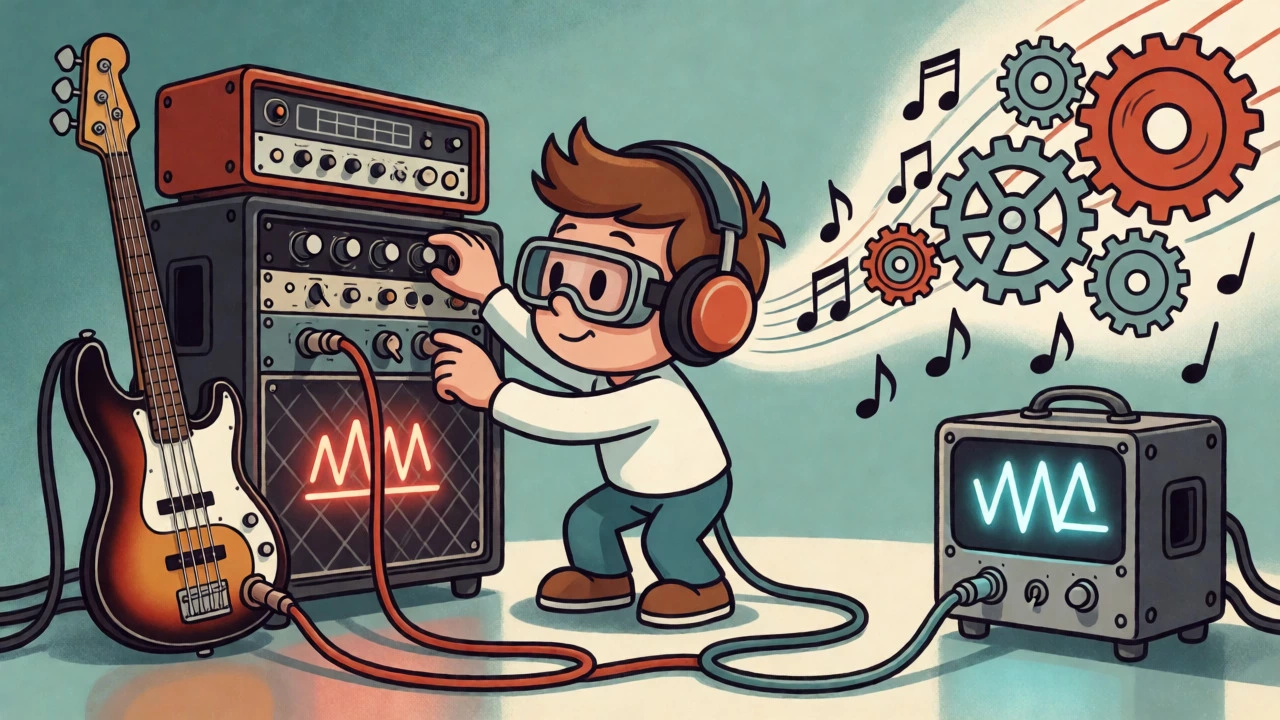
The impact of these two players extends far beyond the 1970s. Modern progressive metal bands and math-rock groups still look to Squire and Lee as archetypes. When a contemporary bassist wants to play a complex riff that cuts through a wall of distorted guitars, they are likely using some variation of Squire’s stereo routing or high-treble EQ settings. When a trio needs to sound like a quartet, they study Lee’s use of open strings and polyrhythmic layering. Educators today break down their solos note-by-note, treating them not just as musical performances but as technical manuals for advanced bass playing.
This influence is visible in the gear market too. Reissues of the Rickenbacker 4001 remain highly sought after, and boutique pedal manufacturers continue to release effects designed to replicate the "Squire snarl" or the "Lee growl." The fact that YouTube tutorials analyzing their techniques from 2023 and 2025 still attract thousands of views proves that this style of playing remains relevant. Young musicians aren't just listening to old records; they are actively trying to decode the physics behind the sound, experimenting with string gauges, pickup heights, and amplifier settings to chase that elusive prog tone.
Practical Tips for Emulating the Sound
If you want to try this style yourself, you don't need to spend thousands on vintage gear immediately. Start with the basics. For a Squire-inspired tone, use roundwound strings and a heavy pick. Try plucking closer to the bridge pickup for more bite. If you have a stereo-capable bass, experiment with splitting your signal-one path clean, one path distorted. For a Lee-inspired tone, focus on your finger independence. Practice playing fast lines using only your index finger to build endurance. Adjust your EQ to boost the upper mids rather than just the bass frequencies, allowing your notes to be heard clearly amidst dense instrumentation.
Virtuosity in prog rock isn't about showing off; it's about serving the complexity of the music. Squire and Lee proved that the bass could be as expressive and intricate as any other instrument. They didn't just play the parts written for them; they expanded the vocabulary of what the bass could do, leaving a blueprint that modern players are still following today.
What makes Chris Squire’s bass tone so distinctive?
Squire’s tone comes from a combination of a Rickenbacker 4001 bass, Rotosound roundwound strings, and a unique stereo amplification setup. He split his signal, sending low frequencies to a bass amp and high frequencies to a distorted guitar amp, creating a "tonal sandwich" that is both deep and piercingly bright.
Did Geddy Lee use a pick or fingers?
Geddy Lee primarily used fingerstyle picking, often employing a rapid index-finger technique for fast passages. This allowed him to maintain a warm, full-bodied tone while executing complex, melodic lines in Rush’s power-trio format.
Why is the Rickenbacker 4001 associated with prog rock?
The Rickenbacker 4001 is favored for its bright, treble-rich sound and stereo output capability. This allowed players like Squire and Lee to cut through dense mixes and experiment with dual-amplification setups, essential for the complex arrangements of progressive rock.
How did Squire and Lee change the role of the bass?
They shifted the bass from a purely supportive, rhythmic role to a lead melodic instrument. Their playing demonstrated that bass lines could carry hooks, provide counterpoint, and drive the harmonic structure of a song independently.
Can I get a similar tone with any bass?
While the Rickenbacker provides a specific character, you can approximate the tone with other basses by using roundwound strings, adjusting EQ to boost upper mids, and using appropriate amplification or pedals to add brightness and definition.


