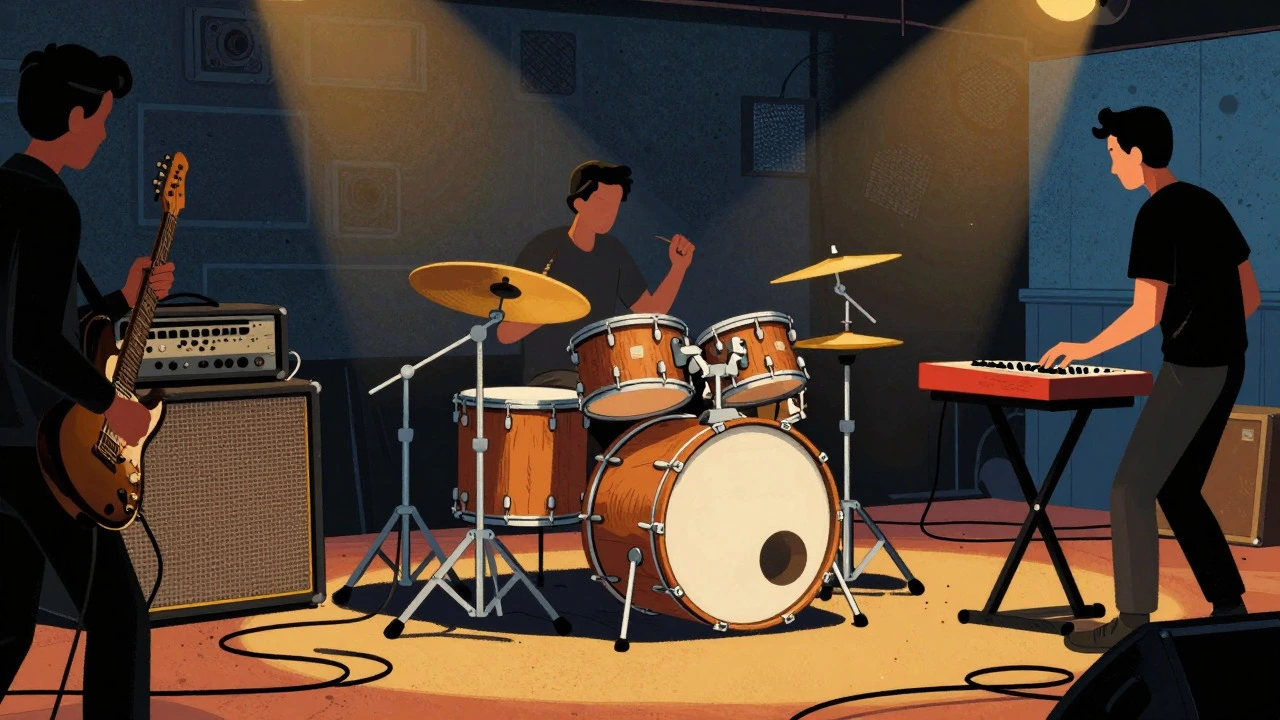

You’ve seen it happen at every club show you’ve attended. One band finishes their set, the lights dim, and within minutes, another group is plugging into the exact same amplifiers, sitting behind the same drum kit, and playing on the same keyboard stand. They didn’t haul that heavy gear from city to city. They rented it locally. This system, known as backline and rental standardization, is the invisible engine that keeps the live music industry moving. Without it, touring would be a logistical nightmare of freight costs, broken equipment, and hours-long changeovers.
If you are planning your first national tour or just trying to understand why your favorite drummer brings only a snare and cymbals, you need to understand how this ecosystem works. It’s not just about saving money; it’s about survival in an industry where margins are razor-thin and time is literally money. Let’s break down what backline actually means, how to write a rider that gets you the gear you need, and the economics behind renting versus buying.
What Exactly Is Backline?
In the world of live performance, backline refers to the collection of musical instruments and amplification equipment located behind the performers on stage. Think of it as the backbone of your sound. It includes guitar and bass amplifiers, speaker cabinets, drum kits (shells, hardware, and sometimes cymbals), keyboards, synthesizers, and the stands that hold them up. Crucially, backline does not include the front-of-house PA system, lighting rigs, or the artist’s personal guitars and pedalboards.
The term originated in the concert touring industry decades ago but has evolved. Today, when a venue says they provide "full backline," they mean you can walk on stage with nothing more than your personal instrument and a cable. The amps are there. The drums are tuned. The keyboard is powered. This distinction matters because it separates the heavy, static infrastructure from the personal, tonal nuances that make your band unique.
Standardizing this gear allows multiple acts on a bill to share resources. Instead of three different bands hauling three separate drum kits into a small club, one standardized kit stays on stage all night. Band A plays, then leaves. Band B plugs in, adjusts their own snare and cymbals, and plays. Band C follows suit. This flow is essential for festivals and multi-act club nights where changeover times are measured in minutes, not hours.
The Economics of Renting vs. Transporting
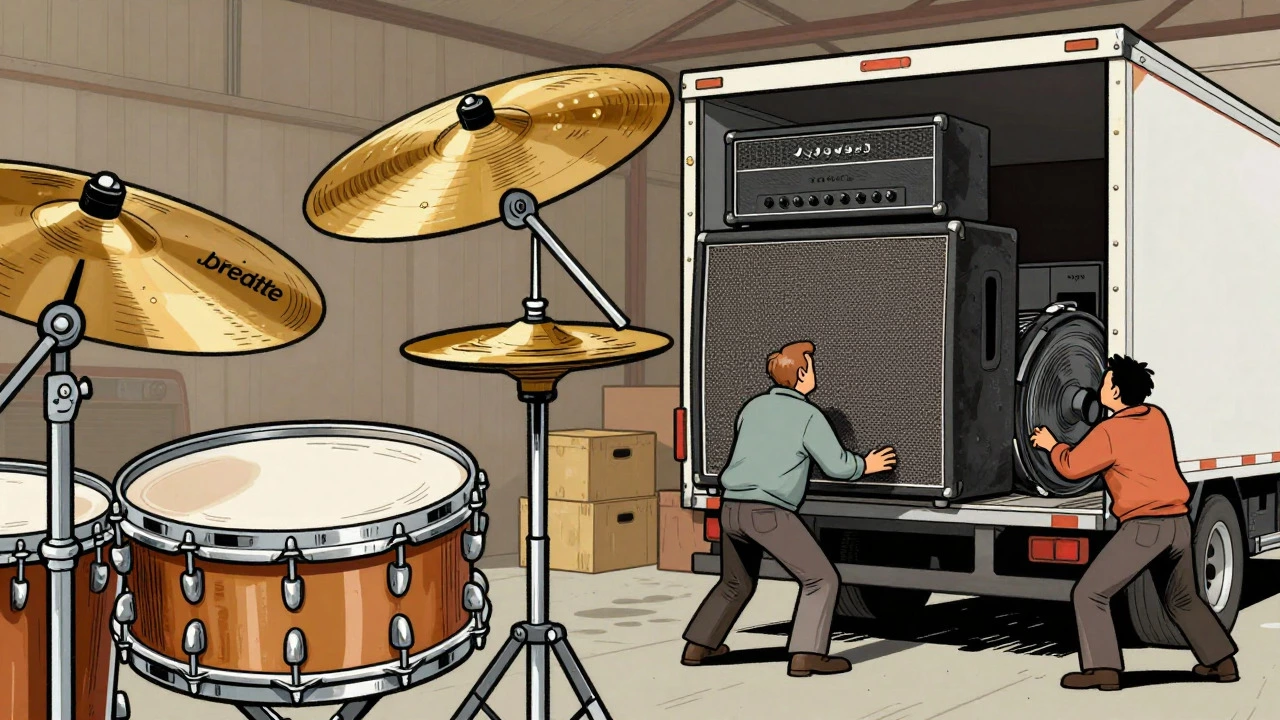
Why don’t artists just bring their own gear? Physics and finance. A full tube amplifier stack weighs over 100 pounds. A complete drum kit requires multiple cases, each needing its own cargo space. Shipping these items via air freight for fly dates can cost thousands of dollars per stop. Even driving across the country, the wear and tear on vehicles and the risk of damage during loading and unloading add up quickly.
Renting shifts this capital expense into an operational one. According to industry discussions in early 2026, a standard backline package-including a drum kit with cymbals, a bass amp, and two guitar amps-can range from $450 to $550 per day. For a month-long European tour, some musicians have negotiated rates around €2,500 total, which breaks down to roughly €89 per day. While these numbers vary wildly based on location and provider, the principle remains: paying a daily fee is often cheaper than shipping, insuring, and maintaining a fleet of heavy equipment.
| Cost Factor | Renting Locally | Transporting Own Gear |
|---|---|---|
| Upfront Cost | Low (Daily/Weekly Rate) | High (Purchase Price + Cases) |
| Logistics | Pickup/Delivery handled by vendor | Band manages loading/unloading |
| Risk of Damage | Covered by rental insurance | Artist bears full repair/replacement cost |
| Tour Flexibility | High (Fly dates made easy) | Low (Limited by vehicle/freight capacity) |
| Tone Consistency | Variable (Depends on local inventory) | Consistent (Your specific gear) |
However, renting isn’t free. You lose control over the specific model of amp or the brand of drum shells. That’s why the next step-writing a precise equipment rider-is critical.
Writing an Equipment Rider That Works
Your equipment rider is a technical document sent to promoters and venues detailing the specific gear required for your performance. It is not a wish list; it is a contract of expectations. If you leave it vague, you will get whatever the venue has lying around, which might be a mismatched mess of old gear.
To standardize your experience, your rider must include:
- Preferred Brands and Models: Be specific. Don’t just say "Guitar Amp." Say "Fender Hot Rod Deluxe or equivalent clean head."
- Acceptable Alternatives: Life happens. Your preferred Nord Stage 3 might be out of stock. List acceptable substitutes like a Yamaha CP series or Korg Kronos so the tech knows what works for you.
- Quantities: How many guitar amps? Two? Three? Specify exactly. Include spare cables, DI boxes, and microphone preferences (e.g., Shure SM57s on amps).
- Power Requirements: Note voltage needs if you’re touring internationally. US gear needs 110V; Europe uses 220V. Mismatched power can fry expensive pedals.
When you provide this level of detail, rental companies like Studio Instrument Rentals (SIR) or regional providers can prep your gear before you arrive. SIR, founded in 1967, operates locations in major hubs like New York, Los Angeles, and Nashville, offering consistent gear across cities. By aligning your rider with their inventory, you ensure that whether you’re in Chicago or Seattle, the core rig feels familiar.
The "Breakables" Rule: What You Must Bring
Even with standardized backline, no musician relies entirely on rented gear for their core sound. This is where the concept of breakables comes in. These are the personal items that define your tone and feel, which you transport yourself because they are either too fragile, too specialized, or too important to trust to a shared pool.
For drummers, breakables typically include:
- Snare Drum: The heart of the kit. Rented snares vary wildly in tension and response.
- Cymbals: Hi-hats, crashes, and rides. These are expensive and highly personal.
- Kick Pedal: Feel and speed depend heavily on the pedal mechanism.
- Drum Sticks and Mallets: Hygiene and grip preference matter.
Guitarists and bassists usually bring their own instruments, effects pedals, and sometimes specific strings or picks. Keyboardists might bring their own MIDI controllers or specific sound modules. By bringing these small, manageable items, you layer your personal signature onto the standardized backline provided by the venue. This hybrid approach gives you the best of both worlds: logistical ease and tonal integrity.
Major Players in the Backline Industry
The backline rental market is fragmented but dominated by a few key players who have built networks capable of supporting international tours.
Studio Instrument Rentals (SIR): As America’s original backline company, SIR offers a tiered service model. They provide everything from basic rehearsal room setups to full touring production support. Their presence in over a dozen major US cities makes them a go-to for national tours.
Artist on the Road: Based in Amsterdam, this company specializes in European tours, offering backline rental combined with van transportation. This bundling is crucial for bands touring smaller markets where individual rentals might be scarce.
Regional Providers: Companies like The Backline Company in India and Backline Ltd in New Zealand serve local circuits. When touring outside major hubs, working with these regional experts ensures you have access to reliable gear even in remote locations.
Choosing the right provider depends on your tour route. If you’re hitting major cities, SIR or similar large networks offer consistency. If you’re doing a grassroots run through smaller towns, local vendors may be more responsive and cost-effective.
Pitfalls to Avoid When Renting Backline
Despite the benefits, renting backline comes with risks. Here are the most common issues touring musicians face:
- Availability Mismatches: Your rider asks for a Marshall JCM800, but the venue only has modern solid-state amps. Always list acceptable alternatives to avoid last-minute panic.
- Quality Variance: Not all rental gear is well-maintained. Arrive early to test everything. Check for buzzing cables, loose lugs on drums, and faulty tubes in amps.
- Hidden Costs: Some quotes exclude delivery fees, technician labor, or insurance. Ask for an all-inclusive price upfront to avoid surprise invoices.
- Technical Incompatibility: Ensure your DI boxes and cables match the venue’s input types. A balanced XLR output from your pedalboard won’t work without the right adapter or DI box.
Mitigate these risks by building relationships with reliable vendors. If you find a great rental company in Portland or New York, stick with them for future shows. Consistency builds trust and leads to better service.
The Future of Backline Standardization
As of 2026, the trend is clear: more artists are traveling lighter. Modeling amps and digital pedalboards allow guitarists to achieve complex tones without hauling heavy tube stacks. Drummers are increasingly comfortable relying on rented shells, knowing their personal breakables will carry their sound. This shift reduces environmental impact, lowers carbon footprints from freight, and simplifies logistics.
Market research suggests the global musical instrument rental sector is growing, with projections indicating steady expansion through 2032. This growth is driven by the rise of live events post-pandemic and the economic pressure on artists to reduce overhead. Standardized backline is no longer a luxury; it’s a necessity for sustainable touring.
Whether you’re a DIY band booking your first club circuit or a seasoned act planning a world tour, mastering the art of backline rental and rider writing will save you time, money, and stress. Focus on your personal breakables, trust the standardized infrastructure, and let the pros handle the heavy lifting.
What is the difference between backline and front-of-house (FOH)?
Backline refers to the gear on stage behind the performers, such as amplifiers, drums, and keyboards. Front-of-house (FOH) refers to the public address (PA) system, mixing console, and speakers that project sound to the audience. Artists typically rent or use venue-provided backline, while FOH is managed by the venue’s sound engineer.
How much does it cost to rent backline for a tour?
Costs vary widely by location and provider. A standard daily package including drums, bass amp, and guitar amps can range from $450 to $550 per day. For multi-week tours, weekly or monthly discounts apply, potentially reducing the daily rate significantly. Always request a detailed quote including delivery and labor fees.
What should I include in my equipment rider?
Your rider should list preferred brands and models for all backline items, acceptable alternatives, quantities needed, and any special requirements like power voltages or microphone types. Being specific helps venues prepare the correct gear, ensuring a smoother setup and consistent sound.
Do drummers really only bring their snare and cymbals?
Yes, for most touring drummers, the "breakables"-snare drum, cymbals, kick pedal, and sticks-are the only items they transport. The rest of the kit, including shells, hardware, and thrones, is typically rented from local backline companies or provided by the venue. This saves weight and reduces the risk of damaging expensive shells during transit.
Is it better to buy or rent backline gear?
For touring artists, renting is generally more cost-effective and logistically simpler. Buying gear involves high upfront costs, maintenance, insurance, and freight expenses. Renting allows you to travel light, adapt to different venues, and avoid the hassle of transporting heavy equipment. However, keeping personal breakables is essential for maintaining your unique sound.
Who are the major backline rental companies?
Major players include Studio Instrument Rentals (SIR) in the US, Artist on the Road in Europe, and regional providers like The Backline Company in India and Backline Ltd in New Zealand. These companies offer standardized gear across multiple cities, making them ideal for national and international tours.


