
Most people know Aswad for one song. It’s the track that got stuck in everyone’s head during the summer of 1988, a smooth, sunny reggae-pop hit called "Don’t Turn Around." But here’s the twist: before they were topping charts with love songs, Aswad was one of the toughest roots reggae bands out of London. They weren’t trying to be pop stars. They were playing heavy dub and militant roots music for decades. So, how did a band known for political lyrics and dense basslines end up with a UK Number One single? The answer lies in a deliberate, controversial shift from niche credibility to mainstream fame.
This isn’t just a story about a hit song. It’s a case study in how a subculture adapts-or sells out-depending on who you ask. Between 1984 and 1989, Aswad navigated a tricky path, transforming from West London’s gritty reggae veterans into Britain’s most commercially successful reggae act. Let’s look at exactly how this happened, why it worked, and why some fans still aren’t happy about it.
The Roots: Building Credibility in Ladbroke Grove
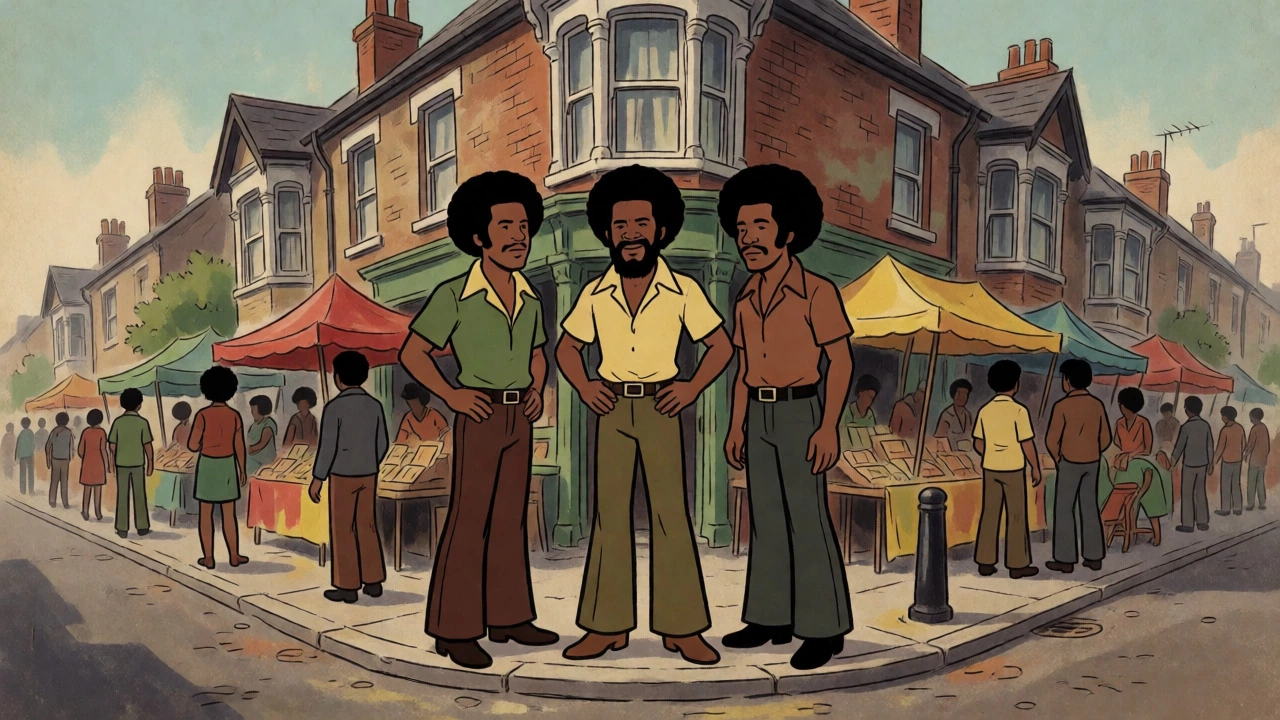
To understand the crossover, you have to understand where they started. Aswad formed in 1975 in the Ladbroke Grove area of West London. The core members included Brinsley Forde, Angus Gaye (known as Drummie Zeb), and Tony Robinson (Gad). In those early days, they weren’t interested in radio play. They wanted to put British reggae on the map by mirroring the sound of Jamaican roots bands.
Their self-titled debut album in 1976 was a statement. It featured extended dub passages, live horn arrangements, and socially conscious lyrics. Albums like New Chapter (1981) and A New Chapter of Dub (1982) kept them firmly in the roots tradition. If you were a purist fan in the late 70s or early 80s, this was the real Aswad. They were respected, but they weren’t rich, and they weren’t household names outside the reggae community.
The Pivot: Rebel Souls and the First Steps Toward Pop
The shift didn’t happen overnight. It began with the 1984 album Rebel Souls. This record marked the first time Aswad cracked the British pop charts. Singles like "Chasing for the Breeze" and a cover of Toots and the Maytals’ "54-46 That’s My Number" got airplay. Why? Because the production changed. The sprawling, experimental dub workouts were trimmed down. Songs became shorter. The rhythms stayed reggae, but the structure became more accessible.
By 1986, with the album To the Top, the band was explicitly flirting with dancehall. Tracks like "Bubblin'" used drum machine patterns and a brighter, mid-80s sheen. This wasn’t accidental. The band saw an opening. UB40 had already proven that reggae could sell millions if it was polished enough. Aswad decided to try their hand at it, but with a different flavor.
The Breakthrough: Don’t Turn Around
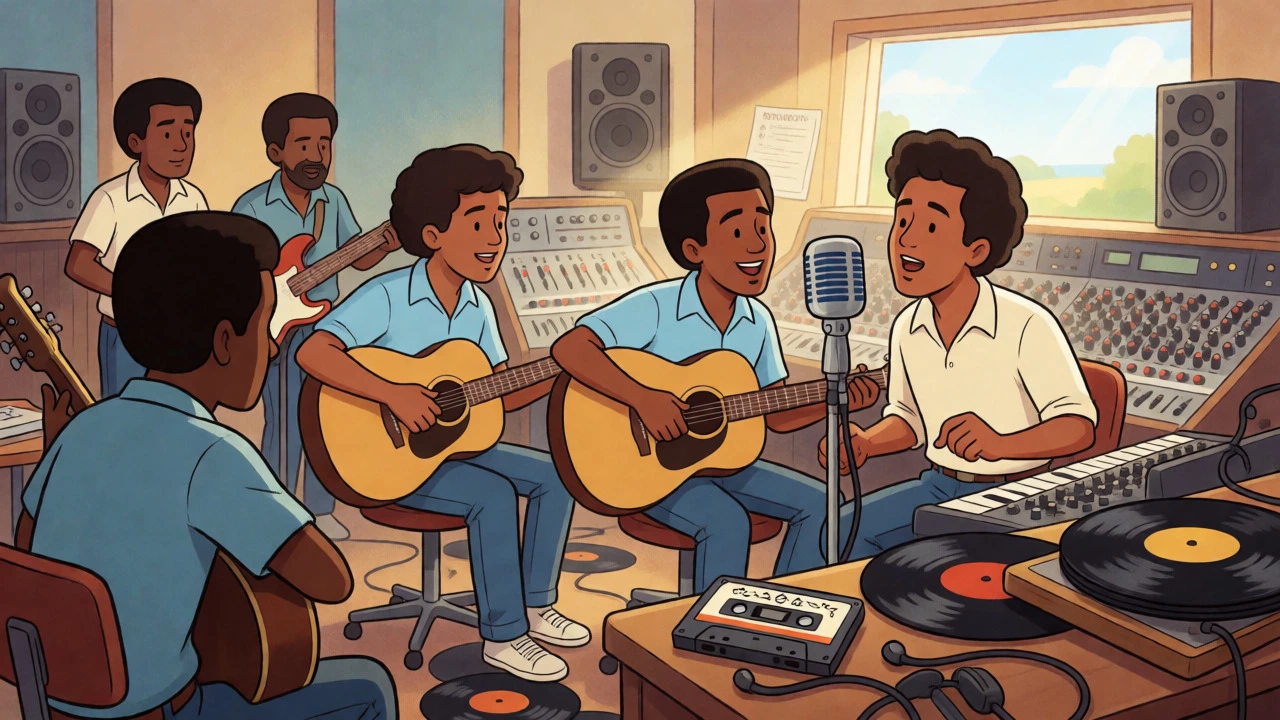
The keystone of Aswad’s crossover era is undoubtedly "Don’t Turn Around." Released in February 1988, this single redefined the band’s public image. But the song itself has an interesting backstory. It wasn’t written by Aswad. It was penned by Albert Hammond and Diane Warren. Originally, it appeared as the B-side to Tina Turner’s 1986 single "Typical Male." A year later, American soul singer Luther Ingram recorded a slow, emotional version.
Aswad heard Luther Ingram’s take and decided to flip it. They took the soulful melody and gave it a "light reggae" treatment. The result was a fusion genre often labeled Reggae-Pop. The arrangement kept the off-beat guitar chop essential to reggae but layered it with smooth keyboards and polished backing vocals closer to mainstream R&B than traditional roots.
| Region | Peak Position | Duration at Peak | Significance |
|---|---|---|---|
| UK Singles Chart | Number 1 | 1 Week | First and only UK #1 for Aswad |
| New Zealand | Number 1 | 2 Weeks | Demonstrated international appeal |
| US Billboard Hot R&B/Hip-Hop | Number 45 | N/A | Modest entry into US market |
| Switzerland | Top 30 | Multiple weeks | Confirmed continental European interest |
The success was undeniable. "Don’t Turn Around" hit Number 1 in the UK in March 1988 and stayed there for a week. It also topped the charts in New Zealand for two weeks. For a British reggae band, crossing over to Number 1 was a massive achievement. It meant Aswad had moved beyond the niche audience and captured the general public.
The Album: Distant Thunder and the Pop Formula
The single came from the album Distant Thunder, released in 1988. Critics described it as "lighter" and "poppier" than anything they’d done before. The album leaned heavily into mainstream R&B aesthetics. Vocal harmonies were smoother. Keyboards took center stage. Song lengths were tightened to fit radio formats, usually between three and four minutes.
Distant Thunder entered the British Top Ten album charts, another huge win. The follow-up single, "Give a Little Love," performed well but didn’t quite crack the Top Ten. However, the momentum held. Another non-album single, "On and On," reached the UK Top 20 in 1989. This confirmed that the crossover wasn’t a fluke. Aswad had found a formula that worked for mass consumption.
The Criticism: Selling Out or Growing Up?
Not everyone celebrated this change. Many long-time fans and critics felt Aswad had lost their edge. The earlier work was militant, political, and raw. The new material was romantic, polished, and safe. One retrospective essay argued that while the commercial success enriched the band financially, it "embarrassed" them artistically. The move toward middle-of-the-road material, including collaborations with Sting and Cliff Richard, felt like a departure from their roots.
Compare this to UB40. Both bands achieved similar commercial heights in the 80s. But UB40 often kept politically tinged lyrics and brassy arrangements. Aswad’s niche became love-song-oriented reggae-pop. This appealed to adult contemporary audiences but alienated some hardcore reggae heads who preferred the social commentary of the 70s.
Legacy: Gateway Drug or Artistic Compromise?
Today, opinions remain split. Industry profiles call Aswad "Britain’s most successful reggae band," largely due to these hits. For many listeners, "Don’t Turn Around" was their introduction to reggae music. It served a gateway function, making the genre palatable to pop audiences without completely abandoning its rhythmic identity.
However, the tension remains. The band’s legacy is now defined more by their pop hits than their pioneering roots work. When people hear Aswad, they don’t think of the complex dub structures of 1976. They think of a sunny, easy-listening track that gets played every summer. Was it worth it? Financially and culturally, yes. Artistically? That depends on whether you value reach or purity.
If you’re exploring British reggae history, start with the early albums to understand the foundation. Then listen to Distant Thunder to see how a band adapts to survive in a changing music industry. It’s a masterclass in balancing integrity with accessibility.
Why is "Don’t Turn Around" considered a reggae-pop crossover?
The song combines traditional reggae elements, such as the off-beat guitar chop and syncopated drum patterns, with mainstream pop and R&B production techniques. These include smooth vocal harmonies, prominent keyboards, and a standard verse-chorus structure designed for radio play, moving away from the extended dub improvisations of Aswad's earlier work.
Did Aswad write "Don’t Turn Around"?
No, Aswad did not write the song. It was composed by Albert Hammond and Diane Warren. It was originally a B-side for Tina Turner's "Typical Male" and later covered by Luther Ingram before Aswad adapted it into their reggae-pop style.
How did Aswad’s crossover compare to UB40’s?
Both bands achieved significant commercial success in the 1980s by blending reggae with pop. However, UB40 often retained politically charged lyrics and brass-heavy arrangements. Aswad’s crossover focused more on romantic themes and smoother, R&B-influenced production, appealing to a slightly different segment of the pop audience.
What was the critical reaction to Aswad’s pop direction?
Reactions were mixed. Commercial success was undeniable, but critics and long-time fans often viewed the shift as a compromise of artistic integrity. Some felt the band abandoned their militant roots and social consciousness in favor of safer, middle-of-the-road material.
Is Aswad still active today?
Yes, Aswad continues to perform and tour, primarily celebrating their extensive catalog which includes both their roots reggae classics and their 1980s pop hits. Their legacy remains tied to their status as one of the most successful British reggae acts in history.


