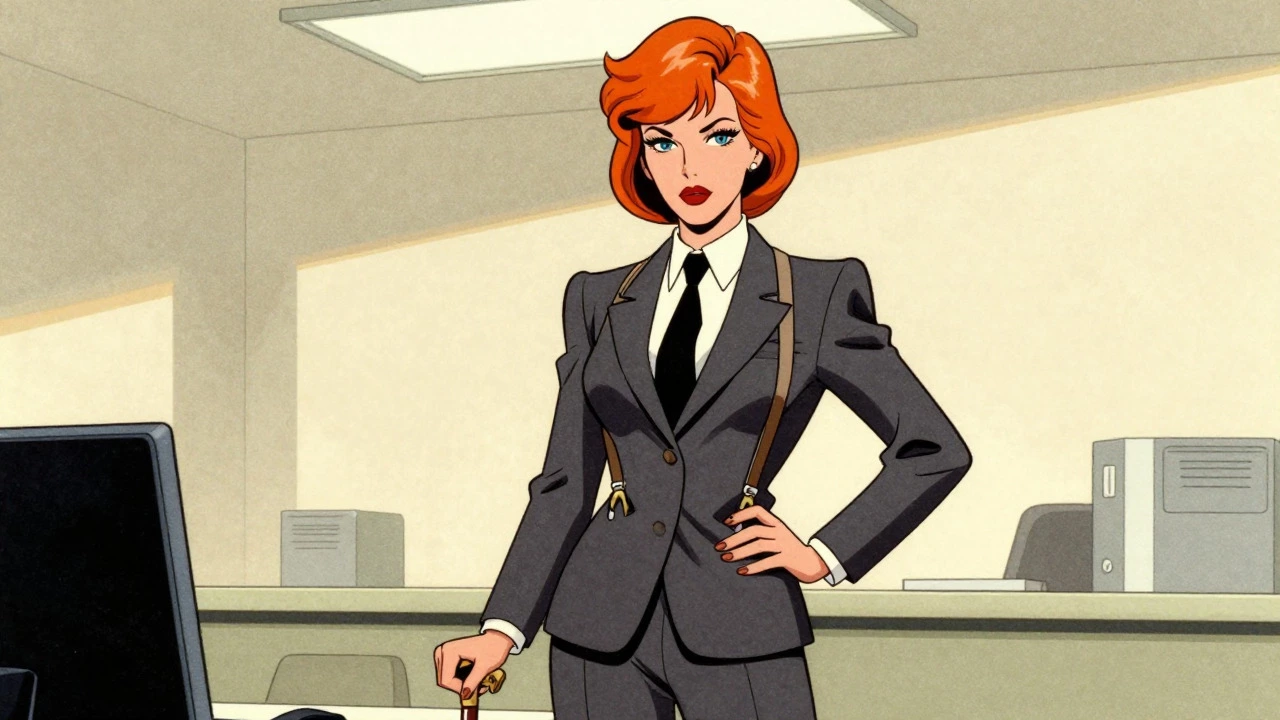

When you think of the 1980s music scene, images of big hair, neon colors, and hyper-sexualized female pop stars probably come to mind. But there was one artist who refused to play by those rules. Annie Lennox is a Scottish singer-songwriter and musician best known as a founding member of the duo Eurythmics, celebrated for her powerful voice and groundbreaking visual persona. In the early 1980s, she walked onto the stage not in dresses or glitter, but in sharp men’s suits, cropped orange hair, and sometimes even an Elvis Presley wig.
This wasn’t just a quirky fashion choice. It was a calculated act of rebellion. Lennox used her appearance to challenge the rigid gender expectations of the time, turning her style into what we now call pop activism. By appropriating symbols of male corporate power, she forced audiences, critics, and even television censors to rethink who gets to hold authority in the music industry. Here is how that transformation happened and why it still matters today.
The Birth of a Visual Language
To understand the impact of Lennox’s look, you have to look at the context of 1983. The music industry was dominated by male executives, producers, and gatekeepers. Female artists were often marketed based on their physical appeal rather than their musical talent. Lennox, born in Aberdeen in 1954, had already formed Eurythmics with Dave Stewart in 1981, but they were struggling to break through. They needed something that would stand out in the crowded market.
Lennox decided to dress like a man. Specifically, she dressed like a businessman. She adopted tailored suits, ties, suspenders, and carried a cane. This imagery became iconic in the music video for "Sweet Dreams (Are Made of This)," released in early 1983. Directed by Russell Mulcahy, the video featured Lennox sitting at a desk in a surreal office setting, surrounded by cows. The juxtaposition of corporate attire with absurdity created a striking visual metaphor.
In interviews years later, including a 2014 feature in Interview Magazine, Lennox explained that this look was a "language." She wanted to project strength and equality. As she put it, the suit said, "I’m as good as a man, I’m as strong as a man." It wasn’t about pretending to be male; it was about claiming the power associated with masculinity in a society that denied women that same authority.
Subverting the Male Gaze
The concept of the "male gaze" refers to the way visual arts and literature depict the world and women from a masculine, heterosexual perspective, presenting women as objects for the pleasure of the viewer. In the 1980s, MTV was the primary platform for music videos, and most female performers were framed as sexual objects. Lennox flipped this script entirely.
By wearing a suit and holding a cane, she positioned herself as a subject of power, not an object of desire. The BBC noted in a 2019 retrospective that her androgynous look defied the male gaze by forcing viewers to see her as an executive, a figure of authority. This was a radical departure from the norm. Instead of selling sexual availability, she sold competence and dominance.
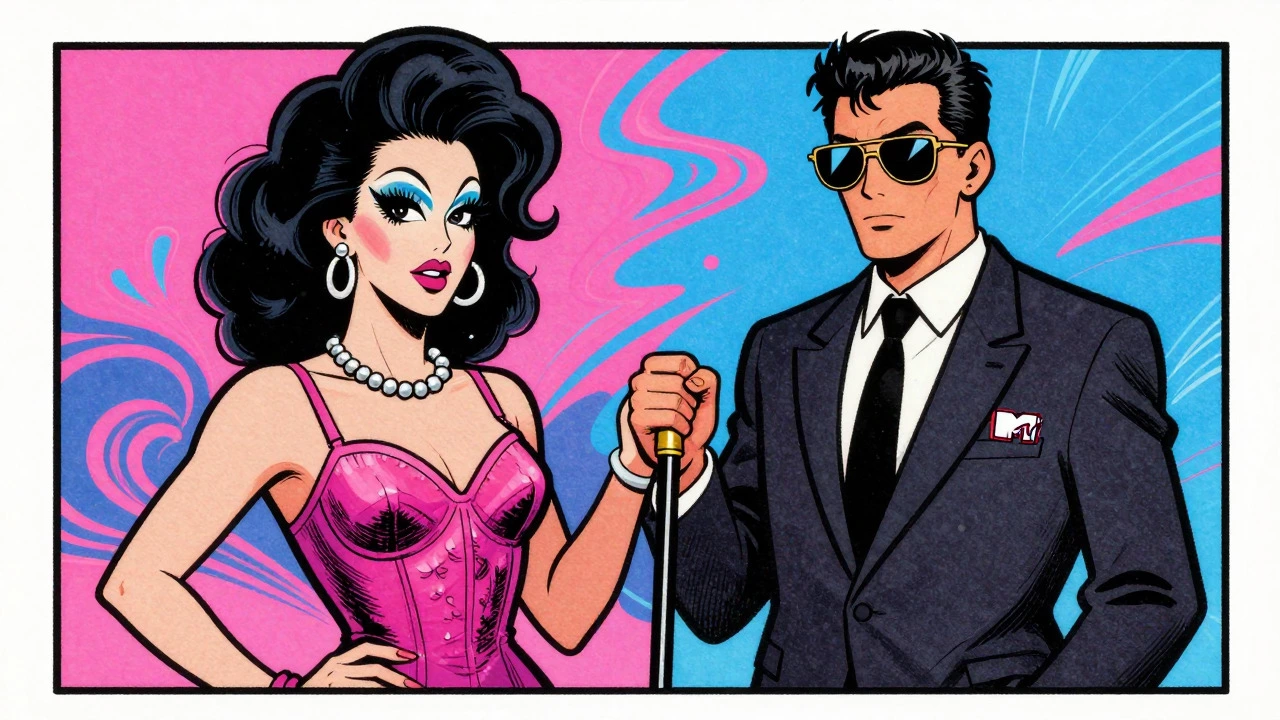
This strategy extended beyond clothing. In the video for "Love Is a Stranger," also released in 1983, Lennox performed two distinct forms of drag. In the first half, she appeared in heavy makeup, wigs, and feminine clothing. In the second half, she switched back to the dark business suit and mirrored sunglasses. This oscillation confused traditional binary readings of gender. Was she a man in female drag? Or a woman in male drag? The ambiguity itself was the point. It destabilized the viewer’s ability to categorize her, thereby challenging the fixed roles assigned to women in pop culture.
MTV Censorship and Backlash
Not everyone appreciated this bold statement. The reaction from American media was mixed, ranging from confusion to outright hostility. MTV, the network that helped launch Eurythmics’ career, initially banned their videos from airplay. According to analyses by The Ambiguity Project, network executives feared that Lennox might be perceived as a "transvestite" or a corrupting influence on youth. They demanded proof that she was biologically female before allowing her videos to be broadcast again.
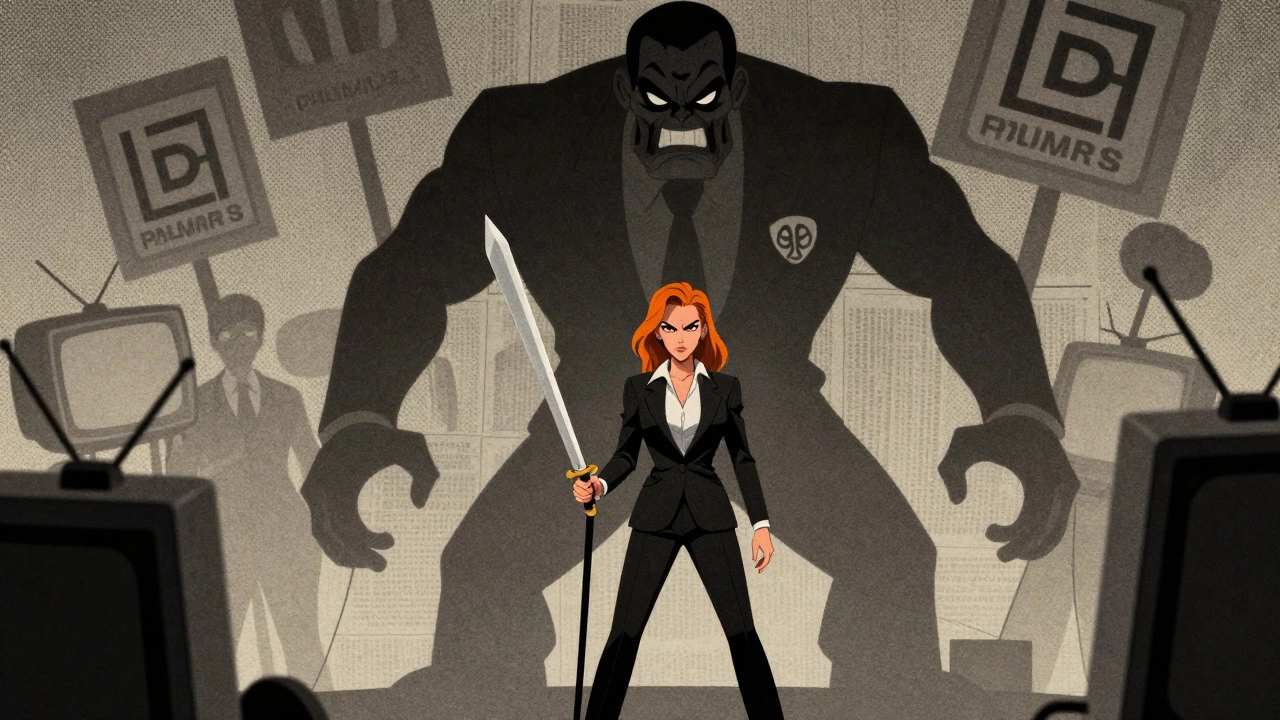
This censorship highlights the tension between artistic expression and conservative moral standards in the 1980s. Groups like Morality in Media were actively campaigning against content they deemed threatening to "traditional family values." Lennox’s gender-bending image was seen as a direct challenge to these values. Rather than backing down, Lennox and Stewart persisted. Their refusal to conform ultimately strengthened their brand, making them symbols of resistance against institutional control.
Feminist Power vs. Queer Iconography
One of the most interesting aspects of Lennox’s legacy is the divergence between her intent and public interpretation. Lennox has consistently stated in interviews, such as those with MSNBC in 2019 and the Daily Mail in 2025, that her androgyny was not about her sexual orientation. She identified as heterosexual and viewed her styling as a tool for feminist empowerment-specifically, achieving parity with her male partner Dave Stewart and asserting equality in a male-dominated industry.
However, the LGBTQ+ community embraced her wholeheartedly. Publications like The Advocate hailed her as a gay icon. Her willingness to blur gender lines resonated deeply with queer audiences who faced similar pressures to conform to binary norms. Even though Lennox insisted her choices were about power rather than sexuality, the result was the same: increased visibility for non-conforming identities. This dual reception underscores the complexity of pop activism. An artist’s personal intent doesn’t always dictate how a movement interprets their work.
Comparison with Contemporaries
Lennox was not the only artist exploring androgyny in the 1980s. To fully appreciate her unique contribution, it helps to compare her approach with other notable figures of the era.
| Artist | Key Visual Elements | Primary Message/Intent | Cultural Impact |
|---|---|---|---|
| Annie Lennox | Tailored suits, short hair, cane, minimal jewelry | Feminist equality, appropriation of male corporate power | Challenged gender binaries in mainstream pop; became an LGBT icon despite heterosexual identity |
| Boy George | Flamboyant makeup, colorful clothing, long hair | Expression of queer identity, rejection of machismo | Brought flamboyant masculinity to the forefront; faced significant backlash from conservative groups |
| David Bowie | Glam rock costumes, Ziggy Stardust persona | Artistic experimentation, fluid identity | Paved the way for gender-fluid performance in rock music during the 1970s |
While David Bowie explored androgyny as part of his artistic personas in the previous decade, and Boy George used flamboyance to express queer joy, Lennox’s approach was distinctly austere. Her use of corporate attire linked her rebellion directly to issues of labor, authority, and economic power. She wasn’t just playing with aesthetics; she was critiquing the structures that kept women subordinate.
Legacy and Modern Relevance
Decades later, Annie Lennox’s 1980s image remains a touchstone for discussions on gender, fashion, and activism. In 2025, at age 70, she reiterated that her choices were never about sexuality but about strength. This clarity continues to inspire new generations of artists and activists who use fashion as a political tool.
The conversation around gender has evolved significantly since the 1980s. Terms like "gender-fluid" and "non-binary" are now more widely accepted. Yet, the core issue Lennox addressed-the unequal distribution of power based on gender-persists. Her work reminds us that visibility matters. By refusing to be categorized, she opened space for others to do the same.
For modern creators, Lennox’s example offers a valuable lesson: authenticity combined with strategic symbolism can drive cultural change. You don’t need to shout your message if your image speaks loudly enough. Whether through a suit, a song, or a video, art has the power to disrupt norms and redefine possibilities.
Why did Annie Lennox wear suits in the 1980s?
Annie Lennox wore suits to appropriate symbols of male corporate power and assert equality in a male-dominated music industry. She described the look as a "language" that communicated strength and parity with her bandmate Dave Stewart, rather than a statement about her sexual orientation.
Was Annie Lennox considered a gay icon?
Yes, despite identifying as heterosexual, Annie Lennox became a prominent gay icon due to her gender-fluid image and provocative stage presence. Publications like The Advocate celebrated her for challenging binary gender norms, which resonated strongly with the LGBTQ+ community.
How did MTV react to Annie Lennox's androgynous look?
MTV initially banned Eurythmics' videos because executives feared Lennox might be perceived as a transvestite or a corrupting influence. They required proof of her biological sex before restoring airplay, highlighting the conservative censorship prevalent in early 1980s media.
What is the significance of the "Sweet Dreams" video?
The "Sweet Dreams (Are Made of This)" video is significant because it cemented Lennox’s androgynous persona globally. Featuring her in a men’s suit with a cane in a surreal office setting, it subverted the male gaze and established her as a figure of authority rather than a sexual object.
How does Annie Lennox's activism compare to David Bowie's?
While both artists challenged gender norms, Bowie’s glam rock personas focused on artistic experimentation and fluid identity in the 1970s. Lennox’s 1980s suits specifically targeted corporate power and feminist equality, using austerity and tailoring to critique patriarchal structures in the music industry.


