
You probably remember the sound. The smooth harmonies, the heavy basslines, the way a song could make you feel like you were floating and grounded at the same time. But do you remember what it looked like? In the 1990s, R&B fashion wasn't just clothing; it was a language. It spoke about where you came from, how much money you had (or wanted), and exactly how tough or tender you felt that day.
This era didn't have one single rulebook. Instead, it offered three distinct lanes that artists navigated with incredible skill: street chic, glamour, and minimal elegance. These styles emerged from the close relationship between R&B, hip-hop, and New Jack Swing. Artists weren't just wearing clothes; they were building identities. From TLC’s baggy denim to Mary J. Blige’s combat boots, every outfit told a story of resilience, sexuality, and class aspiration. Let's break down how these looks defined a decade and why they still influence what we wear today.
The Rise of Street Chic
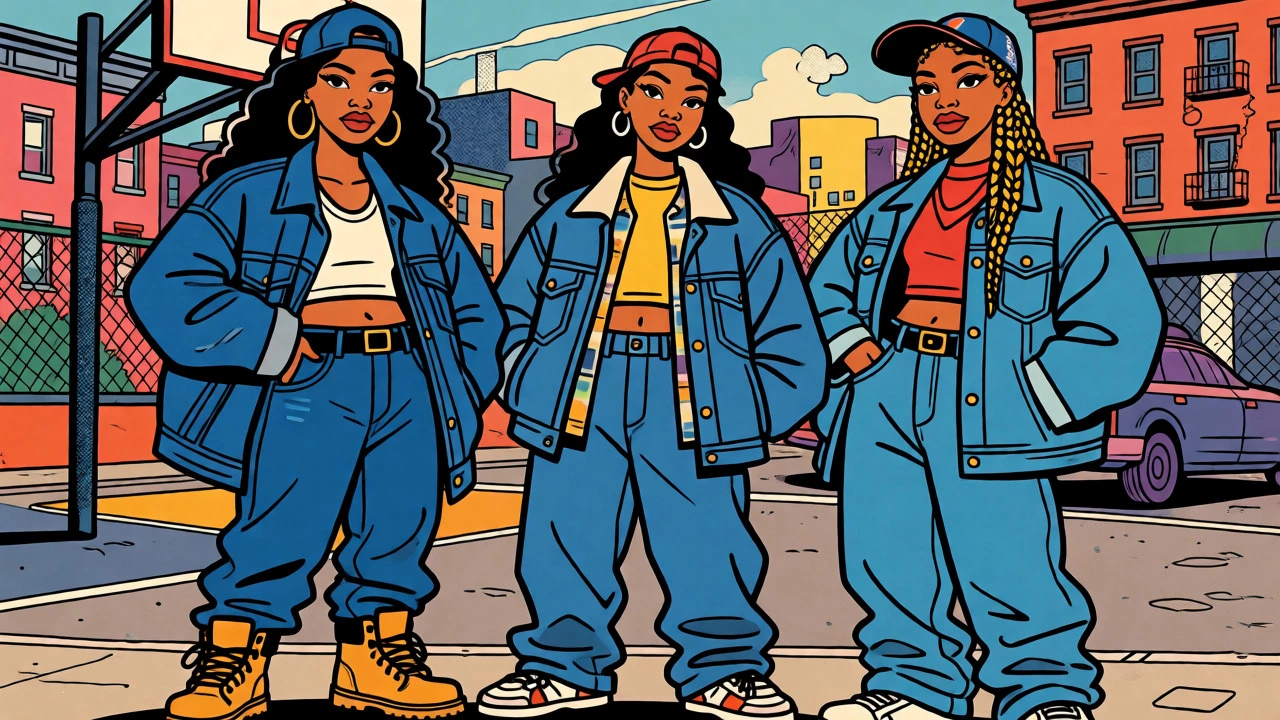
If you grew up in the '90s, you know the vibe. It was comfortable, it was bold, and it refused to apologize for taking up space. Street chic is a style characterized by oversized proportions, sportswear elements, and utilitarian accessories like work boots and baseball caps. This look dominated the mid-decade, heavily influenced by the crossover between hip-hop culture and mainstream R&B.
TLC became the face of this movement. Think about their early videos. Tionne "T-Boz" Watkins, Lisa "Left Eye" Lopes, and Rozonda "Chilli" Thomas wore coordinated oversized denim, baggy shirts, and crop tops. They mixed tomboy sex appeal with playful rebellion. Vogue described their look as a blend of colorful oversized denim and provocative accessories. It wasn't just about looking cool; it was about control. Baggy clothes allowed freedom of movement for choreography while creating a silhouette that blended masculine and feminine codes.
Mary J. Blige took this further. She rejected the polished diva image of the previous decade. Her "Queen of Hip-Hop Soul" persona, a title given by Sean "Puffy" Combs, relied on Malcolm X jerseys, Timberland boots, and blonde braids. Stylist Misa Hylton helped craft this tougher visual language, pairing combat boots with tennis skirts or hockey jerseys. It was a deliberate choice to signal authenticity and neighborhood roots. You didn't need a red carpet to be stylish; you needed confidence and the right pair of Timbs.
Glamour Reimagined
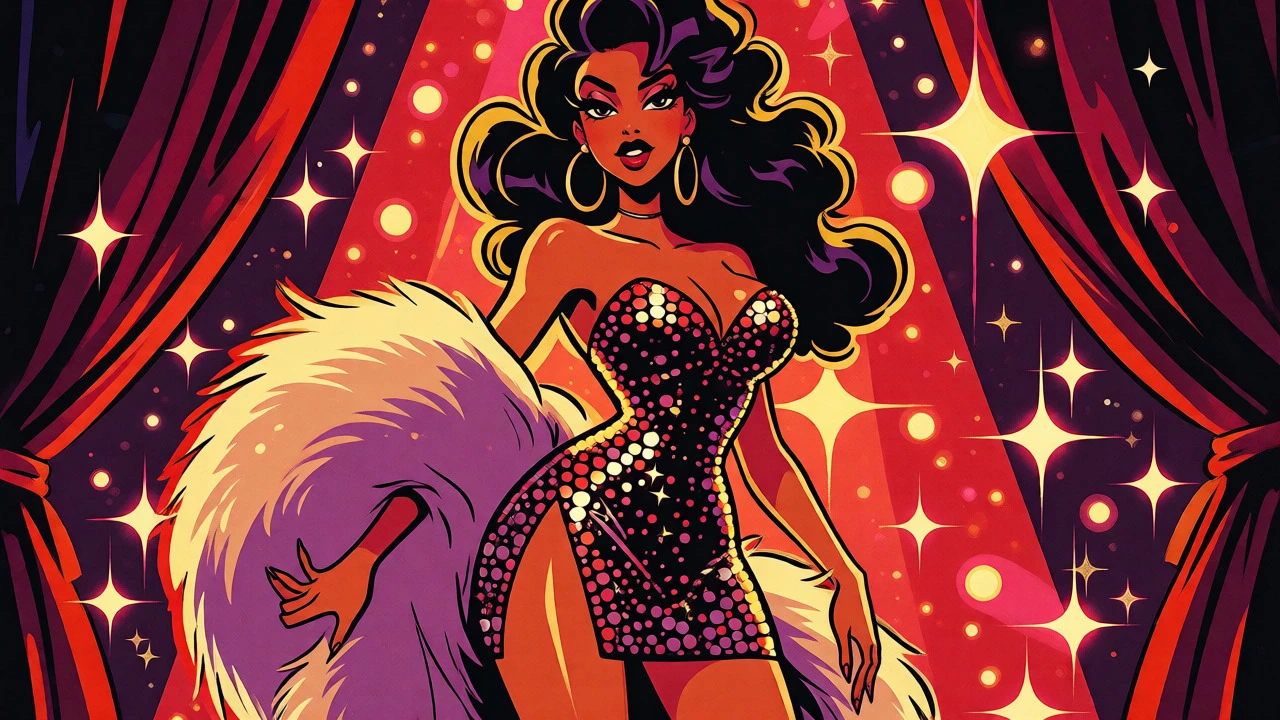
While some artists went street, others doubled down on glamour. But this wasn't the stiff, formal elegance of the 1980s. It was "ghetto fabulous," a term that perfectly captures the mix of casual garments with luxury signifiers. This branch of R&B style used high-end materials like furs and sequins alongside streetwear staples to create a narrative of success and sensuality.
Mariah Carey stood out here. While grunge was dominating rock radio, she kept the diva vocabulary alive. High hemlines, thigh-high side-split gowns, and strapless sequined minis remained her go-to choices. She proved that you could be sexy and powerful without abandoning traditional femininity. Janet Jackson also played with this balance, mixing crop tops and micro-sunglasses with power suits for formal events. The contrast was key. The same cultural field that celebrated toughness also made room for erotic display and polished tailoring.
Stylists like June Ambrose and Misa Hylton were architects of this look. They approached styling cinematically, helping artists build complete visual worlds. For Lil' Kim or Foxy Brown, fur coats and large jewelry weren't just accessories; they were status symbols. Music videos turned clothing into branding. An outfit could establish an artist's regional identity and commercial persona in seconds. It was expensive, yes, but it communicated achievement in a way that resonated deeply with audiences aspiring to that lifestyle.
Minimal Elegance and Futurism
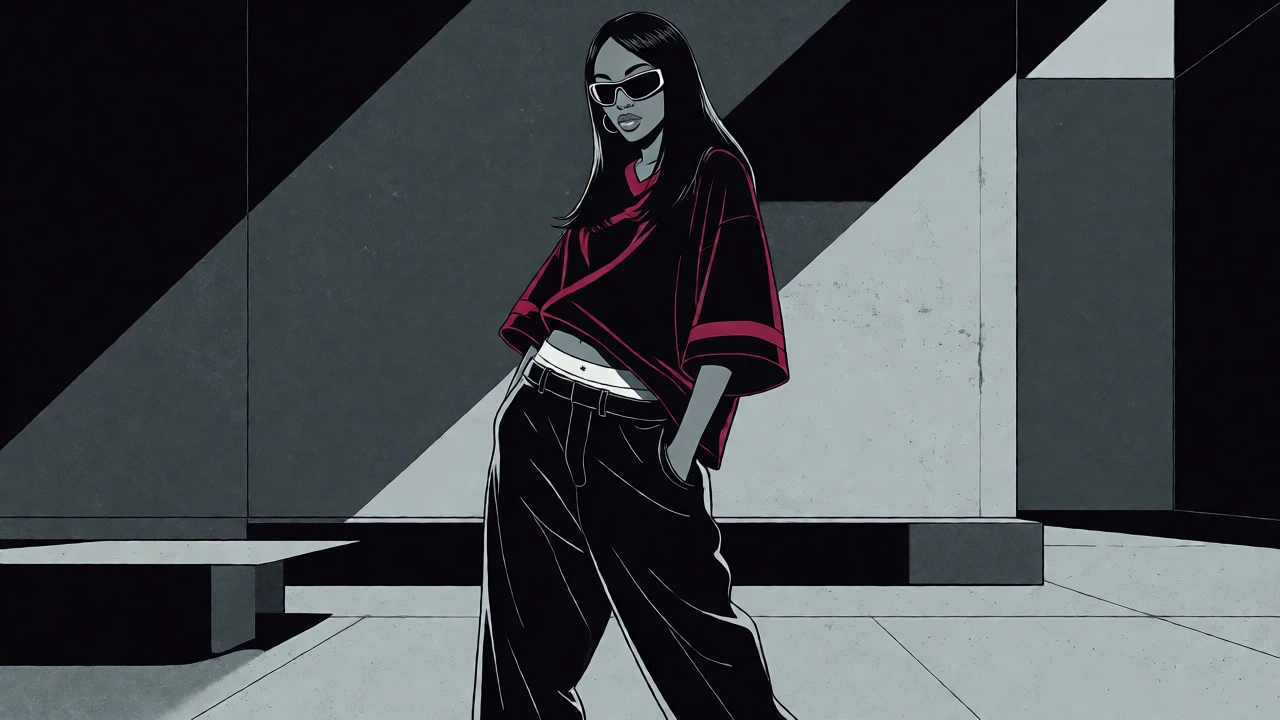
Then there was Aaliyah. If street chic was loud and glamour was flashy, Aaliyah’s style was quiet intensity. She refined streetwear into something minimalist and futuristic. Her recurring elements included low-rise baggy trousers, oversized jerseys, dark sunglasses, and boxers visible above the waistband. Stylist Derek Lee described her aesthetic as confident, comfortable, and effortless. The magic was in the details.
Aaliyah’s minimal elegance relied on restricted color palettes like black, concrete gray, and merlot, combined with technical fabrics and clean layering. During her *One in a Million* era, she often chose simple one-to-three-piece combinations designed not to distract from her performance. A metallic boiler suit hand-painted by Lee for *The Tonight Show* exemplified this approach. It was minimalism with technical precision. The body and movement became the focal point, not the clutter of the outfit.
This look connected everyday sportswear to high fashion without appearing overworked. It was sleek, modern, and timeless. Even today, when you see someone wearing a cropped top with baggy cargo pants and wraparound sunglasses, you’re seeing the echo of Aaliyah’s influence. She made the complex look simple, which is the hardest thing to pull off in fashion.
Male Icons: Preppy vs. Rugged
Don't think men were left out of the equation. Male R&B fashion offered two contrasting paths: collegiate polish and rugged street styling. Boyz II Men represented the former. They were styled as approachable and preppy, wearing bow ties, cardigans, slacks, and Brooks Brothers blazers. GQ noted that they made conventional clothing appear contemporary. Their look signaled respectability and romantic refinement, pairing upscale tailoring with hip-hop swing vocals.
In contrast, groups like Jodeci leaned into harder street styling. Combat boots, leather jackets, and caps defined their image. Joe and Case later adopted leather suiting, blending romance with edge. Acts like Tony! Toni! Toné! and Maxwell favored relaxed, layered, and vintage-inspired looks, avoiding a standardized uniform. This diversity showed that male R&B style wasn't monolithic. You could be a heartthrob in a sweater vest or a bad boy in leather, and both fit the genre.
| Style Archetype | Key Elements | Iconic Artists | Cultural Message |
|---|---|---|---|
| Street Chic | Baggy jeans, Timbs, jerseys, bandanas, crop tops | TLC, Mary J. Blige, Aaliyah (early) | Authenticity, comfort, toughness, community roots |
| Glamour | Furs, sequins, high heels, body-conscious silhouettes | Mariah Carey, Janet Jackson, Lil' Kim | Success, sensuality, luxury aspiration, diva power |
| Minimal Elegance | Monochromatic layers, technical fabrics, sunglasses, sleek lines | Aaliyah (later), Maxwell, D'Angelo | Sophistication, futurism, understated confidence |
| Preppy Polish | Blazers, bow ties, chinos, sweaters, oxford shirts | Boyz II Men, Eric Benét | Romantic refinement, respectability, classic charm |
Brands That Defined the Decade
You can't talk about this era without mentioning the brands that powered it. Tommy Hilfiger became synonymous with 1990s R&B after Aaliyah appeared in his 1996 campaign wearing a tube top and exposed branded underwear. Ralph Lauren saw a massive surge in popularity among Black consumers, who appropriated the preppy aesthetic and redefined it. Adidas tracksuits and Levi’s denim were staples in music videos everywhere.
These partnerships weren't just marketing stunts. They represented a shift in corporate fashion borrowing credibility from Black music culture. Artists gained access to designer goods and broader visibility, while brands tapped into the authenticity of the streets. Timberland boots, originally workwear, became a symbol of urban style. Carhartt and FUBU also rose to prominence, offering durable, functional clothing that looked good on stage and on the block.
Why It Still Matters
The legacy of 1990s R&B fashion is everywhere. Current revivals of baggy silhouettes, visible underwear, and athletic coordination trace back directly to this period. Gender-fluid styling, once pioneered by women wearing oversized menswear, is now mainstream. The era taught us that fashion is about narrative. Your clothes can tell people you are tough, tender, rich, humble, or futuristic-all at once.
It wasn't perfect. Critics note that the imagery sometimes commercialized poverty-coded clothing or reduced women to sexualized symbols. But its enduring value lies in its flexibility. It gave artists the tools to communicate identity, sexuality, and class simultaneously. Whether you're rocking a pair of low-rise jeans or a tailored blazer, you're walking in the footsteps of icons who understood that style is substance.
What defines 1990s R&B street chic?
Street chic in 1990s R&B is defined by oversized proportions, sportswear elements like track suits and jerseys, and utilitarian accessories such as Timberland boots, baseball caps, and gold hoops. Artists like TLC and Mary J. Blige popularized this look, which emphasized comfort, movement, and a blend of masculine and feminine codes.
How did Aaliyah influence R&B fashion?
Aaliyah refined streetwear into a minimalist and futuristic aesthetic. Working with stylist Derek Lee, she utilized low-rise baggy trousers, oversized jerseys, dark sunglasses, and monochromatic color palettes like black and gray. Her style focused on clean lines and technical fabrics, making simplicity look sophisticated and timeless.
What is the difference between street chic and glamour in 90s R&B?
Street chic prioritized comfort, authenticity, and neighborhood roots through items like baggy jeans and work boots. Glamour, on the other hand, focused on luxury signifiers like furs, sequins, and high heels to convey success and sensuality. Artists like Mariah Carey embodied glamour, while TLC and Mary J. Blige championed street chic.
Which brands were iconic in 1990s R&B fashion?
Key brands included Tommy Hilfiger, Ralph Lauren, Adidas, Levi’s, and Timberland. These brands became central to the R&B visual vocabulary through music videos and celebrity endorsements. Aaliyah’s association with Tommy Hilfiger and the widespread adoption of Timberland boots by artists like Mary J. Blige cemented their status as cultural icons.
Did male R&B artists follow the same fashion trends?
No, male R&B artists followed diverse paths. Groups like Boyz II Men adopted a preppy, collegiate look with blazers and bow ties to signal romantic refinement. Others, like Jodeci, embraced a rugged street aesthetic with leather and combat boots. This variety showed that male R&B style ranged from polished elegance to hard-edged toughness.