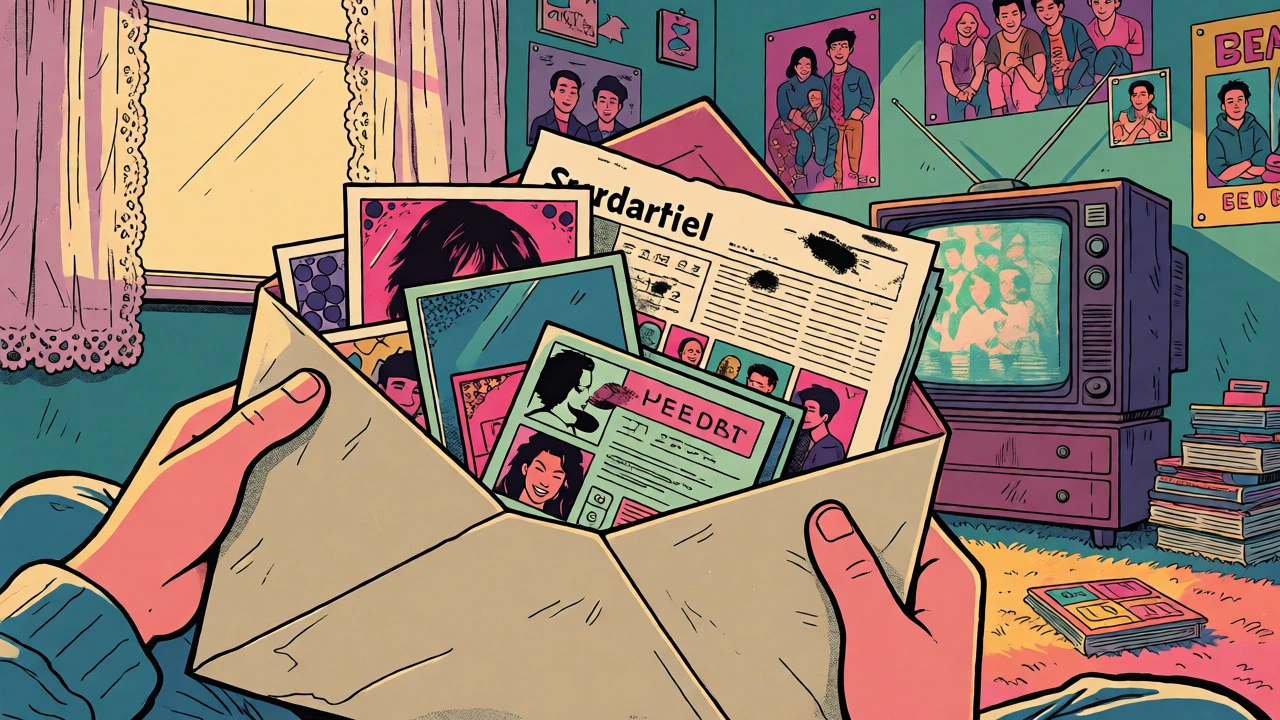

Remember the smell of fresh ink on a photocopied page? For millions of teenagers in the 1990s, that scent meant one thing: your favorite pop star had sent you something. Before Instagram stories and Twitter threads, 1990s pop fan clubs were the primary bridge between idol and admirer. They weren't just mailing lists; they were elaborate social ecosystems built on paper, postage, and hope.
You might think these clubs were simple subscription services. In reality, they were complex operations blending publishing, event management, and community building. A member paid anywhere from $5 to $15 a year-significant pocket money for a teen in 1993-to receive a membership card, a photograph, and a newsletter. But the real currency wasn't the dollar bill; it was proximity. Fans craved information and experiences unavailable through MTV or radio. This article breaks down how those physical networks worked, what "VIP" actually meant when you couldn't refresh a webpage, and why the model eventually collapsed under the weight of the internet.
The Anatomy of the Physical Membership Kit
Signing up required more than clicking a button. You filled out a form, cut a check, and waited weeks for the mail carrier. What arrived defined the experience. Most official clubs, like those for Bon Jovi or Take That, sent a standardized package. It typically included a laminated membership card with a photo, a small collectible like a magnet or guitar pick, and the first issue of the club newsletter.
The newsletter itself varied wildly. Some were professional magazines with glossy covers. Others, like Pulp’s "Pulp People," started as single photocopied sheets written by band members themselves. These documents served multiple roles:
- News Distribution: Announcements about new singles, tour dates, or album releases often appeared here before hitting mainstream media.
- Intimacy Simulation: First-person letters from the artist made fans feel personally connected. Questions answered in print created a false but powerful sense of dialogue.
- Community Building: Many newsletters featured letters from other members, effectively acting as a moderated forum for fans who didn't know anyone else obsessed with the same band.
For example, Stevie Ray Vaughan’s club issued a quarterly newsletter called "Say What" from 1993 to 1998. It wasn't just news; it was an archive. Members kept these issues because they were tangible proof of their loyalty. If you moved houses and forgot to update your address, you lost that connection entirely. There was no "forgot password" link.
Decoding "VIP Access": Lottery vs. Guarantee
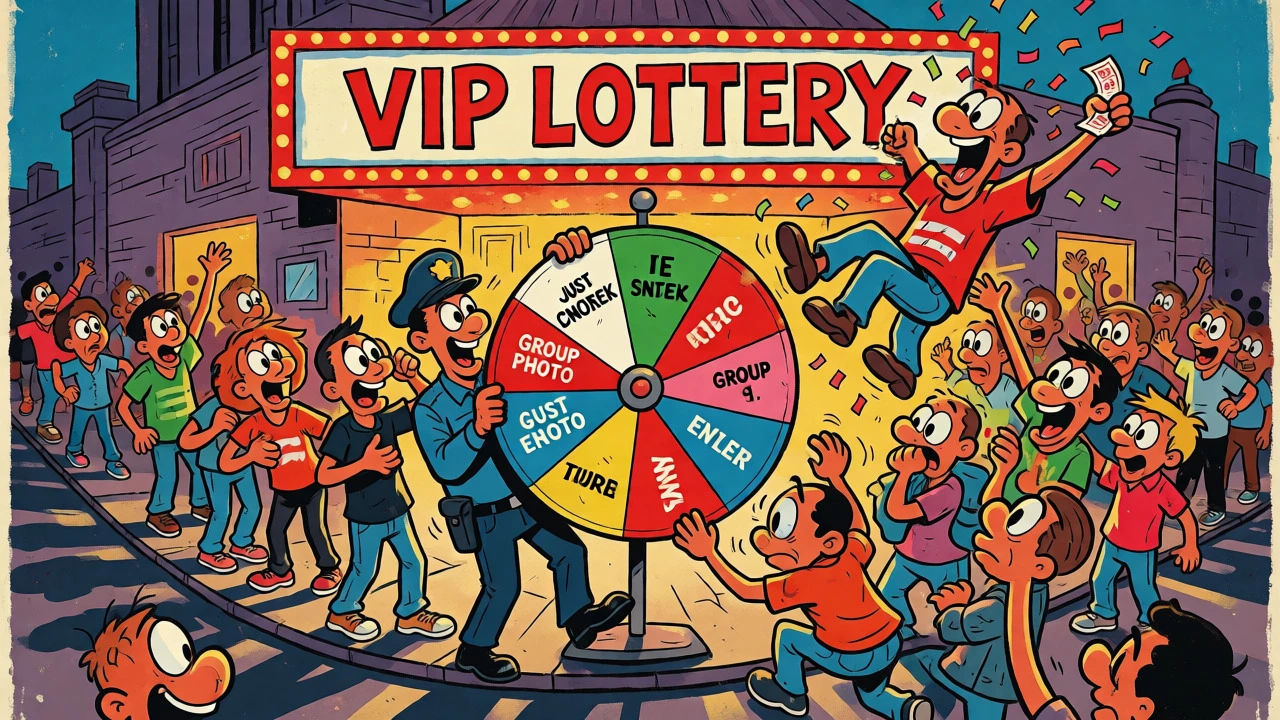
This is where modern nostalgia often gets it wrong. Today, we assume paying for a fan club guarantees a meet-and-greet. In the 1990s, "VIP access" was rarely a guarantee. It was usually a lottery ticket.
Artists had limited time and capacity. Thousands of fans wanted to meet five Backstreet Boys or four Spice Girls. To manage this, clubs used lotteries, contests, and random selections. Pearl Jam’s Ten Club, for instance, mailed advance-ticket info to members. In 1995, they randomly selected members to get free tickets to shows at the Seattle Moore Theatre. Getting in didn't mean meeting Eddie Vedder; it just meant you saw the show before the general public.
Actual meet-and-greets were even scarcer. Bon Jovi’s fan club organized trips that sometimes included private concerts or brief meetings with the band. But for most members, "VIP" meant early entry to a soundcheck or a chance to win a group photo. A retrospective on Backstreet Boys fandom highlights that even winning a soundcheck pass didn't ensure individual attention. Often, the band would gather onstage for a quick group shot after the rehearsal, then vanish. The gap between the advertised promise and the delivered experience was a constant source of frustration-and discussion-in fan newsletters.
| Benefit Type | Frequency | Guarantee Level | Example |
|---|---|---|---|
| Newsletter & Photos | Quarterly/Bi-annual | High (Paid Service) | Pulp's "Pulp People" booklet |
| Ticket Presales | Per Tour | Medium (Capacity Limited) | Pearl Jam Ten Club advance orders |
| Soundcheck Access | Rare/Lottery | Low (Chance-based) | Backstreet Boys contest winners |
| Meet-and-Greet | Very Rare/Trip-based | Low (Exclusive Packages) | Bon Jovi fan club trips |
The Pre-Internet Social Network
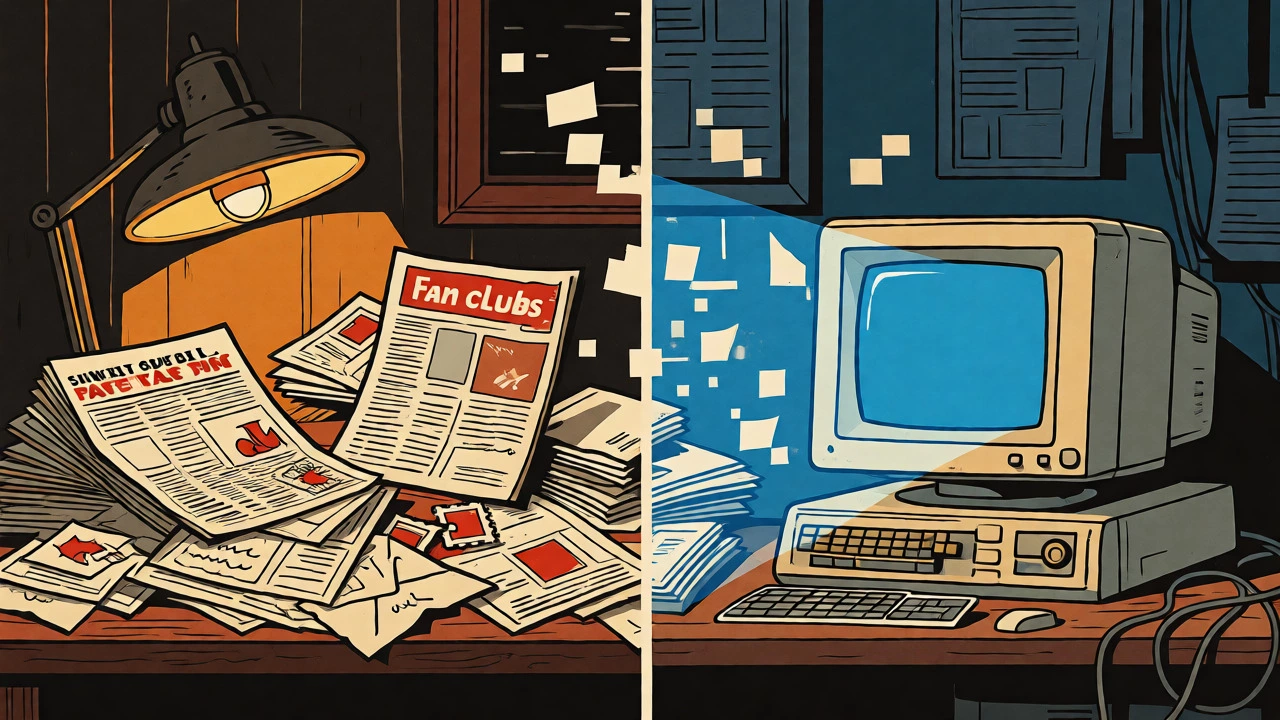
We tend to view the internet as the birthplace of online communities. But 1990s fan clubs were already doing social networking via postal service. Pen pals were a core feature. Teenagers exchanged addresses through club directories, sending letters, magazine clippings, and homemade crafts. This network allowed fans to find friends who shared their specific obsession, which was crucial if you lived in a town where nobody cared about New Kids on the Block.
These exchanges weren't just casual chat. They involved logistics. Who would drive to the venue? Who had a spare ticket? How did you translate lyrics if you were in Germany and the band was American? The newsletter facilitated this peer-to-peer coordination. It was a distributed support system. When the World Wide Web began gaining traction in the mid-90s, sites like Springsteen’s "Backstreets Digest" migrated these discussions online. However, the physical club retained its value because it offered official validation and physical artifacts that email lists couldn't provide.
Official vs. Unofficial: Navigating Scams
Not every club was run by the artist's management. Independent publishers and super-fans ran unofficial clubs. These could be incredibly high-quality, offering detailed discographies and local meet-ups. However, they lacked the official perks. An official club had direct lines to record labels and promoters. An unofficial one relied on public information.
This distinction mattered when buying tickets or merchandise. Official clubs often had exclusive merch available only to members. Unofficial clubs sold bootlegs or third-party goods. The risk of fraud existed too. Without verified domains or secure payment gateways, distinguishing a legitimate club from a scammer collecting checks was difficult. Fans relied on word-of-mouth in magazines like Spin or Rolling Stone to verify which clubs were legit.
Why the Model Collapsed
The decline wasn't sudden. It was a slow erosion caused by efficiency. By the late 1990s, artists began launching websites. Instant updates replaced quarterly newsletters. Why wait three months to hear about a tour date when you could check a webpage daily?
Furthermore, the economics changed. Printing and mailing thousands of booklets cost significant money. Digital distribution was nearly free. As bands realized they could communicate directly via email blasts or website posts, the need for a paid intermediary vanished. The intimacy of a handwritten-style letter was replaced by the immediacy of a blog post. While some clubs survived into the 2000s, they transformed into digital subscriptions or premium tiers for streaming platforms, losing the tangible, communal magic that defined the decade.
How much did a typical 1990s pop fan club membership cost?
Annual dues generally ranged from $5 to $15 in 1990s dollars. This fee covered the processing costs, printing, and postage for newsletters and membership kits. Premium packages for travel or special events could cost significantly more.
Did joining a fan club guarantee a meet-and-greet?
No. Meet-and-greets were rare and usually reserved for contest winners, lottery participants, or those who purchased expensive trip packages. Standard membership typically provided newsletters, photos, and ticket presale opportunities, not personal interaction with the artist.
What was inside a standard fan club welcome kit?
Welcome kits usually contained a laminated membership card with a photo, a signed or autographed photograph, a small collectible (like a magnet, sticker, or pick), and the first issue of the club newsletter. Some clubs also included a poster or a pen-pal directory.
How did fan clubs function before the internet?
They operated via postal mail. Fans received printed newsletters containing news, photos, and letters from other members. Coordination for meet-ups and ticket sharing happened through these publications and subsequent letter exchanges, creating a physical social network.
Why do people still talk about 1990s fan clubs today?
Many fans miss the tangible nature of the experience. Holding a physical newsletter and receiving mail from an artist felt more personal than scrolling through a feed. Additionally, the scarcity of access made the rewards feel more earned and valuable compared to today's instant gratification culture.