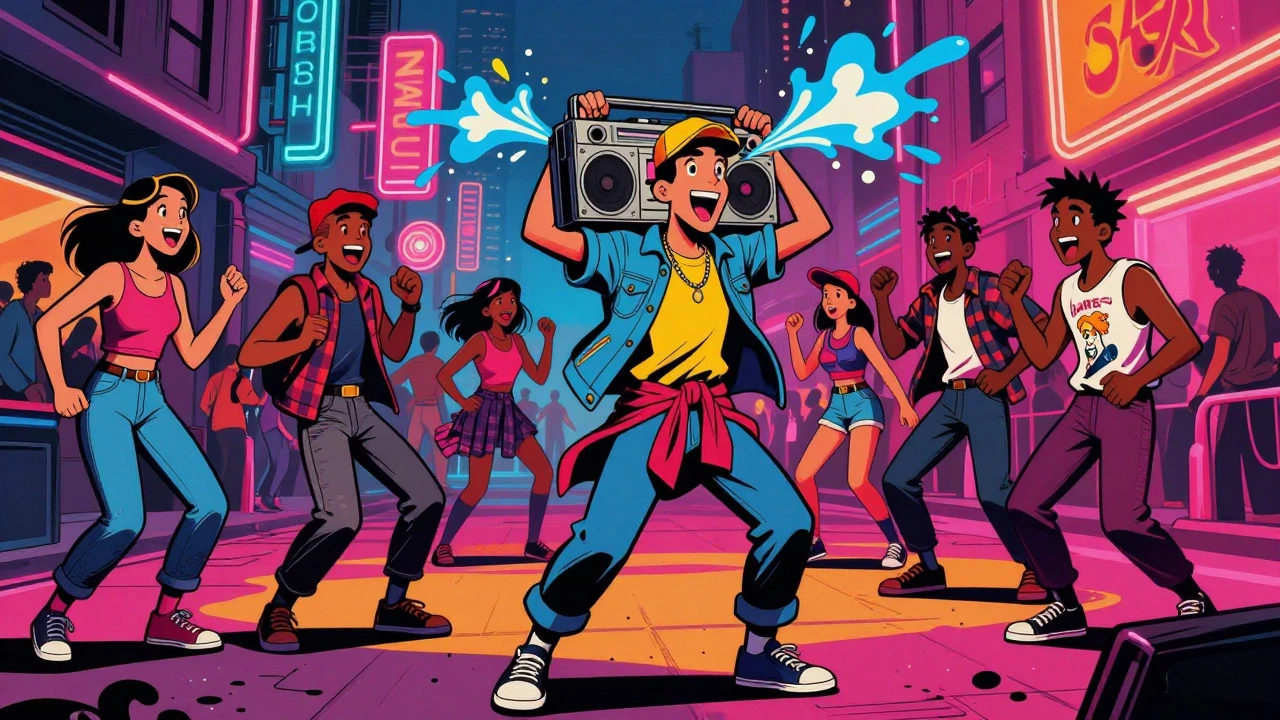

Walk into any major city club or scroll through TikTok right now, and you’ll likely hear a synth line from 1993 or a vocal hook from 1998. It’s not just a coincidence; it’s a data point. In 2026, 1990s music has officially overtaken current releases as the most consumed catalog era on streaming platforms. For years, we assumed nostalgia was a fleeting trend for millennials trying to recapture their youth. Today, the dynamic is different. Gen Z listeners, who were born after the decade ended, are driving a massive surge in consumption of music they never actually lived through. This isn't just about remembering; it's about discovering. The 1990s have become the ultimate aesthetic toolkit for modern pop, influencing everything from Dua Lipa’s production choices to the setlists of viral dance challenges.
The Data Behind the Retro Boom
To understand why this shift happened, we have to look at the numbers. Industry reports from Luminate indicate that between Q2 2024 and Q2 2025, 1990s tracks saw an 8% year-over-year increase in streams, outpacing growth in other decades. More strikingly, 64% of U.S. listeners now report enjoying 1990s music, compared to only 53% who prefer music from the 2020s. That is a significant gap for a decade that ended over 25 years ago. Catalog music-songs older than 18 months-now accounts for roughly 73% of all U.S. streaming. Within that catalog, 1990s titles are the heavy hitters. They sit comfortably in the "highly consumed" zone, where nearly one in six streams goes to music at least 20 years old. This data confirms that the 1990s are no longer a niche interest for older fans; they are a mainstream commercial force.
Understanding the 20-Year Nostalgia Cycle
Why the 1990s? Why now? Cultural analysts often point to the "20-year rule." This theory suggests that pop culture operates on waves where a specific era becomes culturally dominant again roughly two decades after its original peak. When teenagers in the 1990s grew into their 30s and 40s by the late 2010s, they began demanding that their formative music receive the same retro treatment that 1970s and 1980s acts had received in previous cycles. However, the 1990s revival is unique because it didn't wait for the original generation to age out. Thanks to digital archiving and social media, younger generations discovered these sounds before the cycle theoretically "hit." This created a dual-engine effect: older listeners experienced genuine nostalgia, while younger listeners experienced fresh discovery. Both groups converged on the same playlists, amplifying the trend exponentially.
Why 1990s Sounds Work for Modern Ears
Beyond the timing, there is a sonic reason why 1990s music fits so well in the 2020s. The 1990s were arguably the most eclectic decade in pop history. Unlike the relatively homogeneous landscape of the 2010s trap-pop era, the 90s blended R&B, hip hop, grunge, eurodance, and country into a single mainstream. Artists like Mariah Carey, Destiny’s Child, and Nirvana established templates for genre hybridity that modern producers still use today. Contemporary hits frequently borrow from 1990s eurodance structures, utilizing 4/4 beats, synthesizer arpeggios, and big chorus hooks. This style is highly effective for short-form video content. A 15-to-30-second snippet of a 1990s hit contains enough melodic density to hold attention on TikTok or Instagram Reels, making these tracks ideal for viral marketing and user-generated content.
Gen Z and the Phenomenon of Borrowed Nostalgia
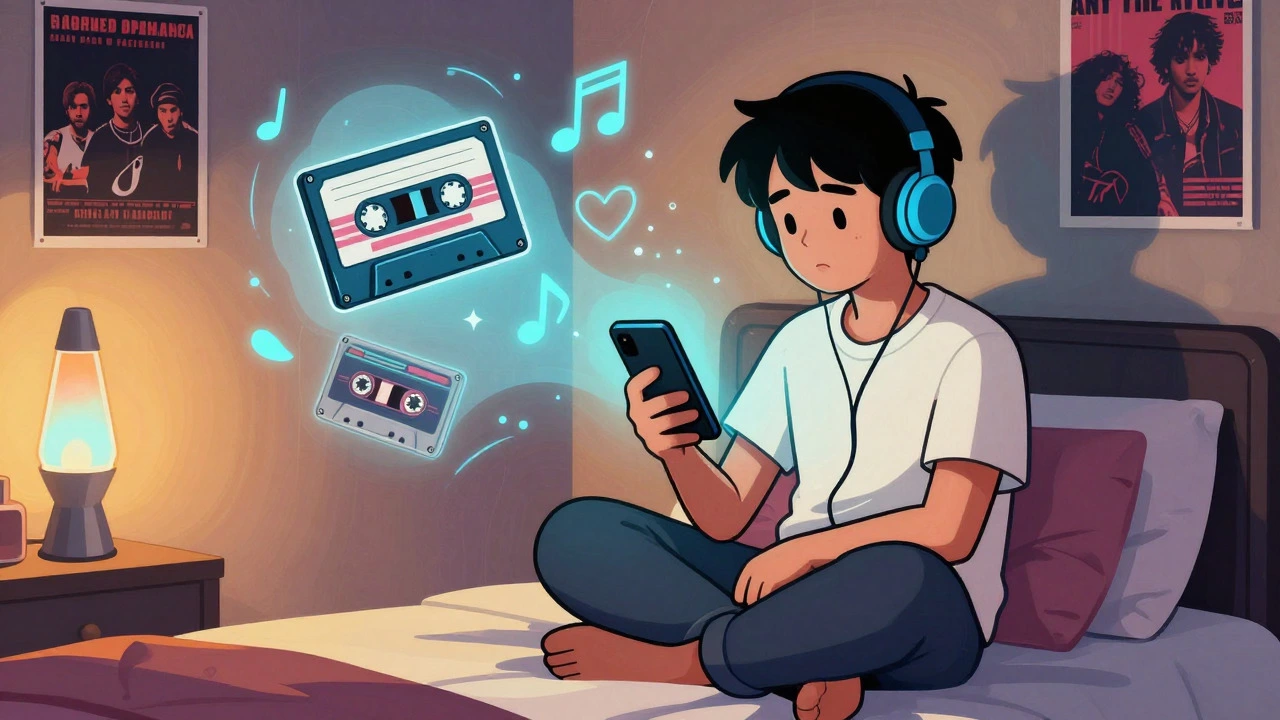
One of the most fascinating aspects of this trend is the concept of "borrowed nostalgia." Surveys conducted by Vevo in 2026 revealed that 65% of Gen Z consumers feel nostalgic for cultural moments they were too young to remember or never experienced. For many young listeners, 1990s music provides a sense of comfort and identity that current releases sometimes lack. A Dolby survey found that 80% of young respondents believed they were "born in the wrong era," using retro music to fill that emotional gap. This isn't just passive listening; it's active identity construction. When a 20-year-old uses a Goo Goo Dolls song to soundtrack a relationship drama on social media, they aren't pretending to be from the 90s. They are adopting the emotional vocabulary of that era to express their own modern experiences. This emotional resonance drives engagement far more effectively than simple novelty would.
| Decade | % of Listeners Enjoying | Primary Audience Driver |
|---|---|---|
| 1990s | 64% | Cross-generational (Millennials + Gen Z) |
| 1980s | 58% | Gen X / Older Millennials |
| 2000s | 57% | Younger Millennials / Gen Z |
| 2020s | 53% | Current New Releases |
How Social Media Accelerates Revivals
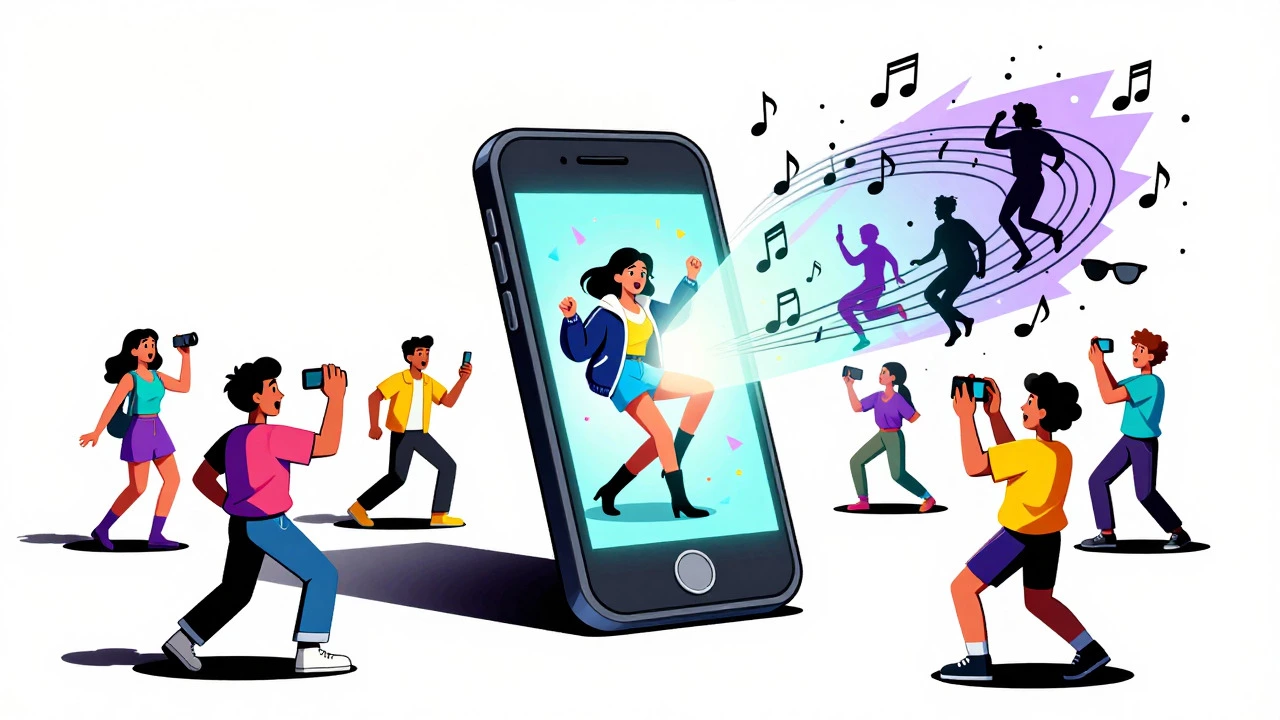
Social media algorithms play a crucial role in keeping 1990s music alive. Platforms like TikTok favor audio clips that generate high engagement, and 1990s songs consistently deliver. A study of UK TikTok posts in 2024 found that 19 of the top 50 tracks used were more than five years old. Songs like Blackstreet’s "No Diggity" or Destiny’s Child’s "Say My Name" re-enter the cultural conversation not through radio rotation, but through meme formats and viral challenges. This creates a feedback loop: a song goes viral, new listeners discover it, they add it to their playlists, which boosts its algorithmic ranking, leading to further exposure. For artists and brands, this means that licensing a 1990s track can yield higher organic reach than promoting a brand-new release, especially if the target demographic skews under 30.
Implications for Creators and Marketers
If you are creating content, launching a product, or curating events in 2026, understanding these dynamics is essential. For marketers, 1990s music serves as a ready-made emotional trigger. Vevo’s research shows that 78% of respondents associate older music with specific people or moments. Using a 1990s track in an advertisement can instantly evoke feelings of warmth, authenticity, and shared cultural memory. For event organizers, the data suggests that peak attendance for 1990s-themed nights occurs when the target audience is 10 to 25 years removed from their formative listening years. This means planning events that cater to both the original millennial crowd and the newer Gen Z audience requires a mix of precise genre sets (like early rave) and broader decade-based themes. For musicians, incorporating 1990s production techniques-such as live drum breaks or analog synth textures-can help position new work as both contemporary and timeless, tapping into the ongoing demand for familiar yet fresh sounds.
Frequently Asked Questions
Why do Gen Z listeners love 1990s music?
Gen Z listeners often experience "borrowed nostalgia," feeling connected to an era they did not live through. The music offers a sense of comfort and identity, and its strong hooks make it ideal for social media trends. Additionally, the eclectic nature of 1990s genres appeals to listeners seeking diversity beyond current pop trends.
What is the 20-year nostalgia cycle?
The 20-year cycle is a cultural theory suggesting that pop culture trends revive approximately two decades after their original peak. This happens as the generation that was young during the original era reaches middle age and seeks to reconnect with their youth, while younger generations discover the era through digital archives.
Is 1990s music more popular than new music?
In terms of streaming volume, yes. Catalog music, which includes 1990s tracks, accounts for about 73% of U.S. streams. Specifically, 1990s music has a higher enjoyment rate (64%) among general listeners compared to 2020s music (53%), indicating a stronger cross-generational appeal.
How does social media influence music revivals?
Social media platforms like TikTok amplify older songs by turning them into viral audio snippets. Algorithms favor content with high engagement, and 1990s songs often perform well in this format. This creates a discovery loop where new listeners find old songs, boosting their streaming numbers and reintroducing them to the mainstream.
Which 1990s subgenres are currently trending?
Eurodance, R&B, and alternative rock are particularly prominent. Eurodance influences modern pop production, R&B hits dominate social media challenges, and alternative rock bands continue to gain new fans through documentary releases and streaming services.