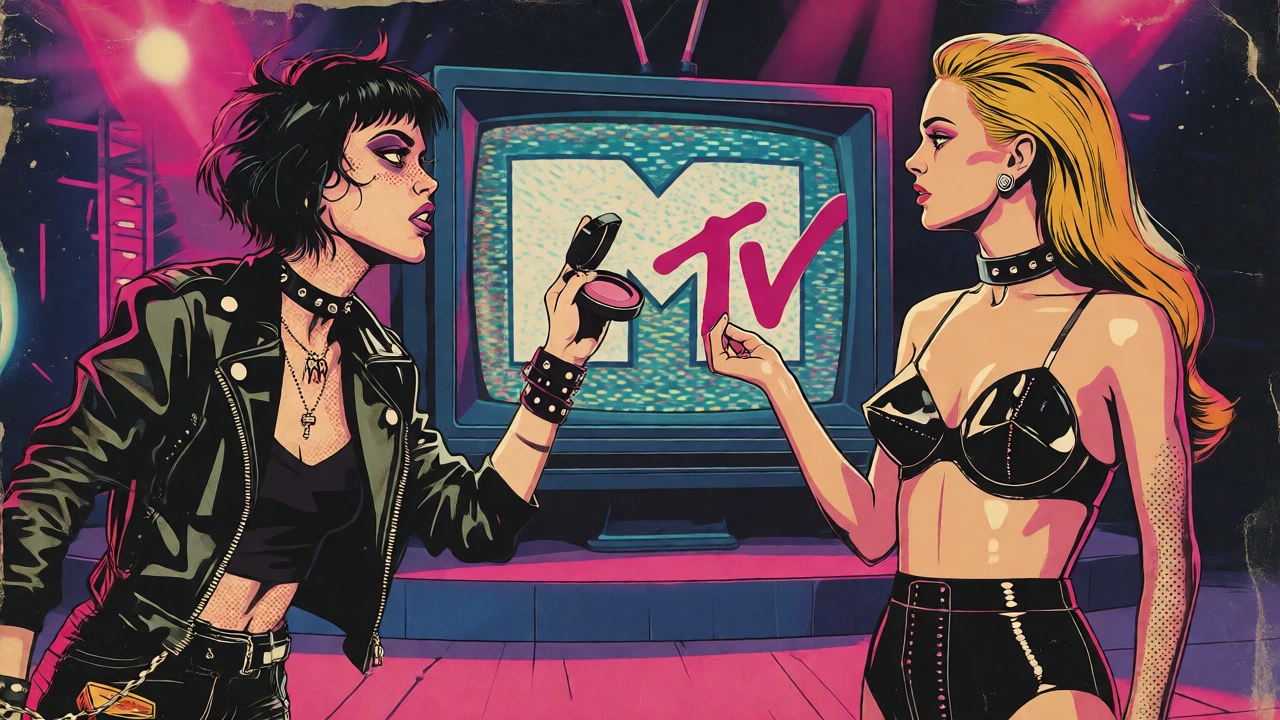

Remember when you actually had to be in front of a television at 8 PM on a Thursday night because if you missed it, you’d never know what happened until Monday’s newspaper? In the 1990s, MTV Video Music Awards was that appointment viewing. It wasn’t just about who won Best New Artist; it was about whether someone would get punched, stripped, or banned from the network before the commercial break. While the Grammys tried to maintain an air of stiff professionalism, MTV leaned hard into chaos. They realized early on that unpredictability sold better than polish. If you were under thirty in 1995, your social currency depended entirely on witnessing these moments live.
The Anti-Grammy Strategy
By the mid-90s, MTV knew exactly what it was doing. The Grammy Awards were for people who liked tuxedos and three-hour ceremonies where nobody said anything interesting. The VMAs were for people who wanted to see if the line between performance and meltdown would blur. Producers deliberately cultivated "water cooler moments." They didn't just invite celebrities; they invited troublemakers. The goal wasn't artistic recognition-it was cultural disruption. This shift turned the ceremony into a high-stakes gamble for every artist involved. Would you perform your new single, or would you use the stage to settle a public score? The audience tuned in hoping for the latter.
This strategy worked because it targeted a demographic traditional networks ignored. Younger viewers didn't care about technical perfection; they cared about authenticity, even if that authenticity looked like a train wreck. When Courtney Love threw her makeup compact at Madonna during a red carpet interview in 1995, it wasn't just gossip fodder. It was a declaration of war between grunge grit and pop polish. Madonna had to stand there, absorbing the physical insult while cameras rolled, unable to break character. That specific image defined the era's tension. It proved that the VMAs were no longer safe spaces for established stars. The platform had become dangerous, and danger drives ratings.
When Metallica Broke the Stage (and the Rules)
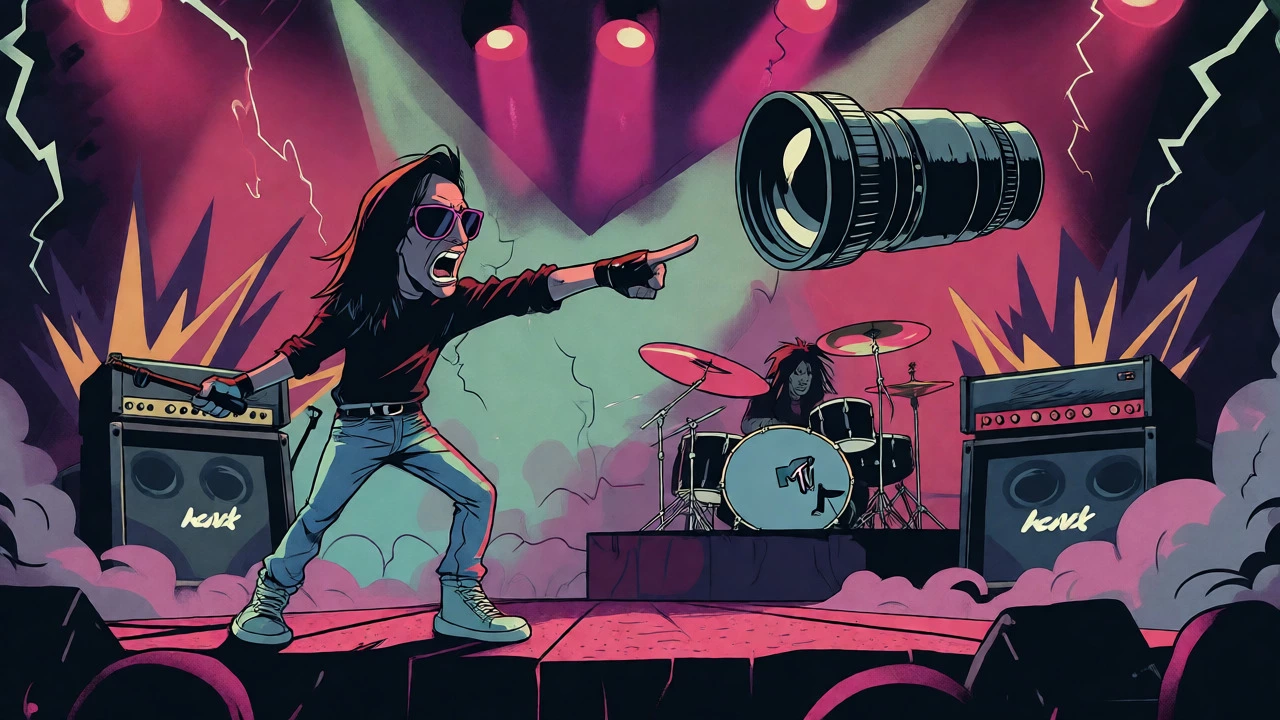
If Courtney Love provided the personal drama, Metallica provided the institutional rebellion. You might remember their infamous protest against MTV’s censorship policies. The band felt the network was sanitizing rock music, so they decided to fight back with sheer volume and vulgarity. During one appearance, James Hetfield threatened violence and bestiality directly from the stage. It wasn't subtle. It wasn't polite. And MTV hated it.
The network’s reaction tells you everything about their priorities. They cut the performance from future reruns. Think about that. A major band performs, causes a scene, and the network essentially pretends it didn't happen to protect its brand. But the damage-and the publicity-was already done. Fans talked about it for weeks. The clip circulated on bootleg tapes long before YouTube existed. This incident highlighted a critical feedback loop: MTV wanted edgy content to attract youth, but they couldn't handle actual edge. The friction between those two desires created some of the most memorable television moments of the decade. It showed that controversy could sustain media cycles far beyond the broadcast itself, keeping the channel relevant in newsstands and school hallways alike.
The Rise of Manufactured Feuds
Not every shock was accidental. Some were carefully choreographed dances by publicists. By the late 90s, everyone knew how the game worked. If two stars were feuding in the tabloids, the VMAs became the stage for their reconciliation-or escalation. Producers would sometimes orchestrate moments where rivals appeared together in matching outfits or performed cute skits. Was it real? Did it matter?
Audiences loved the ambiguity. They tuned in to decode the body language. Were Britney Spears and Christina Aguilera actually friends, or were they playing characters for our entertainment? This theatrical layer added depth to the viewing experience. It transformed passive watching into active participation. Viewers weren't just consuming content; they were investigating a mystery. This engagement kept retention rates high through commercial breaks. People stayed because they feared missing the resolution of a subplot that started three hours earlier. The show became less of an awards ceremony and more of a serialized reality drama with musical interludes.
Ratings Data: The Proof Was in the Numbers
You don't have to take my word for it. Look at the numbers. Throughout the 1990s, VMA viewership climbed steadily as the show accumulated more controversial moments. Each year built on the last. By 1999, the ceremony hit a peak of 11 million viewers. For a cable network event, that was massive. Compare that to the steady, often declining interest in traditional award shows of the same era.
| Feature | MTV VMAs | Traditional Awards (e.g., Grammys) |
|---|---|---|
| Primary Goal | Cultural Disruption & Youth Engagement | Industry Recognition & Tradition |
| Tone | Unpredictable, Chaotic, Edgy | Formal, Polished, Predictable |
| Audience Reaction | High Social Discourse (Water Cooler Talk) | Low Immediate Social Impact |
| Ratings Trend | Steady Growth through Decade | Plateau or Decline |
The correlation is undeniable. As MTV leaned into shock value, ratings rose. When they tried to play it safe, viewers drifted away. The 1999 peak wasn't an accident; it was the culmination of a decade-long experiment in controlled chaos. Celebrities understood this power. Appearing on the VMAs could launch a career or revive a fading one. This incentive structure ensured a constant supply of willing participants ready to push boundaries. The platform became self-sustaining: stars needed the exposure, MTV needed the stars, and audiences needed the drama.
The Context: Why MTV Needed the VMAs
To understand why the VMAs became so important, you have to look at what else was happening on MTV. In 1992, the network premiered The Real World. This marked a pivotal shift away from music videos toward reality programming. Suddenly, the channel that defined a generation’s music taste stopped playing music videos all day. Fans were furious. "MTV doesn't play music anymore" became a permanent complaint.
This strategic pivot left a void. If MTV wasn't showing you new songs daily, where did you go to see musicians interact? The answer was the VMAs. As regular rotation decreased, the annual awards show became the singular event where MTV could reclaim its music credibility. It was the one night a year where the network promised to honor the artists it claimed to support. The pressure on the VMAs intensified. They had to deliver not just winners, but spectacles. They had to prove that MTV still mattered to music fans. The shock moments weren't just gimmicks; they were survival tactics for a brand in transition.
Legacy: How the 90s Template Changed Everything
The 1990s set the template for modern televised events. Before social media made every moment viral instantly, the VMAs created "pre-social" virality. A moment like Andrew Dice Clay getting a lifetime ban in 1989 (a precedent that loomed over the 90s) showed that consequences were real. These events generated weeks of discussion in magazines and talk shows. Today, we see the same dynamics on TikTok or Twitter, but the mechanics were invented on that stage.
The lesson for any broadcaster today remains clear: younger audiences value authenticity and risk over safety. If you promise a polished product, you get polite applause. If you allow for the possibility of disaster, you get watercooler conversations that last for days. The 1990s proved that chaos is a commodity. And for a few glorious years, MTV was the only supplier that mattered.
Frequently Asked Questions
Why did the MTV VMAs get higher ratings than the Grammys in the 1990s?
The VMAs targeted a younger demographic that found traditional awards shows boring and overly formal. By embracing unpredictability, celebrity feuds, and shocking performances, the VMAs created engaging "water cooler moments" that drove immediate social discussion and sustained viewer interest, whereas the Grammys prioritized tradition and polish, which appealed less to the mass youth market.
What was the most significant controversy involving Metallica at the VMAs?
Metallica protested MTV's censorship of their music by performing offensive cover songs and having James Hetfield threaten violence and bestiality from the stage. The controversy was so severe that MTV removed the performance from all future reruns of the show, highlighting the tension between the network's desire for edgy content and its need to maintain advertiser-friendly standards.
How did the premiere of 'The Real World' affect the importance of the VMAs?
When MTV shifted focus from music videos to reality TV with 'The Real World' in 1992, the VMAs became the network's primary showcase for music. With fewer music videos airing regularly, the annual awards show grew in significance as the main event where MTV could demonstrate its connection to the music industry and retain its core music-loving audience.
Were the celebrity feuds at the VMAs real or staged?
It was often a mix of both. While some conflicts were genuine, producers and publicists frequently orchestrated appearances where feuding celebrities would reconcile or interact theatrically. This ambiguity engaged the audience, who enjoyed decoding whether they were witnessing real drama or carefully managed television theater, adding to the show's appeal.
Did the VMAs influence other awards shows?
Yes, the success of the VMAs in the 1990s demonstrated that younger audiences preferred unpredictable, personality-driven events over traditional, static ceremonies. This model influenced later awards shows and live events, encouraging them to incorporate more interactive elements, shorter segments, and opportunities for viral moments to capture similar demographics.