
Imagine it’s 2:00 a.m. on a Friday night in New York City. You’re not sleeping because you’re waiting for a specific voice to come over the airwaves. You aren’t listening for the top 40 hits that dominate daytime playlists. Instead, you are tuning into a frequency where the rules don’t apply, where unsigned MCs can step up to a microphone and spit raw bars over obscure breakbeats, and where a demo tape played once could launch a career. This was the 1990s hip-hop radio landscape, a chaotic, electric ecosystem that functioned less like a traditional broadcast station and more like a digital social network before the internet existed.
For many modern listeners, discovering music means scrolling through algorithmic playlists. But for a generation of fans and artists, discovery happened live, at 3:00 a.m., on college FM stations or urban commercial outlets. It was a time when DJs weren’t just playing records; they were curators, gatekeepers, and community leaders. Shows like The Stretch Armstrong and Bobbito Show, which began its legendary run on October 25, 1990, on Columbia University’s WKCR 89.9 FM, defined this era. They didn’t just play music; they created a space where the underground met the mainstream, often blurring the lines so thoroughly that you couldn’t tell where one ended and the other began.
The Architecture of Late-Night Discovery
Why did these shows matter so much? Because commercial radio had become rigid. Daytime formats were dominated by label-promoted singles, leaving little room for risk. If you wanted to hear something new-something gritty, experimental, or purely local-you had to stay up late. The core value proposition of 1990s hip-hop radio mix shows was exclusivity and authenticity. These programs offered continuous DJ mixes, B-sides, remixes, and unreleased demos that you literally could not hear anywhere else.
WKCR 89.9 FM is a non-commercial educational radio station owned by Columbia University in New York City. Its late-night slot became the incubator for a cultural shift. Hosts Adrian Bartos (DJ Stretch Armstrong) and Robert "Bobbito" Garcia understood that their audience wasn’t casual. These were dedicated heads willing to sacrifice sleep for four hours of unfiltered hip-hop. The show’s structure was simple but revolutionary: no tight rotations, no forced commercials breaking the vibe, and an open door policy for talent.
This accessibility changed how artists broke out. In previous decades, you needed a manager, a deal, and a promotional budget to get airplay. In the 90s, if you had a fire verse and a friend with a cassette recorder, you could get heard. The barrier to entry was skill, not capital. This democratization meant that the radio became a direct pipeline from the street corner to the national stage.
Freestyles as Currency
If the mix was the body of the show, the freestyle was its soul. Starting with their second episode in November 1990, Stretch and Bobbito integrated live improvisation as a formal element. This wasn’t just about showing off; it was about proving worth. An artist’s ability to ride a beat without preparation was the ultimate litmus test of their credibility.
Consider the now-legendary session featuring Jay-Z and Big L on February 23, 1995. For nearly ten minutes, the two MCs traded verses back and forth, unscripted and unedited. There were no auto-tune corrections, no producer tweaks, and no safety nets. What you heard was raw talent. These sessions circulated on dubbed cassette tapes, spreading far beyond the reach of the original broadcast. A fan in Brooklyn might record the show, dub it for a friend in Queens, who would then copy it for someone in the Bronx. This physical circulation created a grassroots marketing machine that labels eventually noticed.
The impact of these freestyles cannot be overstated. Artists like Nas, Wu-Tang Clan, DMX, and Eminem all utilized these platforms to showcase skills that studio albums sometimes polished away. When a major label executive heard a stretch-and-bobbito freestyle, they weren’t hearing a produced product; they were hearing the potential of an artist in their most natural state. This led to countless record deals in the latter half of the decade. The radio show essentially served as an unofficial A&R department for the entire industry.
The Call-In Culture and Community Connection
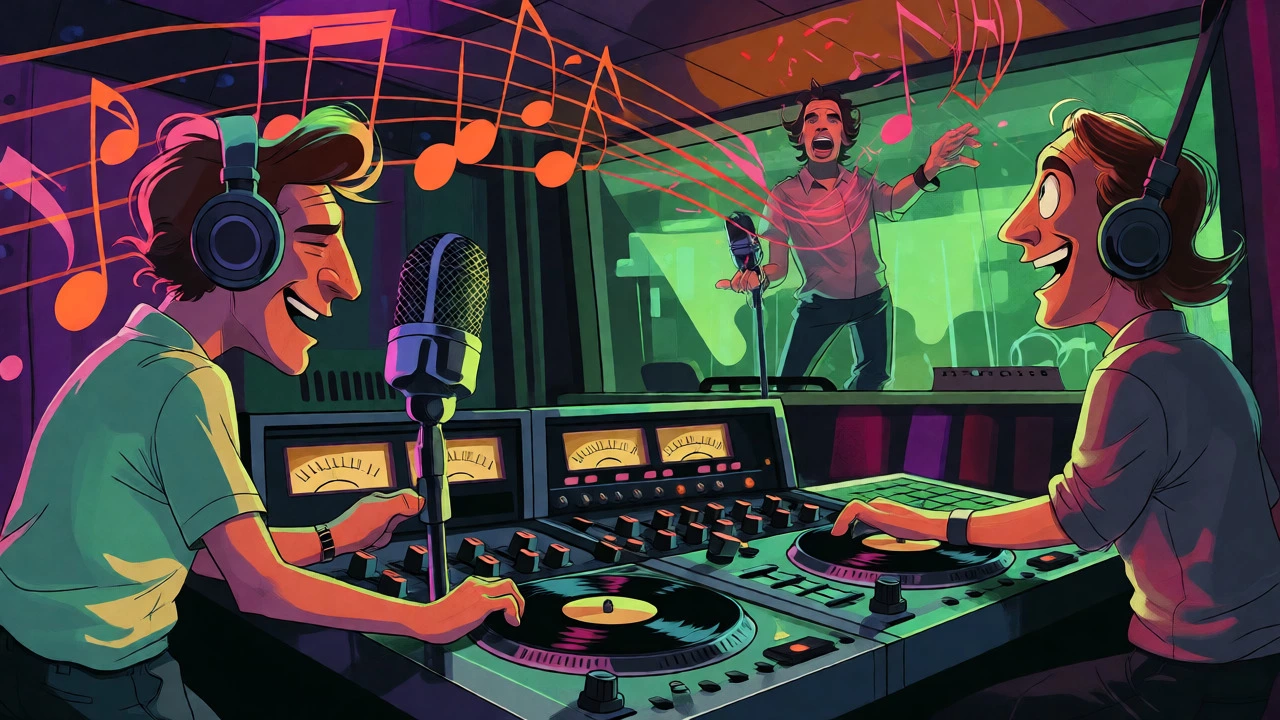
Beyond the music, the human element drove engagement. Call-in culture was vibrant and immediate. Listeners weren’t passive consumers; they were participants. They called in to request rare tracks, debate lyrical prowess, or simply share their excitement about a new release. This interactivity fostered a sense of belonging. You weren’t just listening to a broadcast; you were part of a club.
DJs like Funkmaster Flex on Hot 97 or DJ Premier on WBLS Thunderstorm cultivated distinct personas that resonated with different segments of the audience. Flex bridged the gap between club bangers and street anthems, while Premier extended his production aesthetic into the airwaves. Each show had its own personality, creating loyal fanbases that tuned in religiously. The phone lines were often jammed, reflecting the high stakes of participation. Getting your name on air or having your request played was a badge of honor within the community.
This participatory model relied heavily on the limitations of the medium. Because you couldn’t rewind or skip ahead, every moment counted. If you missed the start of a freestyle, you missed it forever unless you had recorded it. This scarcity heightened attention and appreciation. Today, with streaming services offering infinite choice, we’ve lost some of that urgency, but we also gained convenience. The trade-off was intimacy.
Tape Trading: The Original Viral Marketing
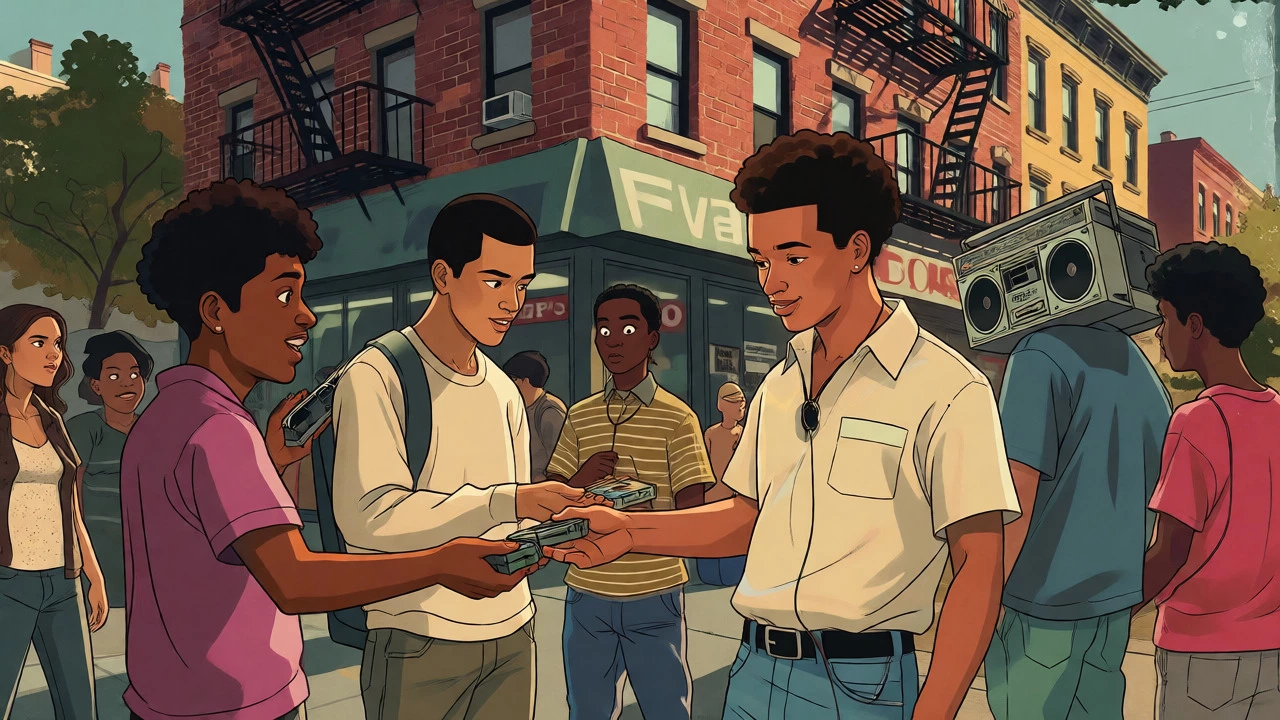
To understand the spread of these shows, you have to look at the technology of the time: the cassette tape. While radio waves reached a limited geographic area, cassettes traveled indefinitely. Fans recorded entire four-hour episodes onto blank tapes, which were then copied, sold, and traded in record stores and on street corners.
This bootleg economy was robust. A single episode featuring exclusive mixes and freestyles could become highly sought-after merchandise. The demand was so high that official releases eventually followed, with partnerships like the one between Stretch and Bobbito and Fat Beats Records turning broadcast content into commercial products. These tapes allowed a listener in Portland, Oregon, to experience the same sonic landscape as someone in Harlem, effectively shrinking the world of hip-hop.
The quality of these recordings varied, often capturing the hiss of the tape deck and the ambient noise of the host’s studio, but this lo-fi aesthetic added to their charm. It felt authentic, unpolished, and real. The tapes mirrored the aesthetics of street mixtapes, combining new records, blends, and live rhyming in ways that conventional radio programming rarely attempted.
| Station/Show | Host(s) | Primary Focus | Listener Interaction | Career Launch Examples |
|---|---|---|---|---|
| WKCR 89.9 FM Stretch & Bobbito |
Adrian Bartos Robert Garcia |
Underground demos, freestyles, rarities |
High (Call-ins, open mic feel) |
Jay-Z, Nas, Wu-Tang, Big Pun, Eminem |
| Hot 97 Street Jams |
Funkmaster Flex | Mainstream crossover, club bangers |
Moderate (Requests) | DMX, Mobb Deep, Lil’ Kim |
| WBLS Thunderstorm |
DJ Premier | Production-focused, Gangsta Rap |
Low (Curated) | Nas, GZA, Method Man |
| WBAU Hip Hop Spot |
DJ Riz, Wildman Steve |
Local NY Talent, Community News |
High (Hyper-local) | Various local acts |
Legacy and Digital Preservation
Today, the influence of 1990s hip-hop radio is everywhere, even if the format has changed. The concept of the "playlist curator" owes a debt to these DJs. Modern streaming channels like Prismatic FM’s 90s Hip Hop Radio attempt to recreate the vibe, offering continuous mixes that mimic the flow of those old broadcasts. However, the serendipity of catching a surprise guest at 3:00 a.m. is hard to replicate in an on-demand world.
Institutional recognition has caught up with cultural impact. In 2024, Stretch and Bobbito were inducted into the National Association of Broadcasters Hall of Fame, cementing their status not just as entertainers, but as pivotal figures in broadcasting history. Documentaries like "Stretch and Bobbito: Radio That Changed Lives" have preserved their legacy for new generations, ensuring that the stories behind the tapes survive.
For anyone interested in music history, exploring these archives is essential. Platforms like Mixcloud and SoundCloud host curated collections of these vintage episodes, allowing us to trace the development of iconic artists in real-time. We can hear Big L before he was famous, or catch the first signs of Eminem’s unique cadence. It’s a reminder that before algorithms decided what we listen to, humans with taste and passion made those choices, building a culture that still resonates today.
What made 1990s hip-hop radio different from modern playlists?
Modern playlists are often algorithm-driven or curated for broad appeal, focusing on popular hits. 1990s hip-hop radio, particularly late-night shows like Stretch and Bobbito, focused on exclusivity, featuring unreleased demos, B-sides, and live freestyles that couldn't be found elsewhere. It was linear and ephemeral, requiring listeners to tune in at specific times, which created a shared communal experience rather than individual consumption.
How did radio shows help launch artists' careers?
Shows provided a platform for unsigned artists to perform live freestyles or play demo tapes. These performances were recorded on cassettes by fans and traded widely, creating buzz and visibility. Major label A&R reps monitored these shows to discover new talent, leading to record deals for artists like Jay-Z, Nas, and Wu-Tang Clan based solely on their radio appearances.
What role did cassette tapes play in hip-hop culture?
Cassette tapes were the primary method of distributing radio content outside of live broadcasts. Fans recorded shows and traded them, extending the reach of the radio beyond its geographic signal range. This bootleg distribution network acted as organic marketing, allowing songs and freestyles to circulate nationally and internationally long after the initial broadcast.
Which radio show is considered the most influential of the 90s?
The Stretch Armstrong and Bobbito Show is widely cited as the most influential. Debuting in 1990 on WKCR 89.9 FM, it pioneered the format of mixing deep cuts with live freestyles and listener interaction. Its alumni list includes numerous superstars, and it received critical acclaim, including being named the "Best Hip Hop Radio Show of All Time" by The Source magazine in 1998.
Can I still listen to 1990s hip-hop radio shows today?
Yes, many episodes have been digitized and uploaded to platforms like Mixcloud, SoundCloud, and YouTube. Dedicated streaming stations, such as Prismatic FM's 90s Hip Hop Radio, also curate similar vibes, though they may not feature the exact same live interactive elements. Archives from shows like Stretch and Bobbito are available for historical listening.