
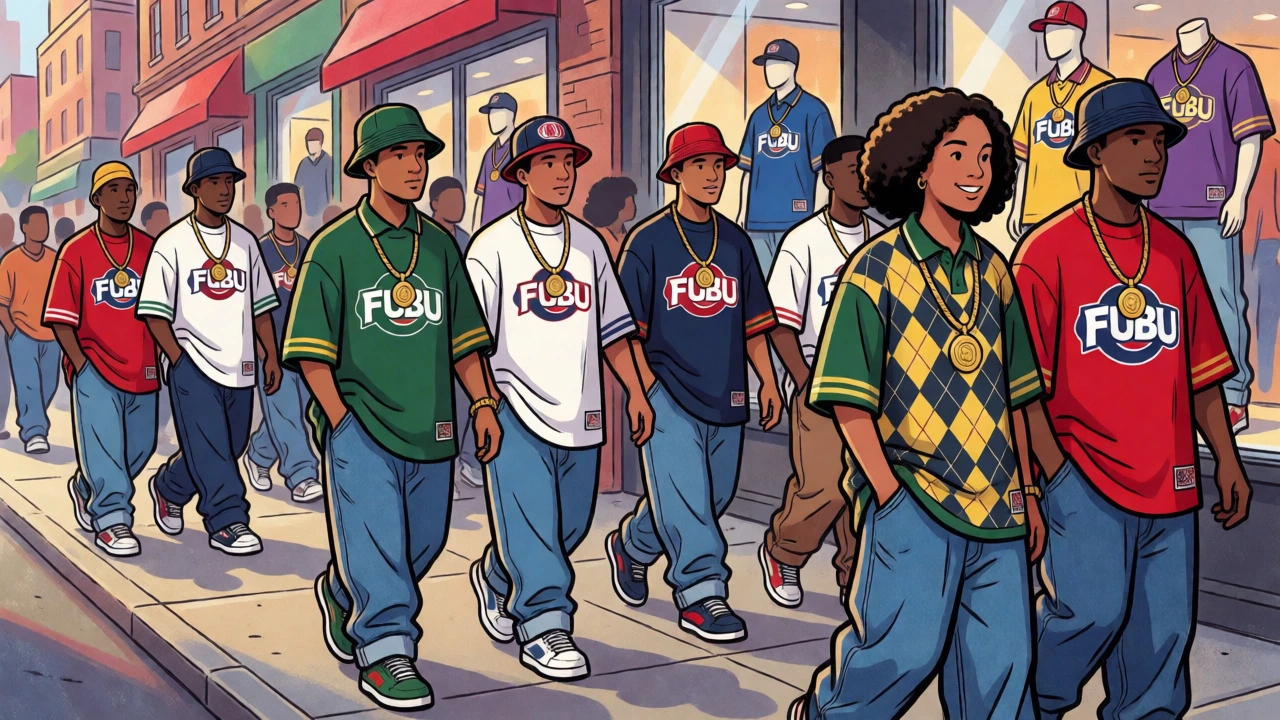
You probably remember the baggy jeans, the oversized jerseys, and the gold chains. But do you remember that for many artists in the 1990s, the music was just the marketing channel? The real money wasn't always in album sales; it was in the clothes. Between 1989 and 2004, a group of rappers and entrepreneurs turned cultural credibility into massive retail empires. They didn't just wear Tommy Hilfiger; they built their own labels to compete with him. This wave of hip-hop entrepreneurship created brands like FUBU, Phat Farm, and Rocawear that generated hundreds of millions in annual revenue.
If you're looking at how modern artists build business empires today, you need to look back at this era. It was the first time Black-owned businesses successfully captured value from their own culture rather than licensing it out to white-owned conglomerates. Let's break down exactly how these brands started, how they scaled, and why some faded while others sold for nine figures.
The Early Days: Politics and Style (1989-1992)
Before the corporate deals, there was the message. In 1989, Carl Jones launched Cross Colours in Los Angeles. Its tagline was "clothes without prejudices," and its designs used red, yellow, green, and black to evoke African-diaspora themes. This wasn't just fashion; it was identity politics you could wear.
Cross Colours became ubiquitous because MTV and shows like "The Fresh Prince of Bel-Air" put hip-hop style on prime-time television. Groups like Kris Kross and TLC wore Cross Colours, effectively turning the brand into a visual extension of the music. Around the same time in New York, Karl Kani launched his line around 1989. While Cross Colours leaned political, Karl Kani focused on tailored silhouettes that appealed to the emerging streetwear aesthetic. These two brands set the stage by proving that there was a massive market for clothing designed by and for the hip-hop community.
FUBU: From Street Hustle to $350 Million Empire
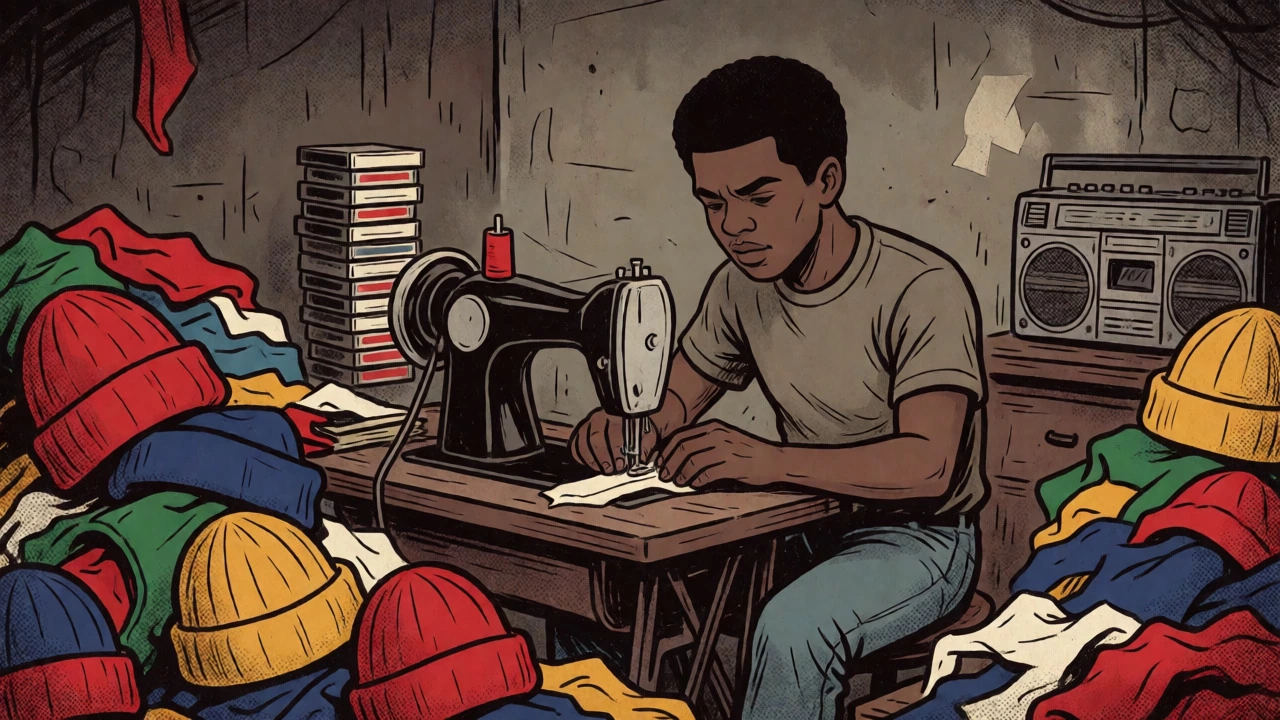
No story captures the grit of this era better than FUBU. Daymond John didn't start with venture capital. He started by sewing wool ski hats in his mother's basement in Hollis, Queens, around 1989. He sold about 80 hats locally before realizing he needed serious production capacity.
In 1992, John formally established FUBU (For Us, By Us) with co-founders Carlton E. Brown, J. Alexander Martin, and Keith C. Perrin. To finance early production, John mortgaged his home for approximately $100,000. That risk paid off when FUBU secured a manufacturing partnership with Samsung. Within five years of that deal, sales associated with the partnership reached $200 million. By 1998, FUBU was grossing over $350 million annually worldwide. This wasn't just a side hustle; it was a major apparel company competing with mainstream giants.
| Brand | Founder(s) | Launch Year | Peak Annual Sales | Exit/Acquisition Detail |
|---|---|---|---|---|
| FUBU | Daymond John et al. | 1992 | $350 million (1998) | Licensed/Sold later; iconic status retained |
| Phat Farm / Baby Phat | Russell Simmons / Kimora Lee Simmons | 1992 / 1999 | Multimillion-dollar scale | Sold to Kellwood Apparel for $140 million (2004) |
| Sean John | Sean Combs | 1998 | $525 million (Height) | Acquired by various entities; brand relaunches |
| Rocawear | Jay-Z & Damon Dash | 1999 | $700 million (2008) | Rights sold to Iconix Brand Group for $204 million (2007) |
Phat Farm and the Preppy Pivot
Russell Simmons took a different approach. As the founder of Def Jam Recordings, he already had the infrastructure to launch Phat Farm in 1992. Unlike the logo-heavy streetwear of FUBU or the bold colors of Cross Colours, Phat Farm drew inspiration from Ralph Lauren and Tommy Hilfiger.
It offered argyle prints, polos, and clean denim. This was a strategic move to capture the aspirational middle-class hip-hop consumer who wanted to look successful, not just tough. The brand grew rapidly, eventually rivaling legacy preppy brands in visibility among Black consumers. Simmons expanded the empire in 1999 by launching Baby Phat, a sister line aimed at women. This gendered expansion proved highly lucrative. In 2004, both Phat Farm and Baby Phat were sold to Kellwood Apparel for a reported $140 million, marking one of the first major cash-outs in hip-hop fashion history.
Group Power: Wu Wear and Collective Branding
While moguls like Simmons and entrepreneurs like John dominated, rap groups began leveraging their collective identity. Wu-Tang Clan launched Wu Wear in 1995, three years after their debut album. They turned their distinctive "W" logo and kung-fu aesthetic into a lifestyle brand.
Wu Wear showed that a group could function as a brand entity itself. Fans didn't just buy clothes to support individual members; they bought into the clan's mythology. Although specific revenue figures for Wu Wear are less documented than FUBU or Rocawear, its presence alongside major players in fan forums and retrospectives confirms its significance. It paved the way for other collectives to consider merchandise as a primary revenue stream rather than a tour souvenir.
The Mogul Era: Sean John and Rocawear
By the late 1990s, the game changed. Artists weren't just endorsing brands; they were becoming global lifestyle icons. Sean "Puff Daddy" Combs launched Sean John in 1998. Initially seen as a basic urban label, it quickly evolved into an international brand sold in high-end department stores.
Combs leveraged his peak mainstream visibility during albums released between 1997 and 1999. Revenue for Sean John exceeded $100 million annually early on, eventually reaching a reported $525 million at its height. This demonstrated that a single celebrity-led brand could quadruple sales within a few years by utilizing televised awards shows and music videos as organic advertising.
Then came Jay-Z and Rocawear. Sources vary on the exact launch date, with some citing 1995 and others July 1999. Regardless of the start date, the trajectory was explosive. Within 18 months of its first collection, Rocawear achieved $80 million in retail sales. By 2002, sales hit $500 million. At its peak in 2008, annual sales reached $700 million.
Jay-Z used lyrical product placement-lines like "powder blue Rocawear suit"-to drive demand. In 2007, he sold the rights to Iconix Brand Group for $204 million but retained a stake and a role in marketing. This deal highlighted a sophisticated exit strategy: monetize the asset while keeping the cultural relevance alive.
Why Did So Many Brands Fade?
If these brands were so profitable, why aren't they everywhere today? Several factors contributed to their decline. First, the market became saturated. Between 1998 and 2005, over a dozen labels competed for the same dollars. Second, mainstream luxury houses and non-Black-owned streetwear brands began absorbing hip-hop aesthetics. When Gucci and Louis Vuitton started selling hoodies, the unique appeal of urban brands diminished.
Additionally, changing retail landscapes hurt. Many of these brands relied on specific distribution channels that disappeared as big-box retailers consolidated. Finally, fashion cycles moved faster. What was cool in 1999 felt dated by 2005. Today, most of these brands exist under new ownership structures or as niche nostalgia plays, far removed from their 90s dominance.
Lessons for Modern Entrepreneurs
The 1990s hip-hop fashion boom offers concrete lessons for anyone building a personal brand today:
- Control the Supply Chain: Daymond John’s mortgage and subsequent Samsung deal show that owning production is key to scaling.
- Leverage Existing Platforms: Russell Simmons used Def Jam’s reach to launch Phat Farm. Use your current audience to launch new products.
- Expand Strategically: Kimora Lee Simmons’ launch of Baby Phat shows how to segment your market without diluting your core brand.
- Know When to Sell: Jay-Z’s sale of Rocawear rights illustrates how to monetize cultural capital while retaining influence.
This era proved that cultural authenticity has tangible economic value. For a brief period, hip-hop artists controlled their image, their sound, and what people wore. That shift in power dynamics remains one of the most significant chapters in modern business history.
Who founded FUBU and how did it start?
FUBU was founded by Daymond John, along with Carlton E. Brown, J. Alexander Martin, and Keith C. Perrin in 1992. It started in Hollis, Queens, where John sewed ski hats and sold them locally before securing a major manufacturing partnership with Samsung.
How much did Rocawear sell for?
In 2007, Jay-Z sold the rights to Rocawear to Iconix Brand Group for $204 million. He retained a stake in the company and continued to be involved in marketing and product development.
What was the difference between Phat Farm and FUBU?
FUBU focused on streetwear with heavy logos and a "For Us, By Us" community ethos. Phat Farm, founded by Russell Simmons, adopted a preppy, classic American style inspired by Ralph Lauren, targeting a more aspirational, polished look.
Did Wu-Tang Clan have their own clothing line?
Yes, Wu-Tang Clan launched Wu Wear in 1995. It utilized the group's kung-fu aesthetic and "W" logo, becoming one of the first major clothing lines directly driven by a rap group's brand identity.
Why did 90s hip-hop clothing brands decline?
Decline resulted from market saturation, the adoption of hip-hop aesthetics by mainstream luxury brands, changes in retail distribution, and rapid shifts in fashion trends that made specific urban styles feel dated by the mid-2000s.


