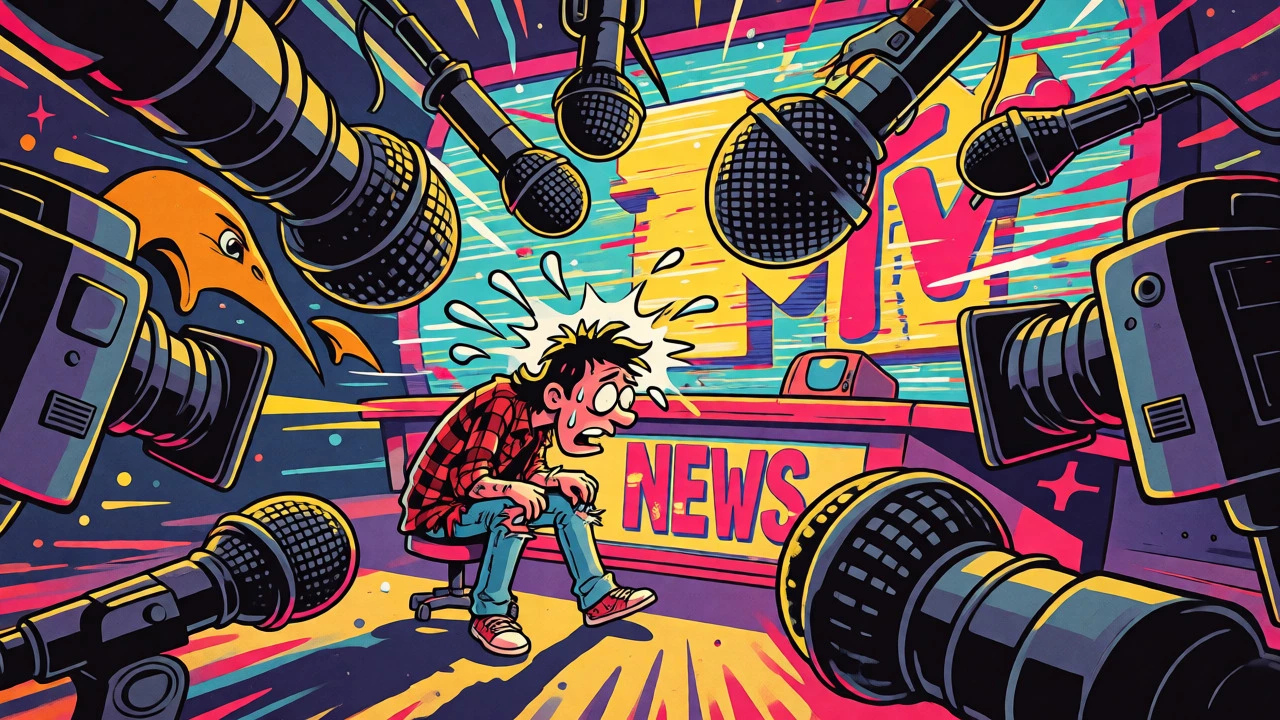

You probably remember the feeling. You’re watching MTV News or reading a dog-eared copy of Rolling Stone, and an artist says something so raw, so unpolished, that you feel like you’ve been let in on a secret. But here’s the twist: that rawness was often carefully curated. In the 1990s, the interview wasn’t just a Q&A; it was a high-stakes negotiation between who the artist wanted to be, who the press wanted them to be, and what the camera could handle.
We tend to look back at this decade as the era of "authenticity," where grunge stripped away the hair-metal excesses of the 80s. But if you dig into the archives-from Nirvana’s awkward silences to David Bowie’s suited calm-you realize that authenticity was a performance too. It was a specific kind of acting, one where looking unprepared was part of the script. This article breaks down how that dynamic worked, why it mattered, and how it laid the groundwork for the media-savvy artists we see today.
The Concentrated Power of Mass Media
Today, an artist can tweet their truth at 2 AM. In 1995, they had to go through a gatekeeper. The media landscape was incredibly concentrated. If you weren’t on MTV, you barely existed to the mainstream. MTV News wasn’t just a segment; it was the primary source of music and political culture for millions before the internet fragmented our feeds. Correspondents like John Norris became celebrities themselves, blurring the line between journalist and fan.
This concentration meant every second counted. A typical MTV VJ interview might last only 90 seconds. That’s not enough time for nuance. It’s enough time for a soundbite, a gesture, or a confrontation. Artists learned quickly that they couldn’t explain their entire philosophy in that window. They had to distill their persona into a few memorable moments. Did you wear a flannel shirt? Did you stutter when asked about your lyrics? Did you laugh off a hostile question? These micro-decisions built the public image more than any press release ever could.
Candor as a Strategic Choice
We often mistake candor for lack of preparation. We assume that if someone is stammering or getting angry, they aren’t thinking. But in the 90s, visible discomfort was a currency. Take Kurt Cobain. His interviews are legendary for their honesty, but they were also strategic. In a 1990 interview, he explicitly stated Nirvana wanted to hit the Top 40. This complicates the myth that he hated commercial success. He critiqued commodification while actively pursuing it. That contradiction wasn’t a failure of logic; it was a complex persona being negotiated in real-time.
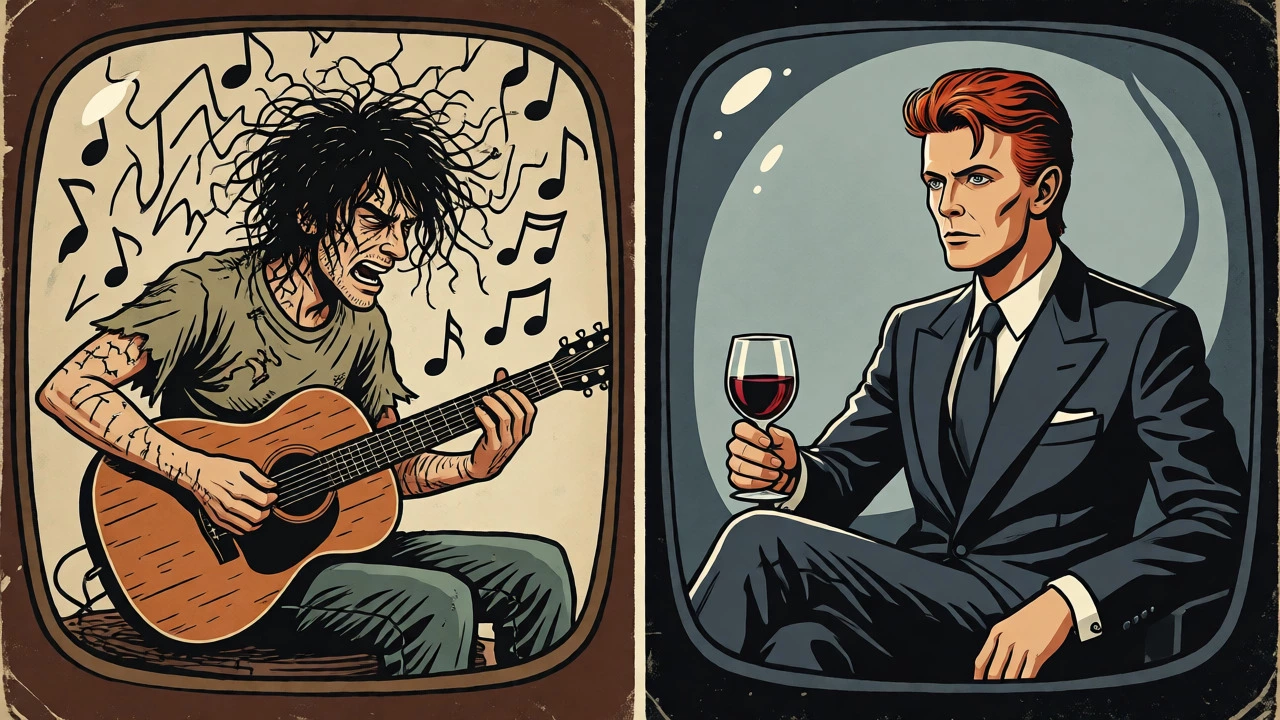
Later, during the MTV Unplugged session in 1993, the band was reportedly terrified. They hadn’t rehearsed well, and MTV producers thought the rehearsals were terrible. Yet, the broadcast became iconic for its intimacy. Why? Because the vulnerability felt real. The audience attributed authenticity to the struggle. Cobain didn’t need to say "I’m nervous"; the shaky guitar and quiet vocals did the work. Candor wasn’t just telling the truth; it was performing the right kind of truth at the right moment.
The Performance of Normalcy
If Nirvana performed chaos, David Bowie performed normalcy. In the early 90s, after his glam-heavy Tin Machine phase, Bowie showed up in interviews wearing suits, speaking softly, and discussing jazz. Critics called him "mature." Scholars argue this was a simulacrum-a constructed version of ordinary life. By stripping away the obvious costumes, Bowie created a new persona: the accessible genius. He proved that you don’t need glitter to be theatrical. Sometimes, the most radical thing a rock star can do is act like a bank manager.
This highlights a key concept in media studies: authenticity isn’t an intrinsic property. It’s something the audience attributes to a performance. When Bowie sat calmly, audiences felt they were seeing the "real" Bowie. In reality, they were seeing a highly controlled presentation designed to signal stability and artistic evolution. The medium trained the audience to read restraint as depth.
Media Training: Formal vs. Informal
Did artists have coaches? Yes, but not always in the way you’d think. There wasn’t a universal certification for "rock star media training." Instead, training happened through repetition and consequence. Publicists would prep artists on talking points, but the real education came from seeing which answers made headlines. If a sarcastic remark got quoted out of context, the next interview would be more guarded. If a vulnerable admission sold magazines, the artist might lean into that emotion again.
Beck offers a perfect example of informal media training in action. After being labeled a "slacker" by the press following "Loser," he hated the caricature. So, he changed his clothes. He cut his hair. He wore three-piece suits to interviews, dressing like a 1960s French film star. He didn’t hire a PR firm to issue a statement; he used visual cues to disrupt the journalist’s expectations. This is media training: understanding the frame and breaking it deliberately.
| Strategy | Primary Example | Goal | Public Perception |
|---|---|---|---|
| Vulnerable Chaos | Nirvana (Unplugged) | Show emotional depth and anti-commercial stance | Authentic, raw, relatable |
| Performed Normalcy | David Bowie (1990s) | Signal maturity and artistic reinvention | Sophisticated, stable, evolved |
| Visual Disruption | Beck (Mid-90s) | Reject imposed labels (e.g., "slacker") | Eccentric, intelligent, independent |
| Hostile Refusal | Various Grunge/Metal acts | Maintain mystique and resist commodification | Difficult, uncompromising, cool |
Gender, Race, and Who Was Allowed to Be Candid
We have to ask: who was allowed to be candid? The 1990s music press was heavily male-dominated. Female journalists often struggled to assert authority, and female artists faced different scrutiny. A man’s anger was marketed as authentic passion; a woman’s anger was often framed as "difficult" or "hysterical." Vulnerability was treated differently based on gender too. Male artists could cry and be seen as sensitive poets; women were expected to be either sex symbols or girl-next-door types.
Race played a huge role as well. Mainstream outlets often simplified complex cultural identities into safe categories for mass consumption. Hip-hop artists, for instance, navigated a double bind. They needed to be "cool" and "fun" to get airplay, but they also had to fight racist mischaracterizations. Visibility helped challenge stereotypes, but the format of the interview often sanitized the message. An artist’s candor was filtered through the lens of what the editor thought a white suburban audience could digest.
The Cost of Access
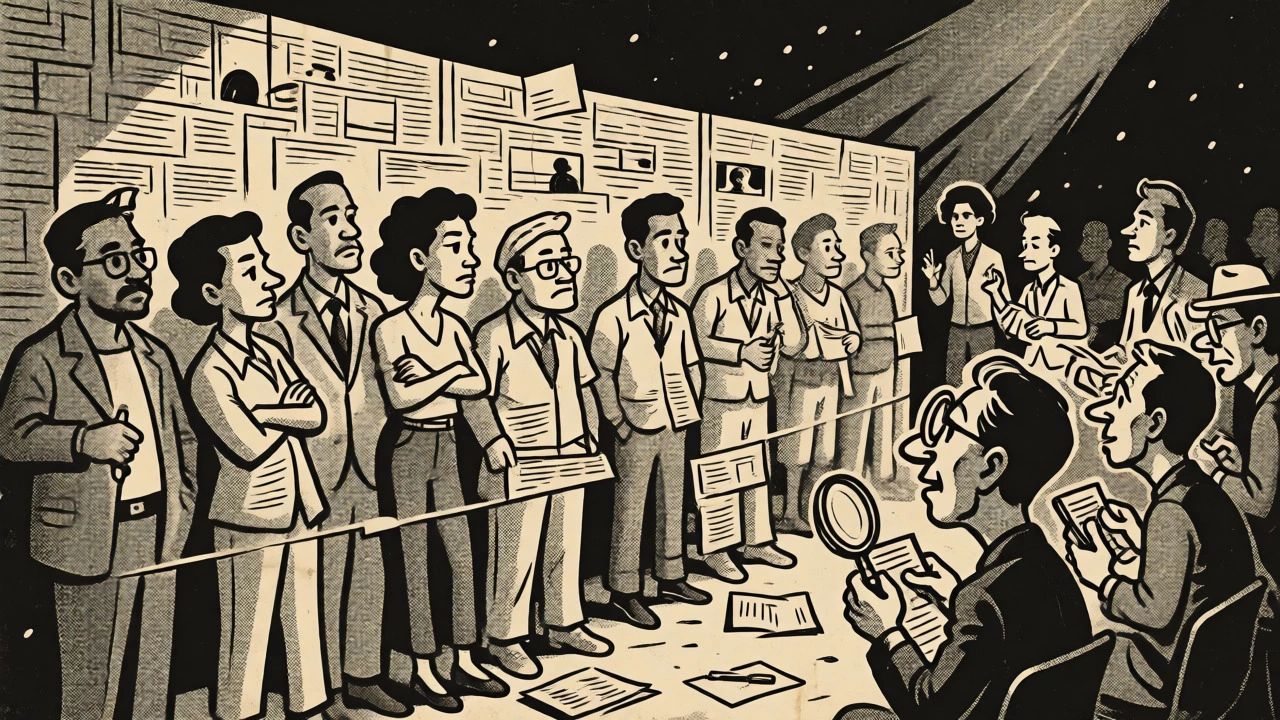
Access has a price. Bands like Echobelly and Adorable noted that the press could make or break them. Sonya Madan of Echobelly distinguished between her onstage persona and her private self, noting that the press rarely respected that boundary. Adorable described being criticized repeatedly without a chance to respond. This asymmetry means that "candor" was often extracted rather than given freely. The journalist held the power of publication; the artist held the power of presence. The resulting interview was a compromise, often leaving the artist feeling exposed.
This dynamic shifted with the rise of reality TV and later social media, where artists gained direct control over their narrative. But in the 90s, you had to trust the intermediary. And sometimes, that trust was broken. A single bad quote, taken out of context, could define a career for decades. Remember how many people still think Cobain hated fame? He didn’t. He hated the misrepresentation of fame. The difference matters.
Why This Matters Today
The 1990s interview ecosystem is gone. MTV News shut down in 2023. The gatekeepers are scattered. But the lessons remain. Artists today still perform personas, even when they post directly to Instagram. The difference is scale. In the 90s, you had to convince one magazine editor. Now, you have to convince an algorithm and a million fans simultaneously.
Understanding the mechanics of 90s interviews helps us decode modern celebrity. When a pop star gives a tearful interview, are they crying because they’re sad, or because tears sell tickets? Probably both. Authenticity remains a valuable performance. The tools have changed-podcasts replaced print, TikTok replaced MTV-but the core tension between the person and the persona hasn’t budged an inch.
Was media training common for all artists in the 1990s?
Not universally. While major label stars often received formal coaching from publicists, many indie and alternative artists relied on informal learning. They developed their interview style through trial and error, observing which responses generated positive coverage versus negative backlash. There was no industry-wide standard or certification.
How did MTV influence artist personas?
MTV compressed interviews into short segments, forcing artists to rely on visual cues, soundbites, and immediate reactions. This rewarded distinct, easily recognizable personas. Artists who could convey attitude or emotion in under two minutes thrived, leading to a focus on style and brevity over deep contextual explanation.
Is "authenticity" just a marketing term?
In media studies, authenticity is viewed as a relational concept-it’s something audiences attribute to a performance rather than an inherent trait. Artists can sincerely communicate through constructed personas. For example, David Bowie’s "normal" 90s look was a deliberate choice that audiences interpreted as genuine maturity, proving that performance and truth can coexist.
Why were some 1990s interviews so hostile?
The music press, particularly in the UK and US, often valued confrontational journalism as a way to extract "truth." Journalists believed aggressive questioning broke down defenses. However, this power dynamic often favored the press, allowing them to frame narratives in ways that served sales or critical agendas, sometimes at the expense of the artist’s intent.
How did race affect 1990s music interviews?
Mainstream media often simplified racialized identities to make them palatable for broad audiences. Hip-hop artists, for instance, had to navigate expectations of being "cool" and "safe" while resisting stereotypical portrayals. This dual pressure meant their candor was often filtered through editorial choices that prioritized mass legibility over cultural nuance.