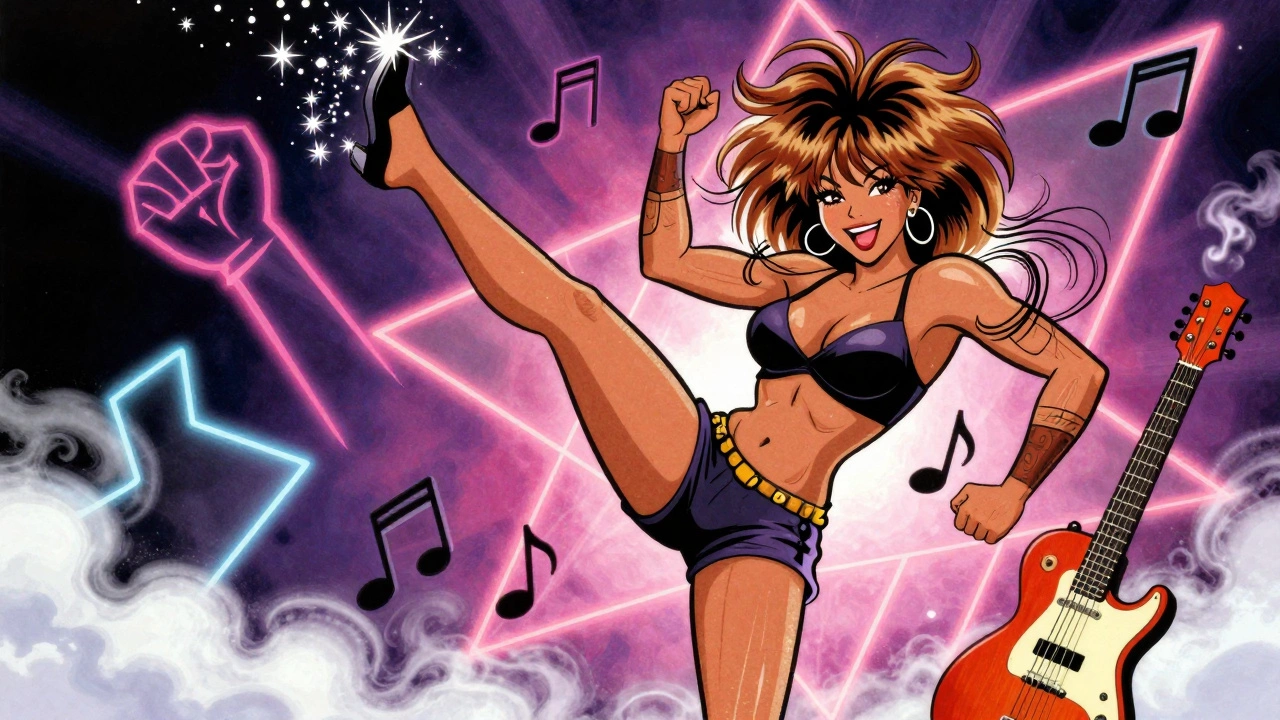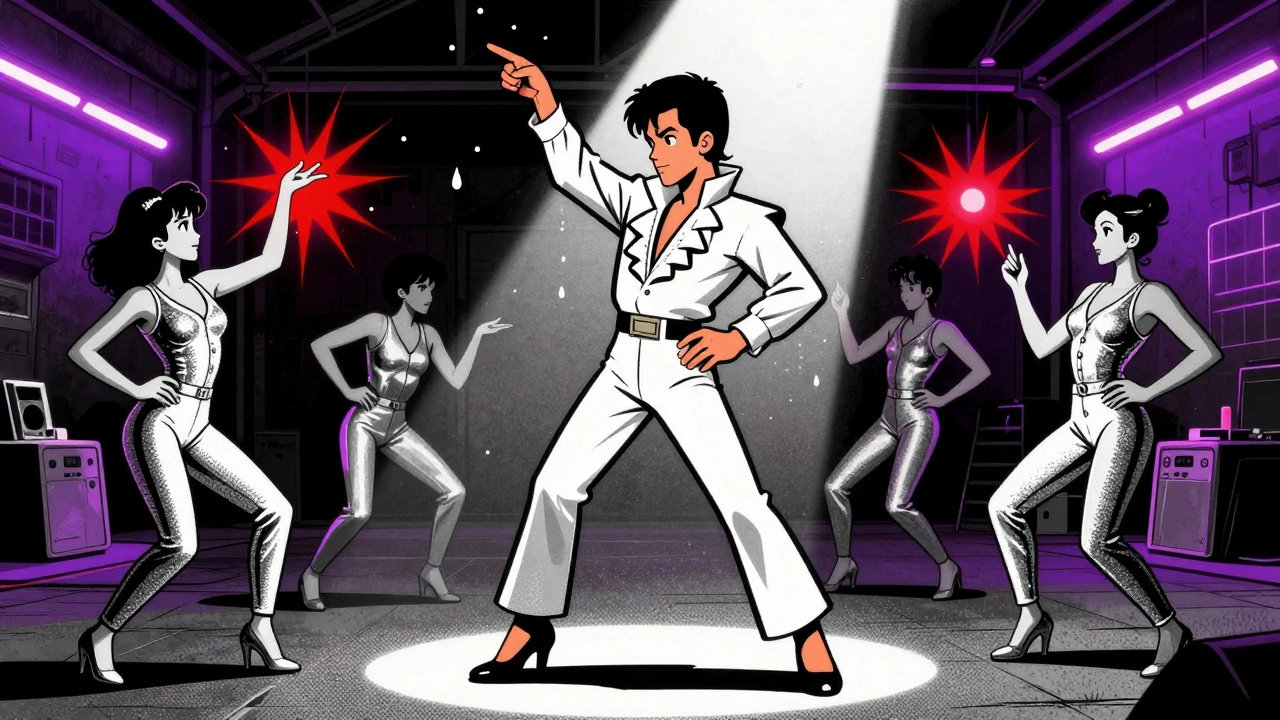

When MTV launched on August 1, 1981, it didn’t just change how we heard music-it changed how we felt it. For funk, a genre built on rhythm, swagger, and movement, the arrival of music television was a game-changer. Suddenly, basslines weren’t just heard-they were seen. Sweat dripped off Prince’s forehead in tight leather. James Brown’s splits exploded across living room TVs. The groove wasn’t just in the beat anymore-it was in the video.
MTV Didn’t Have a ‘Funk’ Block-But Funk Owned It Anyway
You won’t find a show called "Funk Hour" on 1980s MTV. There was no dedicated time slot, no veejay in platform shoes spinning only P-Funk. But that didn’t matter. Funk artists didn’t need a label. They had the visuals. Prince’s "1999" (1982) wasn’t just a song-it was a spectacle. The video showed him in a neon-lit warehouse, surrounded by dancers in metallic outfits, moving with a mix of jazz hands and hip-thrusts that felt both futuristic and deeply rooted in Black dance traditions. He didn’t just perform funk-he redefined it for the camera. The video was shot in black and white with flashes of red and purple, making every move pop. By the time he dropped "Purple Rain" in 1984, MTV was playing it on repeat. It wasn’t rock. It wasn’t pop. It was funk with a guitar solo and a cape. Michael Jackson’s "Billie Jean" (1983) is often called a pop milestone. But look closer. The beat? Funk. The bassline? Laid down by Louis Johnson of the Brothers Johnson. The moonwalk? It wasn’t invented for the video-it was pulled from the streets of Harlem and the dance halls of Oakland. Jackson didn’t just dance-he told a story with his body. The way he slid backward on that stage, one foot gliding like ice, made millions of kids rush to their living rooms to try it. That move became a global phenomenon because it was simple, sharp, and unmistakably funk in its timing. Tina Turner’s "Private Dancer" (1984) video was pure energy. She didn’t sing from behind a mic-she owned the whole frame. Her leg kicks, shoulder rolls, and that iconic head whip weren’t just choreography. They were rebellion. She’d been in the game since the ’60s, but MTV gave her a new stage. Her videos mixed funk rhythms with rock attitude, and the result? A new kind of dance icon.The Dance Moves That Broke the Screen
Funk didn’t just have songs-it had moves. And MTV turned those moves into national trends. The Backslide (also called the moonwalk) became famous with Jackson, but it had been around for decades. Boogaloo dancers in the ’70s did versions of it. The key difference? On MTV, it was seen by millions in high definition. Suddenly, every kid in Ohio knew how to slide backward. The Electric Slide wasn’t born on MTV, but it exploded because of it. Played at weddings, school dances, and halftime shows, this line dance became a staple of Black and Latino communities. When it showed up in videos like those from Kool & the Gang or The Time, it went from regional to mainstream. The Jerkin’-a bouncy, shoulder-driven movement-was popularized by bands like Cameo. In their 1986 video for "Candy," Larry Blackmon and his band moved like robots on a groove. It wasn’t smooth. It was jerky. And that was the point. Each twitch, each head bob, was timed to the slap bass. You didn’t just watch it-you had to try it. And then there was the Wop. Not the modern TikTok version. The original Wop came from funk bands like The Gap Band. It was a side-to-side shuffle with a quick step-in, arms swinging like pendulums. You’d see it in videos from the early ’80s, often done in groups of four or six, perfectly in sync. It looked easy. It wasn’t.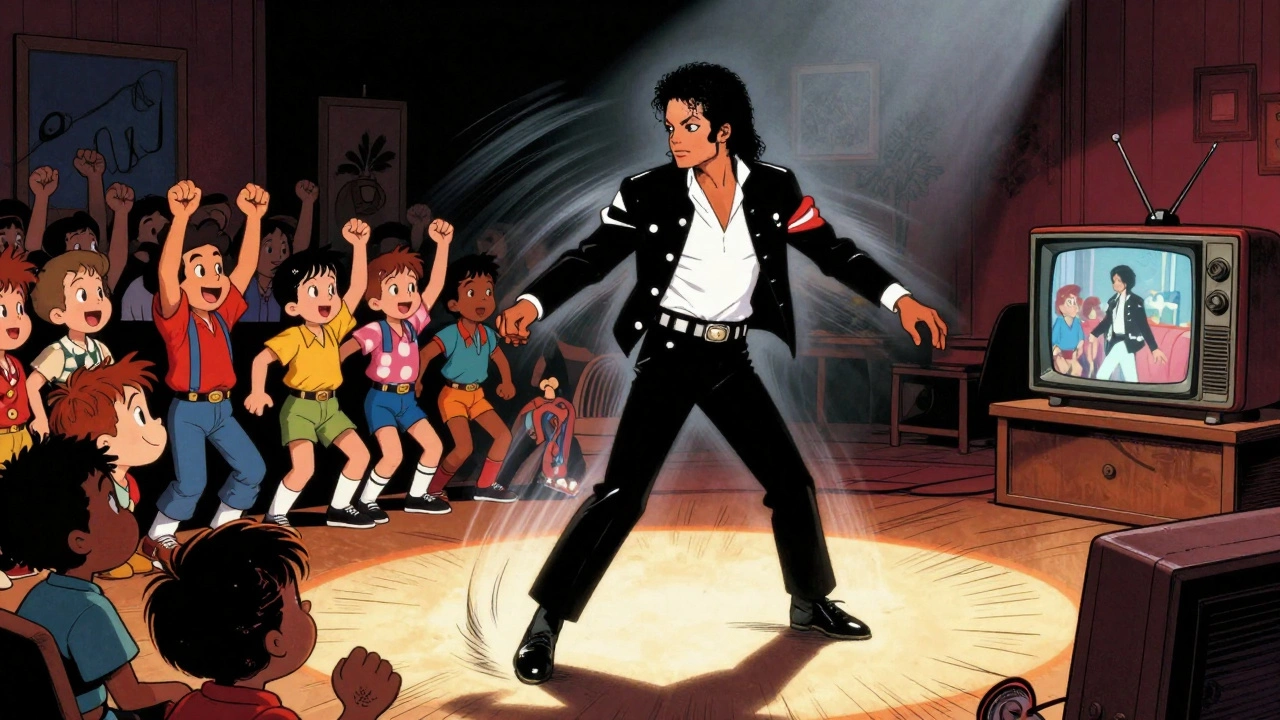
How Funk Videos Were Made-And Why They Looked Different
Most early MTV videos were cheap. Bands shot them in empty warehouses or on soundstages with colored lights. But funk videos? They had budgets. Why? Because funk artists were already selling out arenas. Labels knew: if you wanted to sell a funk record in 1983, you needed a video that looked like a party on film. Prince’s team worked with director Albert Magnoli, who later did "Purple Rain." They used mirrors, smoke machines, and tight close-ups to make every sweat drop feel cinematic. James Brown’s "Living in America" video (1985) was shot in a boxing ring with a live audience. The camera didn’t just follow the dance-it chased it. You saw the floor shake under his boots. The Time’s videos were shot like low-budget sci-fi films. They wore space-age suits, danced in front of glowing geometric shapes, and moved like they’d been trained by a robot. Their choreographer, Terry Lewis, had come up through the Minneapolis funk scene. He didn’t teach steps-he taught attitude. And then there was the lighting. Funk videos didn’t use soft focus. They used high contrast. Bright whites, deep blacks, neon purples. Why? Because funk was loud. The videos had to be too.