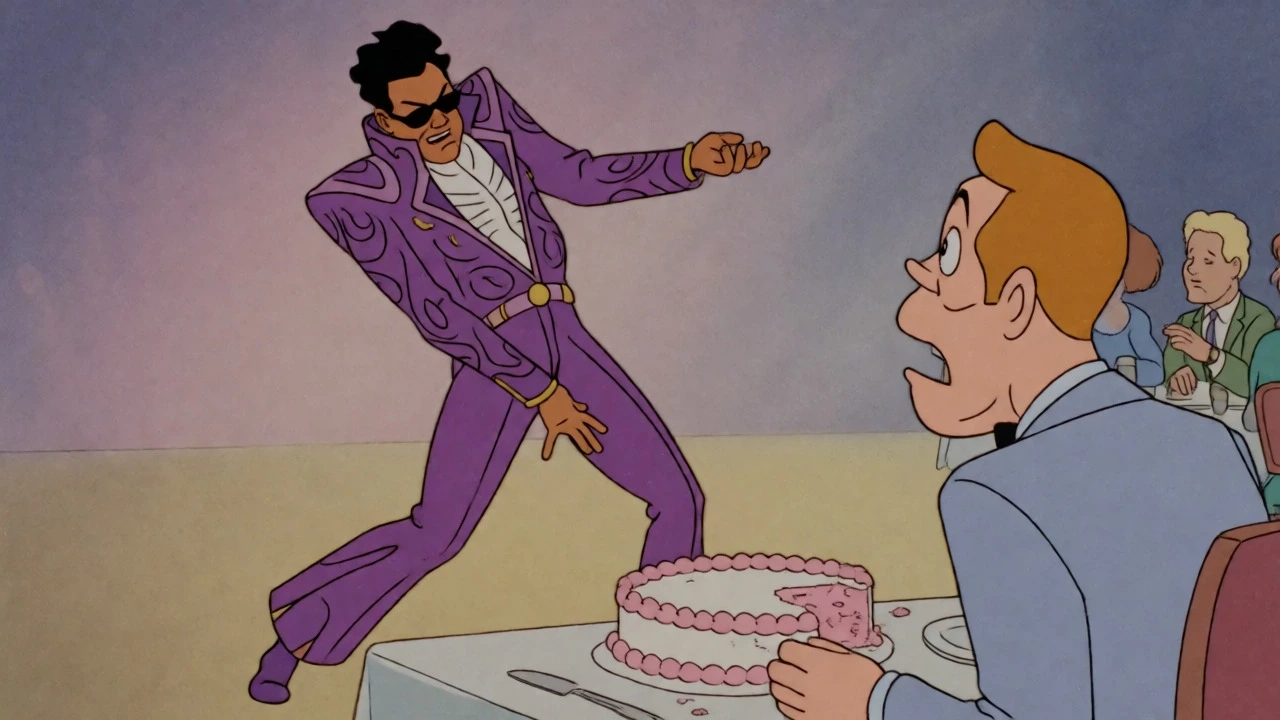

You book a band for your wedding or corporate party, and the flyer says "Ultimate 80s Experience." You assume you’re getting a high-energy dance party with hits from Madonna to Bon Jovi. But when the lights go down, out walks a guy in a yellow jumpsuit who spends two hours recreating Prince’s Purple Rain concert note-for-note. No one is dancing. Everyone is staring. Did you make a mistake? Not necessarily. You just encountered the blurry line between an 1980s cover band and a tribute act.
This isn’t just semantics. It’s about expectation management, budget allocation, and the specific type of nostalgia you want to sell. While both formats perform songs written by others, their goals are fundamentally different. One is about variety and flexibility; the other is about immersion and replication. Understanding this distinction saves you from awkward silences on the dance floor or disappointed fans at a themed festival.
The Core Difference: Breadth vs. Depth
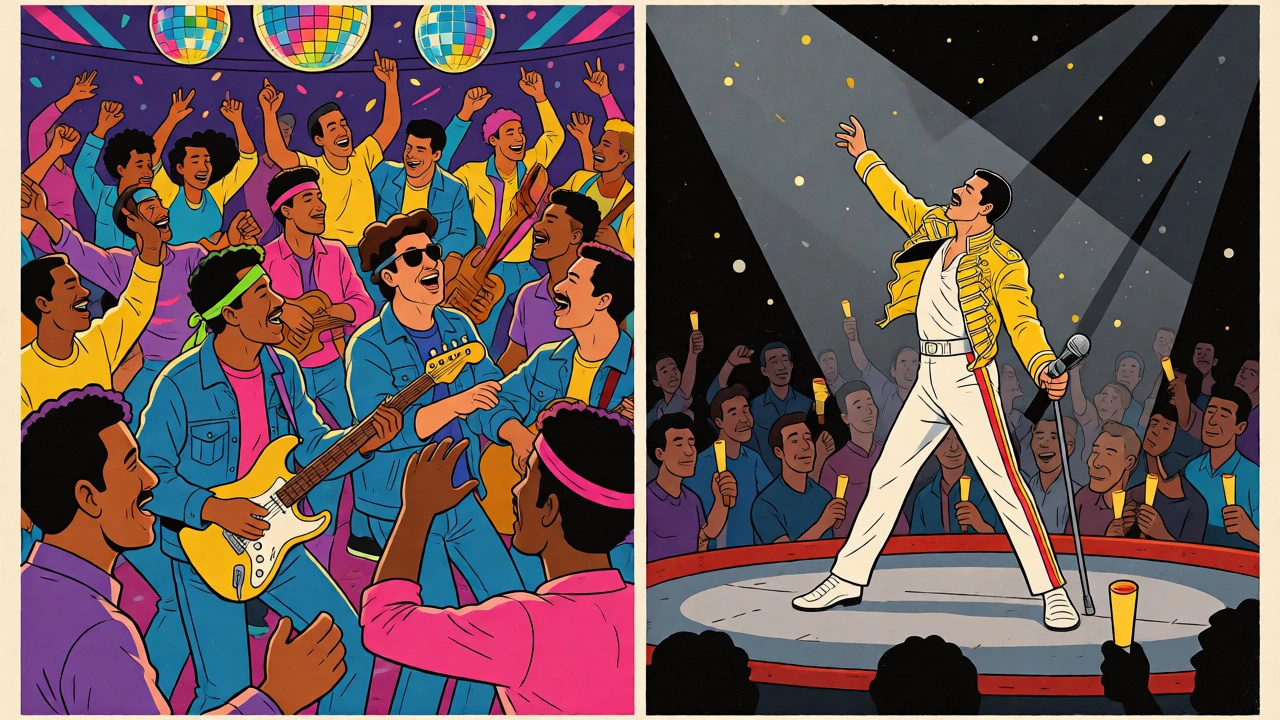
The simplest way to tell them apart is to look at the setlist. A cover band is defined by breadth. It pulls material from multiple artists across a genre or era. An 80s cover band might play Duran Duran, then Whitney Houston, then Journey, then Guns N’ Roses. The goal is to keep a mixed audience engaged by hitting as many familiar notes as possible. Think of it as a musical buffet.
A tribute act, however, is defined by depth. It dedicates itself to a single artist, group, or tightly defined identity. If a band calls itself a "Tribute to Queen," they aren’t going to throw in a random Depeche Mode track unless it fits the narrative arc of a Queen concert. They aim to recreate the sound, look, and stagecraft of that specific entity. As NPR noted back in 2008, a tribute band is essentially a "very highly specialized version of a cover band." Every tribute performance is technically a cover performance, but not every cover band is a tribute.
Why the 1980s Is a Unique Case
You might wonder why we’re focusing specifically on the 1980s. This decade offers a perfect storm for both formats because its music was visually distinct and production-heavy. The 1980s gave us arena rock anthems built for crowd participation and synth-pop tracks designed for dance floors. This dual nature allows both cover bands and tributes to thrive, but for different reasons.
Cover bands benefit from the decade's genre diversity. You can pivot from new wave to hair metal to R&B within ten minutes, keeping energy levels high for weddings or corporate mixers where guests have varied tastes. In contrast, tribute acts leverage the iconic visual identities of 80s stars. Think Freddie Mercury’s mustache, Michael Jackson’s glove, or Cyndi Lauper’s wild hair. These visual cues allow tribute acts to create an immersive theater experience that goes beyond just hearing the songs.
Performance Objectives and Audience Expectations
When you hire these groups, you are buying different outcomes. A cover band maximizes interaction. Their job is to read the room, adjust the tempo, and ensure people are moving. If the crowd loves 80s pop but ignores the rock ballads, a good cover band will shift gears immediately. They prioritize the party over purity.
A tribute act prioritizes authenticity. Their success is measured by how closely they mimic the original artist’s phrasing, tone, and mannerisms. The audience isn’t asking, "Will they play songs I know?" They are asking, "Will this feel like seeing the real thing?" For example, a Madonna tribute might replicate her choreography and costume changes exactly, even if it means sacrificing some spontaneity. If you want a dance party, hire a cover band. If you want a time machine, hire a tribute.
| Feature | 80s Cover Band | 80s Tribute Act |
|---|---|---|
| Repertoire Scope | Multiple artists (20-40+) | Single artist or defined identity |
| Primary Goal | Variety, dancing, sing-alongs | Nostalgia, immersion, replication |
| Visual Style | Flexible, often casual or generic retro | Costumes, wigs, specific period accuracy |
| Best For | Weddings, corporate parties, bars | Theaters, festivals, fan conventions |
| Risk Factor | Lack of deep connection to any one artist | Catalog fatigue if fans know every song |
Production Requirements and Costs
Budgeting for these acts requires understanding their technical needs. A standard cover band can often work with a house PA system and basic lighting. They bring their own instruments, maybe a backup singer, and adapt to the venue’s limitations. This makes them cost-effective for private events where infrastructure varies.
Serious tribute acts often require more. To recreate a Journey tribute or a Prince tribute, you might need specific keyboard tones, replica amplifiers, or synchronized video screens. Some tributes involve multiple costume changes and complex stage blocking, requiring a larger crew and longer setup times. In regions like Texas, booking rates for high-quality 80s tributes can range from $2,267 to $2,500, though this varies wildly by location and band reputation. Always ask for a tech rider early in the negotiation process.
Legal and Branding Nuances
Don’t let the word "tribute" confuse the legal landscape. Copyright law generally attaches to the composition, not the marketing label. Both cover bands and tribute acts perform existing copyrighted works. In the United States, venues typically hold blanket licenses from organizations like ASCAP, BMI, or SESAC, which cover public performances of these songs. However, this license usually covers live performance only.
If you plan to record the event or stream it online, additional licensing may be required. A mechanical license is needed for audio recordings, while synchronization rights apply to video. Furthermore, branding matters. A band can call itself a "Tribute to Bon Jovi," but they cannot claim to be Bon Jovi or imply official endorsement unless explicitly authorized. Misleading advertising can lead to trademark or right-of-publicity issues. The safest approach is clear labeling: "Performing the music of [Artist]" rather than using logos or names that suggest affiliation.
Hybrid Cases and Industry Evolution
The line isn’t always black and white. Some acts exist in a gray area. Take Steel Panther, for instance. They started as a parody of 80s hair metal but incorporated original songs alongside covers. Similarly, an "80s Revue" might feature multiple singers taking turns fronting different artists, blending the variety of a cover band with the theatricality of a tribute.
The rise of the tribute industry also has historical roots. While Elvis impersonators existed earlier, the modern tribute scene gained momentum in Australia in the late 1980s and early 1990s, partly due to geographic isolation from touring stars. Today, musicians often find tributes financially viable because established catalogs attract larger audiences than unknown original material. This economic reality drives the proliferation of both formats, forcing buyers to be discerning about what they’re actually purchasing.
How to Choose the Right Act for Your Event
Ask yourself three questions before signing a contract:
- Who is the audience? If it’s a mixed group of millennials and Gen Xers with diverse tastes, a cover band ensures everyone hears something they like. If it’s a dedicated fan club meeting or a themed night, a tribute delivers the specific nostalgia they crave.
- What is the venue vibe? Bars and open-floor weddings favor the dynamic energy of a cover band. Theaters and seated concerts favor the structured presentation of a tribute.
- What is the primary activity? Are people there to dance? Hire a cover band. Are they there to watch and reminisce? Hire a tribute.
Neither format is inherently better. A cover band isn’t "lesser" because it lacks costumes, and a tribute isn't "superior" just because it wears wigs. They serve different functions in the live entertainment ecosystem. Recognizing this helps you align your expectations with reality, ensuring your event hits the right note-whether that’s a high-octane dance floor or a reverent concert hall.
Can a cover band become a tribute act?
Yes, many bands start as general cover groups and specialize over time. If a band consistently books shows playing only one artist’s catalog and invests in matching costumes and instrumentation, they effectively transition into a tribute act. However, legally and professionally, they should update their branding to reflect this specialization to avoid misleading audiences.
Do tribute bands need permission from the original artists?
Generally, no, for live performances. Venues usually handle copyright licensing through PROs (ASCAP, BMI, SESAC). However, tribute bands do not automatically get permission to use the original artist’s logo or name in a way that implies endorsement. Trademark laws vary, so clear disclaimers like "Unofficial Tribute to..." are standard practice.
Which is cheaper to book, a cover band or a tribute act?
There is no universal rule. High-end tributes with elaborate production can cost more than local cover bands. Conversely, a top-tier wedding cover band with horn sections and multiple vocalists may charge significantly more than a solo-artist tribute. Price depends on regional demand, band reputation, travel costs, and technical requirements, not just the category label.
Is an "80s Revue" a cover band or a tribute?
An 80s Revue is typically a hybrid or a specific type of cover band. It focuses on the decade as a whole rather than a single artist, featuring multiple performers who take on roles of various stars. It shares the variety of a cover band but often includes the theatrical elements of a tribute. It is best categorized as a multi-artist variety show.
Why are 1980s tributes so popular?
The 1980s produced highly visual, distinct musical identities that translate well to live recreation. Additionally, the generation that grew up with this music is now in its prime spending years, driving demand for nostalgic experiences. The combination of recognizable hits and iconic fashion makes it easier for tribute acts to create an engaging spectacle compared to less visually distinctive eras.


