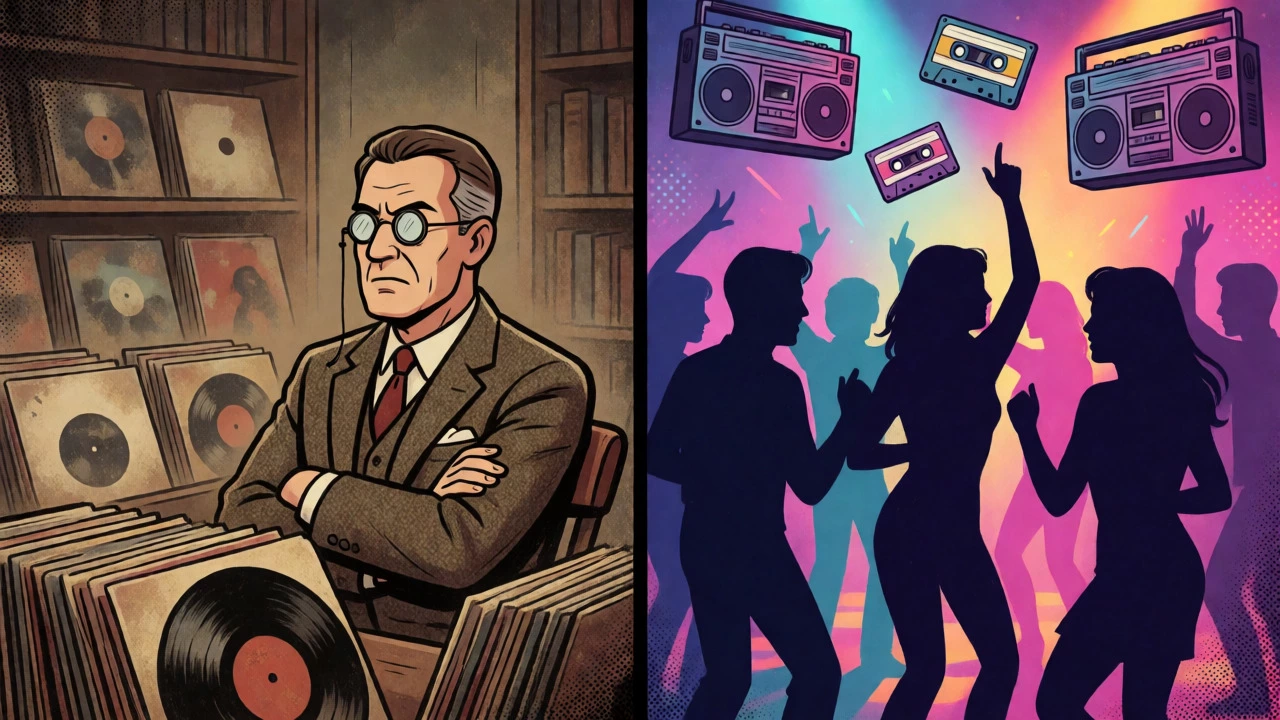

You might think the 1980s is universally loved. Walk into any bar in Austin or scroll through TikTok, and you'll hear synth-pop anthems and hair metal riffs blasting from the speakers. Yet, if you crack open a serious music criticism book or look at the top-tier "greatest albums of all time" lists, the decade often feels like the ugly duckling. It’s a strange paradox: the general public worships the '80s, with polls showing massive generational support, while elite critics frequently sideline it in favor of the raw authenticity of the '60s or the innovation of the '90s.
This disconnect isn't just a hunch; it's measurable data. Recent analyses of major all-time rankings reveal that 1980s albums appear significantly less often than those from the 1970s or 1990s, even when list sizes are identical. Meanwhile, opinion polls from YouGov and Ipsos show that up to 61% of Gen X respondents name the 1980s as their top music era. So, who is right? Are the critics missing the point, or are fans blinded by nostalgia? Let's break down why this gap exists and how it has shifted over the last four decades.
The Canon Gap: Quantifying the Disconnect
To understand the tension, we have to look at the numbers. In 2026, data posts on communities like r/decadeology compared five major sources: Rolling Stone’s 2023 list, Apple Music’s selections, RateYourMusic (RYM) top 500, Acclaimed Music’s top 500, and the 1001 Album Generator. The result was consistent across platforms: the 1980s were underrepresented. While the decade produced some of the best-selling records in history, its presence in critical canons lags behind other eras.
Contrast this with public sentiment. A 2021 YouGov survey found that 38% of Gen Xers considered the 1980s the best decade for music. An Ipsos poll showed similar trends, with the 1980s securing at least 30% support from every age group except the Silent Generation. This suggests a fundamental difference in what these two groups value. Critics often prioritize artistic progression, lyrical depth, and technical innovation-traits associated with rock, jazz, and folk traditions. Fans, however, often value emotional resonance, production polish, and cultural ubiquity-hallmarks of 1980s pop, new wave, and hip-hop.
| Metric | Critical Consensus (Lists) | Fan Consensus (Polls) |
|---|---|---|
| Representation in Top 500 Lists | Low (Underrepresented vs. '70s/'90s) | N/A (Based on personal preference) |
| Gen X Preference | Often viewed as commercial/excess | Top Choice (38-61% support) |
| Millennial/Gen Z View | Increasingly appreciative (indie influence) | High Nostalgia & Discovery Interest |
| Primary Valuation Criteria | Innovation, Authenticity, Lyrics | Emotional Impact, Production, Fun |
Case Study: AC/DC’s Back in Black
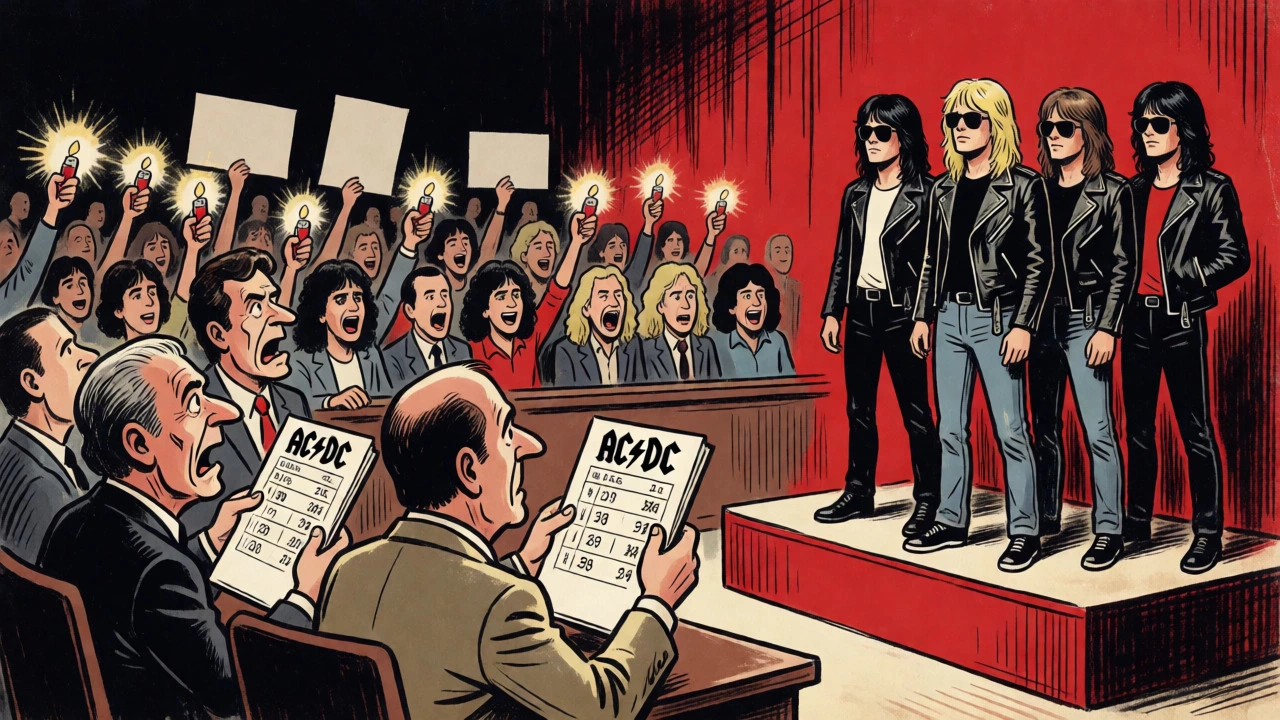
Nothing illustrates the critic-fan divide quite like AC/DC's Back in Black. Released in 1980, it became one of the best-selling albums of all time. But at the time, professional reviews were harsh. Critics called it "bombastic," "unpolished," and dismissed the lyrics as non-existent. One review famously noted there was "no real polish... just bombast and fury." Rolling Stone’s David Fricke later recalled that the band was "mercilessly slagged as heavy-metal morons" by the press, while their audience was derided as "tasteless cretins."
Fans didn't care about the reviews. They bought tickets, filled stadiums, and kept the record on repeat. The Sydney Morning Herald noted in 1981 that AC/DC was "the hottest rock act in the world," regardless of what critics thought. Brian Johnson, the singer, summed up the attitude perfectly: "The true fans are the ones that come to the concerts." Today, Back in Black is widely regarded as a hard-rock masterpiece, proving that initial critical hostility doesn't always predict long-term legacy.
The Sophomore Slump Bias
Why do critics seem so harsh on certain 1980s albums? Academic research offers a clue. A 2024 study by Webster and Zander analyzed longitudinal rating data and found a significant "sophomore slump bias" among critics. This means critics disproportionately penalize an artist's second album, expecting immediate growth or innovation. If a band delivers more of the same, critics downgrade them. Fans, however, tend to rate albums based on enjoyment and consistency, leading to a flatter curve in fan ratings.
This bias affects many 1980s acts. Consider Van Halen's OU812 (1988). Commercially, it was a monster, topping charts and producing hits. But retrospectively, it’s often labeled "the worst rock album of the '80s" in various rankings. Fans felt it lacked the spark of earlier work, but critics were even quicker to dismiss it as a decline. Similarly, U2's Rattle and Hum (1988) followed the critically adored Joshua Tree. Despite chart success, both critics and fans felt it was a step back, illustrating how high expectations can turn a commercial win into a critical loss.
Nostalgia vs. Artistic Merit
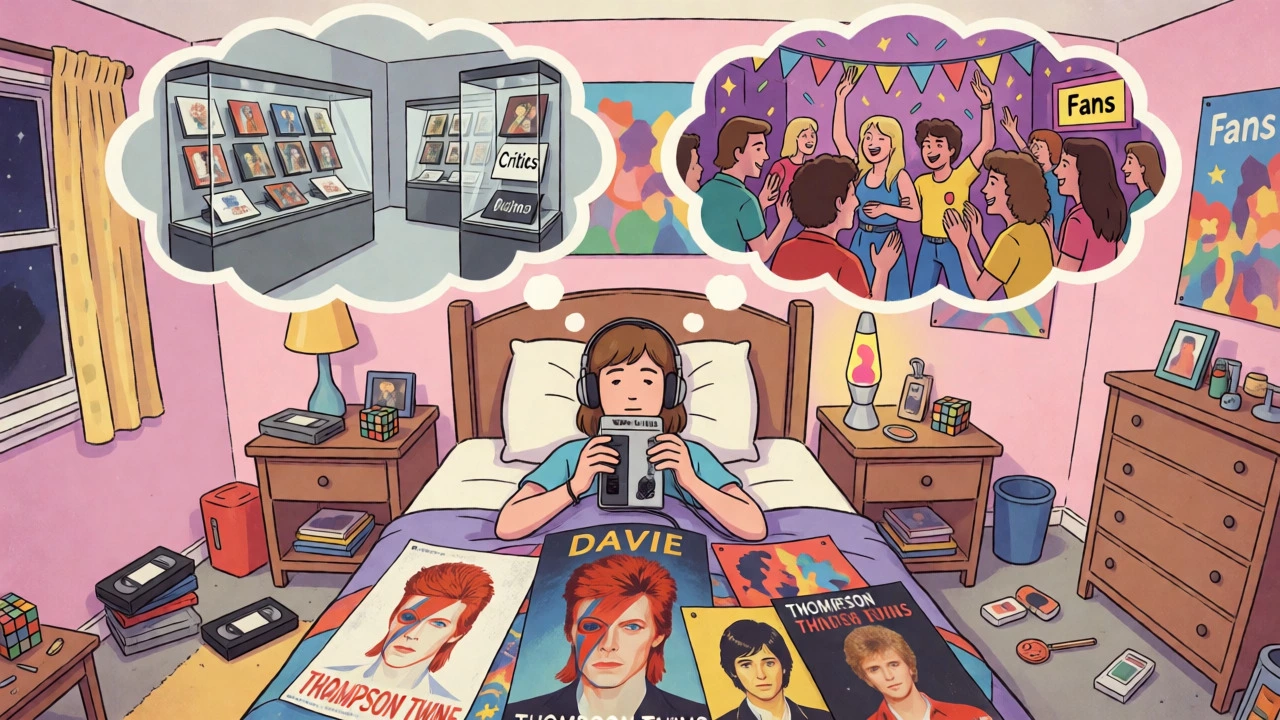
Nostalgia plays a huge role in fan valuation. For Gen X, the 1980s weren't just a time period; they were formative years. Listening to Thompson Twins' Into the Gap (1984) isn't just about the music; it's about teenage social life, first crushes, and MTV culture. Reddit threads from 2026 highlight users surprised to learn that albums like Into the Gap received mixed reviews initially. To fans, these records were essential soundtracks. To critics, they were sometimes seen as lightweight or disposable.
This emotional connection creates a barrier for objective reassessment. When a book like "501 Essential Albums of the ’80s" attempts to canonize the decade, it often struggles to balance archival completeness with critical perspective. Some entries read like press releases rather than analytical critiques, suggesting that even semi-professional gatekeepers find it hard to separate the hype from the art. Yet, this emotional weight ensures that 1980s music remains commercially viable, driving reissues, anniversary box sets, and nostalgia tours.
The Bowie Paradox
David Bowie provides a fascinating counter-example. His mid-1980s work, including Tonight (1984) and Never Let Me Down (1987), suffered from scant critical respect. Bowie himself later described this period as a "nadir," claiming he was barely present during its creation. Critics agreed, viewing these albums as a departure from his innovative roots.
However, fans selectively embraced tracks like "Modern Love" and "China Girl," keeping them alive on playlists despite the album-level condemnation. This shows that while critics evaluate albums as cohesive artistic statements, fans often curate individual songs that resonate personally. The gap here is stark: critics maintained their negative view for decades, while fans salvaged the hits, creating a dual reality where an album can be critically panned yet culturally beloved.
Bridging the Divide
Is the gap closing? Slowly. Younger generations, particularly Millennials and Gen Z, are rediscovering 1980s aesthetics through indie rock and synthwave influences. Rolling Stone Germany’s 2025 ranking of the 80 best albums of the 80s reflects a growing institutional acknowledgment of the decade's importance. However, the structural bias in canonization remains. Limited slots in "greatest of all time" lists mean 1980s albums must compete with entrenched classics from the 1960s and 1970s.
For now, the disagreement persists because it serves different purposes. Critics provide a framework for historical significance and artistic innovation. Fans provide the heartbeat of culture, ensuring that music remains relevant and emotionally connected. Neither side is wrong; they are simply playing different games. As we move further away from the decade, expect more nuanced reassessments that honor both the craft and the feeling of 1980s music.
Why do critics undervalue 1980s music?
Critics often prioritize artistic innovation, lyrical depth, and perceived authenticity, traits associated with 1960s and 1970s rock. The polished production, synthesizers, and commercial focus of much 1980s pop and rock are sometimes viewed as less substantive or "authentic" by traditional critical standards.
Do fans actually like 1980s albums more than critics?
Yes, polls consistently show higher fan support for the 1980s. For example, up to 61% of Gen X respondents named it their top music decade in recent surveys, whereas 1980s albums are statistically underrepresented in major critical "greatest albums" lists compared to the 1970s and 1990s.
What is the "sophomore slump bias" in music criticism?
A 2024 study found that critics disproportionately penalize artists' second albums, expecting rapid evolution. Fans tend to rate second albums more consistently with overall career quality. This bias affects how early 1980s follow-ups are remembered versus how they were enjoyed by listeners.
Which 1980s albums were critically panned but loved by fans?
Notable examples include AC/DC's "Back in Black" (initially called unpolished), Van Halen's "OU812" (labeled worst of the decade later), and Thompson Twins' "Into the Gap" (seen as lightweight by critics but central to teen culture).
Has the critical view of the 1980s changed recently?
There is a gradual shift. Recent lists, such as Rolling Stone Germany's 2025 ranking, show increased inclusion of 1980s titles. However, the decade still struggles to match the canonical density of the 1960s, 1970s, and 1990s in global elite rankings.


