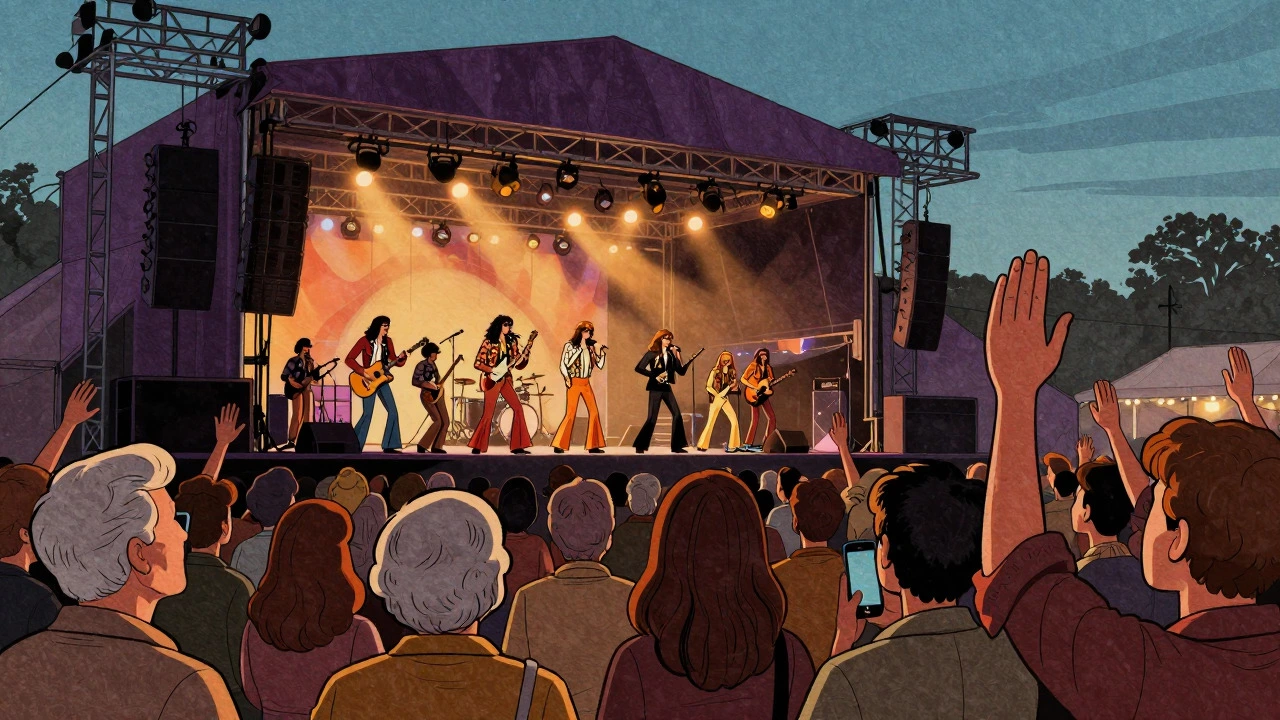
Walk into any major European or North American festival in the mid-2020s, and you will likely see a familiar face on the main stage. It might be a band that broke up in 1985 or a solo artist who peaked during the disco era. These are not archival footage; they are live performances by 1970s artists is performers whose commercial peak or formative years were in the 1970s, now booked onto contemporary large-scale festival lineups. Their presence is no longer a novelty; it is a structural pillar of the modern Music Festival Industry is a multi-billion dollar experiential entertainment sector that has expanded rapidly from the 1990s to the mid-2020s.
Why do organizers keep booking them? The answer isn't just nostalgia. It’s economics, branding, and a specific type of audience engagement that younger headliners often can’t replicate. As the global festival market grows at a compound annual growth rate (CAGR) of over 20%, these legacy acts serve as reliable anchors for ticket sales, bridging the gap between generational tastes while offering a tangible connection to musical history.
To understand why a 70-year-old rocker commands a headline slot, look at the money. The global music festival market was valued at approximately USD 2.2 billion to USD 3.0 billion in 2024, depending on the research firm. Projections suggest this figure could reach between USD 6.7 billion and USD 24.5 billion by the early 2030s. In this high-stakes environment, risk aversion is key. Booking a current pop star with millions of daily streams is exciting, but it comes with volatility. A 1970s act, however, offers predictable revenue. Their catalogues are embedded in popular culture through film soundtracks, radio playlists, and family exposure. This means the average age distribution at their sets skews higher, attracting attendees who are less price-sensitive and more likely to purchase premium weekend passes and camping upgrades.
North America accounts for more than 40% of global festival revenue, with a regional market exceeding USD 863 million in 2024. In such saturated markets, differentiation is crucial. Organizers use recognizable 1970s names as marketing assets because long-term fans are loyal and sponsors value association with globally recognized figures. It’s a safer bet than betting the entire budget on an emerging indie act that might flop.
Festivals don't book legacy acts randomly. They deploy them based on three core objectives: ticket-selling power, demographic breadth, and brand identity. Typically, 1970s artists appear in one of three positions:
Rock-oriented festivals with roots in the 1970s, such as long-running European events, are more likely to feature entire days centered on classic rock and metal. In contrast, multi-genre mega-festivals targeting younger demographics tend to mix one or two 1970s performers per weekend among pop, hip-hop, and EDM lineups. This balance allows festivals to claim cross-generational appeal without alienating their core young audience.
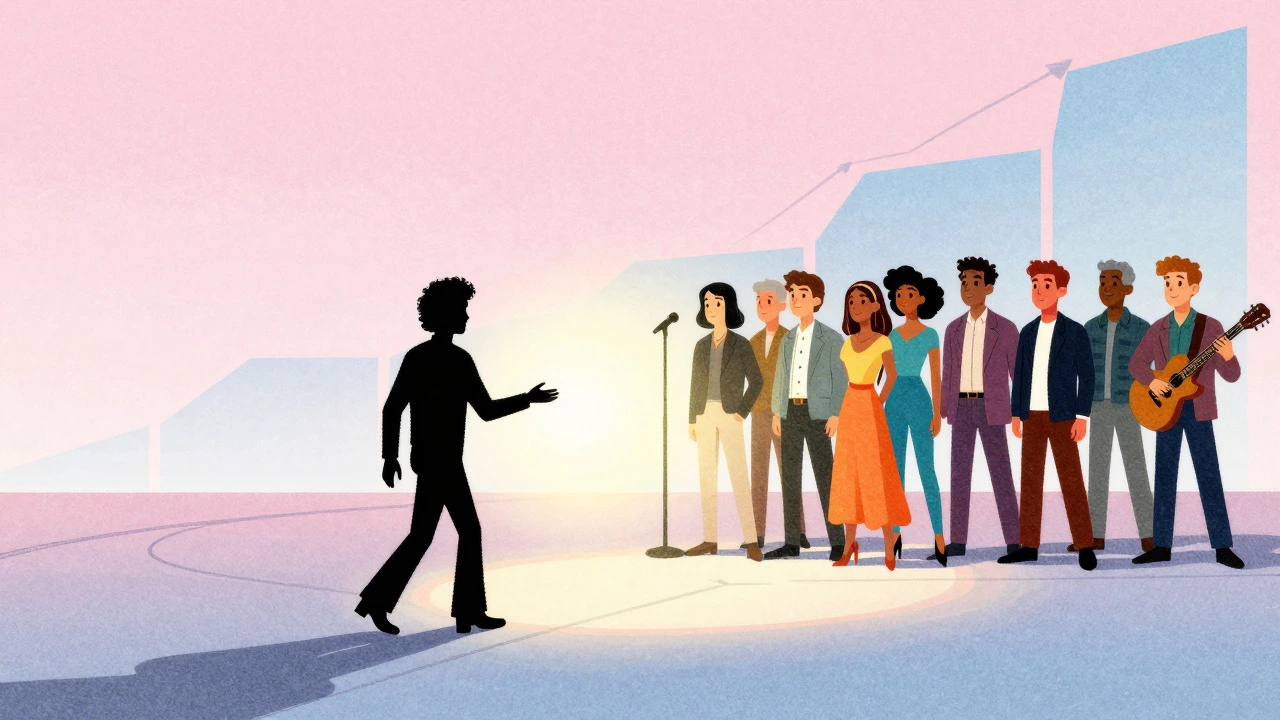
When comparing 1970s artists to contemporary headliners, the metrics shift. Today's stars rely on streaming numbers, social media reach, and viral hits. Legacy acts trade on long-term brand recognition and catalogue strength. An older band may have lower present-day streaming numbers than a sub-headliner, yet they still command a headline slot because their name recognition drives weekend ticket sales.
Financially, legacy artists typically command higher guaranteed fees than emerging acts. This reflects decades of touring experience, extensive production requirements, and perceived ticket-selling power. However, festivals may see better risk-adjusted returns from booking a single legendary 1970s artist than from stacking multiple mid-tier contemporary acts. The former offers a clearer marketing narrative and more predictable sales. That said, in tightly curated indie or electronic festivals, the opportunity cost of allocating budget to legacy artists can be significant if their style doesn't align with the event’s core identity.
For fans, seeing a 1970s artist live is often described as a bucket-list experience. Many buy weekend passes specifically for these acts, viewing them as living archives of 20th-century music. Social media sentiment analysis shows high positivity around landmark performances, especially when framed as final tours or rare appearances. Attendees frequently comment on the professional quality and tight musicianship of these sets, contrasting them favorably with some newer acts perceived as less experienced live performers.
However, there is visible frustration when lineups become repetitive. Some users refer to conservative programming that relies too heavily on the same small pool of legacy rock bands. Complaints often focus on the perception that festivals are catering to older audiences or risk-averse sponsors rather than embracing new talent. Even among critics, many acknowledge that a single well-chosen 1970s act can elevate a lineup, provided it is balanced by strong contemporary representation. The key is balance: using heritage acts as anchor points and contemporary acts as exploratory experiences.
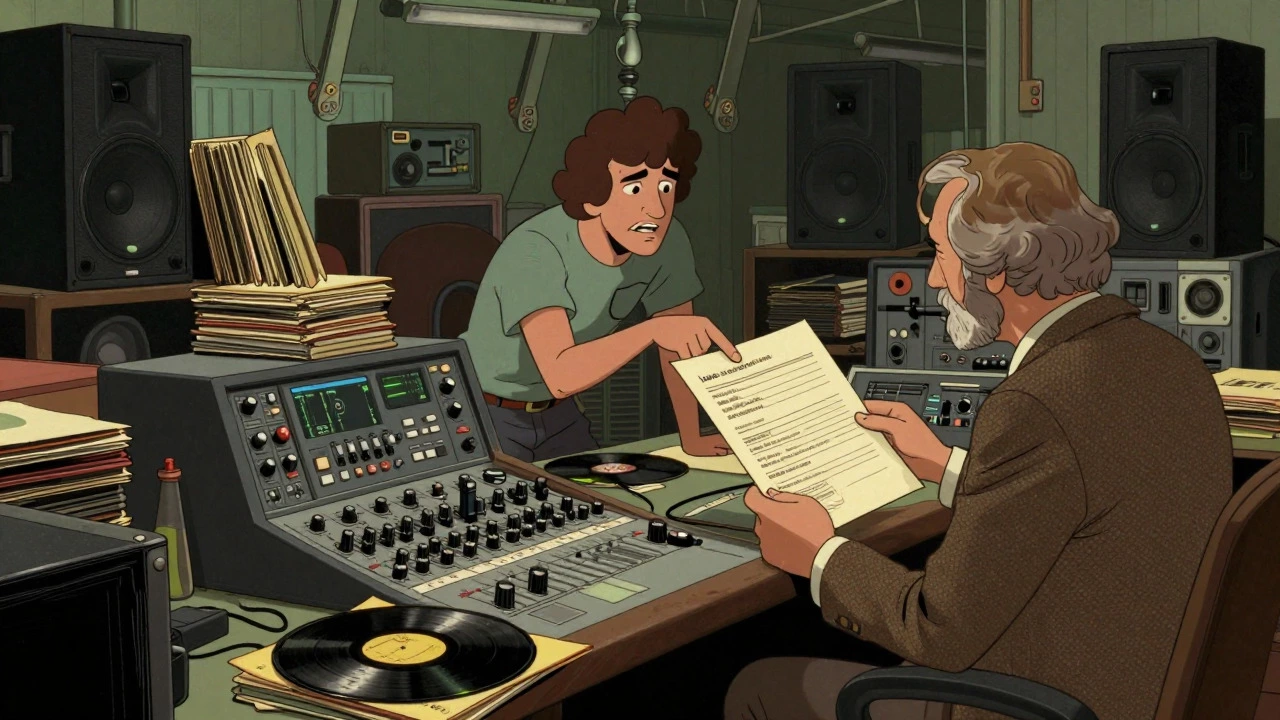
Programming 1970s artists involves logistical considerations that differ significantly from those associated with emerging acts. Legacy performers often travel with established production teams and require more extensive technical riders. Organizers must accommodate higher-spec stage setups, including larger backline requirements, classic analog equipment, or bespoke visual elements designed for older repertoires. Scheduling may also need to account for health considerations and travel preferences of older artists, leading to earlier set times or reduced routing density across festival seasons.
For audiences, the learning curve is low. Because their best-known songs are embedded in popular culture, new listeners can prepare by exploring curated greatest-hits compilations or algorithmic playlists. Fan communities emphasize practical tips such as arriving early to secure good viewing positions, anticipating longer sing-along sections, and being prepared for emotional encore sequences featuring career-defining songs.
As of the mid-2020s, booking 1970s artists remains a widespread and institutionally normalized practice. Market forecasts suggesting double-digit annual growth in festival revenues indicate that demand for high-recognition names capable of anchoring marketing campaigns will persist. However, demographic changes are gradually shifting the definition of legacy acts. Artists whose peaks occurred in the 1980s, 1990s, and early 2000s are increasingly filling the roles that 1970s performers did in the 2000s. This suggests that the cohort of 1970s artists will slowly transition from regular fixtures to rarer, special-occasion bookings.
The long-term viability depends on two factors: the health and touring capacity of individual performers, and the willingness of festivals to allocate high-profile slots to heritage acts. In optimistic scenarios, a subset of 1970s artists continues to perform limited but high-impact sets, drawing strong attendance even as younger generations dominate most of the bill. In more conservative scenarios, rising costs and demands for fresher lineups may reduce legacy bookings, concentrating them in flagship events with explicit heritage branding. Regardless, the structural role of legacy acts as symbols of continuity in an evolving live-music landscape appears firmly established through at least the early to mid-2030s.
Festivals book 1970s artists because they offer predictable ticket sales, attract multigenerational audiences, and lend historical prestige to the event. Their catalogues are widely recognized, making them effective marketing anchors in a competitive market where risk aversion is common. Yes, legacy artists typically command higher guaranteed fees due to decades of touring experience, extensive production requirements, and proven ticket-selling power. While new stars may have higher streaming numbers, legacy acts provide a clearer marketing narrative and more stable revenue streams. A headline slot is usually reserved for the biggest draw of the night, often placed in prime evening time. A legacy set is a mid-afternoon or early-evening performance framed as nostalgia or heritage programming, often featuring full-album performances or anniversary sets. Both utilize 1970s artists but serve different programming goals. The rapid growth of the global music festival market, projected to reach billions of dollars by the 2030s, creates pressure for festivals to differentiate their lineups. Legacy acts are used as high-visibility brand assets to justify rising ticket prices and attract sponsors, making them structurally important to programming strategies. They will likely transition from regular fixtures to rarer, special-occasion bookings. As artists from the 1980s and 1990s take on legacy roles, 1970s acts will remain part of modern bills for as long as they choose and are able to tour, but their frequency may decrease as festivals prioritize fresher lineups and diverse representation.The Economic Engine Behind Legacy Bookings
Programming Strategies: How Festivals Use Them
Legacy Acts vs. Contemporary Headliners
Attribute
1970s Legacy Acts
Contemporary Headliners
Primary Appeal
Catalogue strength, historical prestige, multigenerational recognition
Current streaming numbers, social media virality, cultural relevance
Audience Demographics
Skews older (45+), includes younger fans via family exposure
Skews younger (18-34), driven by digital discovery
Booking Risk
Low (predictable sales, established fanbase)
High (volatile trends, dependent on current hype)
Production Requirements
Higher (extensive technical riders, analog equipment, larger backline)
Variable (often tech-heavy visuals, standard digital backline)
Marketing Role
Brand anchor, heritage credibility, sponsor appeal
Trend driver, social media buzz, youth engagement
The Audience Experience: Nostalgia and Fatigue
Logistical Realities of Booking Older Artists
Future Outlook: Will They Stay on the Bill?
Why do festivals still book 1970s artists?
Do 1970s artists earn more than new headliners?
What is the difference between a legacy set and a headline slot?
How does the festival market size affect legacy bookings?
Will 1970s artists disappear from future festivals?
1970s Artists on Modern Festival Bills: Why They Still Headline

on Aug 19, 2026