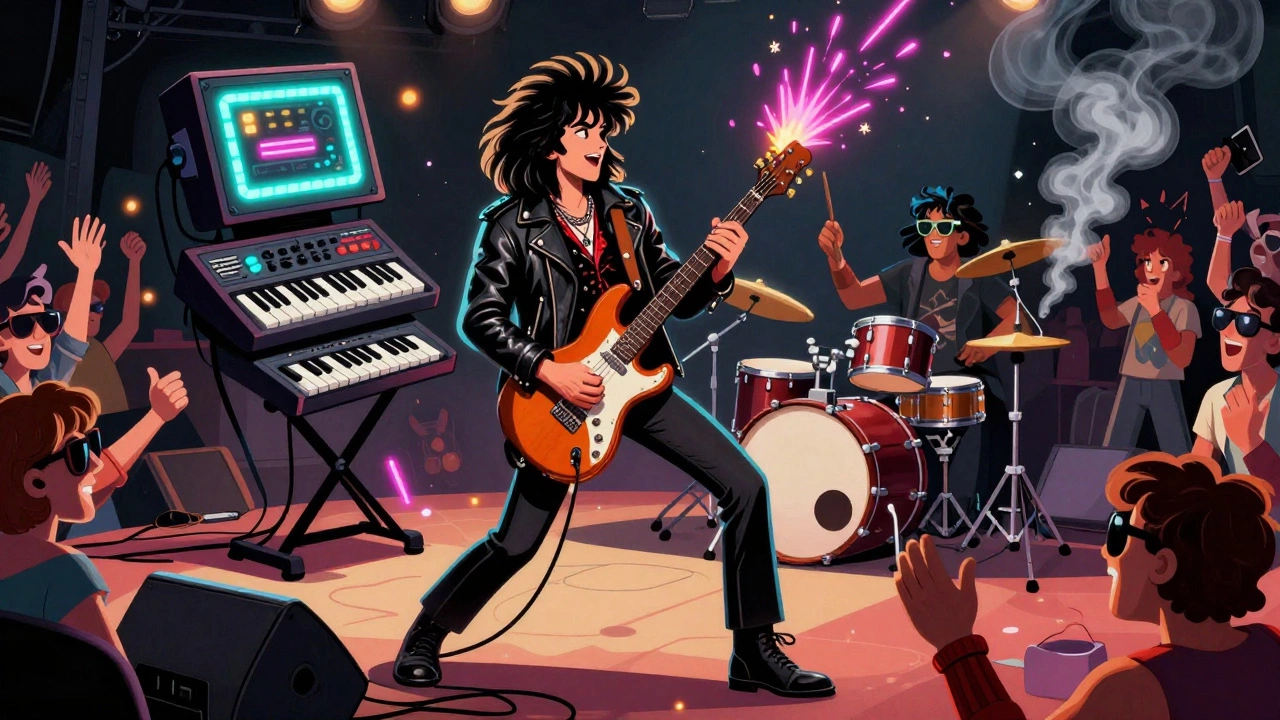

Think rock music in the 1980s and you picture leather jackets, screaming guitar solos, and thunderous drums. But if you listened closely, something else was happening - guitars were sharing the stage with blinking synths, and real drums were being replaced by beeps and boops. This wasn’t a glitch. It was a revolution.
In the early 1980s, a new kind of rock started to take shape. It wasn’t just bands playing keyboards alongside guitars. It was full-on fusion: the raw energy of rock meets the cold precision of drum machines and analog synths. Bands that once built their sound on live amps and snare hits suddenly started programming beats, sequencing basslines, and letting synthesizers carry the melody. And it worked. Like crazy.
Why Did Rock Bands Start Using Synths?
It wasn’t just about sounding cool. It was survival. By 1982, synthesizers had become cheaper, smaller, and easier to use. The invention of MIDI in 1982 let gear from different brands talk to each other. Suddenly, a guitarist could plug a Juno-60 into a LinnDrum and start making songs without knowing how to read sheet music. The technology didn’t ask for permission - it just showed up, and bands either adapted or got left behind.
MTV didn’t help either. The channel launched in 1981 and played videos that looked like neon commercials - slick, colorful, and full of synthesizer hooks. If you were a rock band and your music didn’t look like it belonged on MTV, you were invisible. So bands that had spent years perfecting their guitar tone started experimenting. Not because they loved synths. Because they had to.
ZZ Top: From Blues Rock to Synth-Powered Hits
ZZ Top was the last band you’d expect to go electronic. These Texas bluesmen had built their name on fuzzed-out guitars, boogie rhythms, and a beard that looked like it had its own fan club. But in 1981, they dropped "Groovy Little Hippie Pad" - a song with a robotic beat and a synth line that sounded like a robot trying to dance.
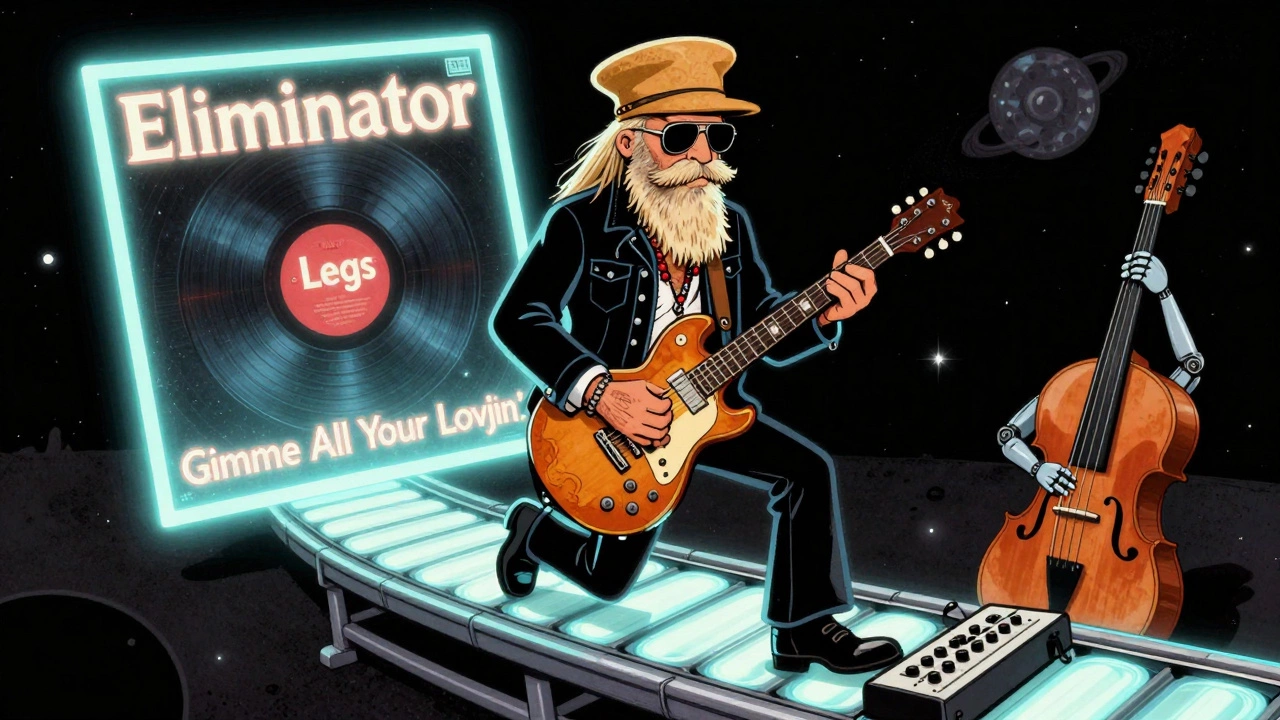
It wasn’t a fluke. Guitarist Billy Gibbons had been listening to Depeche Mode and OMD on tour. He liked how clean and punchy the sounds were. By 1983, they released Eliminator, and everything changed. "Legs" and "Gimme All Your Lovin’" didn’t have live drums. They had programmed beats. The bass wasn’t played on a Fender - it was a sequencer. The guitar solos? Still there. But now they danced over a bed of pulsing synths.
The album sold over 10 million copies. Suddenly, every rock band in America was wondering: "What if we did that?"
Van Halen: Eddie Van Halen’s Synth Breakthrough
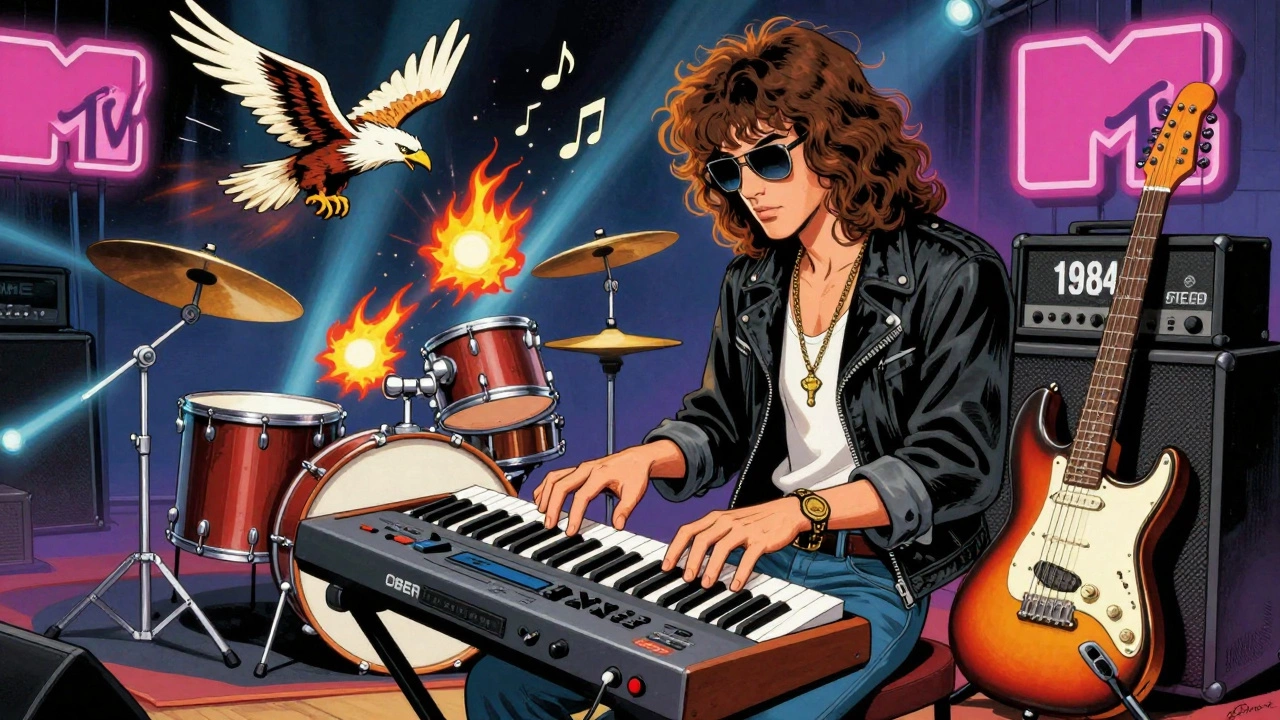
Eddie Van Halen didn’t just play guitar - he redefined it. He invented tapping. He made the guitar scream. But in 1984, he picked up an Oberheim OB-Xa and did something even wilder: he made it rock harder than his guitar.
"Jump" wasn’t just a hit. It was a cultural reset. No drums. No bass guitar. Just Eddie on synth, a drum machine, and a vocal hook that stuck in your head like glue. The song hit #1. And it wasn’t even the weirdest thing on the album.
On "I’ll Wait," bassist Michael Anthony switched from his bass to a synthesizer. That’s right - the bass line on one of the biggest rock songs of the year was played on a synth. No strings. No frets. Just buttons and sliders. The band didn’t lose their identity. They expanded it.
Van Halen proved that you didn’t have to abandon your roots to embrace new tools. You just had to know how to use them.
Rush: Progressive Rock Goes Digital
Rush had always been ahead of the curve. In the 70s, they used synthesizers sparingly - mostly for atmosphere. But in 1981, they dropped an album that turned their sound upside down. "Tom Sawyer" wasn’t just a song - it was a manifesto.
The opening synth arpeggio? That was the band saying: "We’re not just a power trio anymore." The drum machine on the track? It wasn’t a replacement. It was an enhancement. Neil Peart, the drummer, used the LinnDrum to lock into a rhythm that no human could play consistently. And it worked. The song became their biggest hit.
Rush didn’t abandon their prog roots. They upgraded them. Synths gave them new textures. Drum machines gave them precision. And they still had those epic guitar solos. The fusion didn’t dilute their sound - it amplified it.
Steve Winwood: From Soul to Synth
Steve Winwood had been playing soulful rock with Traffic since the 60s. His voice was warm. His organ was soulful. But his 1980 solo debut didn’t sound like Traffic at all. It sounded like a synth-pop dream.
"While You See a Chance" and "Spanish Dancer" were built on Juno-60 pads, LinnDrum beats, and sequenced bass. Winwood played everything himself - vocals, keys, synths, even the drums. He didn’t need a band. The machines gave him everything he needed.
Winwood showed that even artists rooted in organic music could thrive in a digital world. He didn’t fake it. He mastered it.
The Bigger Picture: Synth-Rock Wasn’t Just a Trend
This wasn’t just about a few bands experimenting. It was a seismic shift. The same technology that let ZZ Top program a beat also gave rise to house music. DJs in Chicago and Detroit started using drum machines and synths to make music that didn’t need guitars at all. Synth-rock paved the way for dance music to become mainstream.
Even bands that didn’t go full synth - like Bruce Springsteen - started using drum machines on albums. The sound of the 1980s wasn’t just pop. It was rock with a new heartbeat.
By the end of the decade, the Korg M1 had sold over 240,000 units. It became the go-to synth for pop, rock, and R&B producers. Why? Because it was reliable. Easy. Powerful. And it didn’t need a technician to tune it.
Legacy: The Sound That Changed Everything
Today, if you hear a rock song with a programmed beat, a synth bass, or a gated reverb snare, you’re hearing the ghost of the 1980s. Modern bands like The Killers, Imagine Dragons, and even Foo Fighters use synth layers in their music - not as a gimmick, but as a tool.
The fusion of guitars and drum machines didn’t kill rock. It saved it. When punk and metal were getting louder and more aggressive, synth-rock gave rock a new direction. It made rock relevant again. It made rock modern.
And it proved something simple: if you love music enough, you’ll learn how to use whatever tools it takes to make it sound right.
What bands were the pioneers of synth-rock in the 1980s?
ZZ Top, Van Halen, Rush, and Jethro Tull were among the first major rock acts to fully embrace synthesizers and drum machines. ZZ Top’s Eliminator (1983) and Van Halen’s 1984 were landmark albums that proved rock bands could top the charts with electronic elements. Rush’s "Tom Sawyer" (1981) and Jethro Tull’s Under Wraps (1984) showed even progressive rock bands could evolve without losing their identity.
Why did drum machines replace real drums in some rock songs?
Drum machines like the LinnDrum and Roland TR-808 offered precision, consistency, and a unique sound that live drums couldn’t replicate. In studio settings, they allowed producers to lock grooves perfectly and layer electronic textures. For bands like ZZ Top and Van Halen, it wasn’t about replacing drummers - it was about expanding their sonic palette. The machines gave them control over rhythm that was impossible with human timing alone.
Did synth-rock hurt traditional rock musicians?
Some feared it would. In 1982, the Musicians’ Union tried to limit synth use, worried it would replace live players. But in reality, it didn’t eliminate musicians - it redefined their roles. Guitarists like Eddie Van Halen and Billy Gibbons didn’t stop playing - they added synths to their skillset. Drummers like Neil Peart used machines to enhance, not replace, their playing. The best musicians adapted, not resisted.
How did MTV influence the rise of synth-rock?
MTV turned music into a visual experience. Synth-rock bands, especially those with flashy visuals and electronic sounds, fit perfectly. Videos for "Jump" and "Legs" were colorful, high-energy, and easy to market. Bands that didn’t adapt to this new visual culture got ignored. MTV didn’t create synth-rock, but it made sure the world saw it - and loved it.
Are synth-rock hybrids still relevant today?
Absolutely. Modern rock bands like The Killers, Imagine Dragons, and even Muse use synth layers, programmed beats, and electronic textures as standard tools. The line between rock and electronic music is blurred because of what happened in the 1980s. Synth-rock didn’t disappear - it became the foundation for how rock is made today.


