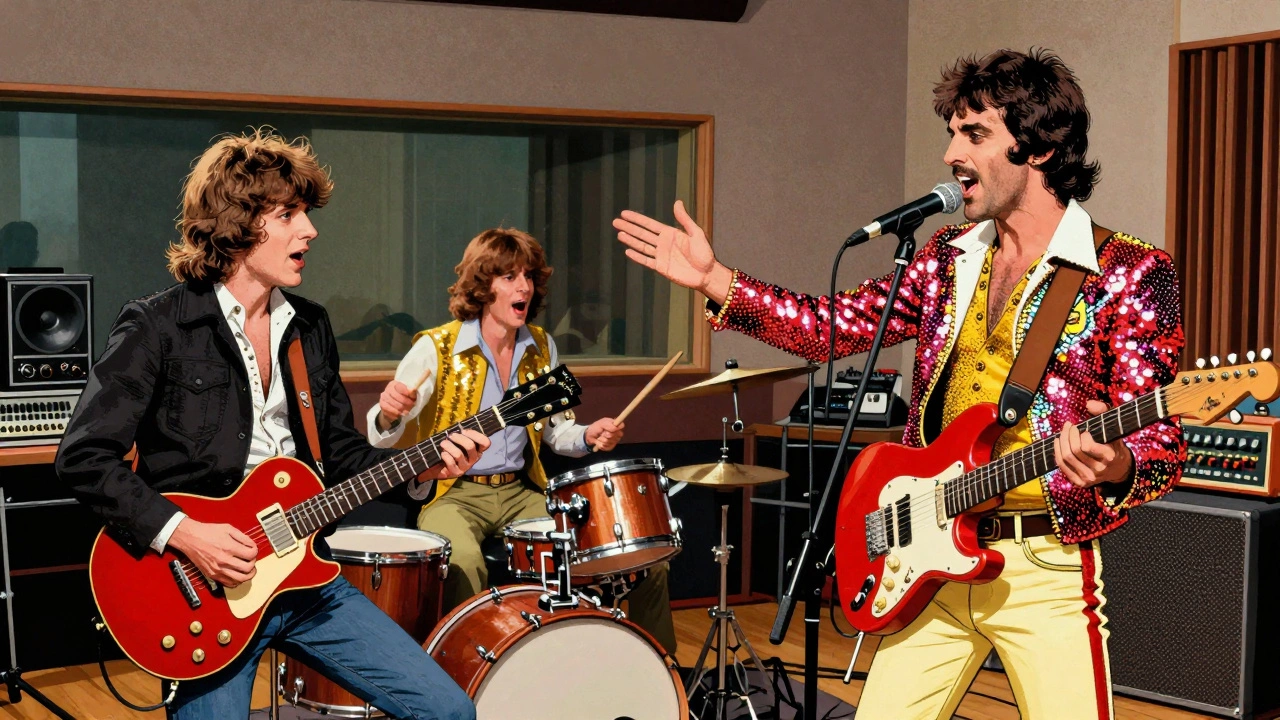

Queen is a British rock band formed in London in 1970. The group began as Smile, with Brian May and Roger Taylor, before Freddie Mercury joined in 1970. They became known for their theatrical style and operatic rock compositions that blended hard rock, glam, and opera into one cohesive sound.
In 1975, Queen was nearly broke. They owed money everywhere. Their next album could have been their last. Then they released Bohemian Rhapsody a six-minute song with opera sections, hard rock, and a ballad. It took three weeks of continuous recording for the opera part alone. The track became a global hit and saved the band. This wasn’t luck. It was the result of years of building a unique theatrical approach to rock.
The Band That Almost Didn’t Make It
Queen’s journey started in 1968 when astrophysics student Brian May recruited dental student Roger Taylor to his band Smile. They existed for two years before Freddie Mercury joined in 1970. Mercury, originally named Farrokh Bulsara, changed his name and brought a theatrical flair from his art school background. The band’s early work mixed progressive rock, hard rock, and heavy metal. But it was their second album, Queen II released in 1974, featuring the complex "March of the Black Queen" with cascading vocal harmonies, that set the stage for their breakthrough.
Before "Bohemian Rhapsody," Queen was in deep financial trouble. Brian May said they "owed everybody money" and knew "if the next album didn’t succeed, the ship would sink." The pressure was immense. Yet, this pressure pushed them to create something revolutionary.
Studio Wizardry: Crafting Operatic Rock
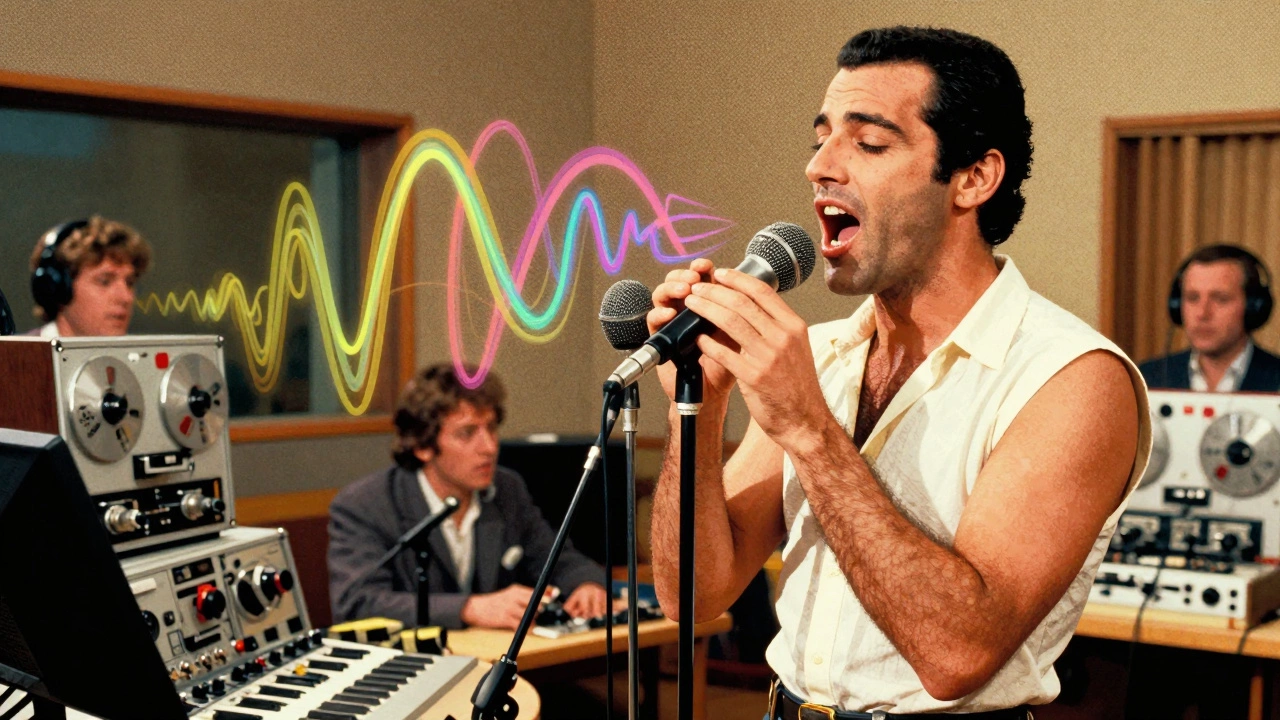
Queen’s studio work was unlike anything else in the 1970s. While most rock songs used fewer than 20 tracks, "Bohemian Rhapsody" required 180 separate overdubs. Producer Roy Thomas Baker recalled the opera section alone took four weeks of meticulous vocal layering. Roger Taylor described the process: "As we were constructing the opera bit, we were getting more and more wild: ‘Stick a bit more on, stick another bit in, it’ll all be fine when it gets to the heavy section.’ And it was. We were planting our flag in the ground: ‘This is really us - it’s a bit mad but it’s got everything in it.’"
Their debut album in 1973 already showed theatrical tendencies. Tracks like "My Fairy King" and "Liar" featured multi-sectional structures. "My Fairy King" started as a soft ballad, then shifted into a heavy rock section with layered vocals. Brian May later explained, "If you look at the first album, you’ve got My Fairy King, which is very complex and goes all over the place. And then you’ve got March Of The Black Queen on the second album, which is enormously complicated. It’s way more complicated than Bohemian Rhapsody."
Queen didn’t just copy opera-they reimagined it. They used multi-tracking technology to create orchestral-like soundscapes with just guitars and voices. Brian May’s custom "Red Special" guitar, combined with Freddie Mercury’s vocal harmonies, created a sonic depth that felt larger than life. This was operatic rock at its purest: taking classical music techniques and applying them to rock.
Live Performance Mastery: The Show Must Go On
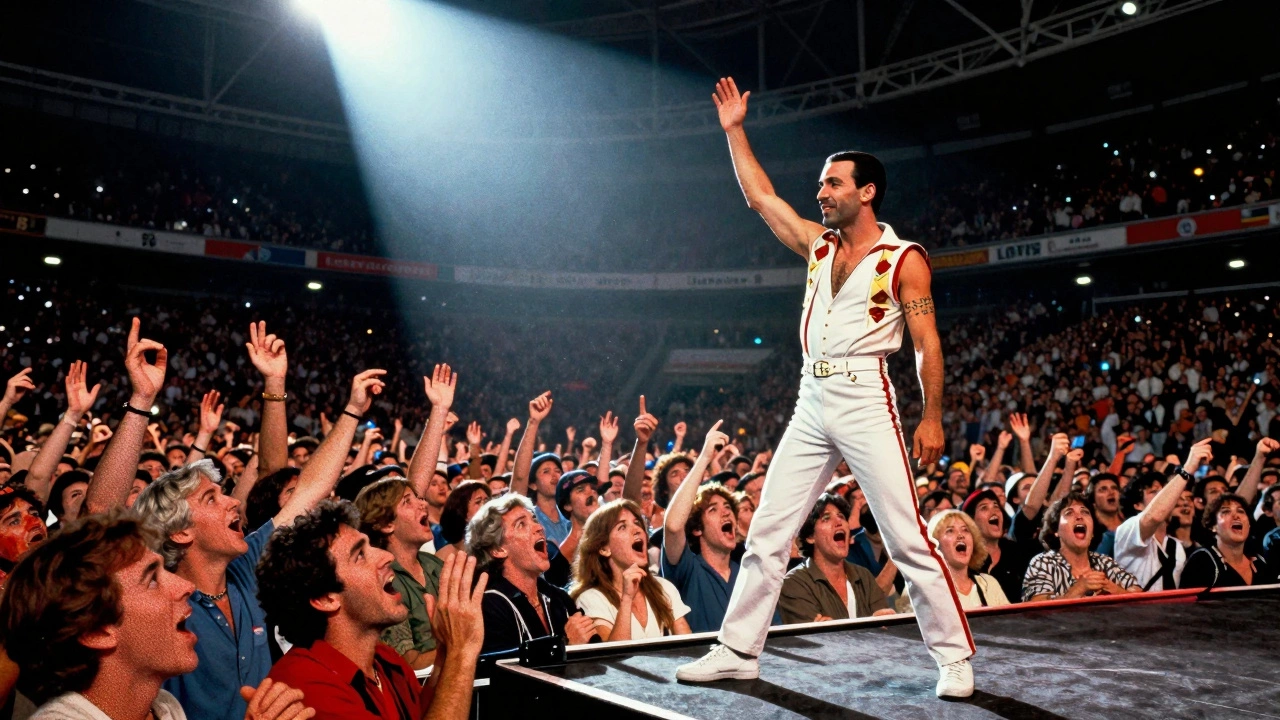
Queen’s studio innovations didn’t stop at the recording booth. They translated those complex songs into unforgettable live shows. Freddie Mercury’s stage presence was magnetic. He’d walk into the crowd, hug fans, and make 72,000 people feel like they were part of the show. At their legendary 1985 Live Aid performance, Mercury asked the crowd, "Is there any chance we can get the lights down?" before launching into "Radio Ga Ga." That moment turned a concert into a shared experience.
Despite minimal rehearsal, Queen’s live shows were perfectly synchronized. Roger Taylor’s drumming kept the rhythm tight, while Brian May’s guitar solos were precise. They adapted complex studio tracks for live performance by simplifying sections without losing the essence. For "Bohemian Rhapsody," they focused on the most recognizable parts-the opening piano, the opera section, and the hard rock finale-while cutting some of the more intricate vocal layers. This made the song work on stage while keeping its theatrical magic.
Mercury’s flamboyant costumes and dramatic gestures made every show feel like a theater production. He’d wear sequined outfits, wave to the audience, and interact with fans in ways no other rock star did. This wasn’t just performing-it was storytelling. Queen turned concerts into immersive experiences where every fan felt part of the narrative.
Legacy: How Queen Changed Music Forever
Queen’s influence is everywhere today. Modern bands like Panic! At The Disco, My Chemical Romance, and Fall Out Boy openly cite Queen as a major inspiration. Their theatrical approach paved the way for genre-blending acts that mix rock, pop, and opera. "Bohemian Rhapsody" alone has been streamed over 1.6 billion times, making it the most-streamed song from the 20th century. The 2018 biopic grossed $910 million worldwide, proving Queen’s legacy still resonates.
Academic studies highlight Queen’s cultural impact. Dr. Sheila Whiteley’s research in the *Journal of Popular Music Studies* shows Queen used theatricality to explore themes of identity and sexuality during a conservative era. Theater scholars like Dr. Marvin Carlson call Queen’s work a key example of "cross-genre theatrical borrowing"-taking opera conventions and applying them to rock performance. Even critics who once dismissed Queen as "pretentious" now recognize their innovation. Pitchfork ranked *A Night at the Opera* as the 17th greatest album of the 1970s, praising its "audacious fusion of high and low culture."
Queen didn’t just make music-they created a new language for rock. By blending opera, glam, and hard rock, they showed that music could be both intellectual and emotional. Their live performances proved that rock concerts could be more than just noise-they could be theatrical experiences that leave a lasting impression. Today, their legacy lives on in every band that dares to push boundaries and turn a song into a full-blown spectacle.
| Album | Release Year | Theatrical Elements |
|---|---|---|
| Queen (Debut) | 1973 | Multi-sectional songs like "My Fairy King" and "Liar," blending hard rock with progressive elements |
| Queen II | 1974 | "The March of the Black Queen" featuring complex structures and layered vocals |
| A Night at the Opera | 1975 | "Bohemian Rhapsody" with operatic sections, 180 overdubs, and genre-blending composition |
| Hot Space | 1982 | Shift to funk and disco while maintaining theatrical stage presence |
What made Queen's music theatrical?
Queen’s theatricality came from blending opera, glam rock, and progressive elements into their songs. Freddie Mercury’s flamboyant stage presence, Brian May’s intricate guitar work, and Roger Taylor’s dynamic drumming created a performance style that felt like a theatrical show. Songs like "Bohemian Rhapsody" combined multiple sections-ballad, opera, hard rock-into one track, defying traditional rock song structures. They also used elaborate costumes, lighting, and audience interaction to turn concerts into immersive experiences.
How did Queen record "Bohemian Rhapsody"?
"Bohemian Rhapsody" required 180 separate overdubs and three weeks of continuous recording. The opera section alone took four weeks of vocal layering. Producer Roy Thomas Baker recalled the process: "It was like a choir of 100 people, but it was just Freddie singing all the parts." Brian May and Roger Taylor added guitar and drum parts, while Mercury layered his vocals to create the rich harmonies. This technical complexity was rare for rock songs at the time, which usually used fewer than 20 tracks.
What was Queen’s biggest live performance?
Queen’s 1985 Live Aid performance at Wembley Stadium is widely considered their greatest live show. They played to 72,000 people in a 20-minute set that included "Radio Ga Ga," "Hammer to Fall," "Crazy Little Thing Called Love," and "We Are the Champions." Freddie Mercury’s interaction with the crowd-asking for the lights to be dimmed before "Radio Ga Ga"-turned the concert into a shared experience. The performance is often cited as the moment rock concerts became theatrical events, with Mercury’s charisma and the band’s tight synchronization leaving a lasting legacy.
How did Queen influence modern rock bands?
Modern bands like Panic! At The Disco, My Chemical Romance, and Fall Out Boy explicitly cite Queen as a major influence. Panic! At The Disco’s Brendon Urie has said Queen taught him "how to make a rock song feel like a theater production." My Chemical Romance’s Gerard Way describes Queen as "the ultimate theatrical rock band" that inspired their concept albums. Bands today blend rock with opera, pop, and electronic elements because Queen proved you could mix genres without losing emotional impact. Their legacy is in every band that dares to be bold and experimental.
Why was "A Night at the Opera" so important?
"A Night at the Opera" saved Queen from financial ruin. Before the album, they owed money everywhere and knew their career was at stake. The album’s success-driven by "Bohemian Rhapsody"-made them global stars. It also redefined what rock music could be. Critics initially dismissed it as "pretentious," but it became a blueprint for genre-blending. The album’s complex song structures, operatic elements, and studio innovation showed that rock could be both intellectual and emotionally powerful. Today, it’s ranked among the greatest albums of the 1970s.


