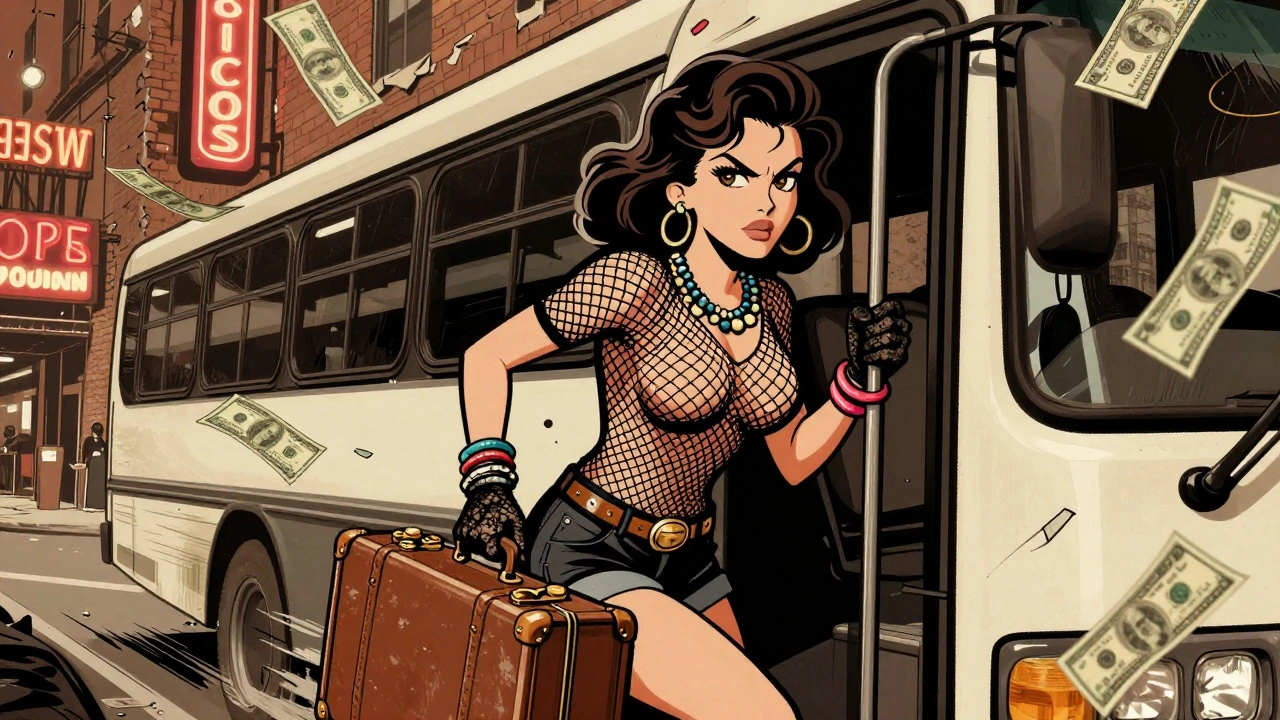

She walked into New York with $35 and left the world changed.
In 1980, Madonna Ciccone stepped off a bus in Manhattan with nothing but a suitcase, a dream, and a stack of demo tapes. No record deal. No team. No safety net. Just a girl from Michigan who refused to be invisible. By 1989, she wasn’t just a pop star-she was a cultural earthquake. Her 1980s run didn’t just top charts; it shattered rules about what women could say, wear, sing, and do on stage. And she did it all on her own terms.
Before Madonna, female pop stars were polished, passive, and safe. They smiled sweetly in ball gowns. They sang about love, heartbreak, and dreams. But Madonna? She sang about sex, religion, power, and control-and made it impossible to look away.
The Look That Started a Revolution
Madonna didn’t wait for designers to make her clothes. She went to thrift stores, bought rubber bracelets for $2, stacked seven on each wrist, and paired them with lace gloves and crucifix necklaces. She wore ripped fishnets and oversized military jackets like armor. Her style wasn’t fashion-it was rebellion dressed in bargain-bin finds.
By 1984, her look had exploded. Teenagers across America started copying her. Department stores couldn’t keep lace gloves in stock. Corset sales jumped 300% after her True Blue era. A 13-year-old girl in Ohio didn’t need a $500 dress to feel powerful-she just needed a thrift-store bustier and a pair of fingerless gloves. Madonna made empowerment affordable.
And then came the wedding dress.
The VMA Performance That Broke the Internet (Before There Was One)
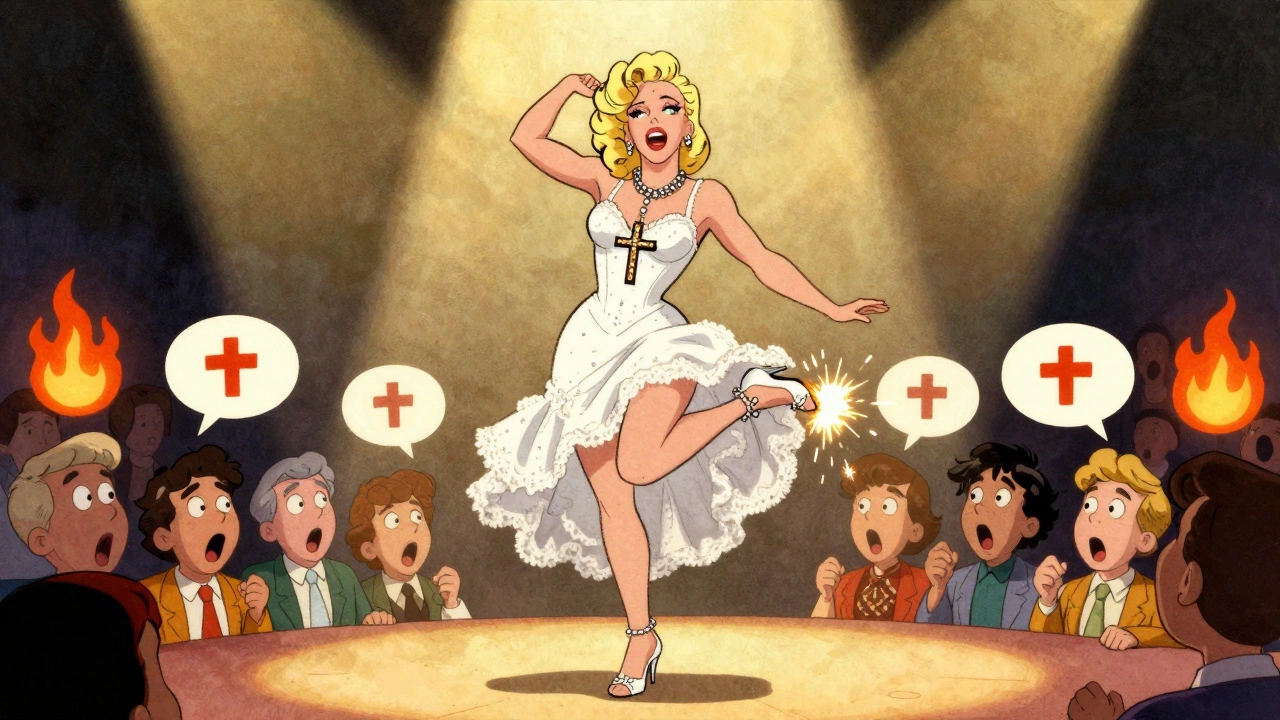
September 14, 1984. MTV’s Video Music Awards. Madonna, in a white lace wedding dress designed by Jean Paul Gaultier, writhed on stage as her shoe heel snapped. She didn’t stop. She didn’t apologize. She leaned into the stumble, rolled her hips, and turned a wardrobe malfunction into the most talked-about moment in pop history.
MTV got 1,200 complaints in 24 hours. Religious groups called it sacrilegious. Parents banned their kids from watching. But here’s what they didn’t say out loud: it was the first time a woman had used her body on national TV not to be admired-but to command. She wasn’t a girl in a dress. She was a queen in a gown, owning every second of it.
That performance didn’t just launch a song-it launched a new kind of pop star. One who didn’t need permission. Who turned controversy into currency.
From Material Girl to Spiritual Warrior
Madonna didn’t stay in one lane. She moved like a chameleon with a mission.
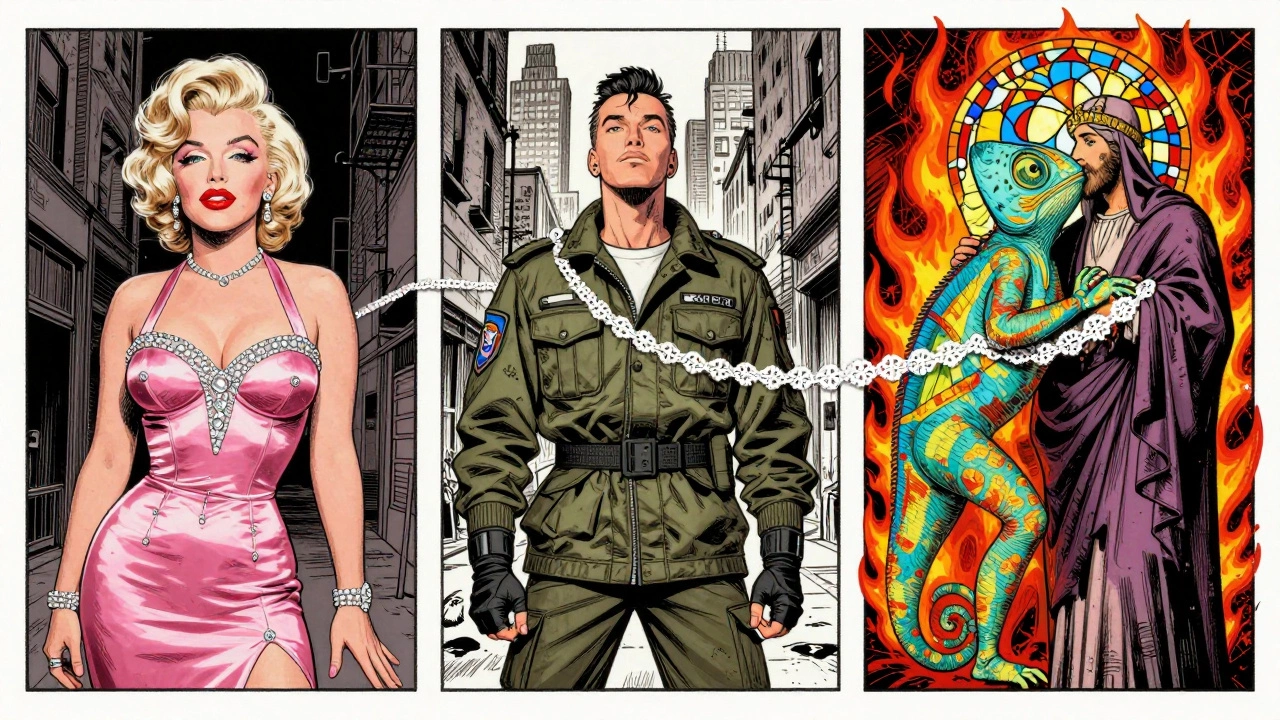
In 1985, she became Marilyn Monroe-pink satin, diamonds, and all. But she didn’t just imitate. She flipped the script. The same woman who sang Material Girl was also starring in Desperately Seeking Susan, wearing baggy jackets and messy curls, playing a free-spirited woman who lived by her own rules. She was both the object of desire and the one doing the desiring.
Then came 1989’s Like a Prayer. A music video that showed her kissing a Black saint, flames burning behind her, stigmata on her hand. The Vatican condemned it. Pepsi canceled a $5 million sponsorship deal within two days. But sales? $500 million. That’s not just a hit. That’s a cultural reset.
She didn’t just use religion as a prop. She weaponized it. At a time when the Moral Majority was pushing to censor everything from books to music videos, Madonna turned crosses, prayer hands, and stained glass into symbols of liberation. She made the sacred feel dangerous-and that was the point.
She Knew the Game Better Than Anyone
Madonna didn’t get lucky. She engineered her rise.
She timed her debut album to hit right as MTV reached 30 million homes. She partnered with Herb Ritts, the photographer who could turn her into a myth in a single frame. She released new looks every 12 to 18 months-each one more shocking than the last. And every time, the media screamed. Every time, kids bought the clothes. Every time, her sales went up.
By 1987, she was generating $1.2 billion a year across music, fashion, and endorsements. That’s 12% of Warner Music’s entire revenue. No other artist came close.
She didn’t just ride the wave of the 1980s. She built the wave.
The Backlash Was the Point
People called her a slut. A manipulator. A sellout. Camille Paglia said she turned feminism into a brand. Gloria Steinem said she gave women the right to say: “I am not ashamed.”
Both were right.
Madonna didn’t need to be a feminist icon to empower women. She just needed to be unapologetic. She owned her sexuality. She owned her image. She owned the narrative. And in a decade where women were still being told to keep quiet, to be polite, to smile even when they were scared-Madonna screamed.
She made it okay for girls to want more. To want control. To want to be loud, messy, sexual, spiritual, and powerful-all at once.
Her Shadow Still Lingers
Look at Beyoncé’s 2016 VMAs performance. The white lace wedding dress? Direct nod to Madonna. Lady Gaga’s Bad Romance video with the crucifixes? Copied from Like a Prayer. Even today’s TikTok creators who dress in 80s-inspired looks? They’re wearing Madonna’s blueprint.
A 2022 USC study found that 89% of current pop stars cite Madonna as their biggest influence. Not just her music. Her strategy. Her fearlessness.
The Metropolitan Museum of Art’s 2024 exhibit on her 1980s costumes drew 850,000 visitors. Fashion historians ranked her above Bowie and Prince as the decade’s most influential style icon. Why? Because she didn’t just wear clothes. She used them to say something.
Madonna didn’t just change pop music. She changed what a woman could be in it.
She Wasn’t Just a Star. She Was a System.
Think about it: before Madonna, pop stars were products. After her, they became brands. She turned every album into a full sensory experience-music, video, fashion, controversy, merchandise. She didn’t wait for someone to tell her what to do. She invented the playbook.
She proved you could be controversial and commercial. You could be sexual and respected. You could be religious and rebellious. You could be a girl from Michigan and still rule the world.
And she did it all without a team of consultants, without a PR firm, without a safety net. Just her, her vision, and the courage to say: “Watch me.”
That’s why, 40 years later, she still matters. Not because she had the best voice. Not because she had the catchiest hooks. But because she made it possible for every woman who came after her to believe they could do the same.


