
Most music fans read interviews to feel closer to the artists they love. But behind every great quote, every revealing story, every moment that makes you say "I had no idea" - there’s a journalist who did the hard work. Not just showing up with a notebook, but preparing, listening, and knowing when to push and when to step back.
Interviewing musicians isn’t about asking the same tired questions everyone else asks. It’s not about getting a celebrity to say something cute for social media. It’s about building a real conversation that reveals something true - about the music, the person, or both. And it’s harder than it looks.
Start with the Music - Not the Bio
- Listen to every album, EP, single, and live recording the artist has released - in order.
- Pay attention to how their sound changes. What instruments do they use now that they didn’t before? Where do they repeat melodies? Where do they break rules?
- Don’t rely on Wikipedia or press kits. Those are polished. The music tells you what they actually care about.
One journalist spent 40 hours listening to a band’s entire discography before an interview. They noticed a recurring bassline in three separate songs from different years. When they asked about it, the bassist paused, then said, "That’s my dad’s favorite riff. He played it on his guitar every Sunday." That line became the heart of the article.
Most journalists skip this step. They read the bio, check the tour dates, and show up with a list of questions they found on Reddit. But artists can tell. They know when you haven’t listened. And when you haven’t listened, they shut down.
Find the Vibe Before the Questions
The first 90 seconds of an interview matter more than you think. If you start with, "So, what’s the new album about?" - you’ve already lost.
Instead, open with something low-stakes: "How’s release week treating you?" or "I saw you play at Doug Fir last night - the crowd went wild when you did that solo."
This isn’t small talk. It’s calibration. You’re checking the room. Is the artist tired? Nervous? Excited? Over it? Are they still in tour mode, or have they come back to normal life? These things change how they answer.
One time, a journalist opened by saying, "I heard you guys got stuck in a snowstorm for three days after the show." The drummer laughed and said, "Yeah, we ate all the snacks and argued about whether ‘Bohemian Rhapsody’ is a perfect song." That led to a 15-minute story about how they write songs on the road - and the journalist got the best quote of the whole interview.
Ask What No One Else Has Asked
Read every interview the artist has ever done. Google them. Search YouTube. Look at old magazines. Make a list of questions that have been asked - and then cross them out.
What’s left? That’s where you start.
Maybe they’ve talked about their influences a hundred times. But have they ever talked about the one song they refuse to play live? Or the time they almost quit music after a bad review? Or how they feel when a fan covers their song and gets it wrong?
Chris Payne, who’s done over 300 hours of musician interviews, says: "Find three quotes you absolutely need. Promise yourself you’ll get them. Then forget the rest."
That’s the secret. You don’t need to ask 20 questions. You need to ask the right three. The rest? Let the conversation breathe.
Interview Band Members Alone
Group interviews are a trap.
When you sit down with a full band, one person talks. Another laughs. A third checks their phone. The fourth says, "Yeah, what he said." And you walk away with nothing.
That’s why top journalists always ask for one-on-one time - even if the publicist says it’s "not possible." If the band is on tour, schedule interviews before soundcheck or after the show. If they’re in the studio, ask to meet them in the lounge.
Billie Joe Armstrong, Pete Wentz, and Rivers Cuomo were all interviewed together for a cover story. The session lasted 20 minutes. The publicist later apologized and set up individual interviews. Each one lasted over an hour. Why? Because when they were alone, they stopped performing.
One member told the journalist about their panic attacks on stage. Another admitted they hated their first album. A third said they wrote a song while crying in a parking lot after a breakup. None of that would’ve come out in a group.
Play an Instrument? Good. Don’t? Still Good - But Learn
You don’t need to be a virtuoso. But if you can’t name the difference between a Fender Telecaster and a Stratocaster, or explain what a talk box does, you’re missing half the conversation.
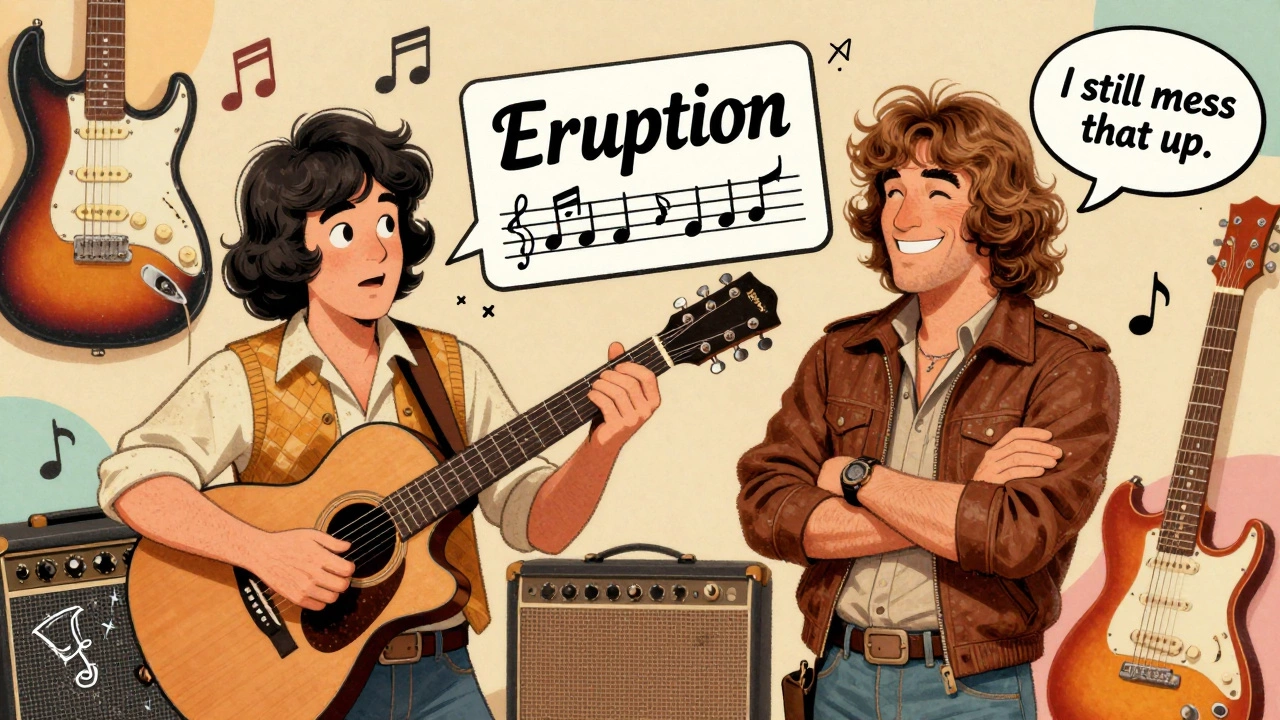
One journalist never played guitar. Then they bought a $150 used one and started learning chords. Three months later, they interviewed Eddie Van Halen. Not because they were good - but because they could say, "I’ve been trying to replicate your tapping on "Eruption," and I keep hitting the wrong string."
Van Halen smiled. "You’re not alone. I still mess that up."
That’s the magic. When you speak the language of the craft - not just the lyrics - musicians open up. They respect you more. They feel like you’re not just another writer. You’re someone who gets it.
Don’t Try to Be Friends
Here’s the hardest truth: your job isn’t to be liked. It’s to get the truth.
Don’t flatter them. Don’t say, "You’re my hero." Don’t tell them how much their music changed your life. They’ve heard it a thousand times. It’s noise.
Instead, be curious. Be professional. Be quiet when they’re quiet. Let silence sit. Don’t rush to fill it.
One journalist interviewed a legendary frontman who’d been in the business for 40 years. The journalist didn’t mention any of his hits. They just asked, "What’s the most overrated thing people say about your music?" The answer? "That I’m a rebel. I’m not. I’m a businessman. I’ve got a mortgage. I pay taxes. I’m just good at pretending I’m not." That quote ran on page one.
Let the Artist Tell Their Own Story
Too many interviews sound like the journalist’s version of the artist’s life. That’s not journalism. That’s fan fiction.
When an artist says, "I was inspired by Nirvana," don’t write, "This reflects the raw energy of 90s grunge."
Ask: "What about Nirvana moved you?"
Maybe they say: "Kurt didn’t sing like a rock star. He sang like he was scared. I wanted to sound like that - not because I was angry, but because I was lonely."
That’s the story. Not your interpretation. Their truth.
Artists don’t need you to explain them. They need you to amplify them.
What Musicians Wish Journalists Knew
Behind every interview is a musician who’s tired, anxious, or overworked. But they’re also desperate to be understood.
Here’s what they wish you knew:
- They’ve answered the same questions a hundred times. Don’t ask about "the meaning of life" unless you’ve done your homework.
- They’re not always "inspired." Sometimes they’re just trying to finish a song before the studio closes.
- They don’t want to talk about their exes - unless it’s tied to a song.
- They’d rather talk about gear, recording techniques, or how a fan’s cover changed their perspective than about their "inner demons."
- They know you’re trying to get a quote. But they also know if you’re just collecting soundbites.
The best interviews happen when the journalist shows up as a fan - not a reporter. Someone who’s curious, not demanding. Someone who’s listened - really listened - and wants to know more.
What to Do When They Shut Down
Not every interview goes well. Sometimes they’re tired. Sometimes they’re pissed. Sometimes they’re just done.
Here’s what to do:
- If they give one-word answers, stop asking questions. Say, "I’m going to let you rest. I’ll just sit here quietly." Often, they’ll start talking.
- If they get defensive, don’t push. Say, "I get it. That’s a hard one. Let’s talk about something else." Come back to it later.
- If they say, "I don’t want to talk about that," don’t argue. Just say, "Okay. Thanks for being honest."
Respect is everything. If you force it, you’ll get nothing.
Final Rule: Give Them Something They’ve Never Said Before
At the end of the day, the goal isn’t to get a quote. It’s to get a revelation.
Something that makes a fan say, "I never thought about it that way."
That’s what music journalism is for. Not to promote. Not to gossip. Not to be cool. But to connect the art to the person - honestly, deeply, and humanly.
So next time you sit down with a musician - don’t ask what they’re doing next. Ask what they’re still trying to figure out.
How do I prepare for an interview with a musician I’ve never heard of?
Start with their press kit, website, and recent shows. Look for interviews they’ve done in the last six months. Note what they keep repeating - that’s likely their official narrative. Then listen to their latest release. Even if you don’t like it, listen for patterns: recurring lyrics, instruments, tempo changes. Ask yourself: What’s missing? What haven’t they talked about? That’s your entry point.
Should I ask personal questions about a musician’s life?
Only if it connects to their music. Don’t ask about divorce unless they’ve written a song about it. Don’t ask about rehab unless they’ve mentioned it publicly. If it’s not tied to their art, it’s gossip - and musicians will shut you down. The best personal questions are the ones that reveal how their life shaped their sound.
Do I need to be a musician to interview musicians?
No, but you need to understand music. You don’t have to play guitar, but you should know what a bridge is, what a looper pedal does, or why a drummer might use a half-time feel. If you can speak their language - even a little - they’ll trust you more. Try learning one song on an instrument. It changes everything.
What’s the biggest mistake journalists make in music interviews?
Asking questions they already know the answer to. If you’ve read the bio and just want to confirm it, you’re not doing journalism - you’re doing PR. The best interviews happen when you come in with genuine curiosity, not a checklist. Ask what no one else has asked. Dig for the story behind the story.
How do I get access to big-name artists?
Start small. Cover local bands. Write for indie blogs. Build a portfolio of thoughtful, well-researched interviews. When you show you understand music - not just fame - publicists notice. Don’t chase stars. Chase truth. The stars will find you.


