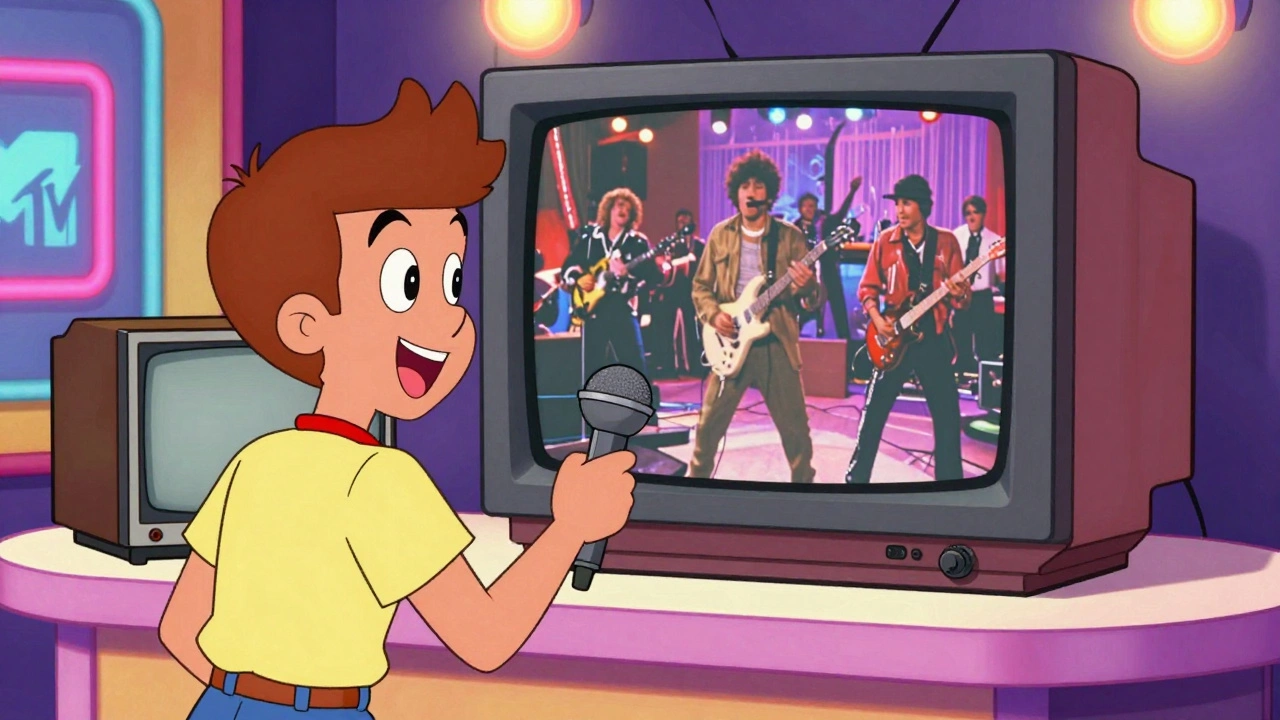

In 1995, MTV reached 90 million US households. That number isn't just a statistic-it's the birth of a cultural blueprint that still shapes how we share videos today. Think about TikTok's short clips or YouTube's algorithm-driven recommendations. Those platforms didn't invent their core ideas; they inherited them from MTV's 1990s innovations. The network didn't just play music videos-it built the foundation for how we interact with video content now.
MTV is a television network that revolutionized youth culture through music video programming. This network became the cultural hub for teens and young adults, with 90 million US households tuning in by 1995.The Visual Language of MTV and TikTok
Ever wonder why TikTok videos feel so familiar? It's because MTV taught us this language decades ago. Research from the Journal of Popular Film and Television shows MTV's average shot length dropped from 11.2 seconds in 1981 to just 3.5 seconds by 1995. That rapid-fire editing style? TikTok perfected it with 15-60 second clips. When you see a dancer switching outfits in seconds or a quick-cut comedy skit, you're watching MTV's visual grammar in action. Cultural critic Rob Tannenbaum put it simply: "TikTok reproduces MTV's model of letting others create their programming, rewards a similar quick-cut visual energy, and like MTV, is often dismissed as a fad that's bad for music creativity."
Reality TV's Roots in MTV's Programming
Reality Television is a genre where unscripted events are filmed-and MTV invented the modern version. The Real World premiered on May 21, 1992, with strangers living together and cameras rolling. This wasn't just a TV show; it created the template for today's social video trends. Think about TikTok's "day in the life" videos or challenges where anyone can share their reality. In 1993, 78% of teenagers identified MTV as their primary music source, per a Gallup Youth Survey. Today, 75% of TikTok users discover new artists through the platform, showing how audience-driven content remains king.
How Viewer Interaction Evolved from MTV to TikTok
MTV's "Viewer Request Sunday" let people call in to pick videos. Imagine that: 10,000 daily requests in 1995. Today, TikTok processes 1.2 billion video requests daily. The tools changed from phone lines to algorithms, but the core idea stayed the same: let audiences shape what they see. When Nirvana's "Smells Like Teen Spirit" exploded after MTV exposure in 1991, album sales jumped 300%. Now, songs hitting 500 million TikTok views often go platinum within six months. The math changed, but the power of audience choice didn't.
From VJs to Modern Influencers
VJs (Video Jockeys) are hosts who introduced music videos on MTV like Kurt Loder or Kennedy. They weren't just announcers-they built trust with viewers, becoming early influencers. Today's TikTok creators like Khaby Lame (150 million followers) have engagement rates 3.7x higher than traditional celebrities, per Hootsuite's 2025 report. The difference? MTV's VJs curated content for you. Modern creators let you be the curator. When you duet a video or add your own spin, you're continuing MTV's legacy of participatory culture.
Music Discovery Then and Now
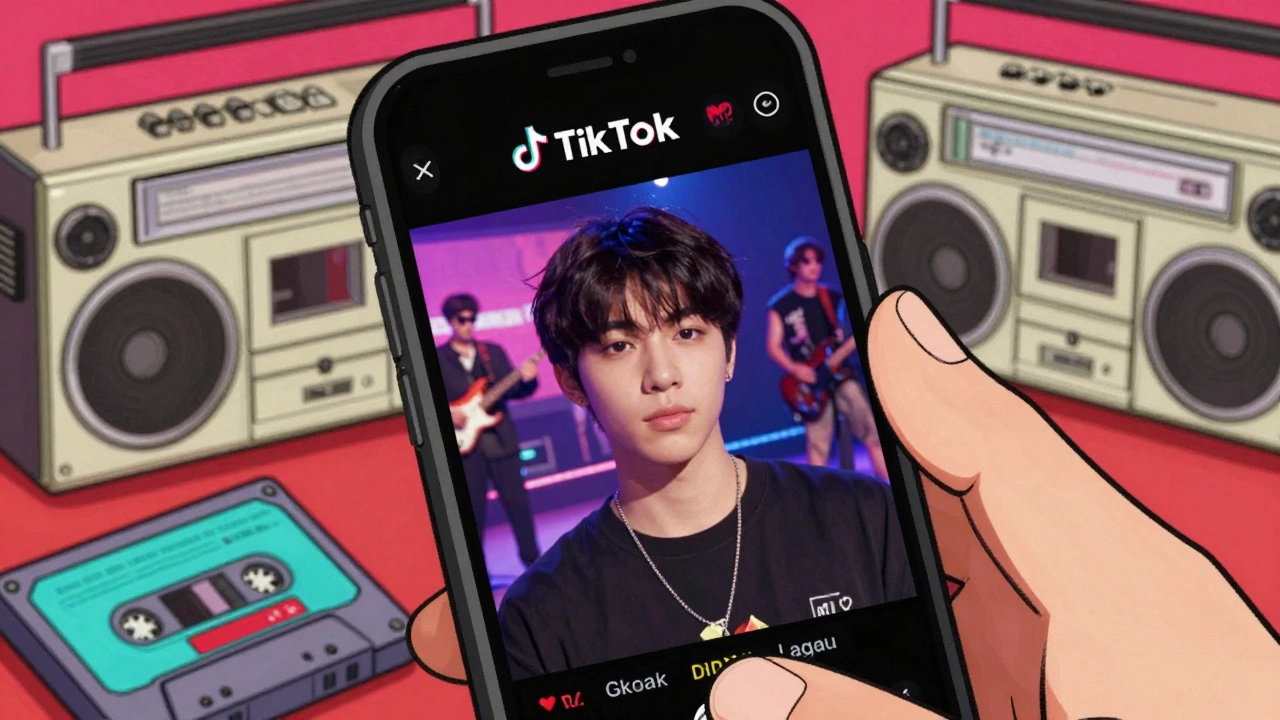
MTV's "Yo! MTV Raps" in 1992 gave hip-hop artists a mainstream stage. By 1995, hip-hop accounted for 25% of MTV's airtime-up from near zero a decade earlier. Fast-forward to 2019: Lil Nas X's "Old Town Road" blew up on TikTok, hitting Billboard #1 for 19 weeks. That's not coincidence. Record labels now allocate 67% of music marketing budgets to TikTok campaigns, per Music Business Worldwide's 2025 report. The tools changed, but the formula stayed the same: give audiences a voice, and they'll make artists stars.
MTV's Legacy in Today's Digital World
Paramount Global relaunched MTV Classic as a streaming-only channel in 2025. TikTok's "MTV Throwback" filter was used in 47 million videos within its first week. This isn't nostalgia-it's proof MTV's DNA is baked into how we create and share video. When YouTube acquired MTV's 500,000-hour archive in 2024, they used AI to let users insert themselves into classic moments. Dr. Adam Behr from Newcastle University summed it up best: "MTV's cultural children like TikTok and YouTube are thriving, with creators who control their own image, almost replacing those VJs of the past."
How did MTV's editing style influence TikTok?
MTV's average shot length dropped to 3.5 seconds by 1995, according to the Journal of Popular Film and Television. TikTok's 15-60 second clips use the same rapid editing. This visual language is why TikTok videos feel instantly recognizable-MTV taught us to consume video this way.
What role did MTV's "The Real World" play in modern reality TV?
Premiering in 1992, "The Real World" was the first show to film strangers living together unscripted. It created the template for today's social video trends like TikTok's "day in the life" clips. Over 30 years later, 75% of TikTok users discover new artists through user-generated content, proving the power of authentic storytelling.
How does TikTok's algorithm mirror MTV's viewer requests?
MTV's "Viewer Request Sunday" took 10,000 phone calls daily in 1995. Today, TikTok processes 1.2 billion video requests every day. The shift from phone lines to algorithms changed the scale, but the core idea-letting audiences shape content-stays the same. When a song goes viral on TikTok, it's the modern version of MTV's "Smells Like Teen Spirit" explosion.
Are today's social media influencers similar to MTV's VJs?
Yes, but with a twist. MTV's VJs like Kurt Loder curated content for viewers. Modern influencers like Khaby Lame (150M followers) let audiences co-create content. Hootsuite's 2025 report shows TikTok creators have 3.7x higher engagement than traditional celebrities because they're part of the conversation, not just broadcasters.
How has music discovery changed from MTV to TikTok?
In 1993, 78% of teens found music through MTV. Today, 75% of TikTok users discover new artists on the platform. Lil Nas X's "Old Town Road" hit #1 after going viral on TikTok, mirroring Nirvana's MTV-driven success in 1991. Record labels now spend 67% of music marketing budgets on TikTok campaigns, proving the formula works: audience participation makes stars.


