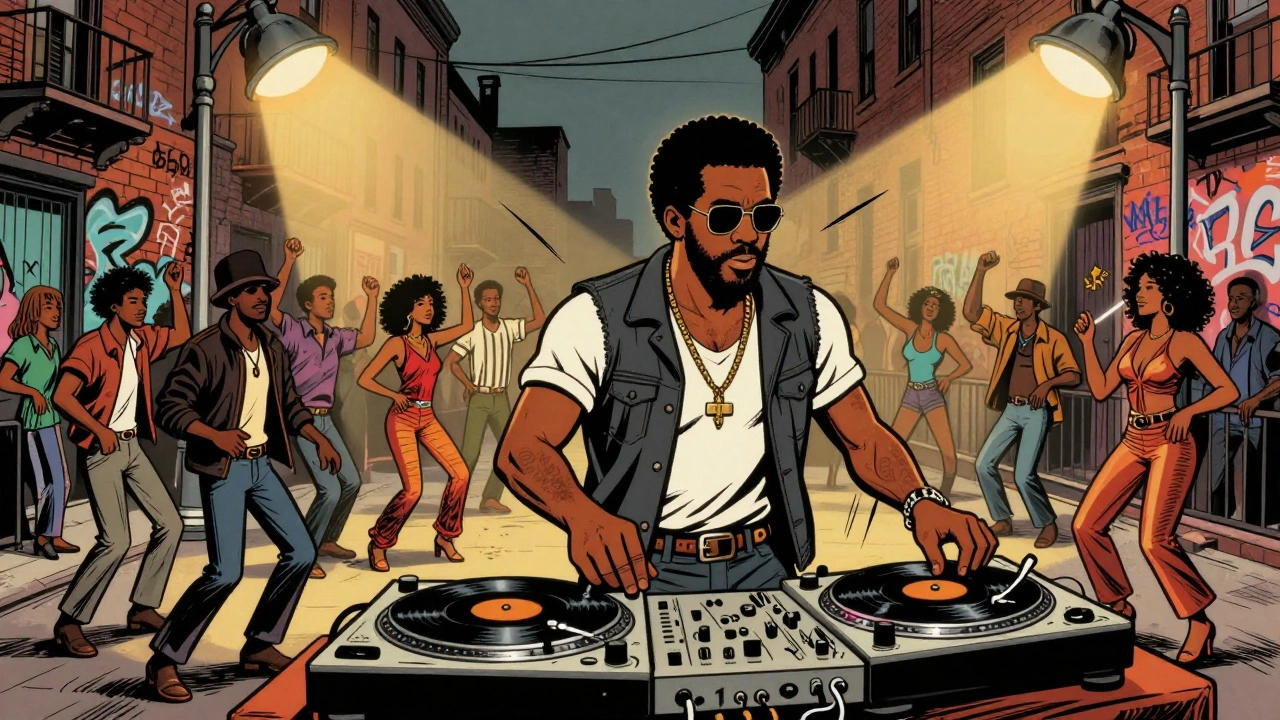

On August 11, 1973, DJ Kool Herc held a block party at 1520 Sedgwick Avenue in the Bronx. This single event sparked a cultural revolution that would eventually dominate global music. Today, hip-hop generates over $15 billion annually-more than any other genre. This article explores the hip-hop history from its underground roots to mainstream dominance.
How Hip-Hop Began in the Bronx
After the Cross Bronx Expressway was built in the 1970s, many white families moved out. This left African American and Caribbean communities in crowded, underfunded neighborhoods. Young people created new forms of expression. DJs like Kool Herc extended the breaks in funk and disco songs. They used two turntables to loop the most danceable parts. This created the foundation for hip-hop's signature beats. The genre grew from this environment, blending African griot traditions, talking blues, black power poetry, and Caribbean musical elements.
The Four Pillars of Hip-Hop Culture
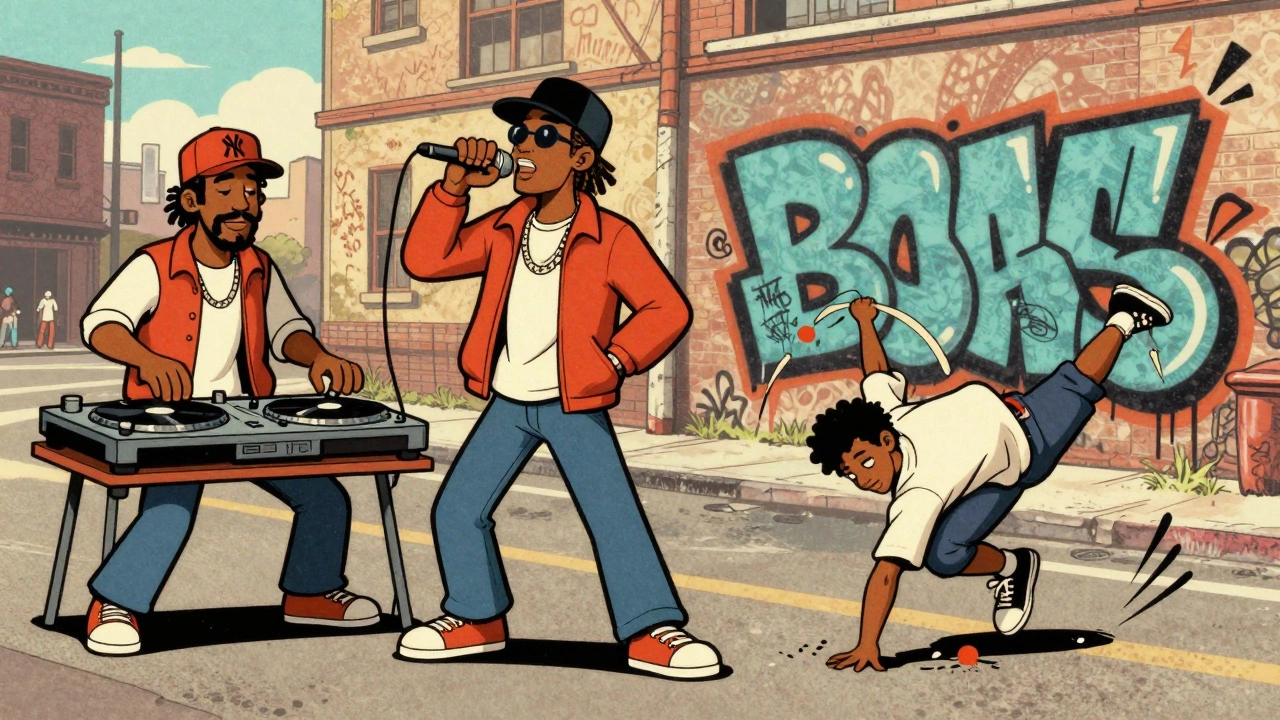
Four elements define hip-hop culture. DJing involves manipulating records to create new sounds. MCing, or rapping, is rhythmic spoken word over beats. Breakdancing, or b-boying, is athletic dance moves. Graffiti writing uses public spaces for artistic expression. These elements together formed a complete cultural movement. By 1974, DJ Pleaser Lovebug Starski first called it "hip-hop." The term stuck as the culture spread.
Key Eras in Hip-Hop's Evolution
-
Old-school era (early 1970s to mid-1980s)
James Brown's "Funky Drummer" became a staple breakbeat. DJs like Grandmaster Flash pioneered scratching techniques. This era set the stage for hip-hop's technical development.
-
New-school era (1983-1986)
Run-DMC collaborated with producer Rick Rubin to strip away disco influences. Their 1984 album "Raising Hell" featured "Walk This Way" with Aerosmith. This marked hip-hop's first major crossover into rock audiences.
-
Golden age (1986 to mid-1990s)
Albums like Nas's "Illmatic" (1994) and The Notorious B.I.G.'s "Ready to Die" (1994) set new standards. Rolling Stone called this period "the year hip-hop became hard" after N.W.A's "Straight Outta Compton" in 1988.
-
Shiny suit era (1997-1998)
Puff Daddy blended hip-hop with pop. His cover of The Police's "Every Breath You Take" as "I'll Be Missing You" dominated charts. This era's focus on luxury brands led to the "bling era."
-
Trap era (mid-2010s)
Artists like Migos popularized trap music. Tracks like "Versace" (2013) made trap the dominant sound. By 2017, hip-hop surpassed rock as the top-selling genre in the U.S.
Global Impact and Cultural Influence
Hip-hop's reach extended far beyond America. In Tokyo, local rappers like Zeebra blended Japanese lyrics with hip-hop beats. In Cape Town, artists like Cassper Nyovest used hip-hop to address South African social issues. Today, K-pop groups like BTS incorporate rap elements into their music. BTS's "Dynamite" hit No. 1 on the Billboard Hot 100 in 2020, showing hip-hop's global influence. The genre became the first Black art form to achieve majority-white audience consumption since Elvis Presley, with white listeners comprising 53% of hip-hop consumers by 2008.
Commercial Growth and Industry Impact
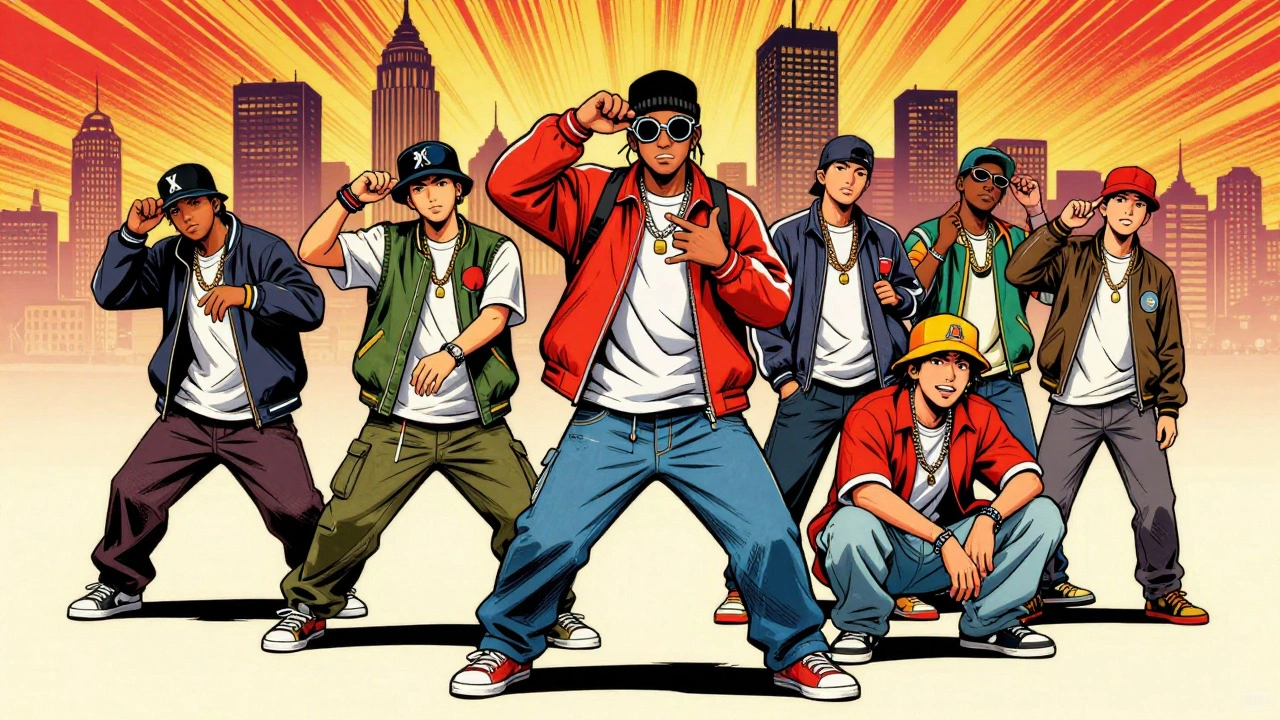
Hip-hop's financial success is staggering. In 1999, it generated $2.9 billion (14.9% of music industry revenue). By 2017, that number jumped to $10.2 billion (27.8% of industry revenue). Streaming accelerated this growth. In 2022, hip-hop accounted for 32.5% of all streams-more than rock's 21.6%. Goldman Sachs predicts hip-hop will reach $23.5 billion by 2030. Southern hip-hop's dominance after 1999 is clear: Atlanta-based artists accounted for 28% of Billboard Hot 100 top 10 entries between 2010-2020.
Current Trends and Future Outlook
Today, hip-hop continues to innovate. Artists like Kendrick Lamar and J. Cole lead a "lyrical renaissance" with socially conscious lyrics. Lamar's "DAMN." won the 2018 Pulitzer Prize-the first hip-hop album to do so. Meanwhile, AI tools like Splice's sample recommender help producers create new sounds. However, some worry about homogenization. Rolling Stone found 61% of industry professionals believe algorithms reduce sonic diversity.
What was the first hip-hop song to hit the Billboard Hot 100?
The Sugarhill Gang's "Rapper's Delight" reached No. 36 on the Billboard Hot 100 in 1979. This was just six years after hip-hop's birth, proving its rapid commercial potential. The song's success opened doors for future artists.
How did DJ Grandmaster Flash invent scratching?
DJ Grandmaster Flash invented scratching in 1975. He accidentally discovered it while trying to cue up a record. By moving the record back and forth under the needle, he created a new sound. This technique became foundational for turntablism. His 1982 track "The Adventures of Grandmaster Flash on the Wheels of Steel" showcased scratching to a global audience.
Why is the golden age considered hip-hop's peak?
The golden age (1986-1994) saw unprecedented innovation. Every new single reinvented the genre. Albums like "Illmatic" and "Ready to Die" combined sharp lyricism with innovative production. During this period, hip-hop addressed social issues while achieving mainstream success. Critics and fans often cite this era as the genre's creative high point before commercialization intensified.
What role did the internet play in hip-hop's growth?
The internet revolutionized hip-hop distribution. In the late 2000s, blogs like HotNewHipHop let artists share music directly with fans. This bypassed traditional record labels. Platforms like SoundCloud enabled underground artists like Future to gain traction. By 2020, streaming services made hip-hop the dominant genre globally. Today, 78% of producers use AI tools like Splice for sample discovery.
How has hip-hop influenced global music scenes?
Hip-hop's global influence is undeniable. In South Korea, K-pop groups like BTS blend rap with pop melodies. In France, artists like Booba create French-language rap. In Brazil, funk carioca mixes hip-hop with local rhythms. Even in Japan, rappers like Zeebra have built careers using hip-hop techniques. This cross-pollination has made hip-hop the world's most popular music genre, with artists from every continent contributing to its evolution.


