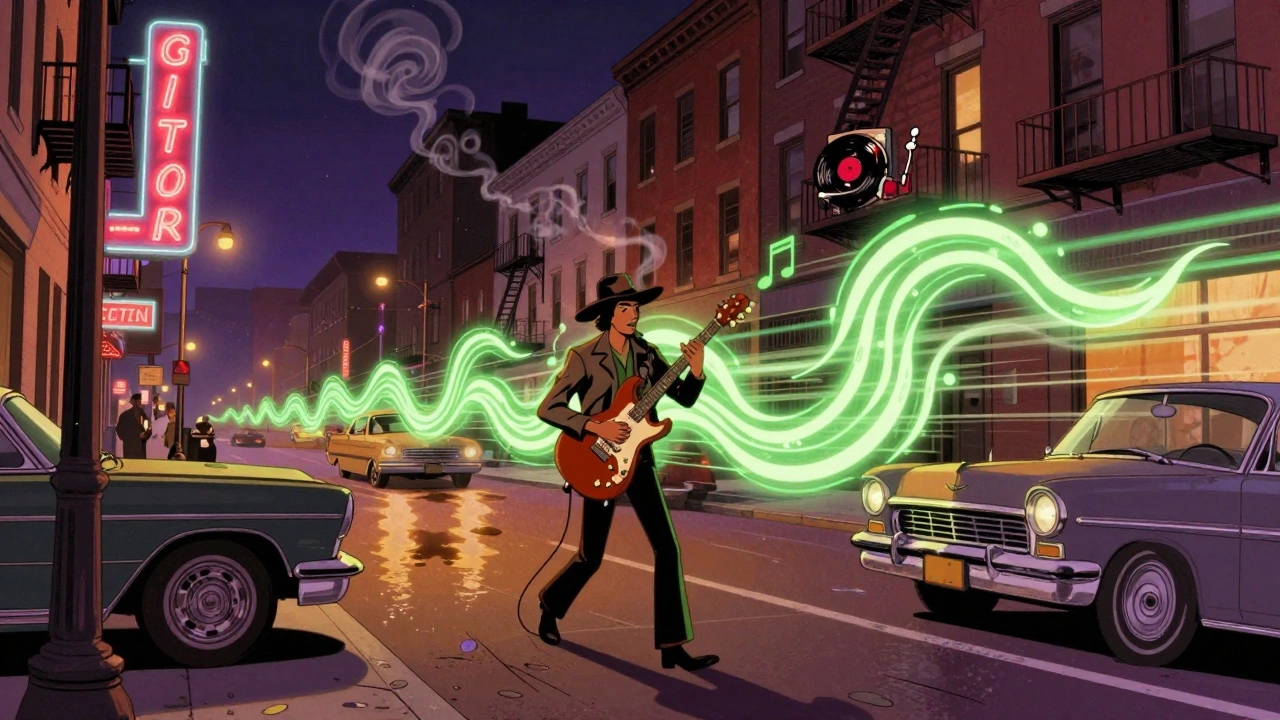

When you hear the opening bassline of funk in a movie, you don’t just hear music-you feel the city. The pulse of a late-night street in Oakland. The heat of a Harlem block in 1972. The grit of a Chicago alley where the stakes are high and the rhythm won’t let you look away. Funk didn’t just accompany films-it became the voice of a generation. And no other genre in film history has so directly, so powerfully, tied sound to identity.
Where Funk Met the Screen
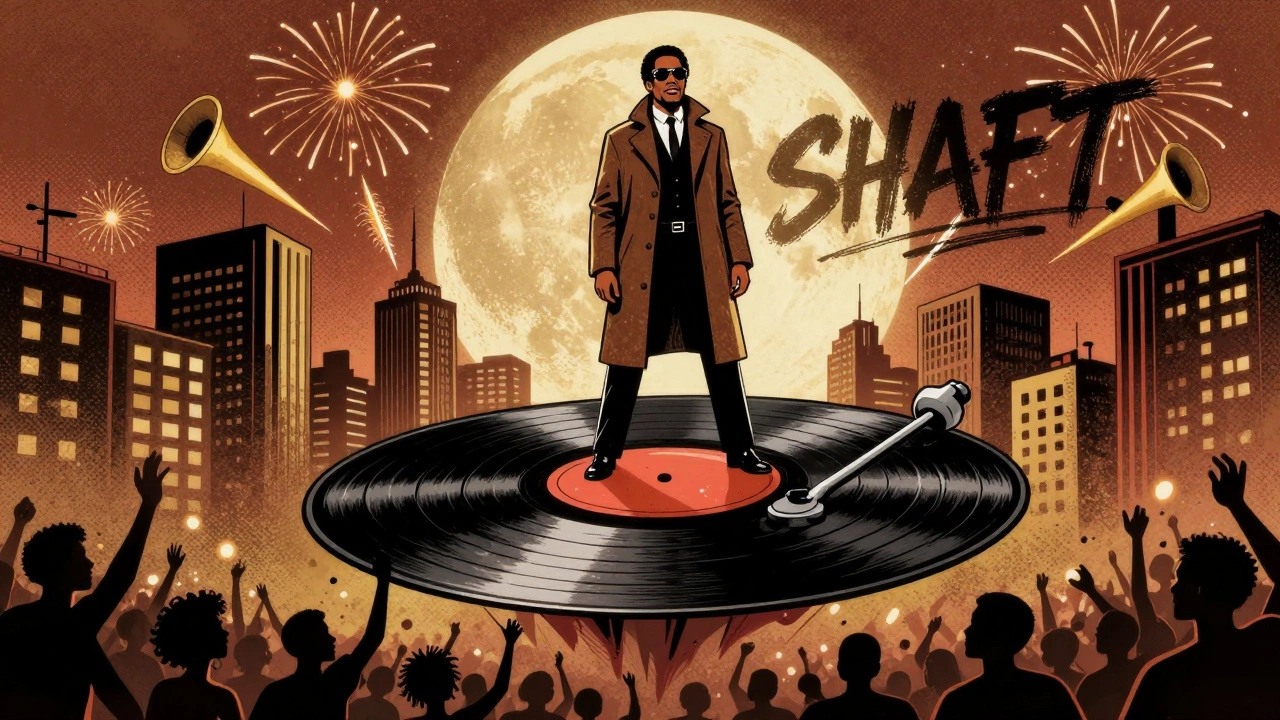
Funk’s rise in cinema didn’t happen by accident. It exploded in the early 1970s alongside Blaxploitation films-movies made for, by, and about Black urban communities. Before this, Hollywood rarely let Black stories lead the screen, let alone the soundtrack. But when Shaft hit theaters in 1971, everything changed. Isaac Hayes didn’t just score a movie-he built a world. His 11-minute theme song, with its slow-burning bass, wah-wah guitar, and horns that cut like a knife, became more than background music. It was the character. The mood. The rebellion.
That same year, Curtis Mayfield dropped Superfly. Where Hayes gave us cool confidence, Mayfield gave us conscience. His lyrics warned of the drug trade, painted the cost of survival, and still made you want to move. The album sold over a million copies. The film? It made money. But the soundtrack? It outlived it. People still play it today-not because it’s old, but because it still speaks.
The Sound of a Movement
Funk isn’t just about drums and bass. It’s about how those elements work together. James Brown’s tight, syncopated grooves became the blueprint. Larry Graham’s slapping bassline on “I Want to Take You Higher” turned the low end into a conversation. Add in the cry of a wah pedal, the hiss of an analog tape, and the echo of a vocal buried just enough to feel like a whisper from the next block-and you get the sound of Black urban life in the 70s.
These weren’t studio tricks. They were cultural tools. Filmmakers didn’t hire funk musicians to make things “sound cool.” They hired them because those musicians lived the stories on screen. The same people who played on these records walked the same streets as the characters. That’s why Superfly feels real, while Saturday Night Fever, despite its success, never quite hits the same nerve. The Bee Gees were brilliant. But they weren’t from the Bronx. They didn’t know what it meant to walk into a corner store and see the same dealer every night.
When the Soundtrack Became the Star
Before Superfly, no soundtrack had ever outsold its movie. After? It became the rule, not the exception. Earth, Wind & Fire’s That’s the Way of the World (1975) was the first time a Black band created a full soundtrack for a major studio film. That opened the door. Spike Lee didn’t just pick music for Do the Right Thing in 1989-he brought Public Enemy in to build the sonic backbone of the film. The result? A score that didn’t just play over the action-it fueled it. The chants, the sirens, the distorted horns-they weren’t effects. They were arguments.
Even today, when a director wants to say “this neighborhood has soul,” they turn to funk. The 2023 film They Cloned Tyrone used Robert Glasper to blend classic breaks with modern synths. The result? 4.2 million streams in the first month. That’s not nostalgia. That’s evolution.
The Price of Authenticity
Getting the real funk sound isn’t easy. Modern composers who try to recreate it face real barriers. A 2022 study at Berklee College of Music found it takes students an average of 18 months to learn how to play a true 1970s funk groove-not just the notes, but the feel. That’s three times longer than learning electronic beats.
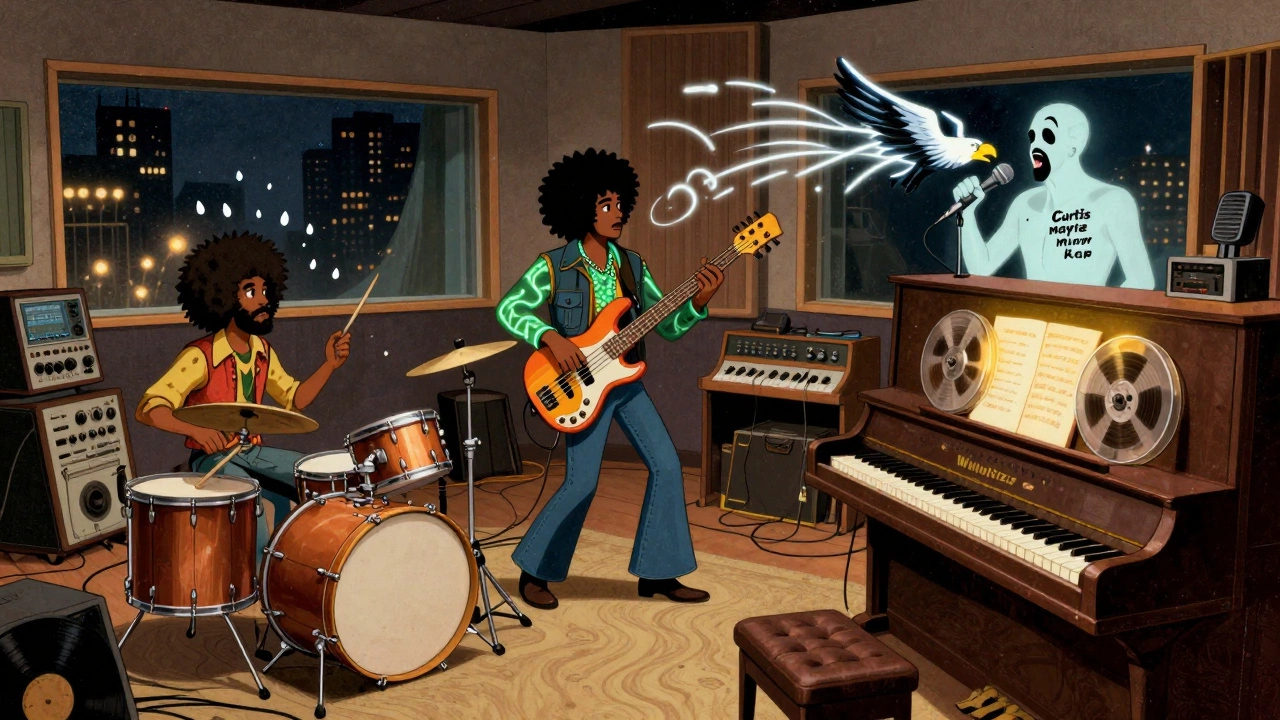
Why? Because it’s not about playing fast. It’s about playing loose. It’s about letting the drummer breathe. Letting the bass slide. Letting the organ hum just a little off-key so it sounds human. You can’t fake that in a DAW. You need a live rhythm section. You need a Wurlitzer electric piano-those now cost $4,500 on Reverb.com. You need a 1970s Studer tape machine to get that saturation. And if you want to sample George Clinton? Good luck. Clearing one sample from Parliament-Funkadelic takes an average of 11 months.
And yet, people still try. Because when you get it right, it doesn’t just sound good-it feels like home.
The Vinyl Resurgence and the New Legacy
In 2025, funk soundtracks generated $27.8 million in U.S. sales. Over 78% of that came from vinyl. That’s not a fluke. People aren’t buying these records because they’re rare. They’re buying them because they still move them. Original pressings of Superfly sell for $150 to $300. The Mack soundtrack? Fans in Oakland still say it’s the sound of their childhood. One Reddit user wrote: “Those basslines are the exact sound of driving down MacArthur Boulevard at night.”
The Library of Congress added six funk soundtracks to the National Recording Registry in 2024-including Shaft, Superfly, and The Mack. They called them “culturally, historically, or aesthetically significant.” That’s not just a label. It’s a promise: these aren’t relics. They’re living documents.
And the future? It’s bright. The 2026 remake of Superfly is being executive produced by Pharrell Williams, who said, “We’re honoring Mayfield’s original vision while creating something that speaks to today’s Black experience.” Meanwhile, Thundercat and Anderson .Paak are working on a James Brown biopic soundtrack. The Sundance Film Festival just launched a “Best Original Funk Score” award. This isn’t a revival. It’s a continuation.
Why It Still Matters
Funk in film isn’t just about rhythm. It’s about ownership. For the first time in Hollywood history, Black artists weren’t just hired to perform-they were trusted to define the emotional truth of the story. Dr. Ingrid Monson at Harvard put it simply: “Funk soundtracks provided the first mainstream cinematic platform where Black musical expression wasn’t filtered through white producers’ sensibilities.”
That’s why Superfly still hits harder than most modern scores. Curtis Mayfield didn’t write songs for a movie. He wrote a letter to his community. And that letter? It’s still being read.