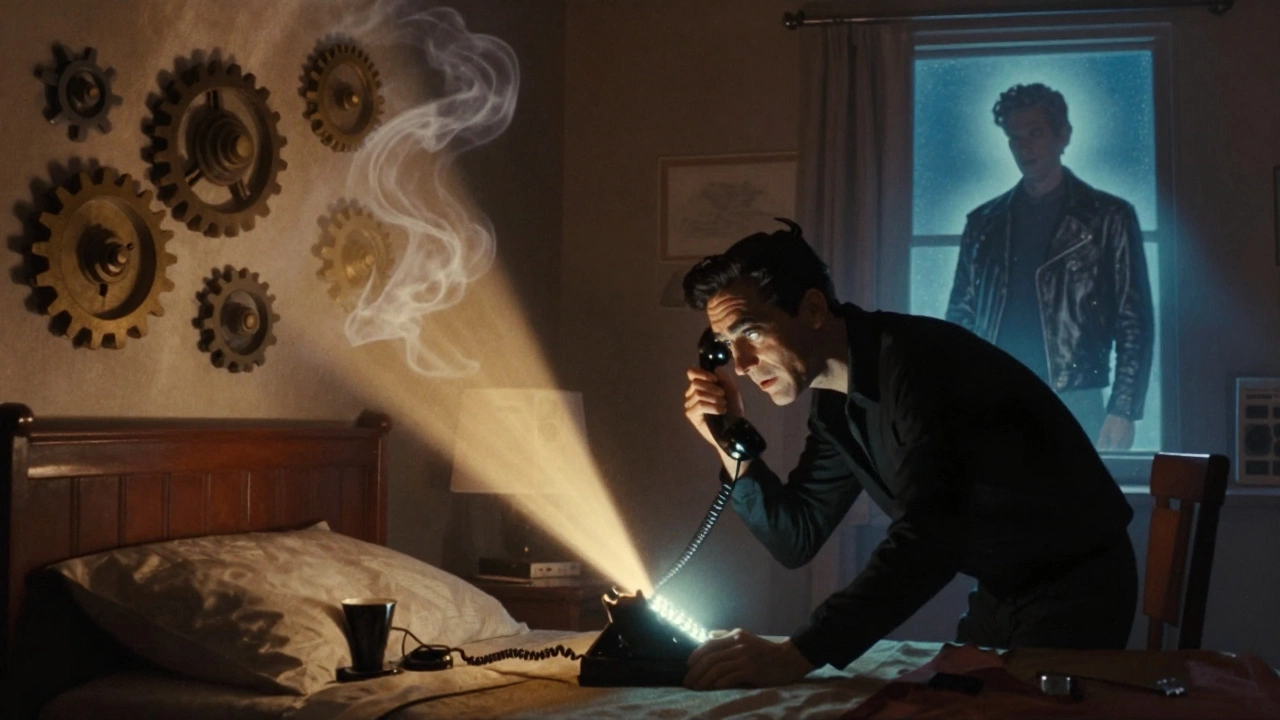

When Depeche Mode released "Personal Jesus" in August 1989, no one expected a synth-pop band to drop a song that sounded like it was recorded in a Mississippi blues club with a drum machine and a distorted guitar. But that’s exactly what happened. The track didn’t just climb the charts - it rewrote the rules of what electronic music could sound like. At its core, Personal Jesus is a synth-pop song, but it’s also something else: a haunting, gospel-tinged, industrial-tinged meditation on dependency, worship, and the people we turn to when we feel broken.
It Wasn’t Supposed to Sound Like This
Depeche Mode built their name on cold, pulsing synths, robotic rhythms, and lyrics about alienation and desire. Albums like Black Celebration and Music for the Masses were sonic cathedrals made of circuits and reverb. But by 1989, Martin Gore, the band’s songwriter, was tired of the same sound. He wanted something raw. Something human. The guitar riff in "Personal Jesus" isn’t just a departure - it’s a rebellion. It’s not a clean, jangly pop riff. It’s gritty. It’s slow. It’s got that same lurch you hear in 1950s blues records, the kind where the notes drag like a man dragging his feet after a long day. You can hear Elvis Presley in it - not in the vocal delivery, but in the way the riff bends, the way it hangs in the air. Gore said he was thinking about Priscilla Presley’s memoir, Elvis and Me, where she described loving a man who became more than a husband - he became a god. That’s what "Personal Jesus" is: a song about turning someone else into your savior.The Sound: Synth-Pop Meets Industrial Blues
Most people think of synth-pop as soft, shiny, and danceable. Think of early Depeche Mode tracks like "Just Can’t Get Enough" - upbeat, bright, full of arpeggiated synths. "Personal Jesus" blows that open. The song uses synths, yes, but they’re buried under layers of distortion, heavy drum programming, and that unmistakable bluesy guitar. The production, handled by François Kevorkian, didn’t just layer sounds - it mashed them together. Industrial music, with its clanging metal beats and mechanical textures, bled into the track. The snare hits like a hammer on an anvil. The bassline doesn’t groove - it drags. And then there’s the chord progression. It’s not pop. It’s not even rock. It’s blues. The song spends most of its time on the I chord - the tonic - then suddenly shifts to the IV, a move straight out of a 12-bar blues structure. That shift isn’t accidental. It’s a signal. This isn’t a love song. It’s a confession. A plea. A warning.Lyrics That Cut Both Ways
"Reach out and touch faith" - those are the first words you hear. Not "I love you." Not "Let’s be together." But "touch faith." It’s spiritual. It’s transactional. David Gahan sings like a salesman with a Bible in one hand and a phone line in the other. "Lift up the receiver, I’ll make you a believer." Who is this person? A lover? A therapist? A cult leader? The genius of the song is that it doesn’t tell you. The second verse makes it worse - or better, depending on how you see it. "Feeling unknown and you’re all alone / Flesh and bone by the telephone." That’s not romance. That’s desperation. Someone is calling out into the dark, and the narrator is ready to answer. "I will deliver, you know I’m a forgiver." That line doesn’t just promise comfort - it promises absolution. And that’s dangerous. Martin Gore said he wrote it to show how people worship others - lovers, celebrities, leaders - and expect them to be perfect. But the song doesn’t judge. It observes. It lets you decide if the narrator is a savior… or a predator.
Johnny Cash Made It a Gospel Song. Marilyn Manson Made It a Scandal.
No other song in the last 40 years has been so radically reinterpreted by artists on opposite ends of the spectrum. In 2002, Johnny Cash recorded "Personal Jesus" for his album American III: Solitary Man. He didn’t just cover it - he transformed it. His version stripped away the synths, added a slow, mournful acoustic guitar, and let his cracked voice carry the weight of a man who’s spent a lifetime looking for grace. Cash said, "I heard that as a gospel song." For him, "Personal Jesus" wasn’t about romantic obsession - it was about finding God. He even said he recorded it partly as a tribute to Elvis, the man who inspired the original lyrics. Then came Marilyn Manson in 2004. His version was loud, sneering, and dripping with irony. He turned the song into a mockery of religious hypocrisy. Where Cash heard salvation, Manson heard manipulation. He didn’t want you to feel comforted - he wanted you to feel uncomfortable. And Depeche Mode? They never explained it. They never said what it meant. That’s why it still works today.Why It Still Matters in 2026
More than 344 million streams on Spotify. Over 990 live performances by Depeche Mode. A spot on Rolling Stone’s "500 Greatest Songs of All Time." This isn’t nostalgia. This is relevance. In 2026, we’re more connected than ever - but also more lonely. People still turn to influencers, therapists, partners, and apps to fill the void. We still want someone to hear our prayers, to be there when no one else is. "Personal Jesus" didn’t predict the internet - but it predicted the hunger behind it. The song’s power isn’t in its sound - though that’s unforgettable. It’s in its question: Who are you willing to worship? And are they really worth it?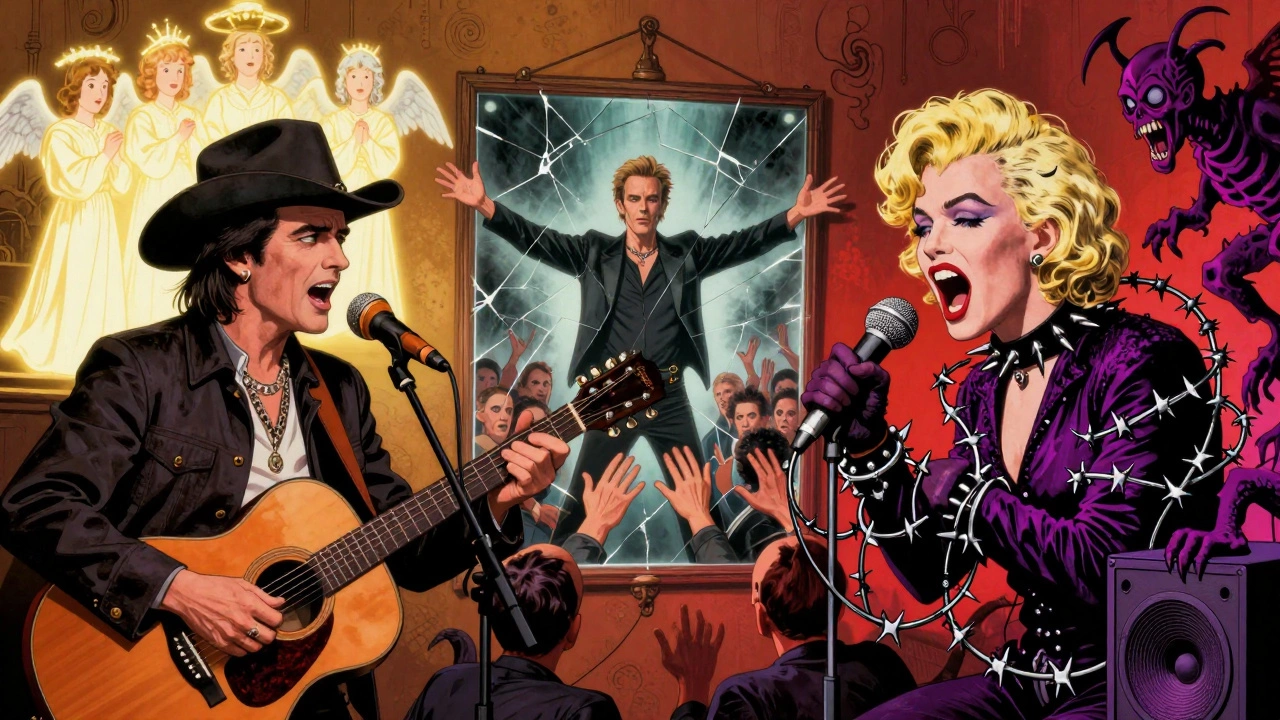
What Makes It Different From Other Synth-Pop
Most synth-pop from the 1980s was about escapism - dancing through heartbreak, losing yourself in rhythm. "Personal Jesus" doesn’t let you escape. It pulls you in. It forces you to look at the people you rely on. It asks: Are you giving them too much power? Are they giving you too little? It’s also one of the few synth-pop songs that uses real instruments to deepen the emotion. The guitar isn’t an accessory - it’s the soul. The drums aren’t programmed to be perfect - they’re programmed to feel human. That’s why it crossed over. It wasn’t just a pop song. It was a rock song. A blues song. A spiritual song.Legacy: A Song That Refuses to Be Categorized
"Personal Jesus" didn’t just top charts - it broke walls. It showed that electronic music could be dark, bluesy, and deeply human. It proved that a band known for cold synths could make a song that made people cry, pray, or scream. It’s the reason Depeche Mode didn’t fade after the 1980s. It’s the reason they still sell out stadiums. It’s the reason a 70-year-old man in Tennessee and a 20-year-old in Berlin both know every word. It’s not just a song. It’s a mirror. And we’re still looking into it.What genre is "Personal Jesus" by Depeche Mode?
"Personal Jesus" is primarily classified as synth-pop, but it blends strong industrial and blues influences. Unlike typical 1980s synth-pop, which relied on bright, danceable synthesizers, this track features a distorted, blues-inspired guitar riff, heavy drum programming, and dark, atmospheric production. The fusion of electronic elements with organic instrumentation places it at the intersection of synth-pop, industrial rock, and alternative blues.
Why did Martin Gore write "Personal Jesus"?
Martin Gore was inspired by Priscilla Presley’s memoir, "Elvis and Me," which described her relationship with Elvis as one of worship rather than equality. He saw how people elevate their romantic partners - or public figures - to god-like status, expecting them to fix their pain. The song explores the danger of that dynamic: becoming someone’s "personal Jesus," offering salvation, only to be crushed by the weight of expectation.
How did Johnny Cash’s version change the meaning of the song?
Johnny Cash interpreted "Personal Jesus" as a gospel song - a direct message about finding faith in God. He stripped away the electronic elements, replaced them with acoustic guitar and his signature deep voice, and framed the lyrics as a spiritual plea. For Cash, the "Personal Jesus" wasn’t a lover - it was Christ. His version turned a song about emotional dependency into one about divine comfort, showing how flexible and open-ended the lyrics truly are.
Is "Personal Jesus" about sex or religion?
It’s about both - and neither. The lyrics use religious imagery - "touch faith," "forgiver," "prayers" - but they’re applied to a personal, intimate relationship. The song doesn’t say whether the narrator is a lover, a therapist, or a cult leader. That ambiguity is intentional. It’s about the blurred line between emotional dependence and spiritual devotion. Some hear seduction. Others hear salvation. The song lets you decide.
Why is "Personal Jesus" still popular today?
Because the feeling it captures hasn’t changed. In 2026, people still scroll through phones looking for connection, turn to influencers for answers, and seek comfort from people who can’t possibly fix them. "Personal Jesus" speaks to that universal hunger - the need to be heard, saved, or understood. With over 344 million Spotify streams and constant live performances, it’s not just a hit - it’s a mirror.


